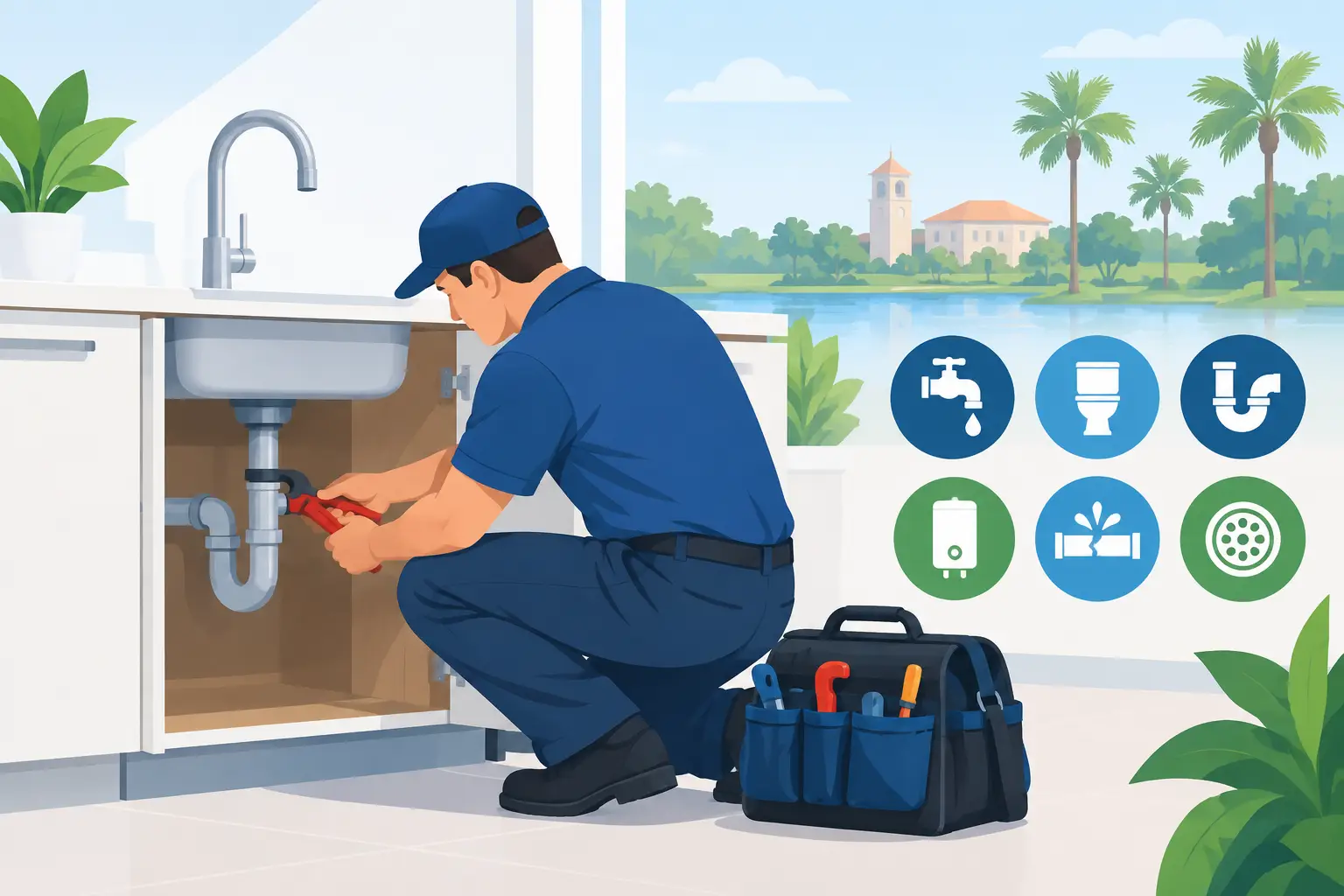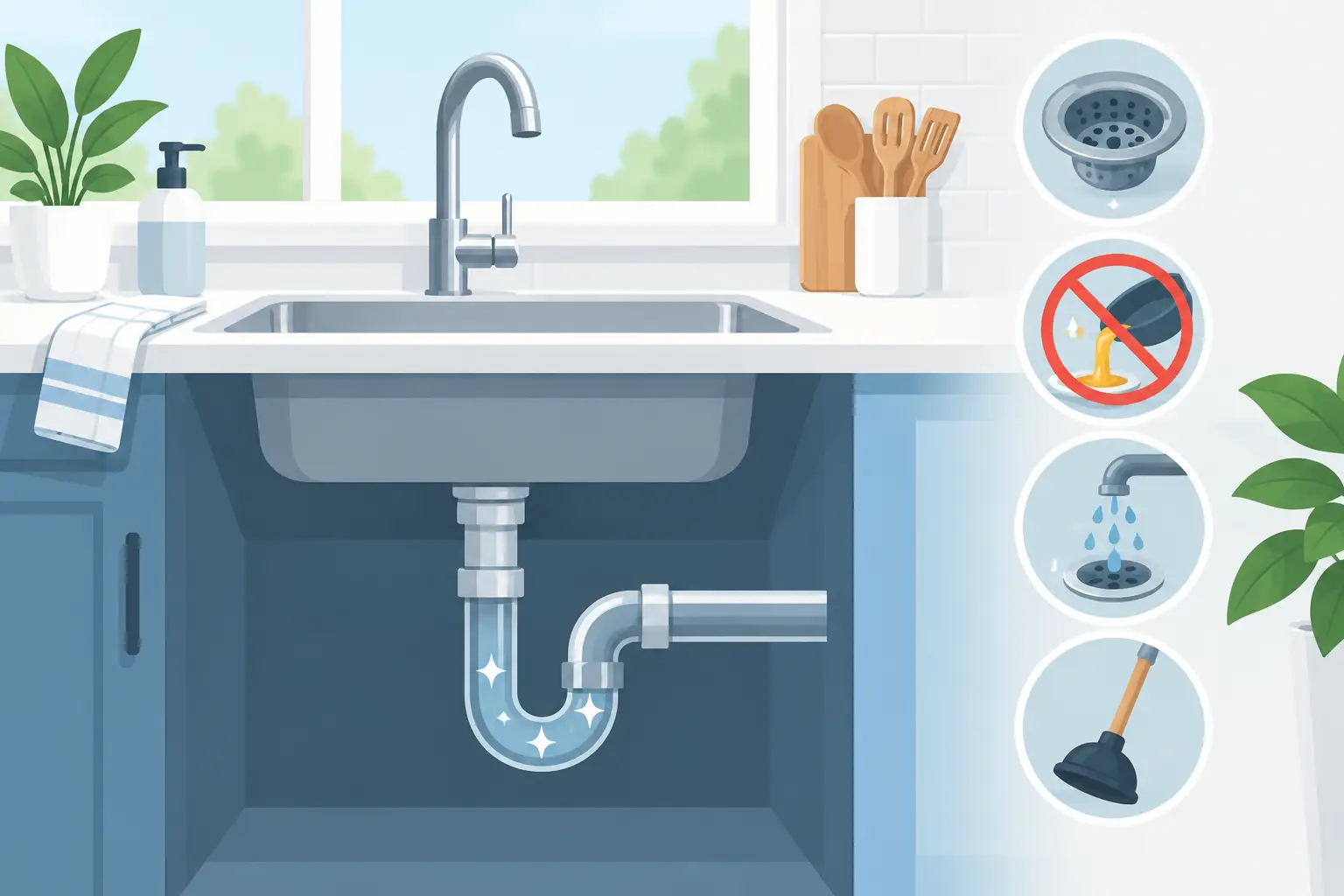
A slab leak rarely announces itself with a burst pipe or a flooded room. More often, it starts as a warm patch on the floor, a water bill that makes no sense, or the faint sound of water moving when every fixture is off. This homeowner guide to slab leak repair explains what those signs can mean, what to do first, and how a qualified plumber determines the right repair without creating more disruption than necessary.
For Central Florida homeowners, quick action matters. Water escaping beneath a concrete foundation can damage flooring, encourage mold growth, weaken soil beneath the slab, and turn a manageable pipe repair into a larger restoration project. The goal is not to panic. It is to stop unnecessary water loss, get a clear diagnosis, and choose a repair built to last.
What Is a Slab Leak?
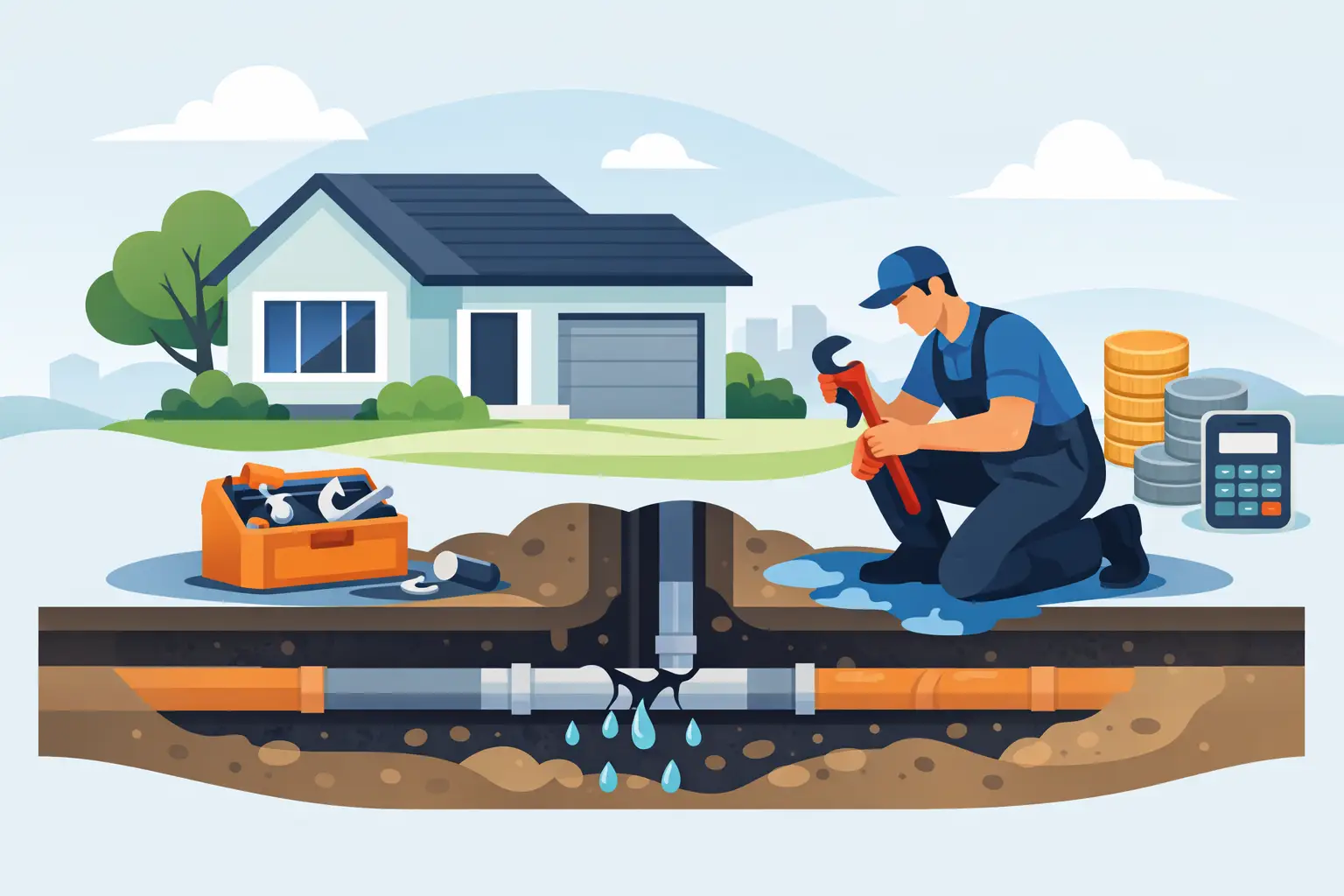
A slab leak is a leak in a water line or drain line located beneath the concrete foundation of a home. In many homes, water supply pipes run through or under the slab before feeding bathrooms, kitchens, laundry areas, and outdoor fixtures. When one of those pipes develops a crack, pinhole, failed fitting, or corrosion-related break, water can escape into the ground or rise through the slab.
Hot-water line leaks are often easier to notice because they can create a warm area on tile, vinyl, or concrete flooring. Cold-water and drain line leaks may be quieter, but they can still cause serious moisture damage over time. The exact cause matters because the repair approach for a small pressurized supply-line leak is different from the approach for a damaged sewer or drain line.
Signs You May Need Slab Leak Repair
One symptom alone does not always confirm a slab leak. A higher water bill could come from irrigation, a running toilet, or a dripping fixture. Still, a combination of these warning signs deserves professional attention:
- You hear water running, hissing, or moving through pipes when fixtures and appliances are off.
- Your water bill rises unexpectedly without a change in household use.
- A section of floor feels unusually warm or damp.
- Flooring begins to buckle, separate, stain, or develop unexplained moisture.
- You notice mildew odors, damp baseboards, or moisture along walls near plumbing areas.
- Your water heater runs more often because hot water is escaping from a hidden line.
- The water meter continues moving after you shut off water use inside and outside the home.
In some cases, homeowners also notice reduced water pressure. That can point to a leak, but it can also come from a failing pressure regulator, mineral buildup, or another plumbing issue. This is why leak detection should come before choosing a repair method.
What to Do When You Suspect a Slab Leak
Start by limiting the amount of water entering the suspected leak. If water is actively surfacing, flooring is getting wet, or the sound of running water is constant, shut off your home’s main water valve if it is safe to do so. If you suspect a hot-water line leak but still need cold water temporarily, shutting off the water supply to the water heater may help reduce the immediate loss.
Move rugs, furniture, and belongings away from damp areas. Avoid pulling up flooring or breaking concrete to look for the leak yourself. The visible moisture is not always directly above the damaged pipe, and unnecessary demolition can increase the cost of restoration.
Take photos of wet flooring, damaged baseboards, or visible cracks for your records. Then arrange professional leak detection as soon as possible. If the leak is affecting the structure, creating active flooding, or causing a major loss of water pressure, treat it as an emergency.
How Professionals Find a Leak Under Concrete
A reliable repair starts with confirming the leak location and identifying the affected pipe. Breaking open a floor based on a guess can lead to avoidable damage. Professional plumbers use inspection and detection methods designed to narrow down the source before recommending repairs.
Depending on the situation, this may include checking the water meter, pressure testing water lines, using acoustic equipment to listen for escaping water, thermal imaging to identify unusual temperature patterns, or camera inspections for accessible drain lines. The home’s age, pipe material, layout, and symptoms all shape the diagnostic process.
A clear inspection should lead to a straightforward explanation: where the issue is likely located, whether it involves a water or drain line, what repair options are available, and what work is included in the estimate. Ask questions until the scope makes sense. A trustworthy plumber should be able to explain the recommendation in plain language.
Homeowner Guide to Slab Leak Repair Options
There is no single best slab leak repair for every home. The right option depends on the location of the leak, the condition of the rest of the plumbing system, accessibility, and whether the line has a history of failures.
Direct Access Repair
With a direct access repair, the plumber opens a targeted section of flooring and concrete to reach the damaged pipe, replaces or repairs the affected area, and restores the plumbing connection. This can be a practical, cost-effective solution when the leak is isolated and easy to pinpoint.
The trade-off is disruption. Concrete must be opened, and the homeowner will typically need to coordinate floor repair afterward. Direct access may be less appealing if the leak sits beneath expensive tile, hardwood, cabinetry, or a difficult-to-reach area.
Pipe Rerouting
Rerouting, also called rerouting or repiping around the slab, takes the damaged line out of service and installs a new path through walls, ceilings, attics, or other accessible spaces. This avoids opening the slab and can be a stronger long-term choice when older pipes are showing repeated signs of failure.
Rerouting may require access holes in drywall and can involve more installation work upfront. However, the new line is generally more accessible for future service, and it avoids putting a new repair back into the same under-slab environment.
Epoxy Pipe Lining
For certain drain or sewer line issues, epoxy lining may allow a new protective lining to be created inside an existing pipe. This option can reduce excavation and preserve flooring or landscaping in the right conditions.
It is not a universal answer. The pipe must be suitable for lining, and the damage pattern must allow it. A thorough camera inspection is essential before considering this method. Supply-line leaks and severely collapsed or badly misaligned drain lines may require another approach.
Larger-Scale Repiping
If a home has older galvanized, copper, or polybutylene plumbing with multiple repairs in its history, fixing one leak at a time can become expensive and stressful. A partial or whole-home repipe may be worth considering when the system itself is nearing the end of its useful life.
This is a bigger investment, but it can reduce the risk of repeated slab-related repairs. The decision should be based on evidence, not fear: pipe age, recurring leaks, water quality, prior repair records, and the condition of accessible plumbing all matter.
What Affects Slab Leak Repair Cost?
Slab leak repair costs vary widely because the repair is only one part of the job. Leak detection, access requirements, pipe material, the length of pipe being replaced, permits where required, and restoration work can all affect the final price.
A small, accessible leak may require a limited repair. A leak beneath a finished bathroom, kitchen island, or structural area can require more planning and restoration. If water has damaged flooring, drywall, cabinets, or insulation, those repairs may fall outside the plumbing scope. Ask for a written estimate that separates diagnosis, plumbing repair, and any expected restoration needs so you can make an informed decision.
The lowest estimate is not always the best value. Look for a licensed plumbing professional who explains why a particular method fits your home, provides transparent pricing, and stands behind the workmanship. A repair that addresses the underlying condition can save more than a quick patch that fails months later.
How to Reduce Future Leak Risk
Not every slab leak can be prevented, especially when pipes are aging beneath a foundation. Still, regular plumbing inspections, prompt repair of small leaks, stable water pressure, and attention to water quality can help protect the system. If your home has a history of pipe failures, keep records of locations and repairs. Patterns help a plumber determine whether an isolated repair or a broader solution makes better long-term sense.
If you notice unexplained moisture, rising water use, or the sound of water where it should not be, trust the signal and act early. A fast, professional inspection gives you the information to protect your home, control the damage, and move forward with confidence.