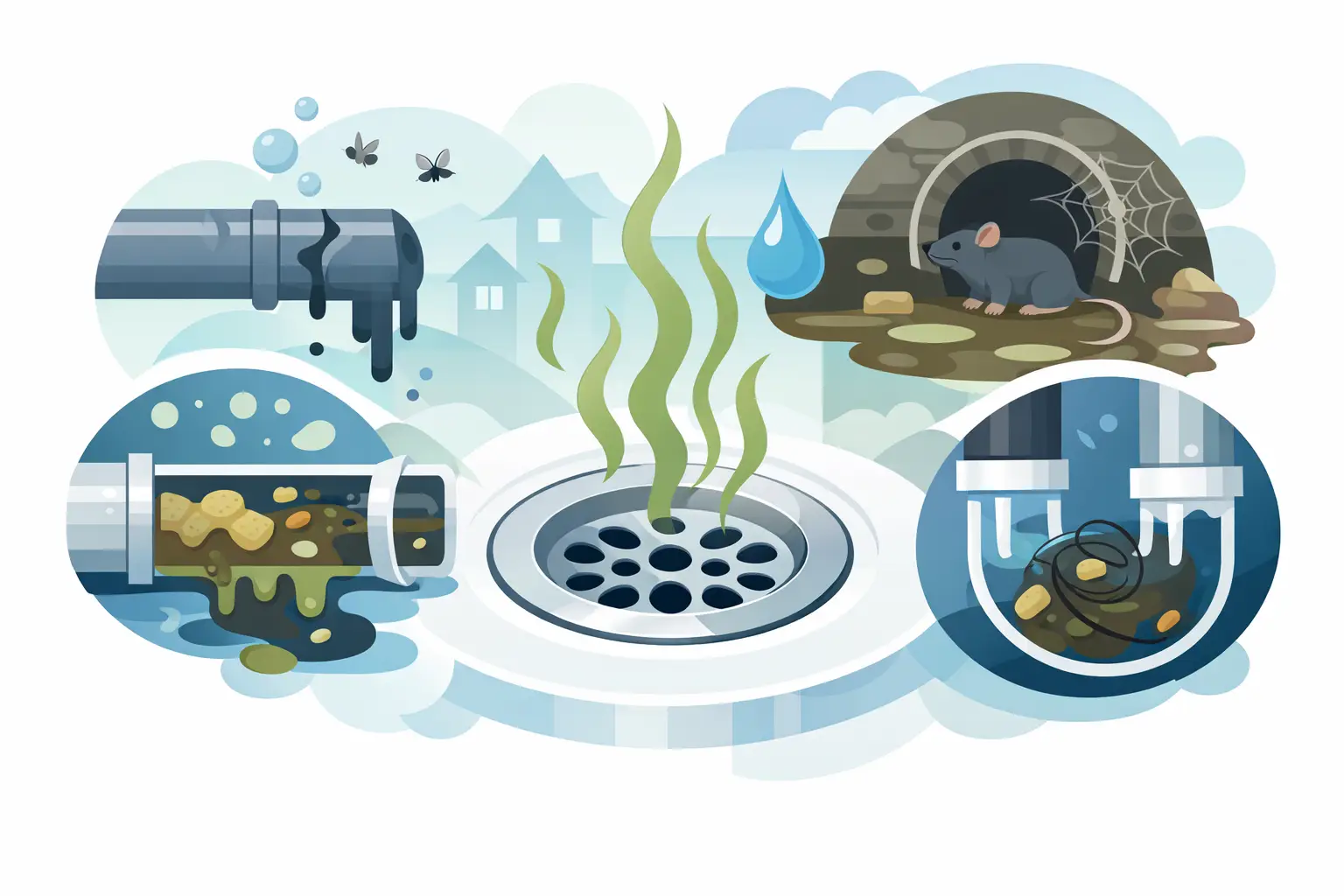
A drain that smells like sewage, rotten eggs, or stagnant water is not a problem to cover with air freshener. The top causes of drain odors usually point to trapped debris, a missing water seal, or a larger issue in the drain or sewer system. Knowing where the smell starts and when it gets worse can help you decide whether a simple cleaning is enough or professional plumbing service is needed.
Top Causes of Drain Odors in Homes and Businesses
Drain odors can come and go, especially in Central Florida properties where humidity, frequent rain, and seasonal vacancies can affect plumbing systems. The smell may be isolated to one sink, shower, or floor drain, or it may travel through multiple rooms. That distinction matters because a single fixture issue is often easier to resolve than an odor affecting the whole building.
A dry P-trap
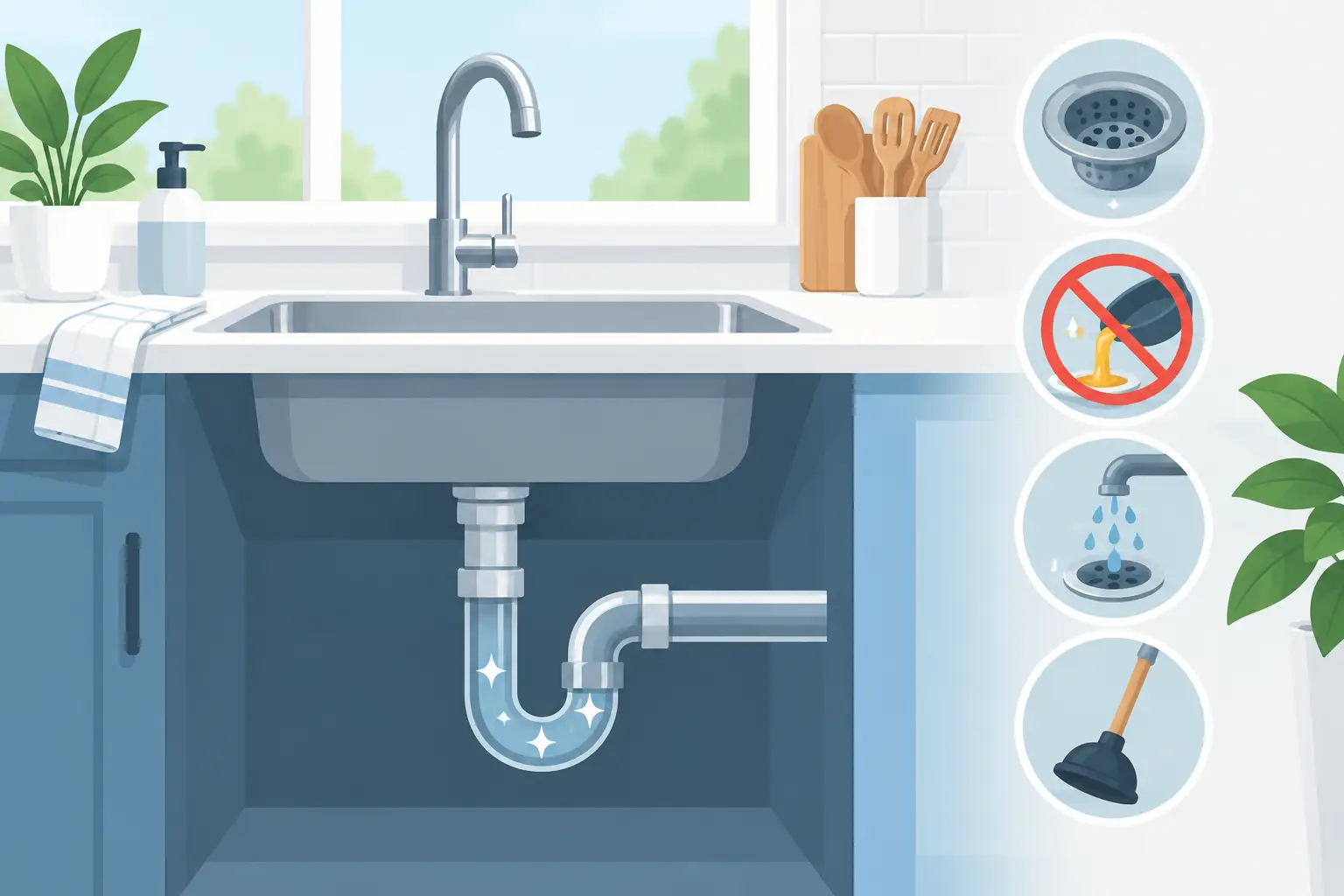
Every properly installed sink, shower, tub, and floor drain should have a P-trap. This curved section of pipe holds a small amount of water that blocks sewer gases from entering the room. If a drain goes unused for weeks, the water can evaporate, leaving an open path for unpleasant odors.
This is especially common in guest bathrooms, vacant rental units, utility rooms, garages, and commercial spaces with rarely used floor drains. Pouring a few cups of water into the drain may restore the seal. For a drain that will stay unused, a small amount of mineral oil added after the water can slow evaporation.
If the odor returns quickly after you add water, the trap may be leaking, improperly installed, or being siphoned dry by a venting problem. That calls for an inspection rather than repeated DIY fixes.
Buildup inside the drain
Kitchen and bathroom drains collect more than water. Soap residue, toothpaste, hair, skin cells, grease, food particles, and other organic material can stick to the inside of the pipe. Over time, bacteria feed on that buildup and produce a sour, musty, or rotten odor.
Bathroom sink overflows are a frequent culprit. The small overflow opening near the top of the sink connects to the drain, but it is easy to overlook during routine cleaning. A smell that seems to come from a clean-looking sink may actually be coming from buildup in the overflow channel or the stopper assembly.
Start by removing visible hair and debris, then clean the stopper and drain opening with a brush. Flush the drain with hot water if the fixture and piping can safely handle it. Avoid relying on harsh chemical drain cleaners. They may damage older pipes, harm seals, and fail to remove the thick buildup causing the smell.
Food waste and grease in a kitchen drain
A kitchen drain often smells different from a bathroom drain. The odor may be rancid, sour, or similar to garbage. Grease and food waste are usually responsible, particularly when they have collected in the disposal, drain line, or dishwasher connection.
Run cold water while using the garbage disposal and for several seconds after it shuts off. Cold water helps carry fats through the system before they can coat the pipe. Clean the disposal splash guard and the underside of its rubber baffle, where food residue often collects.
Do not pour cooking oil, grease, coffee grounds, or large amounts of starchy food down the disposal. If the drain smells bad and also drains slowly, there may be a developing clog farther down the line. Cleaning the disposal alone will not solve a partial blockage in the branch drain.
A clogged or partially clogged drain line
A slow drain gives debris time to sit in the pipe, break down, and smell. Hair, wipes, soap scum, grease, and foreign objects can create a partial blockage that traps wastewater. The odor may become stronger after running water because movement in the pipe stirs the buildup.
A plunger can sometimes help with a minor fixture-level clog. However, repeated plunging, multiple slow drains, or water backing up in another fixture are warning signs of a deeper obstruction. For example, flushing a toilet and seeing water rise in a shower drain can indicate a main sewer line problem, not a shower clog.
Professional drain cleaning identifies where the restriction is and removes it without guessing. For recurring problems, a camera inspection can show whether roots, broken piping, scale, or a pipe belly is contributing to the odor and slow drainage.
Plumbing vent problems
Drain pipes need venting to move wastewater and sewer gases safely through the plumbing system. A vent stack helps equalize pressure so traps keep their water seals. When a vent is blocked, damaged, or improperly installed, you may hear gurgling from drains, notice slow drainage, or find that a trap repeatedly dries out.
Leaves, nests, storm debris, and pipe damage can obstruct roof vents. Vent diagnosis can be more complex than it appears, so it is not a good job for most property owners to tackle from the roof. A licensed plumber can evaluate the drainage and vent system safely and determine whether the odor is related to pressure problems rather than a dirty drain.
A damaged toilet seal or loose toilet
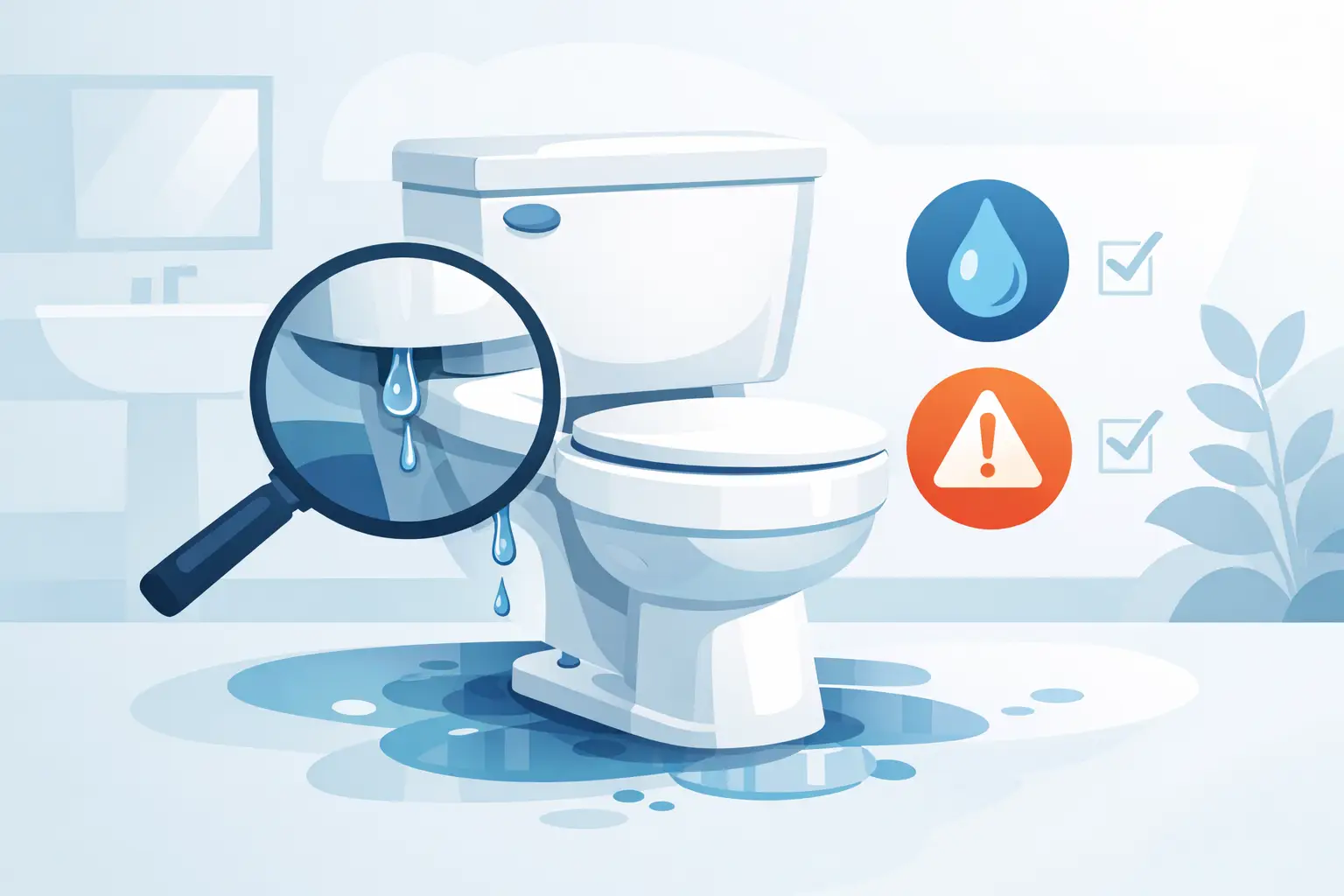
A sewer odor around the base of a toilet may be caused by a failed wax ring or another issue with the toilet connection. The seal beneath the toilet prevents sewer gases and wastewater from escaping where the fixture meets the drain pipe.
Watch for a toilet that rocks, leaks at the base, or smells worse after flushing. Even without visible water, a damaged seal can allow odors into the bathroom. Do not ignore this issue, since ongoing movement can worsen the seal failure and potentially damage the flooring or subfloor.
Sewer line damage or a sewer backup
When a sewer odor is present in several drains, outdoors near the sewer line, or throughout the property, the source may be more serious. Cracked pipes, root intrusion, pipe separation, corrosion, or a blocked main line can allow sewer gases to escape or wastewater to back up.
In older properties, shifting soil and aging materials can affect underground piping. Tree roots seek moisture and can enter small openings in sewer pipes, creating blockages that grow over time. A strong odor combined with recurring clogs, bubbling toilets, wet areas in the yard, or sewage backing up into tubs or showers needs prompt attention.
For commercial properties, persistent drain odors can also affect customers, employees, and health-code expectations. Restaurants, offices, retail spaces, and multi-unit buildings benefit from addressing the source quickly instead of treating the smell as a cleaning issue.
What You Can Safely Check First
If the odor is limited to one drain and there is no backup, begin with the basics. Run water for a minute to refill the trap, remove visible debris, and clean the stopper, overflow opening, or disposal components as appropriate. Notice whether the drain is slow, gurgles, or smells worse when another fixture is used.
Do not mix cleaners or pour multiple chemical products into the drain. Combining products can create dangerous fumes, and chemicals left in a pipe can put anyone performing repairs at risk. Skip the chemical cleaner if the drain is fully blocked or backing up.
A simple odor log can be useful for a landlord, property manager, or plumber. Note which drain smells, when it started, whether rain affects it, and whether the odor changes after flushing toilets, doing laundry, or running the dishwasher. Those details can narrow down the source faster.
When Drain Odors Need Fast Plumbing Service
Call for professional help when the odor is strong, keeps returning after basic cleaning, affects more than one fixture, or comes with slow drains and gurgling. Treat sewage backup, wastewater coming from a drain, or an odor paired with wet flooring as urgent issues.
If sewer gas is overwhelming, ventilate the area if you can do so safely and keep people away from the affected space. Do not use open flames near a suspected sewer gas leak. A qualified plumber can inspect the traps, fixtures, venting, drains, and sewer line to find the actual failure instead of masking the symptom.
The Flush Club helps Central Florida homeowners and property managers get clear answers, upfront estimates, and repairs built to last. A drain should carry wastewater away quietly and without announcing itself. If yours has started making its presence known by smell, addressing it early can prevent a minor service call from becoming a disruptive cleanup.