Older homes have character. They also tend to have plumbing that was built for a very different era. If you are weighing the best plumbing upgrades for older homes, the right plan can do more than stop leaks. It can improve water pressure, protect the structure, reduce utility costs, and help you avoid the kind of emergency repair that never seems to happen at a convenient time.
The key is knowing which upgrades actually solve old-house problems and which ones can wait. A dripping faucet is annoying, but aging supply lines, worn sewer connections, and an outdated water heater usually have a much bigger impact on safety and day-to-day reliability.
What makes older-home plumbing different
Many older properties in Central Florida still have a mix of plumbing materials added over decades. That might mean galvanized steel in one section, copper in another, and newer patchwork repairs in between. Even when the system still works, age, corrosion, mineral buildup, root intrusion, and shifting soil can create hidden weak points.
That is why upgrades should be based on condition, not just age. Some homes need a full overhaul. Others benefit most from targeted improvements that fix the highest-risk parts first. A professional inspection helps separate cosmetic issues from the upgrades that protect your home and budget.
1. Repiping aging water supply lines
If your home still has galvanized pipes, this is often one of the best plumbing upgrades for older homes. Galvanized piping can corrode from the inside out, which restricts water flow, lowers pressure, and increases the chance of leaks. In some homes, you will notice rusty water, uneven pressure between fixtures, or recurring pipe repairs in different parts of the house.
Repiping replaces old supply lines with modern materials designed for long-term reliability. The immediate benefits are usually better water pressure, cleaner water delivery, and fewer surprise leaks behind walls or under floors. For homeowners planning to stay put, repiping can be one of the most valuable upgrades because it addresses the system at its source instead of chasing one repair after another.
That said, not every home needs a full repipe right away. If only one section is failing, a phased approach may make sense. The trade-off is that partial upgrades can leave older vulnerable sections in place, so the plan should be based on inspection results and budget, not guesswork.
2. Replacing old drain and sewer lines
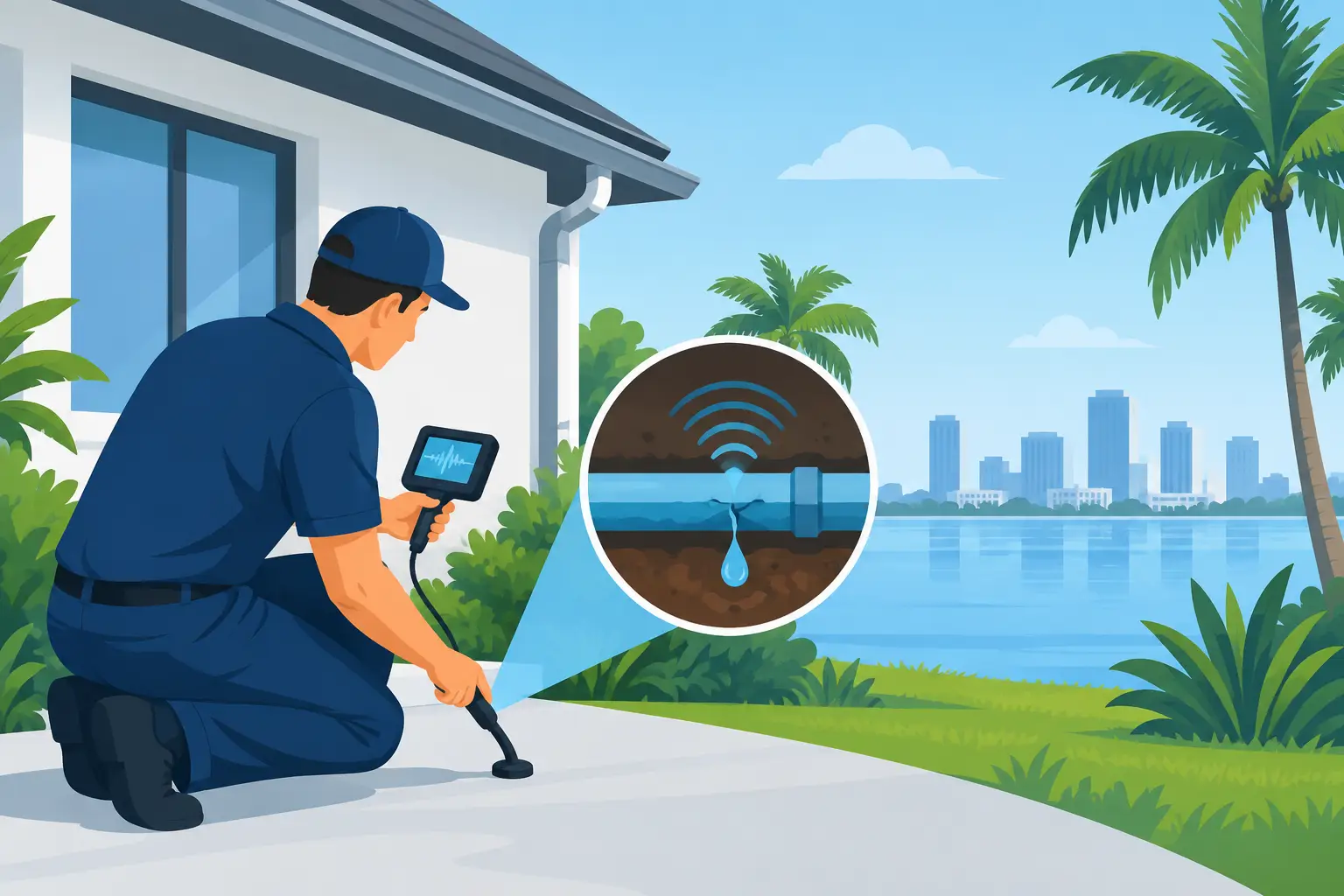
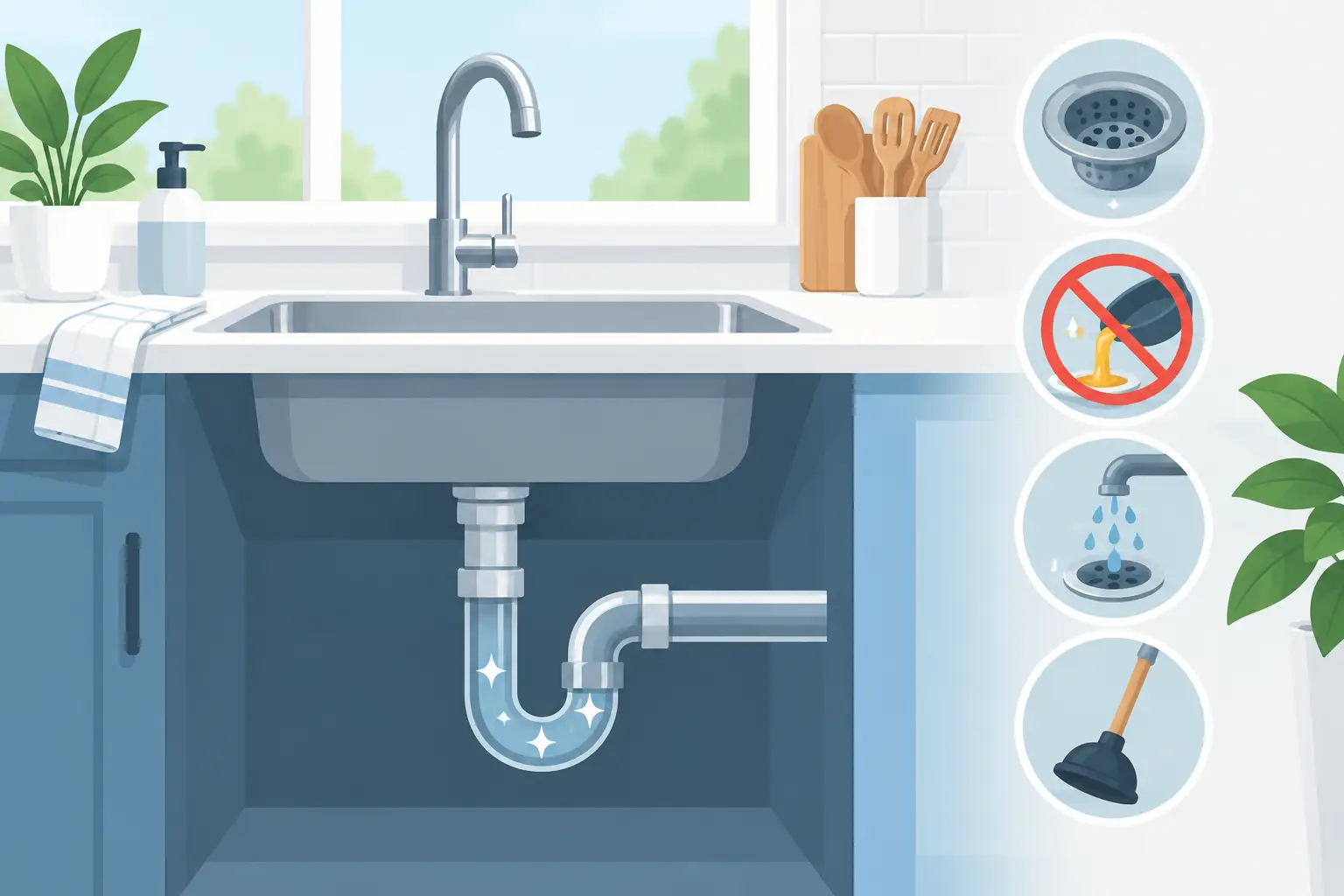
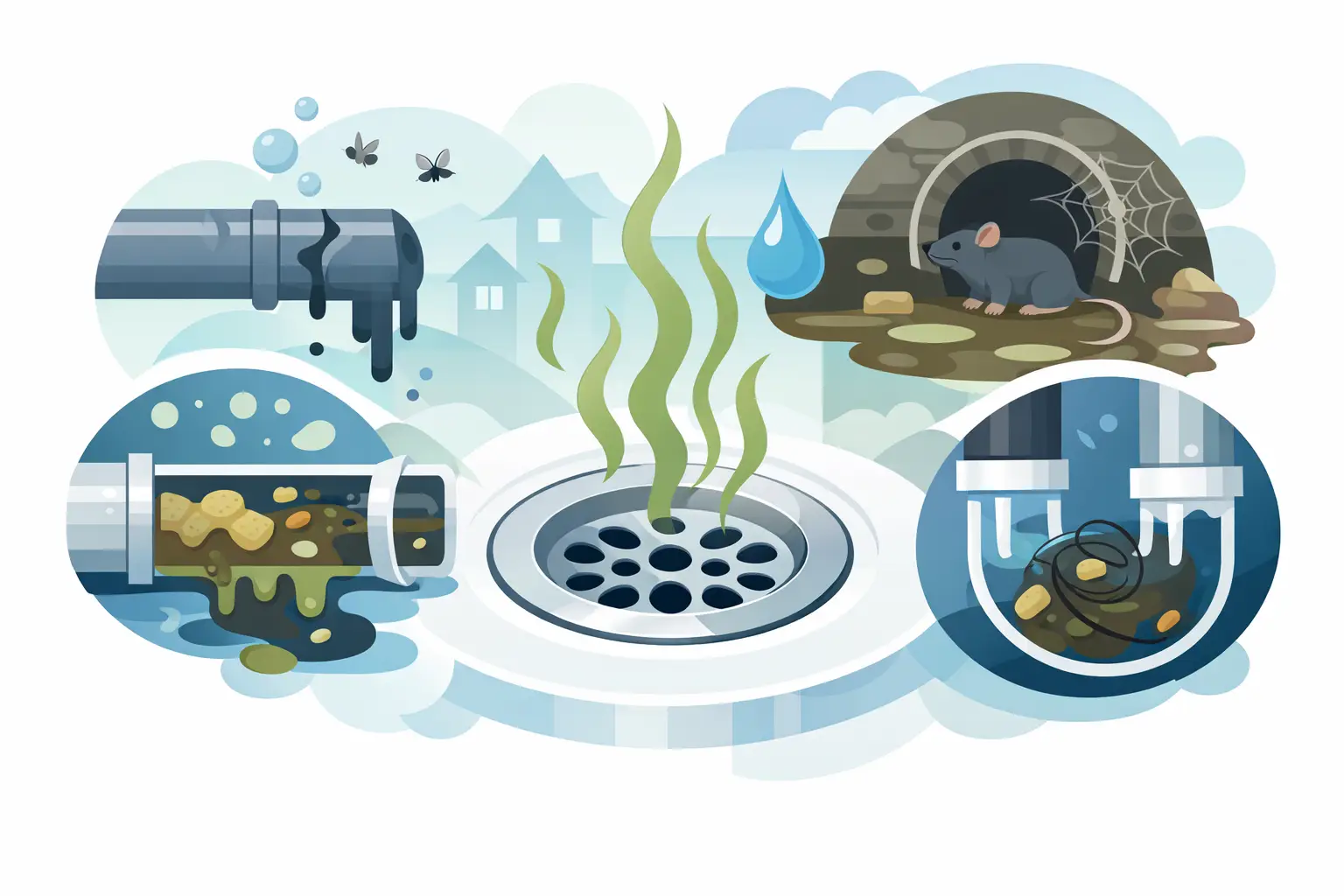
Supply pipes get a lot of attention, but drain and sewer problems can be even more disruptive. Older homes may have cast iron, clay, or Orangeburg sewer lines that are prone to corrosion, cracking, bellies, or root intrusion. If you are dealing with slow drains in multiple fixtures, sewage odors, frequent backups, or soggy spots in the yard, the sewer line should move high on the priority list.
This upgrade matters because drain issues tend to escalate. A line that barely keeps up today can become a full backup tomorrow. In many cases, a camera inspection will reveal whether the line needs repair, spot replacement, or full replacement.
For some properties, trenchless sewer repair is the best fit because it can reduce digging and disruption. In others, traditional excavation is still the right solution, especially when the pipe has collapsed or the layout is difficult. The right choice depends on the pipe material, the damage, and access around the property.
3. Upgrading to a modern water heater
An older water heater often works harder while delivering less. Sediment buildup, reduced heating efficiency, and internal wear can lead to inconsistent hot water, rising energy costs, and eventual failure. If your unit is aging, leaking, or struggling to keep up with demand, replacement is usually smarter than repeated repairs.
A newer tank water heater can provide better efficiency and more dependable performance. In some homes, a tankless unit is worth considering, especially if saving space and reducing standby energy use are priorities. But tankless is not automatically better for every property. It depends on household hot water demand, fuel type, plumbing layout, and budget.
For older homes, installation details matter. Gas line capacity, venting, water quality, and electrical requirements can all affect the final setup. A good replacement should not just fit the space. It should fit how the property is actually used.
4. Installing a pressure-reducing valve and shutoff upgrades
High water pressure feels great in the shower, but it can be rough on older plumbing. Excessive pressure puts strain on pipes, supply lines, valves, water heaters, and appliances. In an older home, that extra stress can speed up leaks and shorten the life of the entire system.
If testing shows pressure is too high, installing or replacing a pressure-reducing valve can help protect the home. Pairing that with updated main shutoff valves and fixture shutoffs is a smart move. When a leak starts, fast isolation matters. An old frozen valve that will not turn is no help during an emergency.
This is not the flashiest upgrade, but it is one of the most practical. It protects everything downstream and gives you more control when repairs are needed.
5. Replacing outdated fixtures and supply connections
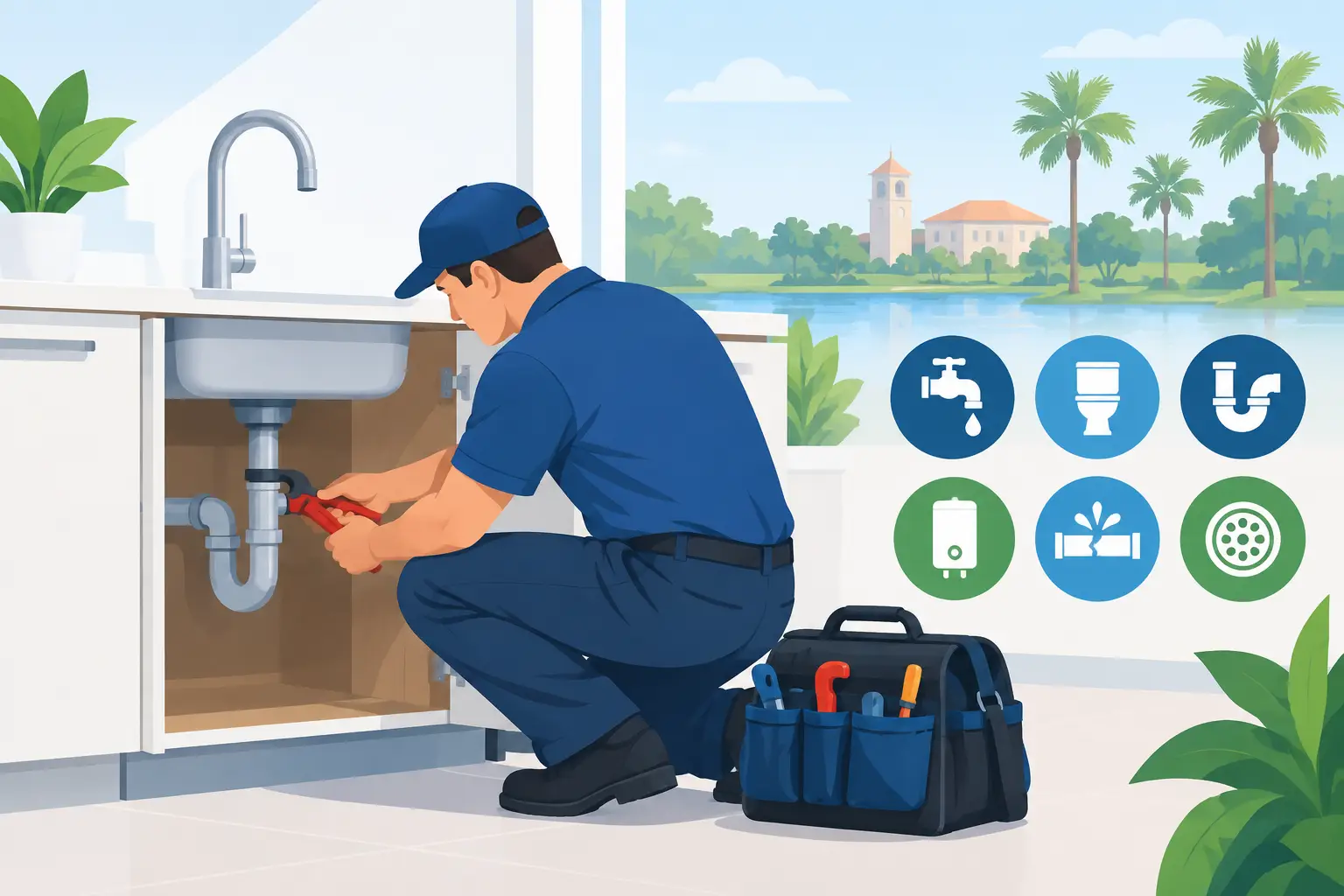
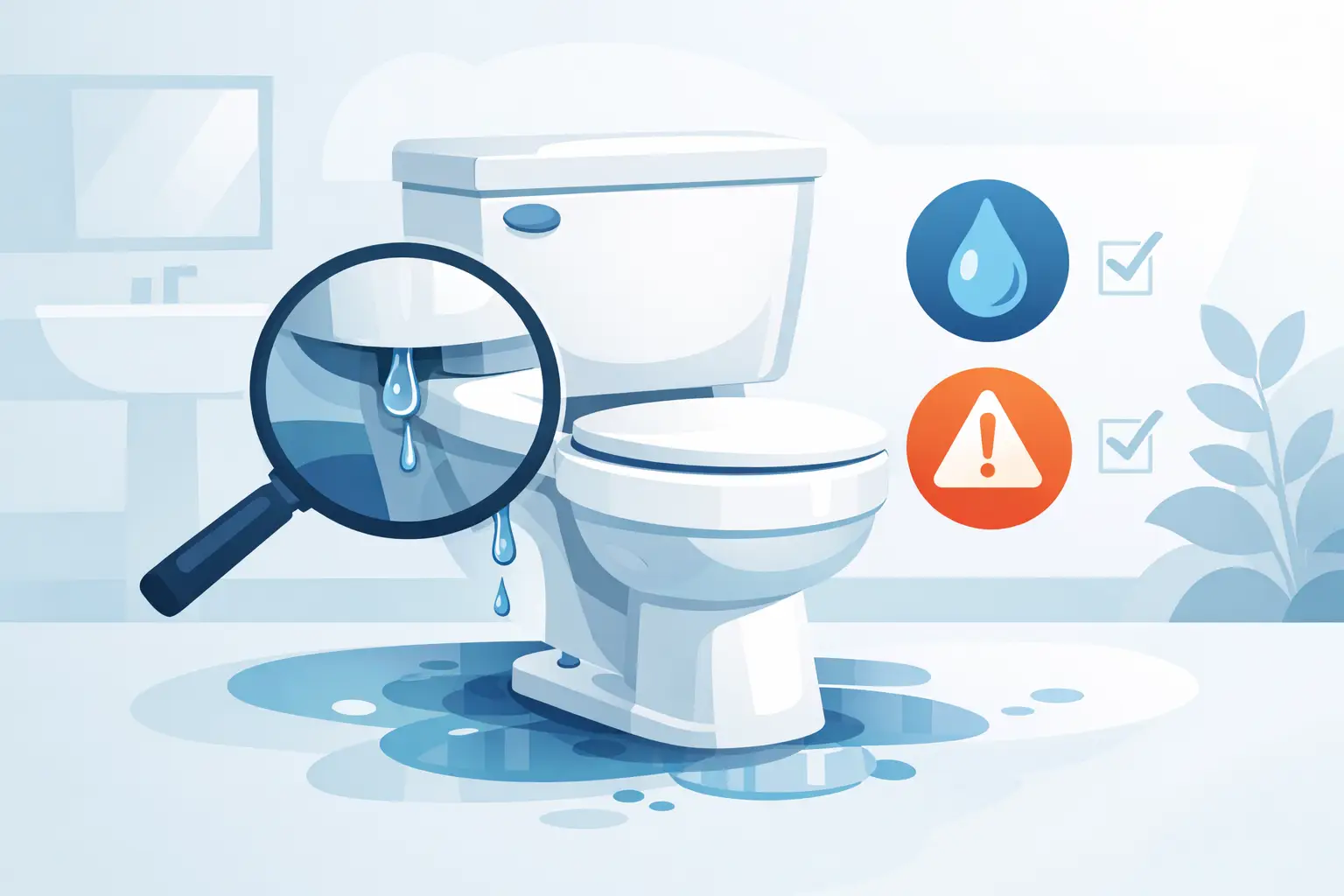
Sometimes the most effective improvements are the ones you use every day. Old faucets, toilets, shower valves, and under-sink supply lines can waste water, leak slowly, or fail without much warning. If fixtures are outdated or unreliable, replacement improves both function and efficiency.
Toilets are a good example. Older models often use much more water per flush than current options, and worn internal parts can cause constant running. New fixtures can reduce water use while improving performance. Likewise, replacing brittle supply lines and worn shutoff valves under sinks and behind toilets can prevent the small failures that turn into expensive water damage.
For landlords and property managers, this upgrade also has a maintenance benefit. Standardizing fixture models across units can simplify future repairs and reduce downtime.
6. Adding leak detection and water protection
Older homes are more vulnerable to hidden leaks, especially around aging pipes, slab plumbing, water heaters, and appliance connections. A smart leak detection system or automatic water shutoff device can provide early warning or even stop water flow when a major leak is detected.
This kind of upgrade is especially useful for second homes, rental properties, and households where plumbing issues may go unnoticed for hours. It will not replace proper repairs, but it can limit damage when something fails unexpectedly.
For many owners, the value is peace of mind. Water damage is expensive, disruptive, and often far more involved than the plumbing repair itself. Early detection changes that equation.
7. Improving water quality with filtration
Not every older-home plumbing issue is about leaks or flow. In some properties, hard water, sediment, or taste and odor concerns make daily use less pleasant and can shorten the life of fixtures and appliances. A whole-home filtration system or targeted treatment setup can improve water quality and reduce mineral-related wear.
This upgrade makes the most sense when there is a confirmed water quality issue or recurring scale buildup. It is less about emergency prevention and more about long-term performance and comfort. Still, in homes with older plumbing, better water quality can help reduce stress on the system over time.
How to prioritize plumbing upgrades in an older home
Not every upgrade belongs at the top of the list. If the home has active leaks, low pressure, backups, or an aging water heater close to failure, those should usually come before cosmetic fixture changes. Start with the components that can damage the property, interrupt daily life, or create a health and sanitation issue.
After that, look at efficiency and convenience. Updated fixtures, filtration, and monitoring systems may not be urgent, but they can still be worthwhile when paired with bigger repairs. The best results usually come from building a plan instead of reacting one problem at a time.
When professional inspection matters most
Older plumbing systems rarely tell a simple story. What looks like one isolated issue can point to larger wear in the system. Low pressure might be pipe corrosion. A recurring clog might be a sewer line problem. A leaking water heater may also reveal outdated shutoffs or expansion issues nearby.
That is why a full inspection matters before committing to major work. A clear estimate, honest recommendations, and a repair-first mindset help you spend where it counts. For Central Florida property owners, having a trusted local plumber who can respond quickly and handle everything from repiping to sewer work makes that process much easier.
At The Flush Club, that means helping customers understand what needs attention now, what can wait, and which upgrades will give the best long-term return. In an older home, the right plumbing upgrade is not always the biggest one. It is the one that makes the home safer, more reliable, and easier to live with every day.