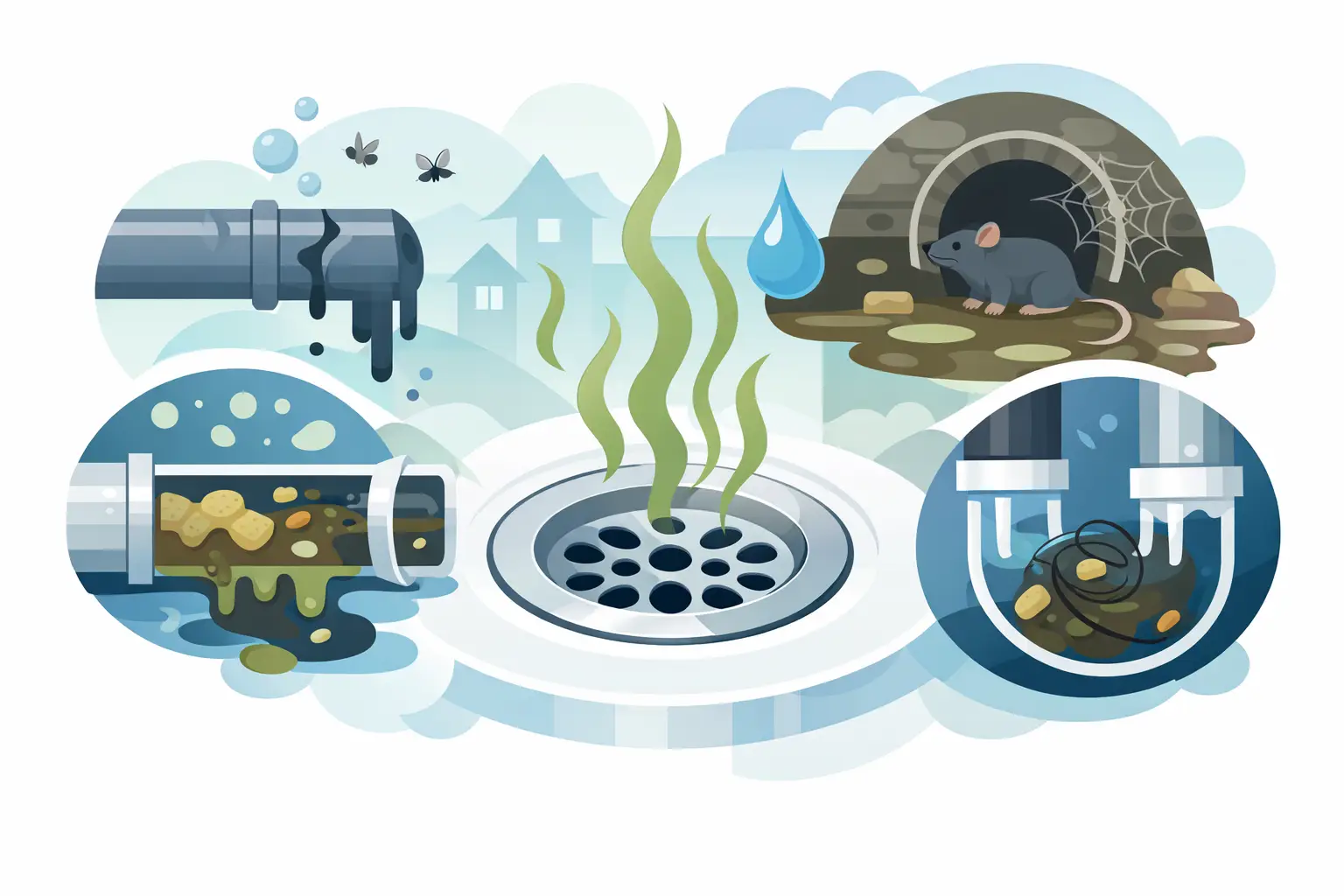
A sewer line problem usually starts with a few signs people hope will go away – slow drains, bad smells, soggy spots in the yard, or backups that keep coming back. This guide to trenchless sewer replacement is for property owners who need a clear, honest explanation of what the process involves and whether it makes sense for their home or building.
What trenchless sewer replacement actually means
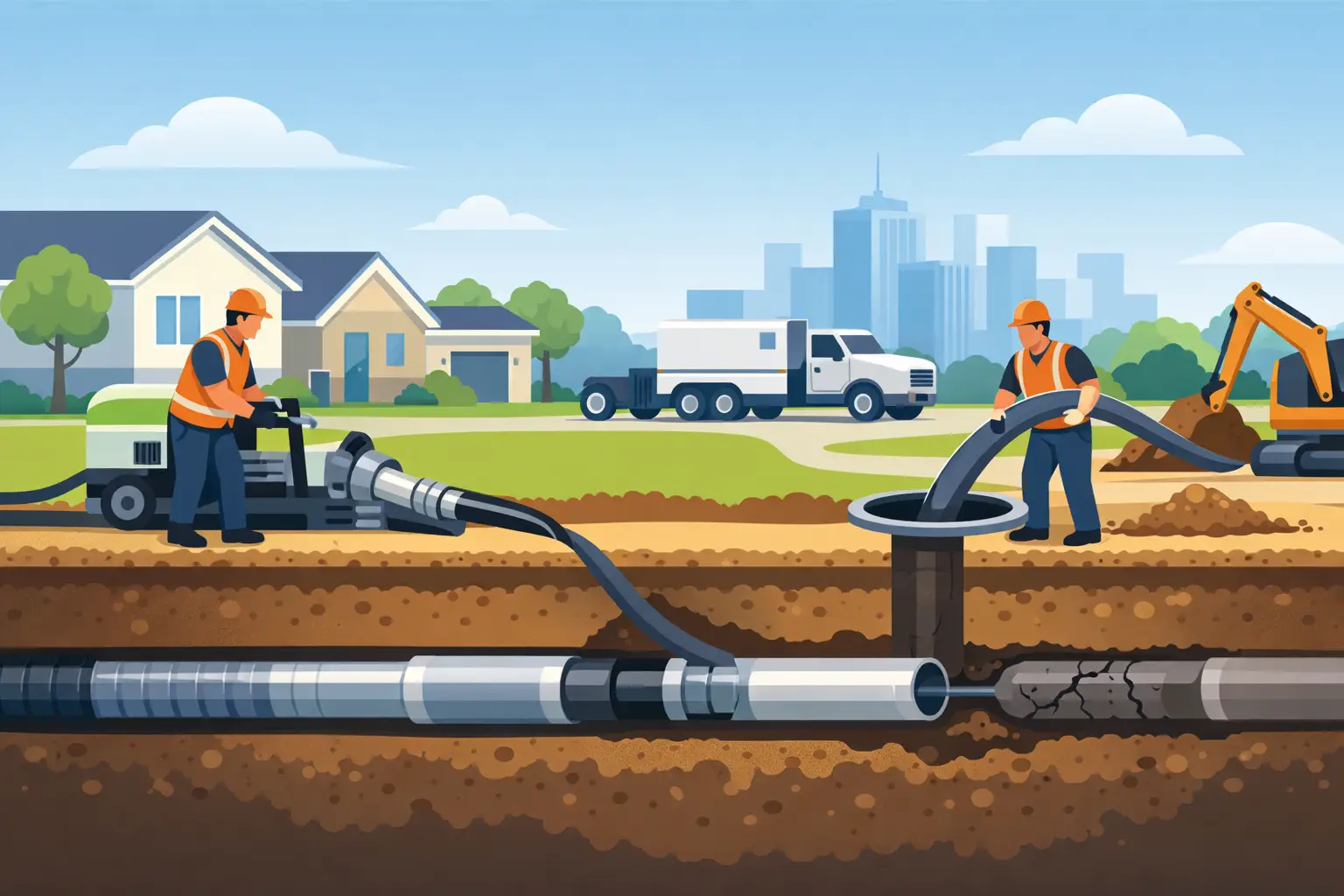
Trenchless sewer replacement is a way to repair or replace a damaged sewer line without digging a long trench across your yard, driveway, landscaping, or parking area. Instead of excavating the full length of the pipe, plumbers use specialized equipment to access the line through one or two entry points.
That matters because the biggest cost in sewer work is not always the pipe itself. It is often the disruption around it. Traditional excavation can mean torn-up grass, broken concrete, damaged irrigation, and extra restoration work after the plumbing is done. A trenchless approach is designed to reduce that damage while still solving the underlying problem.
For many Central Florida properties, that reduced disruption is the main reason people ask about trenchless options. If your sewer line runs under a driveway, mature trees, patios, or business access areas, avoiding major digging can save time and stress.
A guide to trenchless sewer replacement methods
There are two main trenchless methods used in sewer work, and the right one depends on the condition of the existing pipe.
Pipe lining
Pipe lining, sometimes called cured-in-place pipe lining, creates a new pipe inside the old one. A flexible liner coated with resin is inserted into the damaged sewer line and then hardened in place. Once cured, it forms a smooth, durable interior wall.
This option works best when the existing pipe is still structurally stable enough to act as a shell. If the line has cracks, small gaps, corrosion, or root intrusion, lining may be a strong solution. It is less ideal if the pipe has collapsed, shifted badly, or lost too much shape.
One trade-off is that lining slightly reduces the inside diameter of the pipe. In most residential situations, that is not a problem. But with heavily scaled pipes or certain commercial systems, your plumber should confirm that flow capacity will still be appropriate.
Pipe bursting
Pipe bursting replaces the old pipe by breaking it apart while pulling a new pipe into place. A bursting head is guided through the existing line, fracturing the old material outward and installing the new pipe behind it.
This method is often a better fit when the original sewer line is too damaged for lining. If the pipe has collapsed sections or major structural failure, bursting may provide a more complete replacement.
The main consideration is space. Pipe bursting requires access points and enough room for the equipment. It also may not be the best choice in every location, especially where nearby utilities, tight clearances, or unusual site conditions create risk.
When trenchless sewer replacement is a good option
Trenchless methods are often a smart choice when you want a long-term repair without the major property damage that comes with full excavation. They are commonly used for recurring sewer backups, root-damaged lines, aging cast iron or clay pipes, and buried lines under hardscaping.
It can also be a good fit for rental properties and small commercial buildings where downtime matters. If tenants, customers, or staff rely on working restrooms and drainage, a faster and less invasive repair process has real value.
That said, trenchless is not automatically the right answer every time. If a sewer line has severe belly issues, poor slope, multiple collapses, or layout problems that need redesign, traditional excavation may still be necessary. The best contractors will say that plainly instead of forcing a trenchless method where it does not belong.
The inspection comes first
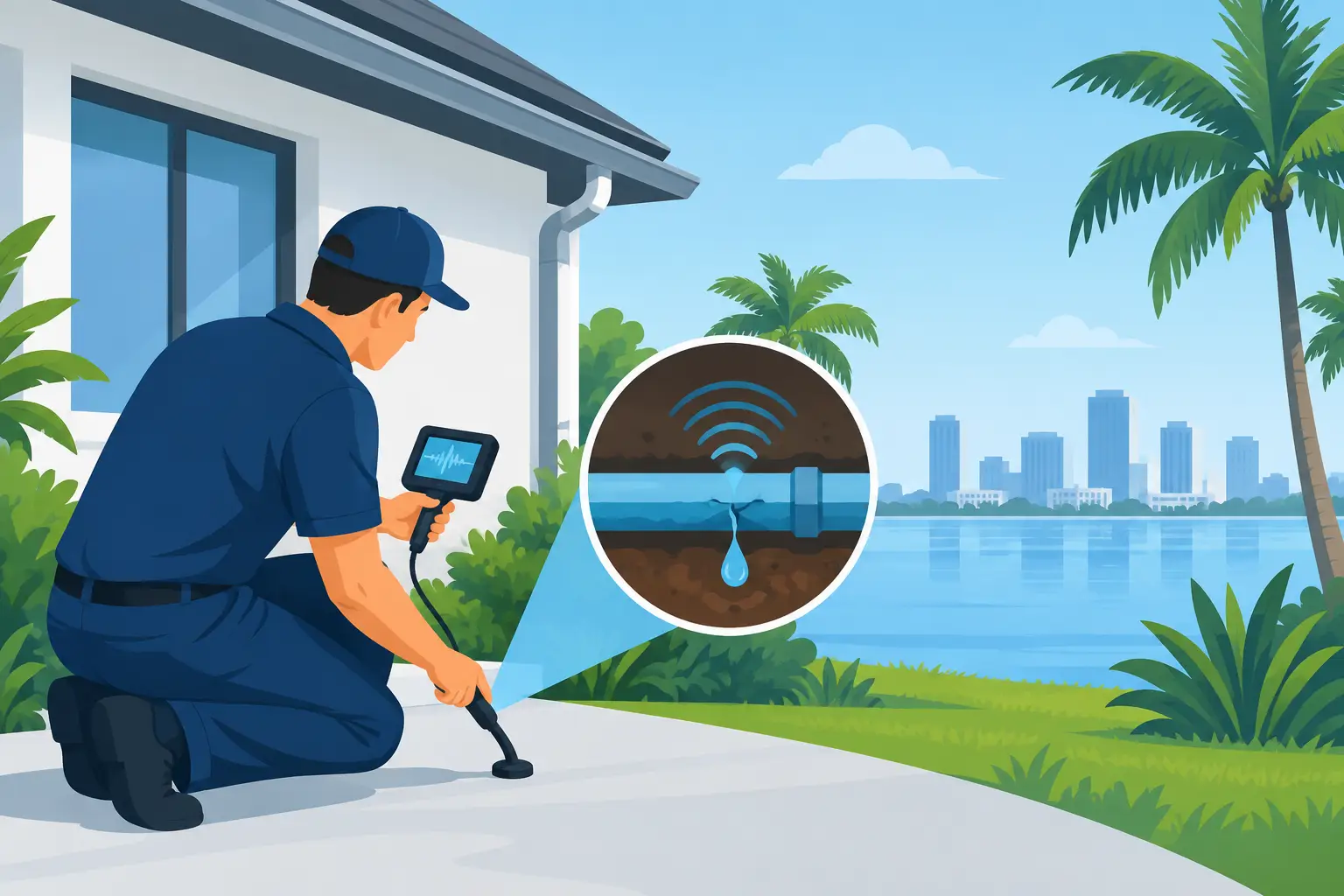
Before anyone can recommend replacement, the line needs to be inspected. A sewer camera inspection shows the actual condition of the pipe, where the damage is located, how long the affected section is, and whether the line is a candidate for lining or bursting.
This step is where honest pricing and clear communication matter most. Without an inspection, any sewer estimate is just a guess. A proper evaluation should identify the cause of the problem, not just the symptom. For example, repeated backups might come from roots, grease buildup, a broken section, offset joints, or a belly in the line. Those problems do not all have the same fix.
A reliable plumber should be able to explain what the camera found in plain English, walk you through the options, and tell you where trenchless makes sense and where it does not.
What the process usually looks like
Most trenchless sewer replacement jobs follow a similar path. After the inspection, the line is cleaned so the interior can be prepared. Access points are identified or created, and the trenchless equipment is set up. The new liner or replacement pipe is then installed, tested, and verified with a final camera inspection.
For homeowners, the practical question is usually this: how long will this take? Many trenchless jobs can be completed faster than traditional excavation, sometimes within a day, though larger or more complex projects may take longer. The timeline depends on pipe length, access, soil conditions, permitting, and whether there are complications such as multiple damaged sections.
You may also need to limit water use during parts of the job. A good service team will explain that upfront so you know what to expect before work begins.
Cost factors to understand
The price of trenchless sewer replacement depends on more than pipe length. The method being used, the depth of the line, access conditions, local permitting, pipe material, and the amount of prep work all affect cost.
In some cases, trenchless work costs more than a basic dig-and-replace job if you compare pipe work alone. But that comparison can be misleading. If traditional excavation means removing concrete, replacing landscaping, repairing fencing, or shutting down access to part of the property, the total project cost can climb quickly.
That is why the right question is not just, “Which option has the lower plumbing price?” It is, “Which option gives me the best overall outcome for this property?”
Transparent estimates matter here. You should know whether the quote includes inspection, cleaning, installation, testing, permit-related work, and any restoration that may still be needed around access points.
Benefits and limitations
The biggest benefits of trenchless sewer replacement are less digging, less visible damage, faster project completion in many cases, and a strong long-term result when the method is properly selected and installed.
It also tends to be easier on properties with expensive landscaping or limited access. For busy households, landlords, and business owners, minimizing disruption is often just as important as fixing the pipe itself.
The limitations are just as important to understand. Not every damaged line qualifies. Some systems need excavation because the slope is wrong or the pipe has fully failed in a way trenchless methods cannot address. And because the equipment and expertise are specialized, you need a licensed, experienced plumbing team that handles this kind of work regularly.
Questions to ask before approving the job
If you are comparing estimates, ask which trenchless method is being recommended and why. Ask whether the line was camera inspected, whether the pipe is fully replaceable without excavation, and what conditions could change the quote once work starts.
You should also ask about warranty coverage, cleanup, and what happens if the inspection reveals a larger system issue. A professional company should be comfortable answering those questions directly. If the explanation feels vague, keep looking.
For Central Florida property owners, speed matters, but accuracy matters more. A fast response is valuable when sewage is backing up, but the real goal is a repair that solves the problem for the long term. That is the standard companies like The Flush Club aim to meet – clear diagnosis, transparent recommendations, and workmanship that holds up.
Choosing the right path for your property
The best guide to trenchless sewer replacement is not a sales pitch. It is a reminder that the right repair depends on the actual condition of your sewer line, your property layout, and how much disruption you can afford. Trenchless can be an excellent solution, especially when you want to avoid major excavation, but it works best when it is chosen for the right reasons and installed by the right team.
If your drains keep backing up or your sewer line is showing signs of failure, the next smart step is a professional inspection. Once you know what is happening underground, the decision gets a lot clearer.