
A wet patch in the yard after a Central Florida rainstorm may not seem unusual. But when that patch stays soft, grows larger, or appears during dry weather, it can point to a serious problem below the surface. The question of how to know a pipe burst underground often comes down to noticing several small changes at once: higher water use, lower pressure, unexplained wet ground, or water where it should not be.
An underground pipe leak or burst is not always dramatic. A small crack in a water line can lose hundreds of gallons over time, while a fully broken pipe can quickly damage landscaping, foundations, driveways, and nearby utility areas. Acting early helps limit water waste, property damage, and repair costs.
How to Know a Pipe Burst Underground
A burst underground pipe can affect either your incoming water line or a sewer line. The signs overlap in some cases, but the type of water and location of the problem matter. A clean-water line leak usually causes high water bills, wet soil, and reduced water pressure. A sewer line break may bring foul odors, slow drains, sewage backups, or unusually green patches of grass.
The most reliable clue is a change that cannot be explained by weather, irrigation, or normal household use. If you see one warning sign, keep an eye on it. If you see several, schedule a professional inspection promptly.
Your water bill suddenly increases
A higher bill is often one of the first warnings of an underground water line leak. Compare the bill with the same month last year, especially if your household routine has not changed. Seasonal irrigation can raise usage, but a major increase without a clear reason deserves attention.
To do a quick check, turn off faucets, appliances that use water, irrigation, and outdoor spigots. Then look at your water meter. If the leak indicator is moving or the meter continues to register usage, water may be escaping somewhere on the property. This test cannot identify the exact location, but it tells you that a hidden leak is possible.
You find soggy ground or a growing wet spot
Standing water, muddy soil, or grass that feels spongy underfoot can signal a broken pipe beneath the yard. Pay close attention to wet areas that remain after surrounding soil has dried. A clean-water leak may create a clear puddle, while a sewer issue can produce darker water, unpleasant smells, or a patch of unusually thick, green grass.
Do not assume every wet spot is plumbing-related. Florida’s heavy rain, poor drainage, sprinkler overspray, and air conditioner condensate can all create damp areas. The concern rises when the wet area returns repeatedly, expands, or appears near the route of your water or sewer line.
Water pressure drops throughout the property
When a water line breaks underground, some of the water intended for your home escapes into the soil. You may notice weaker flow at showers, faucets, or hose bibs. If only one fixture has low pressure, the issue could be a clogged aerator, shutoff valve, or fixture-specific repair. If pressure drops at multiple fixtures, the main water line deserves investigation.
Low pressure can also come from municipal supply changes or a failing pressure regulator. That is why a licensed plumber should test the system rather than guess based on one symptom.
You hear water when nothing is running
A rushing, hissing, or faint running-water sound near the foundation, garage, sidewalk, or meter can be a sign of a pressurized water line leak. This is easier to hear late at night, when appliances and traffic are quiet.
Not every sound means a pipe has burst. Water softeners, ice makers, toilets, and irrigation controls may cycle automatically. Still, if the sound continues after you have shut off known water-using fixtures, treat it as a reason to investigate quickly.
Your driveway, walkway, or foundation shows new movement
Water escaping underground can wash away or soften the soil that supports concrete. You may see fresh cracks, settling pavers, sunken areas, or unexplained gaps along a driveway, patio, or sidewalk. In severe cases, a leak beneath or beside a slab can affect the foundation area.
Concrete cracks are not always caused by plumbing. Soil movement, tree roots, heat, and age also play a role. However, new cracking combined with a high water bill or wet ground should never be ignored.
Drains slow down and sewer odors appear
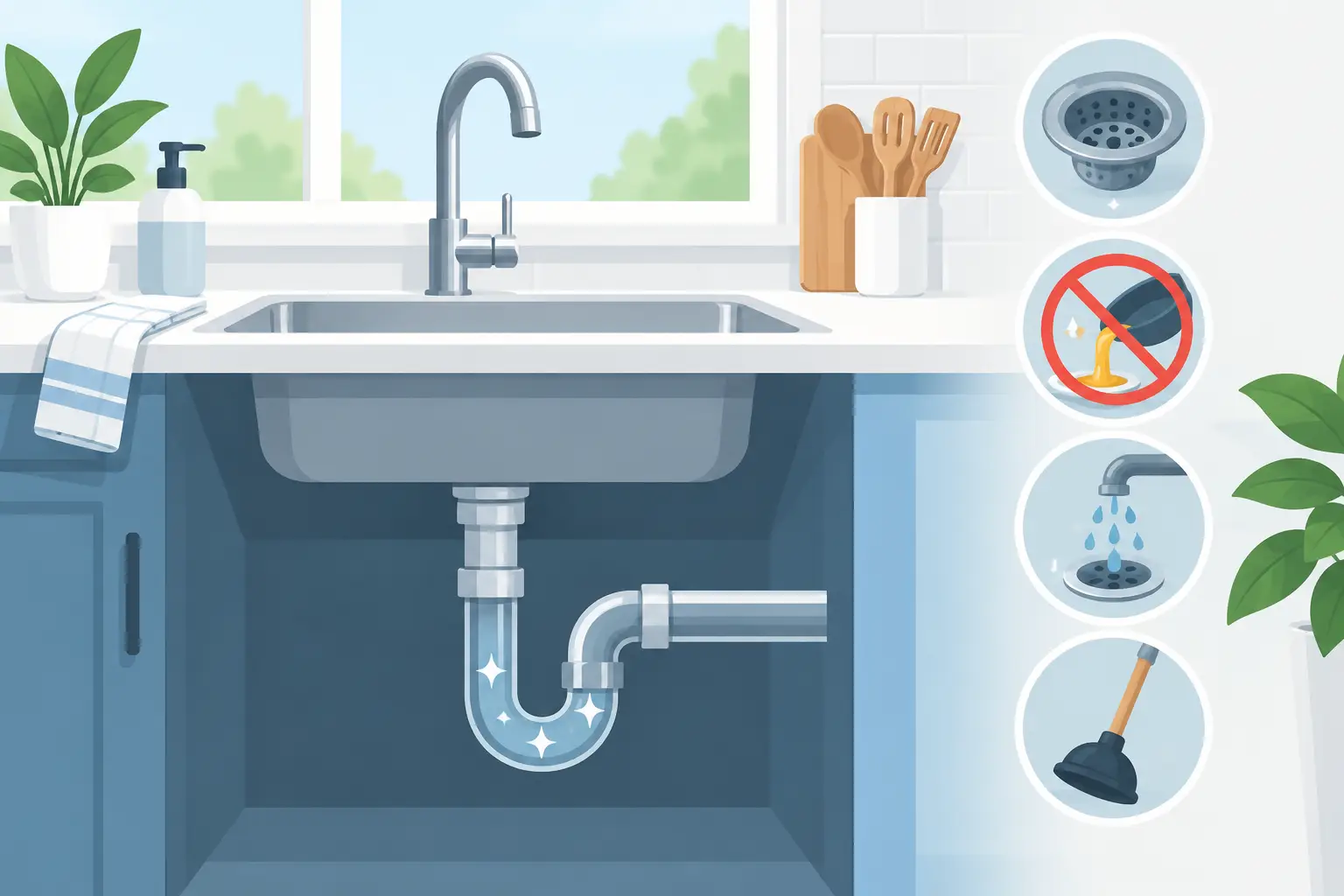
If the damaged line is a sewer pipe, the signs may show up inside before they become visible outside. Multiple slow drains, toilets that gurgle, recurring backups, or sewage odors around the yard can point to a damaged or blocked sewer line.
A clog can produce similar symptoms, so this is a situation where proper diagnosis matters. Camera inspection can help identify whether the line is blocked by roots, cracked, separated, collapsed, or leaking underground. The right repair depends on what the inspection finds.
What to Do If You Suspect an Underground Burst Pipe
Start by limiting water damage without taking unnecessary risks. If water is pooling rapidly, pressure has dropped sharply, or you can see water coming up from the ground, turn off the home’s main water supply if you can safely access it. Avoid digging into the area yourself. Underground utilities, irrigation lines, and electrical components may be nearby.
Next, keep people and pets away from soft ground, especially around a possible sewer leak. Do not drive vehicles across a saturated patch of lawn or a sinking driveway. The added weight can worsen damage and make the repair area less stable.
Take a few photos and note when you first saw the problem. Check your water meter after turning off water use, but do not delay calling for help if the leak appears active. For a suspected sewer break, reduce water use inside the property until the line is assessed. Running laundry, showers, dishwashers, or repeated toilet flushes can make a backup worse.
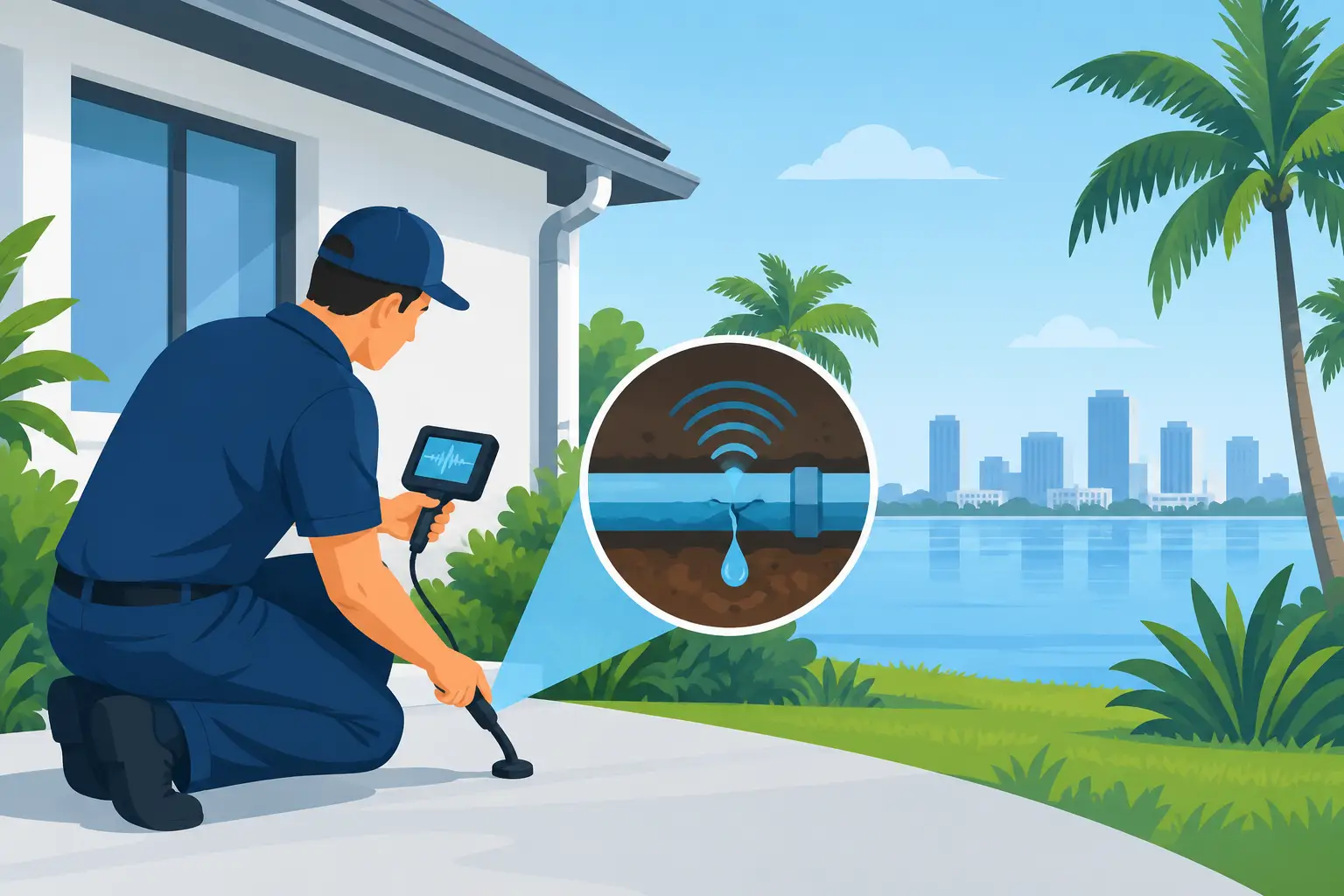
A professional plumber can pressure-test the water line, inspect the meter, use electronic leak detection, or perform a sewer camera inspection. These methods locate the problem more accurately than digging based on a wet spot alone. That matters because the visible water may travel several feet from the actual break.
Repair Options Depend on the Pipe and Location
Underground pipe repair is not automatically a full-yard excavation. The best approach depends on the pipe material, depth, damage type, access, and whether the line is water, sewer, or irrigation.
For a localized water line break, a targeted excavation may be the fastest, most cost-effective option. If a sewer line has widespread root intrusion, multiple cracks, or aging pipe, trenchless repair may reduce disruption to landscaping, hardscapes, or driveways. In other cases, replacement is the better long-term choice, particularly when old piping has failed in more than one area.
A clear inspection-to-estimate process is valuable here. You should know what was found, why a repair method is recommended, what the work involves, and what costs to expect before the work begins. Fast service matters, but a repair should also address the underlying condition rather than simply cover up the symptom.
When to Treat It as a Plumbing Emergency
Call for urgent plumbing service when water is actively surfacing, your meter indicates continuous usage with everything off, water pressure suddenly falls across the building, or sewage is backing up into drains or the yard. Commercial property managers should act just as quickly, since a hidden leak can disrupt tenants, customers, operations, and utility costs.
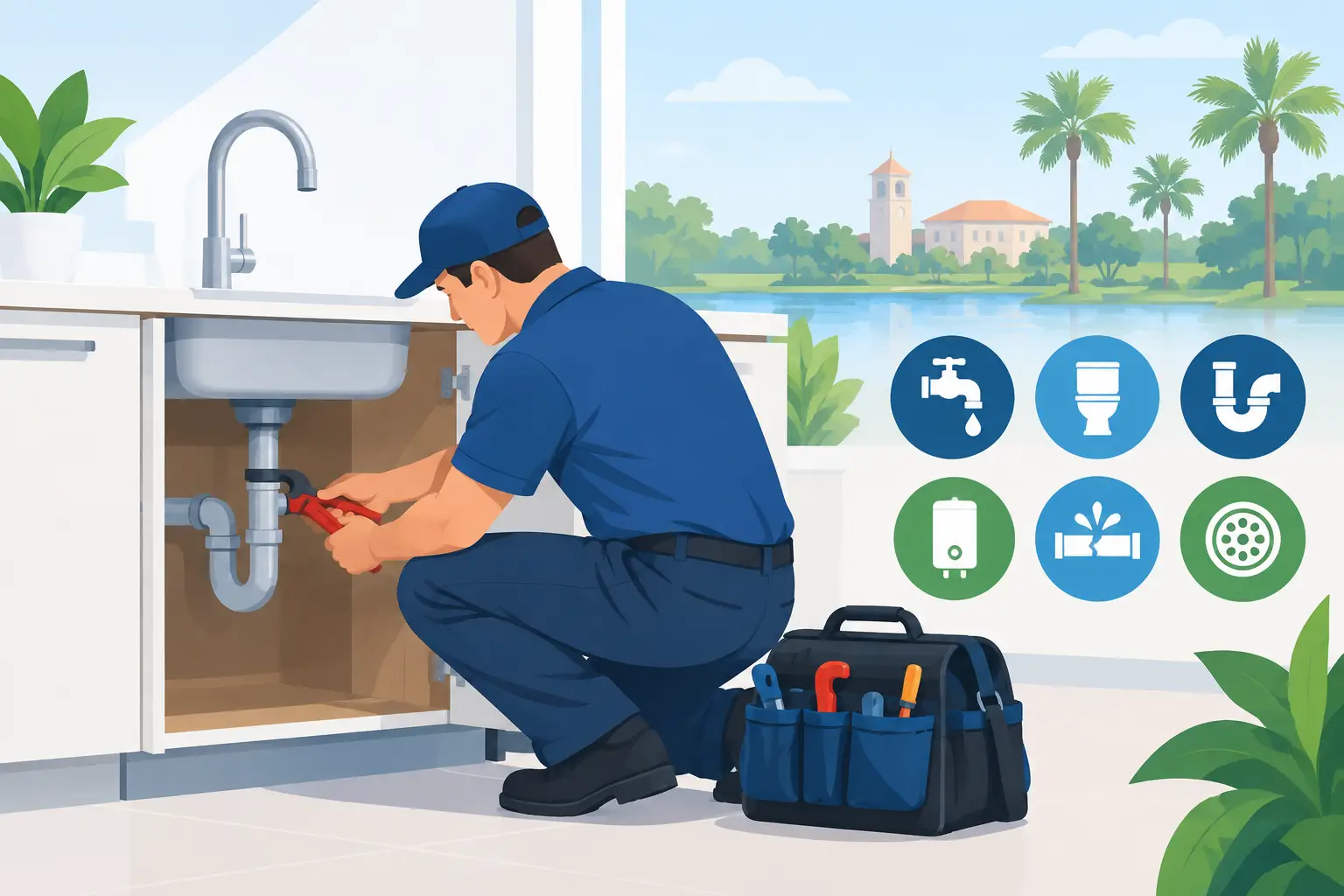
For less obvious signs, such as a gradually rising bill or a small persistent wet spot, schedule an inspection before the issue becomes an emergency. The Flush Club provides fast-response plumbing support for Central Florida homes and businesses, including water line and sewer diagnostics, repair, and replacement.
Underground plumbing problems are easy to miss because the damage starts where you cannot see it. Trust the pattern: unexplained water use, wet ground, pressure changes, odors, and shifting soil are all your property asking for attention. Getting a professional diagnosis early gives you the best chance to protect your water supply, your yard, and the structure you depend on.