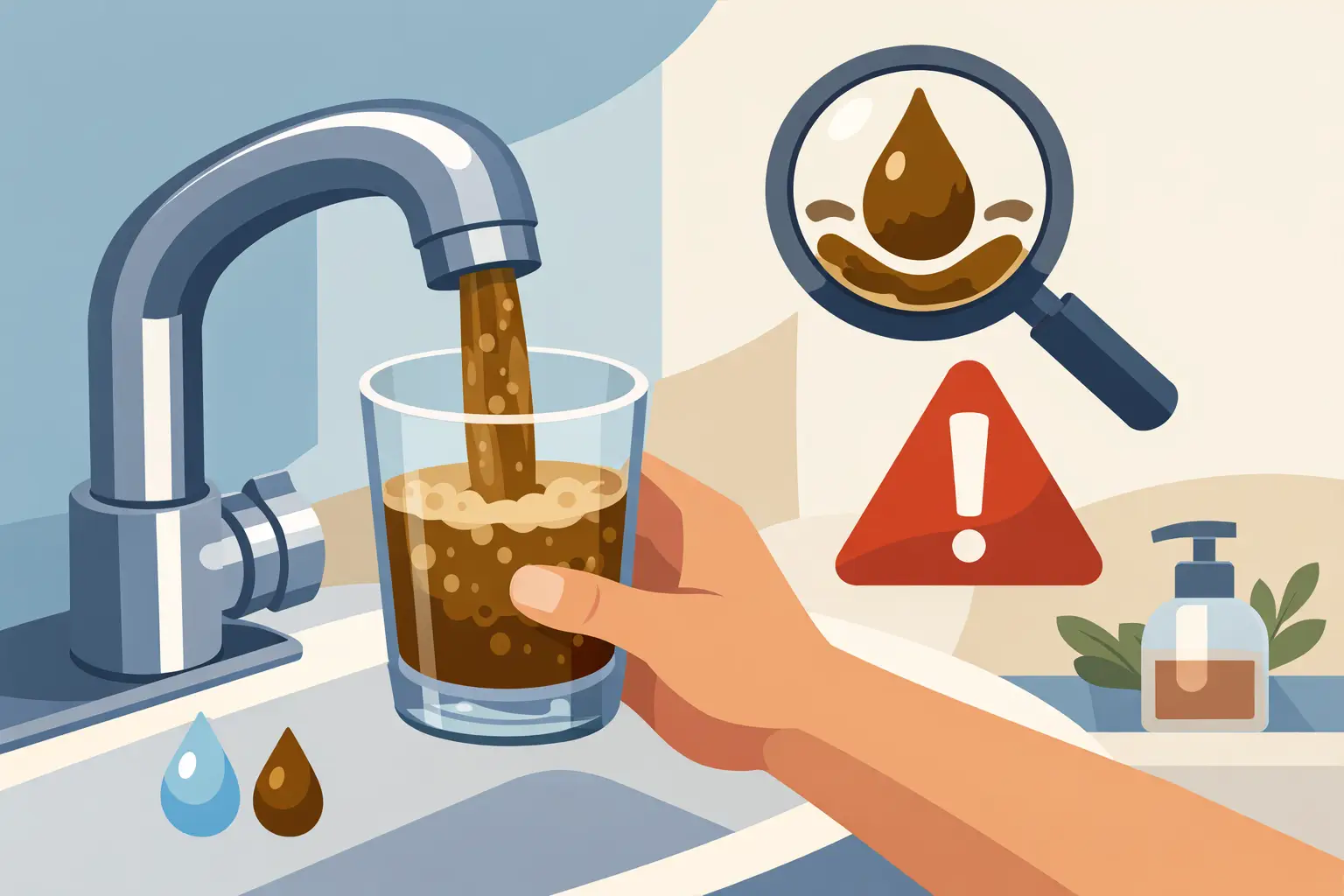
A glass of brown water from the kitchen faucet can make anyone stop mid-pour. So, is brown tap water dangerous? Sometimes it is a short-term nuisance caused by disturbed sediment or rusty plumbing. Other times, it can point to a problem that deserves immediate attention, especially if the color is sudden, persistent, oily-looking, or accompanied by an unusual odor.
The safest response is simple: do not drink, cook with, or give discolored water to pets until you have a better idea of the cause. Brown water is not always an emergency, but it is never something to ignore.
Is Brown Tap Water Dangerous for Your Household?
Brown tap water often gets its color from iron, rust, manganese, sediment, or disturbed mineral deposits. These can enter the water when city crews flush mains, a nearby water main breaks, pressure changes occur, or older pipes corrode from the inside.
Iron and manganese are common in groundwater and may leave water yellow, orange, brown, or even black. At typical levels, they are more likely to cause staining, metallic taste, and appliance problems than an immediate health threat. However, color alone cannot confirm that the water is safe. It does not rule out contamination, corroding pipes, or issues with a private well.
Treat brown water as a warning sign rather than a diagnosis. If it clears quickly and a local utility has reported maintenance or flushing, the cause may be temporary. If it continues, occurs only at one fixture, or starts after a plumbing repair, a professional inspection can identify whether the issue is inside your property or coming from the public supply.
When Brown Water Requires Immediate Action
Stop using the water for drinking and food preparation if it appears suddenly throughout the building, especially after a loss of water pressure, flooding, a water main break, or sewage backup. Use bottled water until your water provider or a qualified plumber confirms the situation is resolved.
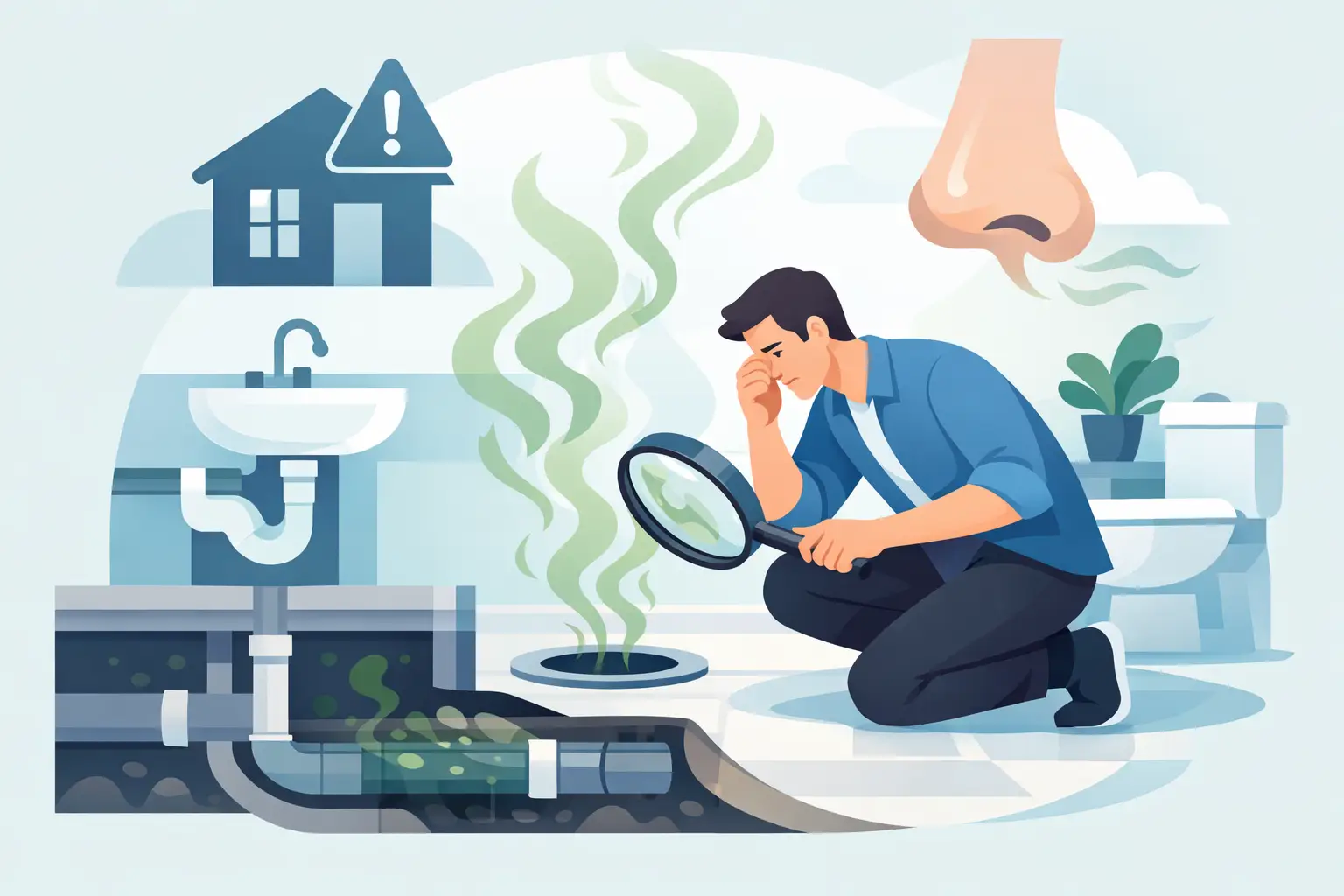
Call for prompt plumbing help when brown water comes with a rotten egg smell, sewage odor, oily sheen, visible particles, black flecks, or a major change in taste. These symptoms can indicate more than ordinary rust. They may involve a failing water heater, contamination in a well system, deteriorating pipes, or a cross-connection issue that needs professional testing.
For commercial properties, discolored water can also affect tenants, employees, customers, ice machines, coffee equipment, and food service operations. Property managers should document when the issue began, which fixtures are affected, and whether nearby buildings have the same problem. That information can speed up the diagnosis.
Why Is My Tap Water Brown?
The location and timing of the discoloration tell an important part of the story.
Brown Water From Every Faucet
If both hot and cold water are brown at multiple fixtures, the issue may be in the municipal water supply, the main water line, a well, or a whole-property filtration system. Construction work, hydrant use, pressure changes, and water main repairs can stir up sediment that was sitting in distribution pipes.
In Central Florida, homes on private wells may also see brown water when iron, manganese, tannins, or sediment levels change. Heavy rainfall, well pump issues, a damaged well component, or a filter that is overdue for service can contribute. Private well water should be tested when discoloration persists or changes noticeably.
Before assuming the city supply is at fault, check with nearby neighbors or your water utility. If their water is clear, the problem is more likely on your side of the meter.
Brown Water From Hot Water Only
When cold water runs clear but hot water is brown, the water heater is a likely suspect. Sediment can collect in the bottom of the tank over time. Corrosion inside an aging tank, or a failing anode rod, can also discolor hot water.
A water heater inspection can determine whether flushing the tank may help or whether the unit is nearing failure. Do not ignore brown hot water paired with leaking, popping sounds, inconsistent temperature, or rusty water around the tank. Those signs can indicate a repair or replacement is needed before a small issue becomes a damaging leak.
Brown Water at One Faucet or Fixture
If discoloration appears at only one sink, shower, or appliance connection, it may be caused by a corroded fixture, supply line, aerator, or a section of aging pipe near that fixture. Remove and rinse the aerator only if you can do so safely, then run cold water for a few minutes to see whether the color improves.
If the problem returns, avoid repeated guesswork. A plumber can inspect the fixture and supply piping to determine whether a localized repair will solve it.
What to Do When Your Water Turns Brown
First, avoid drinking or cooking with the water until the source is clearer. This includes making baby formula, filling pet bowls, brewing coffee, and making ice. Boiling brown water does not remove rust, sediment, metals, or many chemical contaminants. In some situations, boiling can concentrate certain contaminants instead.
Next, determine whether the discoloration affects hot water, cold water, or both. Run cold water briefly at a tub faucet, since it does not have a small aerator that can trap sediment. Do not run water for an extended period if you suspect a broken pipe, have no water pressure, or notice signs of a leak.
Check for local notices about water main work, hydrant flushing, or boil-water advisories. If there is an official advisory, follow it exactly. A boil-water advisory is not the same as a discolored-water notice, and each requires a different response.
Finally, protect your plumbing equipment. Avoid running the dishwasher, washing machine, ice maker, or water heater while the water is heavily discolored. Sediment can clog appliance screens, stain laundry, and shorten the life of valves and fixtures.
Can You Shower or Wash With Brown Water?
It depends on the cause and the severity of the discoloration. Light rust-colored water caused by a known utility flushing event is often less concerning for bathing than it is for drinking. Still, it can stain tubs, towels, light-colored hair, and laundry.
Do not bathe in brown water if there is a sewage smell, chemical odor, oily film, official contamination notice, or any reason to believe the water may be unsafe. Young children, older adults, and people with compromised immune systems should be especially cautious when water quality is uncertain.
For washing clothes, wait until the water is clear. Brown water can leave permanent rust stains, especially on white fabrics. If a load has already been stained, do not put it in the dryer before treating it. Heat can set the stain.
How a Professional Finds the Cause
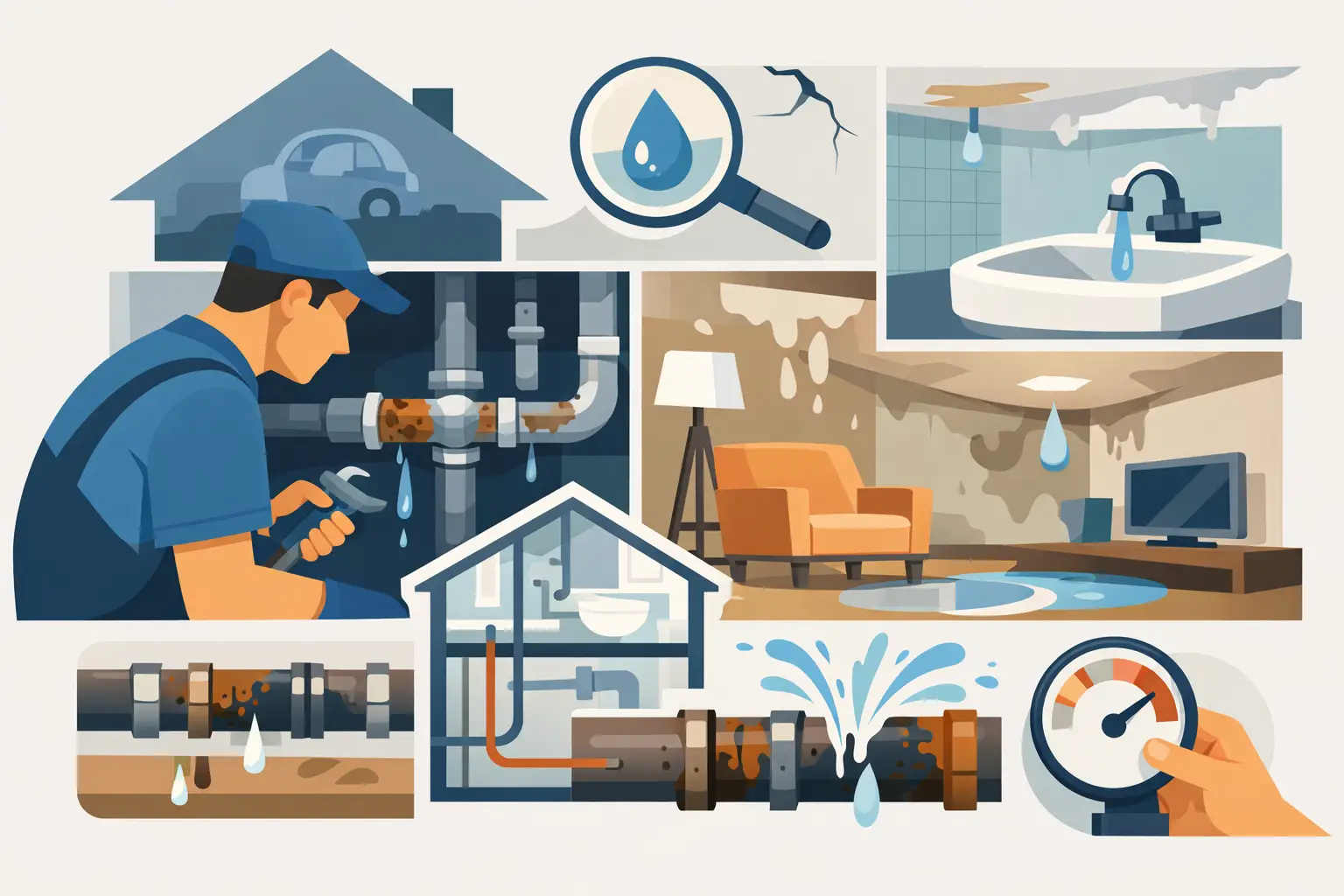
A reliable diagnosis starts with narrowing down where the discoloration begins. A plumber may inspect fixtures, shutoff valves, visible supply lines, water heater components, pressure conditions, filtration equipment, and the water line serving the building. For well systems, the inspection may include the pump, pressure tank, treatment equipment, and a recommendation for water testing.
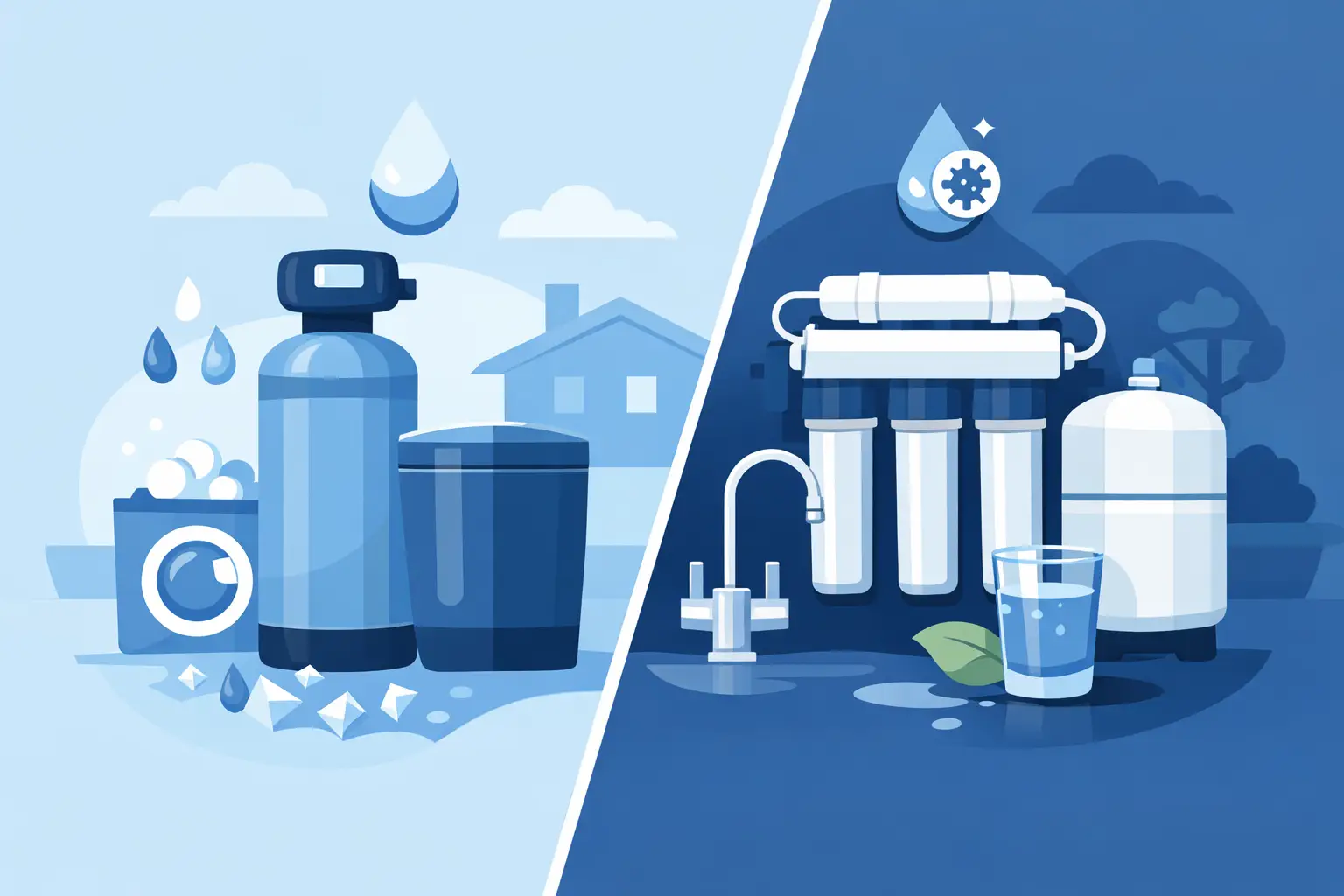
The right solution depends on the source. It may be as simple as clearing sediment after utility work. It may require water heater service, replacement of corroded piping, a water line repair, well pump service, or properly sized filtration and treatment equipment. A lasting fix should address the source of the discoloration, not just mask the color at one faucet.
The Flush Club helps Central Florida homeowners, property managers, and businesses identify water quality-related plumbing issues with clear communication and upfront estimates before work begins.
Brown water is unsettling because you cannot diagnose it by appearance alone. Use bottled water when safety is uncertain, watch for changes in odor and pressure, and get qualified help if the color does not clear quickly. A timely inspection can protect your water supply, plumbing system, and peace of mind.