
A heavy Central Florida storm can expose a sump pump problem long before anyone sees water on the floor. When you are comparing sump pump reviews, the goal is not simply to find the highest star rating. It is to identify equipment and installation service that will move water reliably when rain, groundwater, or a drainage issue puts your property at risk.
A five-star review can be encouraging, but it does not automatically mean a pump is right for your home, rental property, or business. The best choice depends on the amount of water involved, the depth and condition of the pit, the discharge route, available power, and whether the system needs backup protection. Reading reviews with those details in mind helps you make a better decision before an urgent repair becomes a cleanup project.
What Sump Pump Reviews Actually Tell You
Reviews are most useful when they describe what happened after the pump was installed, not just how it looked out of the box. A homeowner who reports that the pump handled repeated storms, cycled normally, and kept the area dry months later provides more useful information than a review written on delivery day.
Pay attention to comments about reliability, noise, float operation, and the pump’s ability to keep up during sustained rainfall. If several reviewers mention a unit running continuously, failing to turn off, or struggling with moderate water volume, that pattern deserves attention. One isolated complaint may be related to installation conditions or a defective unit. Repeated complaints usually point to a product limitation or a common setup problem.
Service reviews matter just as much as product reviews. A dependable installation includes correct pit sizing, secure discharge piping, a properly positioned check valve, electrical safety, and testing before the technician leaves. If a reviewer says a company arrived quickly, explained the problem clearly, provided an estimate before work began, and tested the system, those are strong signs of professional plumbing service.
Start With Your System, Not the Star Rating
Before comparing brands or installers, identify what your property actually needs. A basic primary sump pump may be enough for a low-risk area with dependable utility power. A finished basement, a commercial space with valuable inventory, or a property that has flooded before may need more protection.
Primary pumps, combination systems, and backups
A primary pump handles normal water removal. Most reviews for these systems focus on pumping power, float-switch reliability, and expected service life. Look for reviewers with similar conditions rather than relying on a general rating. A pump that works well in a shallow residential pit may not perform the same way in a deeper basin with higher water volume.
A combination system pairs the primary pump with a battery backup pump. This setup can continue operating during a power outage, which is a serious consideration during Florida storms. Reviews should mention whether the backup activated correctly, how long the battery lasted, and whether the alarm alerted the owner to a problem.
Some properties may use water-powered backup systems where appropriate. These depend on municipal water pressure and must be installed correctly to meet local plumbing requirements. They are not a universal solution, especially for homes supplied by a well.
Horsepower is only one part of the decision
Higher horsepower does not always mean better protection. An oversized pump can short-cycle if the pit is too small, which may add wear to the motor and switch. An undersized pump may run constantly and fall behind during heavy water flow.
Useful sump pump reviews often include the basin size, water conditions, discharge distance, and whether the pump handled real storm events. Those details help explain performance. Without them, claims such as “powerful” or “quiet” tell you very little about whether the unit fits your system.
How to Read Sump Pump Reviews More Carefully
The most valuable reviews are recent, specific, and written after the system has had time to operate. Sorting by newest first can reveal whether a manufacturer or service provider has a current quality issue, a delayed scheduling problem, or a pattern of successful installations.
Look for these four signals as you compare feedback:
- Detailed descriptions of the water problem, the recommended solution, and the result after installation.
- Comments about communication, arrival times, pricing clarity, and whether the work area was left clean.
- Follow-up feedback after a storm, power outage, or several months of regular use.
- Consistent experiences across multiple reviews rather than repeated generic phrases.
Be cautious with reviews that focus only on price. A low initial cost can become expensive if the installation skips a check valve, uses inadequate discharge piping, or fails to address the reason water is collecting around the property. The right system protects the structure, not just the purchase budget.
Also separate equipment issues from installation issues. A highly rated pump can fail early if it is installed in a damaged pit, connected to a clogged discharge line, or set up with a float that cannot move freely. On the other hand, a lower-rated product may perform well when it is properly matched to the property and maintained.
Red Flags That Deserve a Closer Look
Not every negative review should eliminate a product or plumbing company, but certain patterns require questions. Reports of flooded areas soon after installation, unexplained charges, missed appointments, or technicians who did not test the system are all concerns.
Watch for complaints about a pump cycling on and off every few seconds, loud banging in the discharge line, water returning to the pit, or a backup alarm that was never explained to the customer. These may indicate a faulty component, but they can also point to installation errors that need correction.
Reviews that mention poor warranty support deserve attention as well. Sump pumps are mechanical devices, and even quality equipment can eventually fail. What matters is whether the manufacturer and installer clearly explain coverage, maintenance expectations, and the process for addressing a problem.
Central Florida Conditions Change the Conversation
Many people associate sump pumps with basements, but they can also serve specific drainage and groundwater-control needs in Central Florida. Heavy rainfall, high water tables, low-lying areas, crawl spaces, exterior drainage pits, and certain commercial properties can all create conditions where a pump is needed.
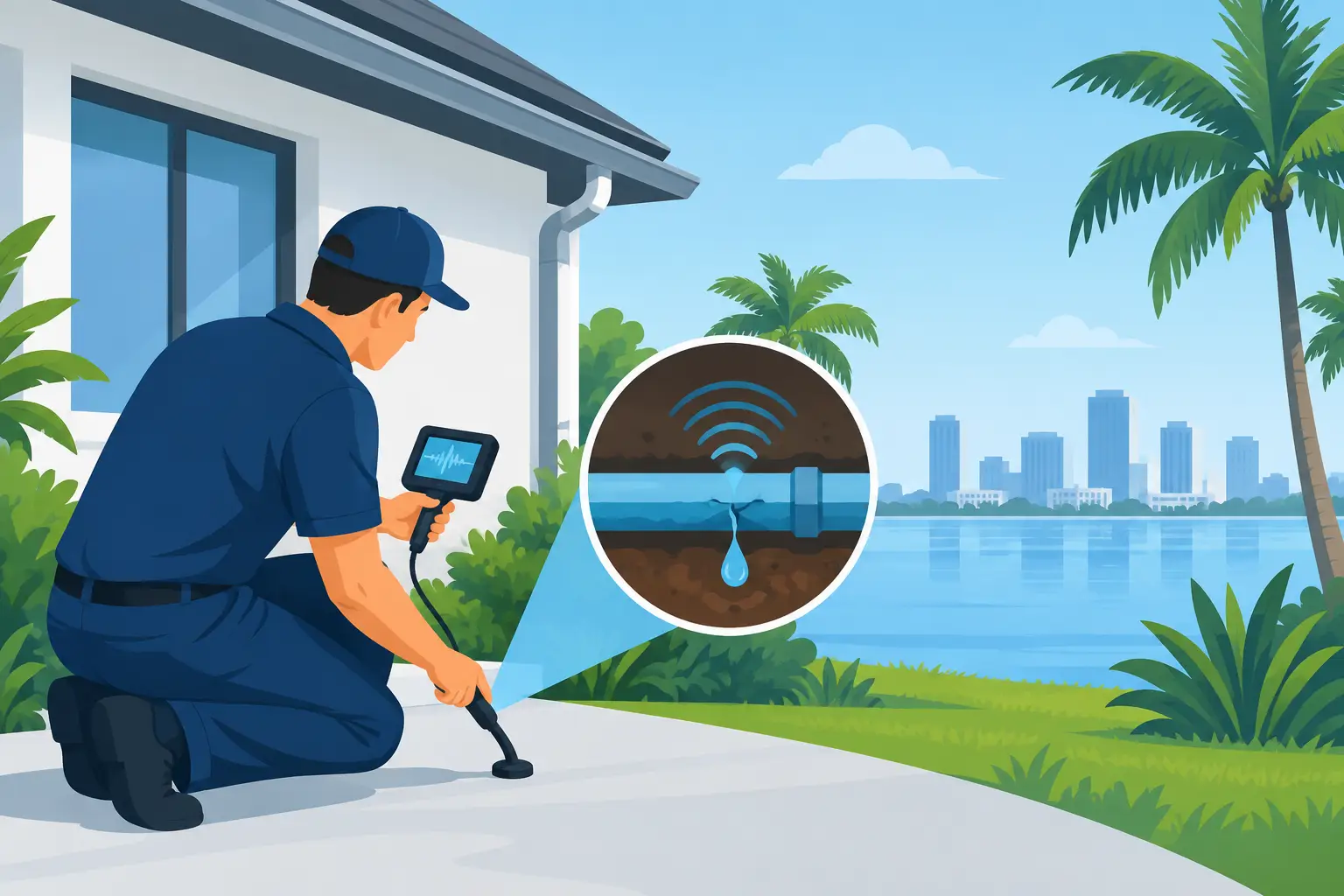
That makes local experience valuable. A contractor should evaluate where the water is coming from before recommending a pump. Surface runoff, a broken water line, a failed drainage system, and groundwater intrusion can look similar at first, but they require different solutions. Installing a pump without identifying the source may only treat the symptom.
Discharge location is another key issue. Water must be directed away from the structure without creating erosion, returning water to the pit, or sending runoff where it should not go. Reviews that mention careful site evaluation and clear explanations are especially meaningful because proper discharge planning is often what separates a lasting solution from a temporary fix.
Questions to Ask After Reading Reviews
Once you have narrowed your options, ask the installer how they size the pump and whether they inspect the pit, float switch, check valve, discharge line, and electrical connection. Ask what happens during a power outage and whether a battery backup, alarm, or secondary pump is recommended for your level of risk.
You should also ask for a clear estimate that separates equipment, labor, necessary repairs, and any optional protection. A professional should be able to explain why a particular pump is recommended without pressuring you into more capacity than your property needs.
For landlords and property managers, maintenance planning matters. Ask how often the system should be tested, who will monitor alarms, and what should happen if tenants notice unusual noise or standing water. A short service call can often prevent a larger loss when a switch, battery, or discharge line starts showing trouble.
When It Is Time to Call a Professional
Call for professional help if a pump is running constantly, fails to turn on, makes grinding noises, trips a breaker, or leaves water in the pit. You should also schedule an inspection if water is appearing around a foundation, crawl space, utility room, or commercial storage area. Waiting for the next major storm is rarely the best test.
The Flush Club can inspect the full system, explain the cause of the issue, and provide a straightforward estimate before work begins. Whether you need a repair, replacement, backup option, or help identifying a drainage problem, the right answer should be based on your property conditions, not a one-size-fits-all recommendation.
A dependable sump pump should fade into the background because it works when you need it. Read reviews for the details, ask direct questions about installation, and choose protection that gives your property a real advantage when the rain starts falling.