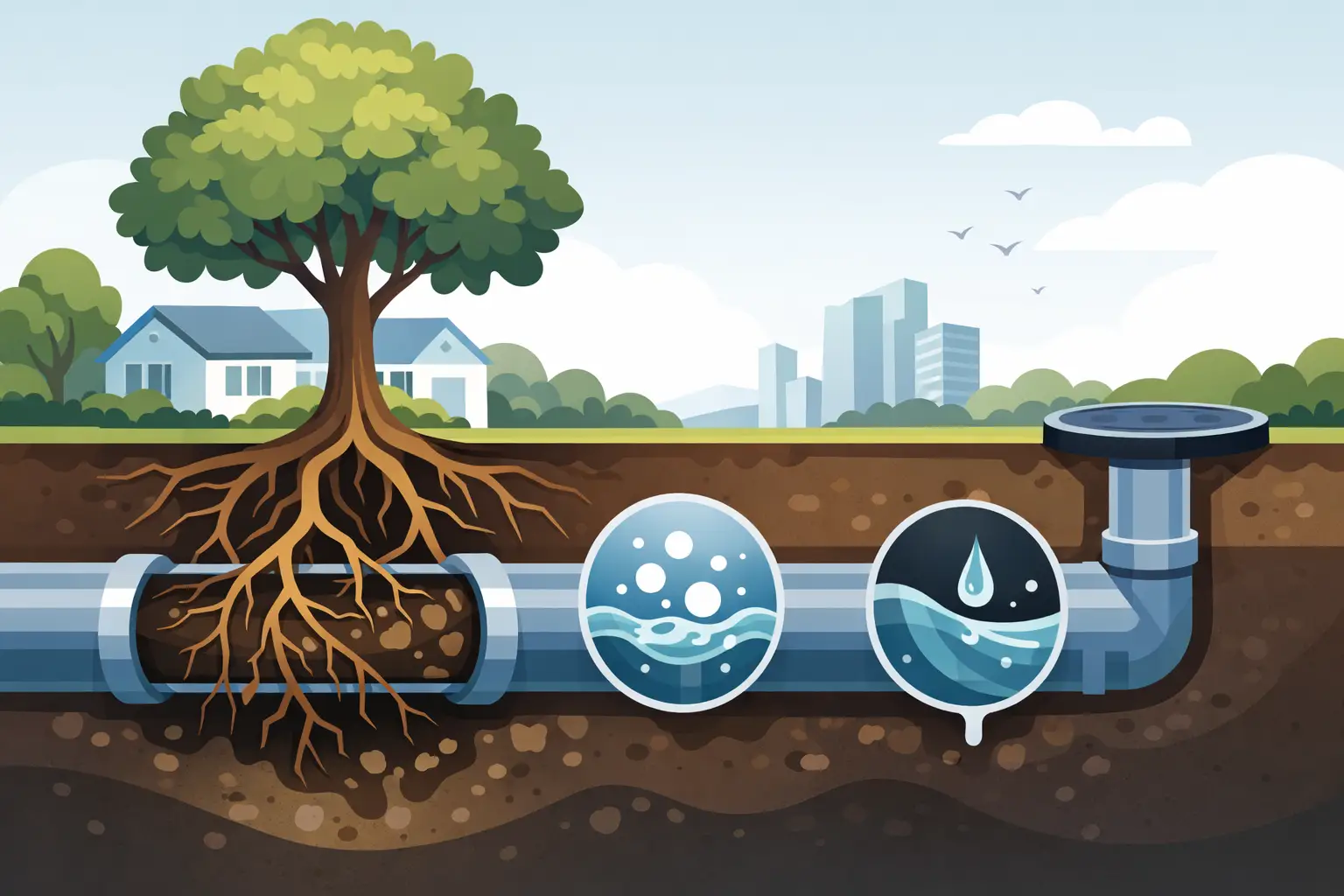
Can tree roots clog sewer lines? Yes – and the problem often starts long before a complete backup reaches the bathroom floor. A sewer line with a tiny crack, loose joint, or aging connection can release moisture into the surrounding soil. Tree roots naturally seek that moisture, work their way into the opening, and continue growing inside the pipe.
For Central Florida homeowners and property managers, this can be especially frustrating. Mature landscaping, fast-growing vegetation, shifting soil, and older underground pipe materials can all create the conditions roots need to invade a sewer line. The good news is that a root problem can often be identified and repaired before it becomes a major excavation or emergency cleanup.
How Tree Roots Get Into Sewer Pipes
Roots do not usually crush a properly installed, intact sewer pipe. They find their way through existing weak points: separated joints, small cracks, deteriorated cast iron, damaged PVC, or connections that have shifted over time. Even a narrow gap can be enough for fine feeder roots to enter.
Once inside, those roots have a steady supply of water, oxygen, and nutrients. They thicken and branch out, catching toilet paper, grease, wipes, and other debris moving through the line. What begins as a partial obstruction can become a dense blockage that prevents wastewater from leaving the property.
This is why pouring a drain cleaner into one slow sink rarely solves a root-related sewer issue. The roots are typically in the main sewer line, not the fixture drain, and the underlying pipe opening remains even if part of the blockage is temporarily cleared.
Signs Tree Roots May Be Clogging Your Sewer
A single slow drain can come from a local clog. When several fixtures begin acting up at the same time, the main sewer line deserves attention. Watch for these signs:
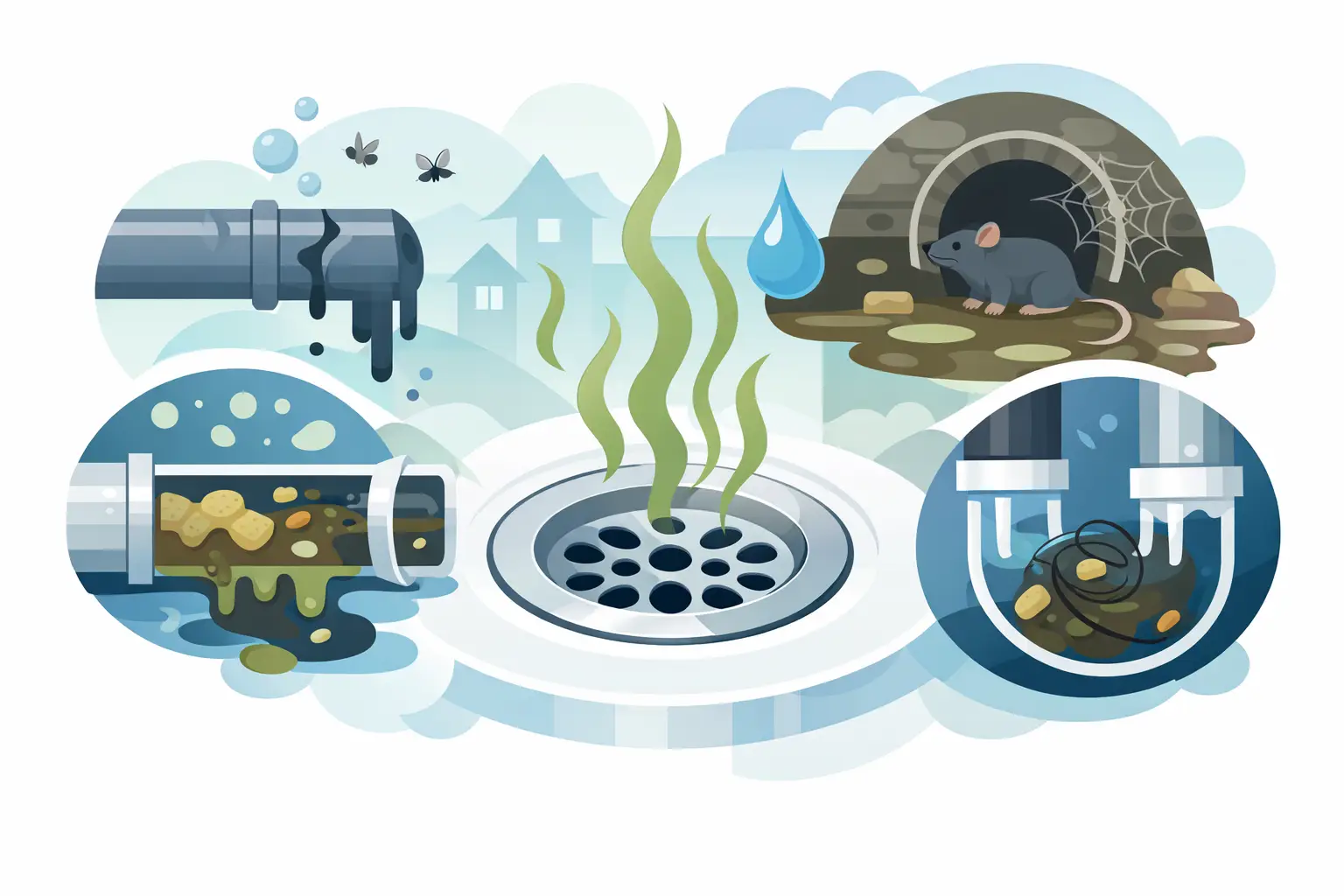
- Toilets that gurgle, bubble, or change water level after a shower, laundry cycle, or sink use
- Slow drainage in more than one bathroom, kitchen, or floor drain
- Sewage or dirty water backing up into a tub, shower, toilet, or low-level drain
- Recurring clogs that return soon after snaking or plunging
- Unusual sewer odors indoors, near cleanouts, or around the yard
- Wet, sunken, or unusually lush patches of grass near the sewer line route
None of these signs proves roots are the cause. A collapsed pipe, grease buildup, flushed wipes, or a sagging sewer line can create similar symptoms. A professional camera inspection is the most reliable way to see what is inside the pipe and determine whether roots are present, where they entered, and how much damage has occurred.
Why Backups Often Seem to Happen Suddenly
Root intrusion is usually gradual, but the final blockage can feel immediate. Roots can restrict a line for months while wastewater still squeezes past. Then a heavier load of paper, grease, or laundry discharge catches on the root mass and closes off the remaining opening.
That is why a sewer backup may happen during a busy morning, after guests visit, or when a washing machine drains. The appliance or fixture did not necessarily cause the problem. It simply sent enough water through an already restricted line to expose it.
Can Tree Roots Clog Sewer Lines Made of PVC?
Yes. PVC is more resistant to root intrusion than older clay, Orangeburg, or cast-iron piping, but it is not immune. Roots can enter through a damaged fitting, poorly sealed connection, cracked section, or joint that has shifted due to soil movement.
Older systems are generally at greater risk because their joints may have deteriorated over decades. However, the age of a pipe alone does not tell the whole story. A newer line can develop a problem after excavation work, ground settling, storm damage, or improper installation. The condition of the line matters more than assumptions about the material.
What Happens if You Wait?
Waiting can turn a manageable drain and sewer repair into a more disruptive problem. As root growth continues, it can increase the frequency of clogs and place pressure on weakened pipe sections. Wastewater may eventually back up inside the building or leak into the surrounding soil.
For homeowners, that can mean contaminated cleanup, damaged flooring, and an unusable bathroom or kitchen. For landlords, property managers, and small business operators, it can also mean tenant disruption, sanitation concerns, and lost operating time.
A recurring backup should not be treated as a nuisance to keep plunging away. If wastewater has backed up indoors, limit water use in the building until the line can be evaluated. Running showers, toilets, dishwashers, or washing machines may add more water to a blocked sewer and worsen the overflow.
The Right Way to Diagnose and Remove Root Intrusion
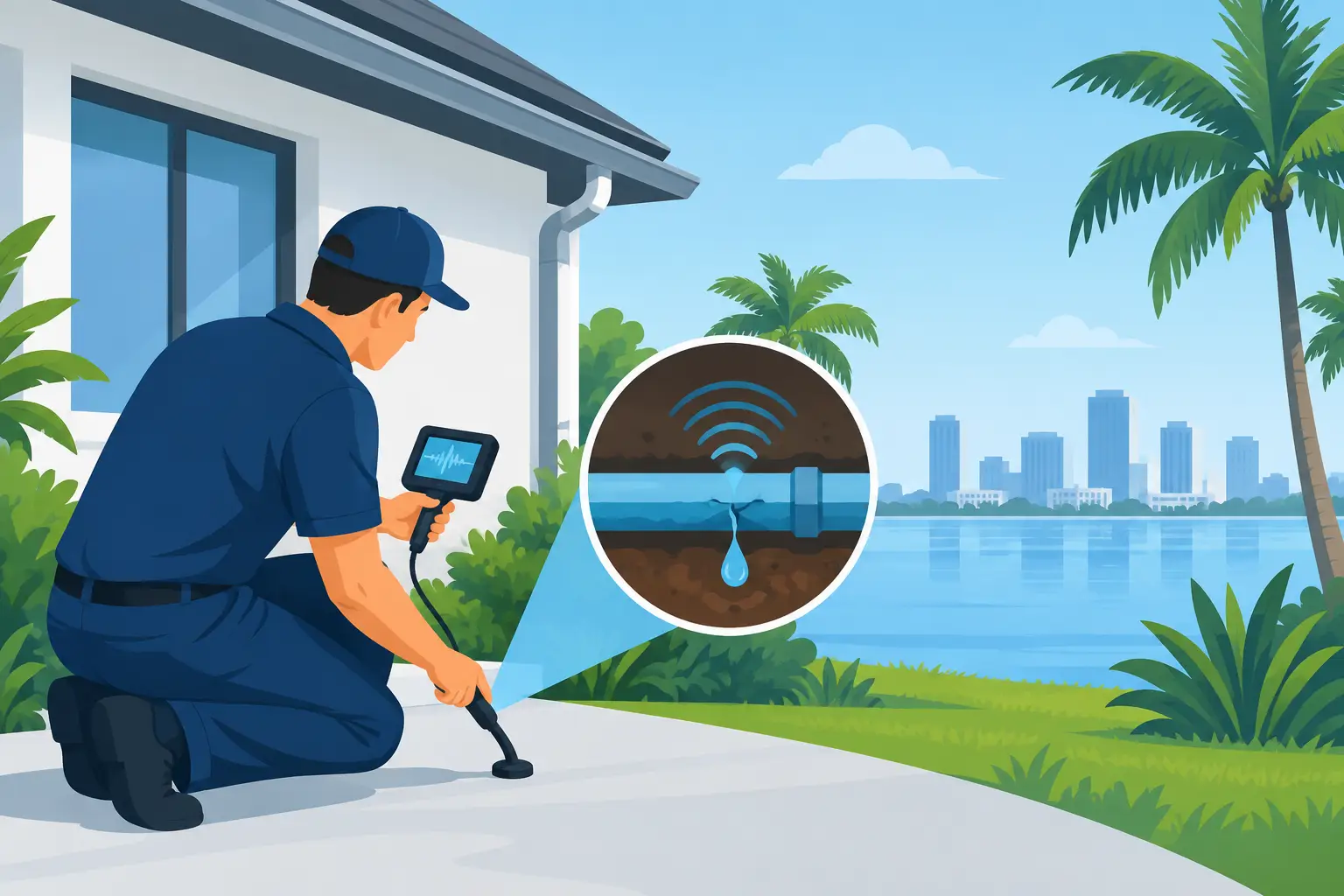
Effective repair starts with inspection, not guesswork. A sewer camera inspection allows a plumbing professional to locate root masses, identify the pipe material, check for cracks or separation, and measure how far the issue is from an access point. This information helps determine whether cleaning is enough or whether the line needs repair.
For roots that have entered an otherwise sound pipe, professional drain cleaning or hydro jetting may remove the obstruction and restore flow. The best method depends on the pipe material, condition, and severity of the blockage. High-pressure water can be highly effective, but it should be used by a qualified technician who has assessed the line first. Using the wrong approach on a badly deteriorated pipe can create more damage.
If the camera inspection shows broken sections, open joints, or severe corrosion, cleaning alone is only a temporary measure. The pipe must be repaired or replaced to close the entry point. In many cases, trenchless sewer repair can restore a damaged section with far less disruption to landscaping, driveways, or hardscaping than traditional excavation. It is not the right solution for every line, but it is worth discussing when access is difficult or preserving the property matters.
Why Chemical Root Killers Are Not a Complete Fix
Some products are marketed as root treatments for sewer pipes. They may reduce small root growth in certain situations, but they do not repair cracks, separated joints, or failing pipe walls. They can also be ineffective against a substantial blockage and may not be appropriate for every plumbing system.
Chemical products should never be used as a substitute for a diagnosis, especially when drains are backing up. If roots have already created a heavy obstruction, the priority is safely restoring flow and determining why the roots entered the line in the first place.
How to Reduce the Risk of Future Root Problems
You do not need to remove every tree from your property to protect the sewer line. Smart planning and early service make a real difference. If you know where the sewer line runs, avoid planting large, aggressive-rooted trees directly over or close to that route. When planning new landscaping, consider the mature size of the tree rather than the size of the sapling.
For properties with older sewer lines or a history of root intrusion, periodic camera inspections can catch new growth before a backup occurs. The right interval depends on the age and condition of the line, the nearby trees, and whether prior cleaning revealed pipe damage. A professional can recommend a maintenance plan based on what the camera actually shows.
It also helps to protect the line from the debris that roots catch so easily. Keep grease out of kitchen drains, dispose of wipes in the trash even when labeled flushable, and avoid treating the toilet like a disposal. These habits will not stop roots from entering a damaged pipe, but they can reduce the chance of a partial root intrusion becoming a complete blockage.
When to Call for Sewer Service
Call for professional sewer service promptly if multiple drains are slow, toilets are gurgling, or water is backing up into a tub or shower. Treat sewage inside the building as urgent. Avoid using additional water, keep people and pets away from contaminated areas, and arrange for an inspection as soon as possible.
The Flush Club provides fast, professional drain and sewer support for Central Florida homes and businesses, including camera inspections, drain clearing, and long-term sewer repair options. A clear inspection and upfront estimate help you understand whether the issue is a removable blockage, a damaged line, or both.
Tree roots may be persistent, but a sewer problem does not have to become a recurring emergency. Addressing the first warning signs gives you the best chance to protect your property, keep wastewater moving, and choose a repair that lasts.