A kitchen sink that keeps backing up after you already tried the usual fix is more than annoying. It is often the moment people start asking about drain cleaning vs hydro jetting and whether one option will actually solve the problem for good.
The short answer is that they are not the same service, and they are not interchangeable in every situation. Traditional drain cleaning is often the right first step for common clogs. Hydro jetting is a more powerful method used to clear heavy buildup, sludge, grease, and even tree root intrusion in the right pipes. The better choice depends on what is causing the blockage, how often it returns, and the condition of the plumbing itself.
Drain cleaning vs hydro jetting: what is the difference?
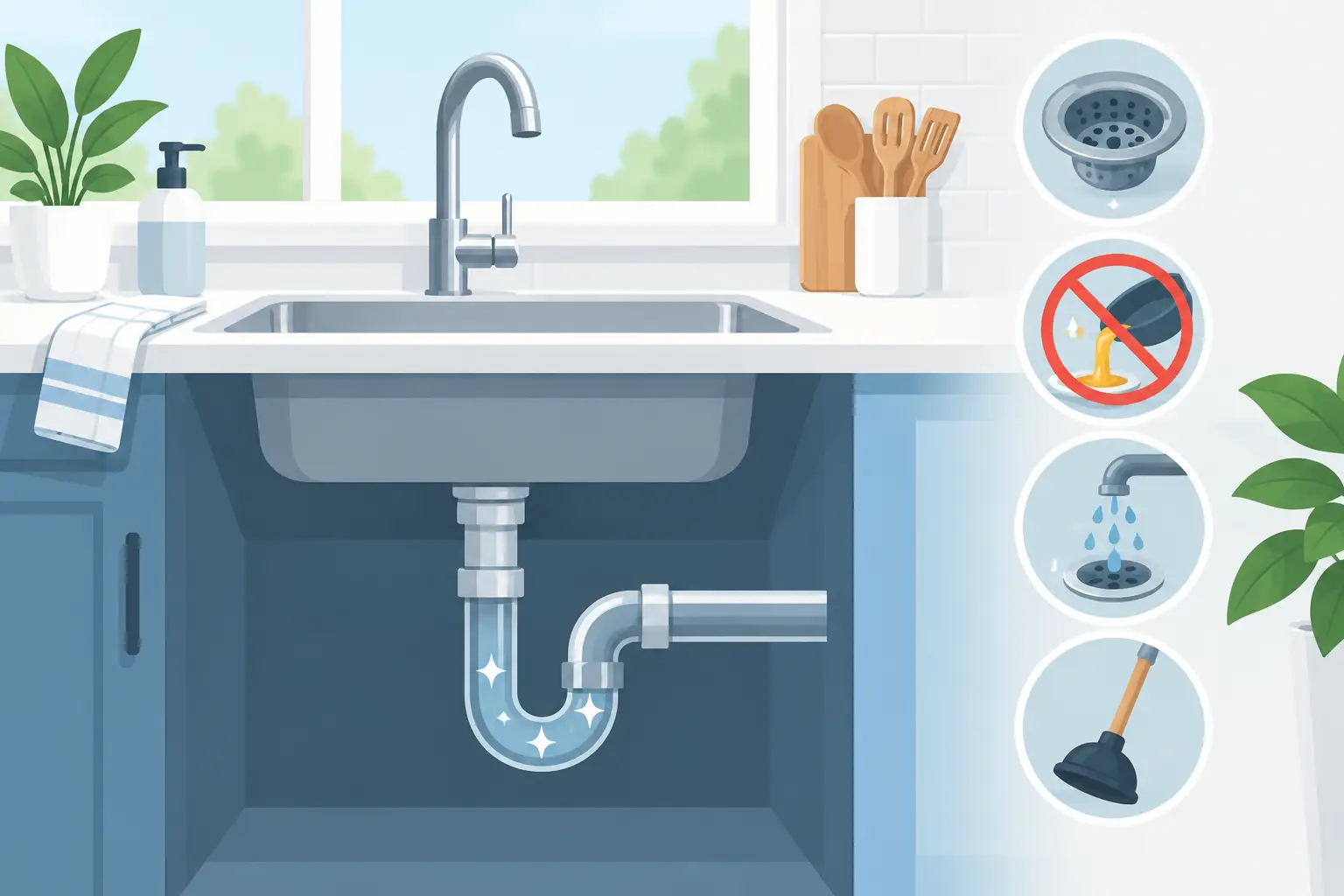
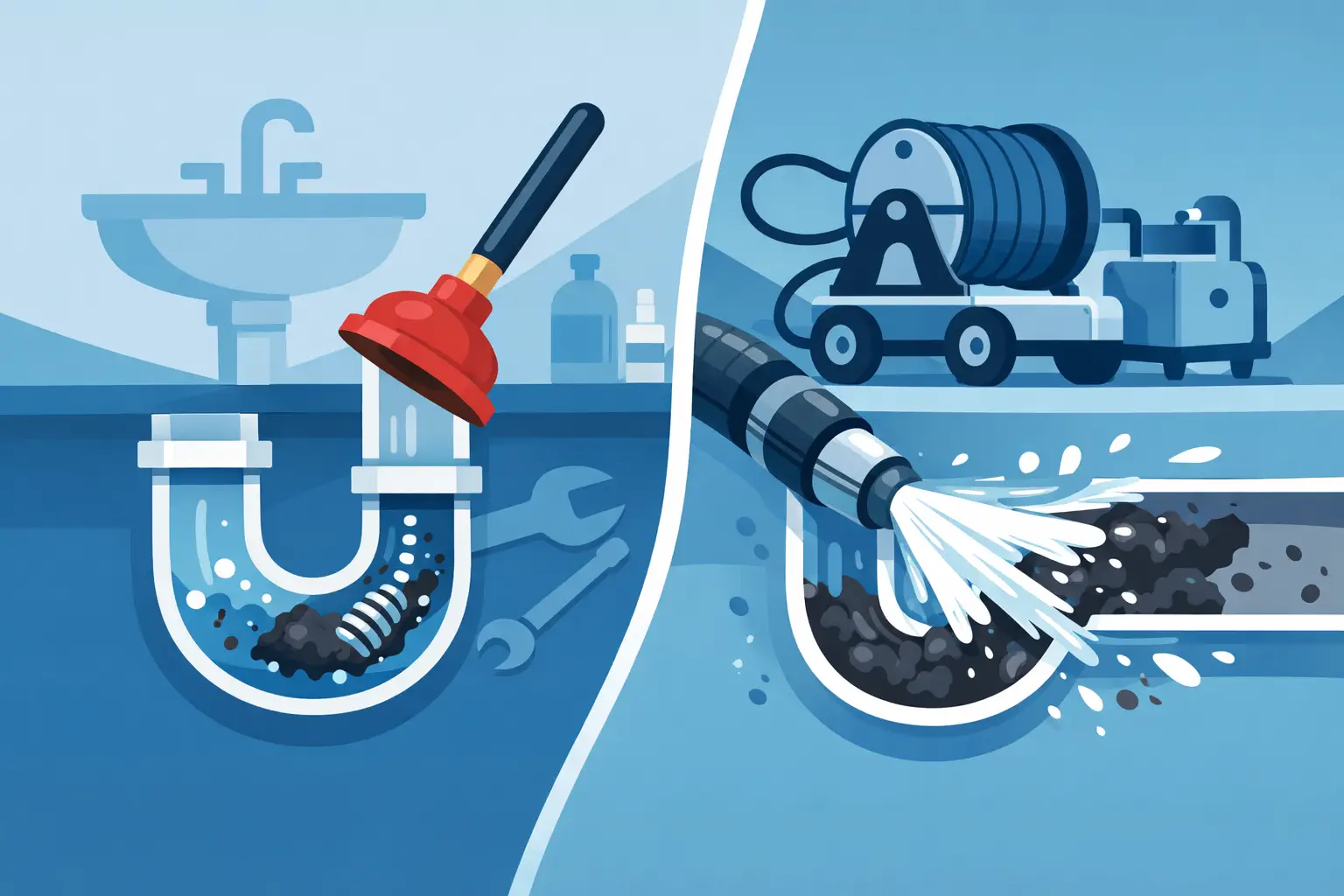
Drain cleaning is a broad term. In most homes and commercial buildings, it usually means mechanically removing a clog from a drain or sewer line using tools such as a drain snake, auger, or cable machine. The goal is to break through the blockage and restore flow.
Hydro jetting uses highly pressurized water to scour the inside of the pipe. Instead of only punching a hole through the clog, it cleans the pipe walls more thoroughly. That makes it especially effective when the line is narrowed by grease, soap residue, scale, sludge, or debris spread across a long section of pipe.
Think of it this way. A drain snake is often the fastest tool for opening a path through a blockage. Hydro jetting is better when the issue is not just one clog, but heavy buildup throughout the line.
When standard drain cleaning makes the most sense
For many Central Florida homeowners and property managers, standard drain cleaning is the practical first move. If a bathroom sink is slow because of hair and soap residue near the drain opening, or a toilet line has a localized blockage, mechanical cleaning can solve the issue quickly without overcomplicating the repair.
This method is often the better fit when the clog is isolated and the pipe system is otherwise in decent shape. It is also commonly used when a technician needs to reopen flow fast, especially during an urgent backup. In a restaurant, office, rental property, or busy household, getting the line moving again matters immediately.
Another advantage is control. A skilled plumber can target a blockage with the right cable head and work through the obstruction without using the intense water pressure that hydro jetting requires. For some older pipes, that matters.
That said, standard drain cleaning has limits. If the line is coated with grease or years of buildup, the tool may clear enough space for water to pass without fully cleaning the pipe. The result can be a drain that works again for now, but clogs up sooner than expected.
When hydro jetting is the better solution
Hydro jetting is usually the better choice when recurring clogs point to a bigger problem inside the pipe. If you have already had the same kitchen line snaked more than once, or a commercial drain keeps slowing down because of grease, jetting can provide a more complete cleaning.
This service is especially useful for sewer lines and larger drain systems where buildup stretches far beyond one trouble spot. Pressurized water can remove residue from the pipe walls instead of just carving a narrow opening through it. In many cases, that leads to a longer-lasting result.
Hydro jetting is also valuable when inspections show sludge, mineral scale, or root intrusion. Roots are a good example of why the right method matters. A cable machine may cut through roots and restore flow. Hydro jetting can then wash out the remaining debris more thoroughly. Depending on the severity, both methods may play a role rather than one replacing the other.
For commercial properties, hydro jetting often makes even more sense because usage is heavier. Grease, food waste, soap, paper products, and sediment can build up fast in shared or high-demand systems. A more aggressive cleaning method may reduce repeat service calls and minimize disruptions.
Pipe condition matters more than most people realize
One of the biggest mistakes in this conversation is assuming the strongest option is always the best option. It is not.
Hydro jetting uses significant water pressure, so the pipe has to be in suitable condition. If a sewer line is badly corroded, cracked, offset, or already fragile, jetting may not be recommended until the line is inspected. In those cases, a camera inspection helps determine whether cleaning is safe or whether repair is the smarter next step.
Older plumbing systems deserve extra care here. Cast iron, Orangeburg, and deteriorated lines can have structural issues that are not visible from the surface. A responsible plumber does not just pick the most aggressive tool and hope for the best. The right approach starts with diagnosing the line correctly.
That is why professional drain service should not be treated like a one-size-fits-all visit. The method has to match both the blockage and the condition of the pipe.
Cost, speed, and long-term value
If you are deciding between drain cleaning vs hydro jetting, cost is naturally part of the question.
Standard drain cleaning is usually less expensive upfront. It often takes less time, requires less setup, and solves many everyday clogs effectively. If your issue is a simple blockage in a single fixture drain, paying for hydro jetting may not be necessary.
Hydro jetting tends to cost more because the equipment, preparation, and process are more involved. In many cases, a camera inspection is recommended first. But the higher upfront cost can make sense when repeated backups are adding up. If a line keeps clogging every few months, the cheaper fix may not really be the cheaper fix over time.
There is also the question of disruption. For businesses, recurring drain problems can affect staff, tenants, customers, and operations. A more thorough cleaning may save money simply by reducing downtime and repeat calls.
So the value question is not just, what costs less today. It is, what actually addresses the cause of the problem.
Signs you may need more than a basic clog removal
A single slow drain does not always call for hydro jetting. But some warning signs suggest the blockage is part of a larger line condition.
If multiple drains are slow, if odors keep coming back, if backups happen after previous cleaning, or if the line handles water poorly during heavy daily use, a more complete cleaning may be needed. Gurgling sounds, recurring kitchen drain issues, and repeated main line stoppages are also signs that the pipe may have significant buildup.
For landlords and property managers, pattern matters. If the same unit or building line generates service calls again and again, it is worth asking whether the issue is really a one-time clog or an ongoing maintenance problem.
The best answer is often inspection first
People often want a fast yes-or-no answer, but plumbing rarely works that way. The right recommendation usually comes after seeing the symptoms, asking the right questions, and inspecting the line if needed.
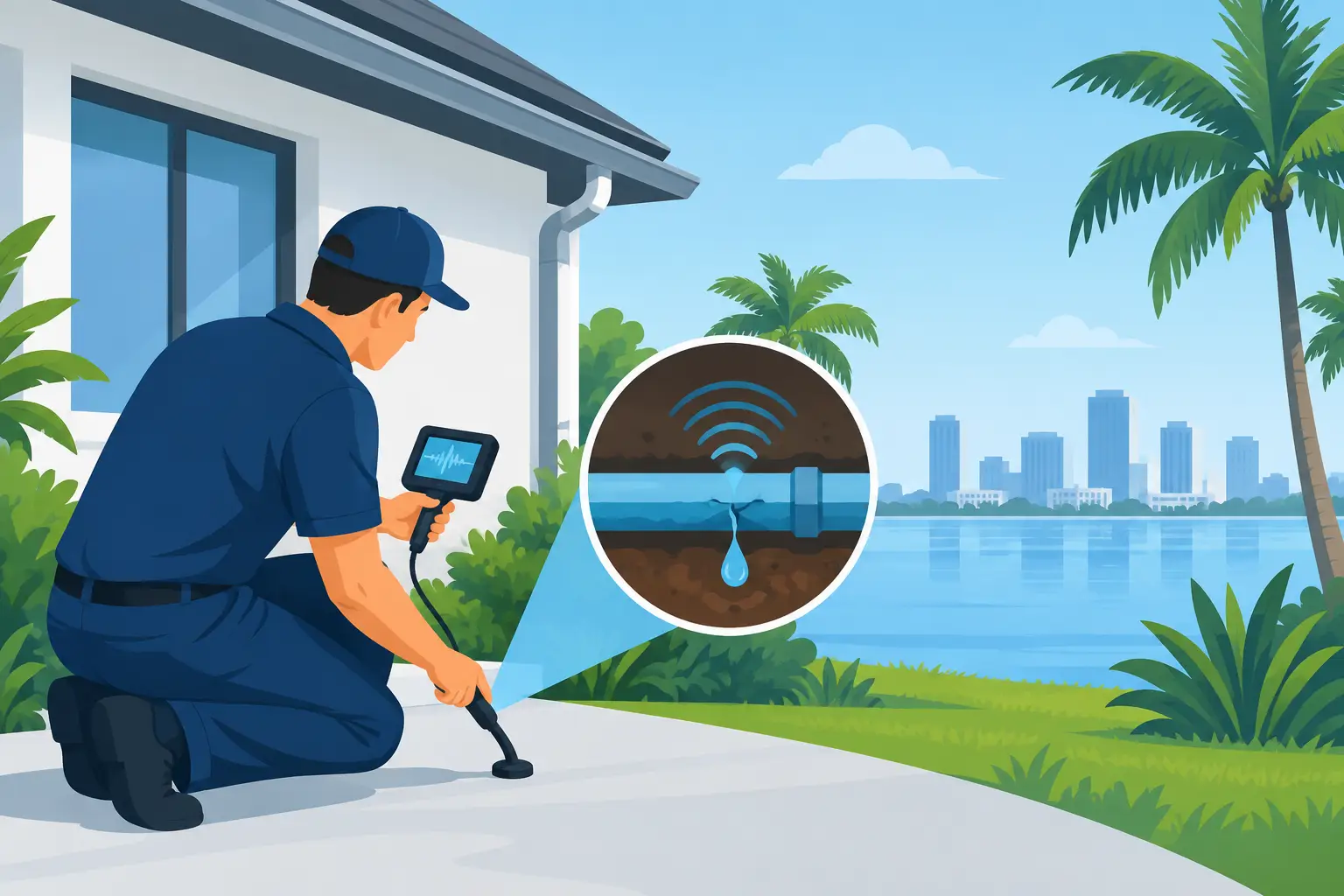
That is especially true for sewer line issues. A camera inspection can show whether the problem is grease, roots, scale, a collapsed section, or something else entirely. Once you know that, choosing between snaking, hydro jetting, repair, or a combination of services becomes much more straightforward.
This is where working with a responsive, experienced plumbing company matters. A good technician should explain what they found, why they are recommending a specific method, and whether the fix is expected to be short-term or long-term. Clear answers help you make a better decision and avoid paying twice for the same problem.
Which service should you choose?
If the clog is isolated, recent, and limited to a fixture or small section of pipe, standard drain cleaning is often the right place to start. It is efficient, practical, and cost-effective for many common blockages.
If the problem keeps returning, affects a main line, involves grease or sludge buildup, or points to a larger obstruction inside the pipe, hydro jetting may be the better investment. It cleans more thoroughly, but it also requires the right pipe conditions and proper evaluation.
For many properties, the real answer is not drain cleaning or hydro jetting. It is drain cleaning first, hydro jetting when the situation calls for it, and inspection to make sure the pipe itself is sound. That kind of decision-making protects your plumbing system and gives you a better chance of fixing the issue once instead of managing it over and over.
When your drains are backing up, speed matters, but accuracy matters just as much. The right solution is the one that restores flow, fits the condition of your plumbing, and gives you confidence that the problem was handled the right way.