A leak under the sink is frustrating. A second leak in a different room, followed by weak water pressure and discolored water, is a different kind of problem. Knowing the best signs you need repiping can help you address failing pipes before a hidden leak damages floors, walls, cabinets, or a commercial property’s daily operations.
Repiping is a significant investment, but it is not automatically the answer to every plumbing repair. A professional inspection can separate one isolated issue from a pipe system that has reached the end of its reliable service life. Here is what homeowners, landlords, and property managers in Central Florida should watch for.
10 Best Signs You Need Repiping
1. You have recurring leaks
One leak can happen for many reasons, including a loose fitting, accidental damage, or a failed supply line. But repeated leaks, especially in separate areas of the home or building, often point to deteriorating pipe material.
Older galvanized steel pipes can corrode from the inside, while copper pipes may develop pinhole leaks over time. Repairing each new failure may keep the water running for the moment, but the repair costs and water damage risk can quickly add up. When leaks become a pattern, repiping may be the more dependable long-term solution.
2. Water comes out rusty, brown, or yellow
Water that looks rusty or brown can indicate corrosion inside aging metal pipes. You may notice it most after water has been sitting overnight or when you first turn on a faucet in the morning. If the discoloration appears only from the hot side, the water heater may be the source. If it appears from both hot and cold fixtures, the piping deserves a closer look.
Occasional discoloration after utility work can have another cause, so this sign alone does not always mean you need a full repipe. Still, persistent color changes should be inspected promptly. Corrosion can restrict flow and eventually create leaks.
3. Your water pressure has steadily dropped
Low water pressure can make showers disappointing, slow down appliance fill times, and create problems for commercial restrooms or kitchens. A clogged aerator or a partially closed shutoff valve is a simple fix. However, low pressure throughout the property can be caused by mineral buildup or internal corrosion narrowing older pipes.
This is especially common in galvanized piping. The outside of the pipe may look fine, while the interior has become heavily restricted. A plumbing inspection can identify whether the issue is within the home’s pipes, at the main water line, or related to a pressure-regulating component.
4. Your pipes are visibly corroded or damaged
Take a look at exposed pipes near the water heater, under sinks, in utility rooms, and around shutoff valves. Flaking, rust, green staining on copper, bulging sections, or obvious corrosion are warnings that deserve attention.
Surface corrosion does not always mean every pipe needs replacement. But it can reveal a larger issue, particularly when paired with leaks, low pressure, or water discoloration. A licensed plumber can assess the pipe material, the extent of damage, and whether targeted repair is still a sound option.
5. You hear water running when nothing is on
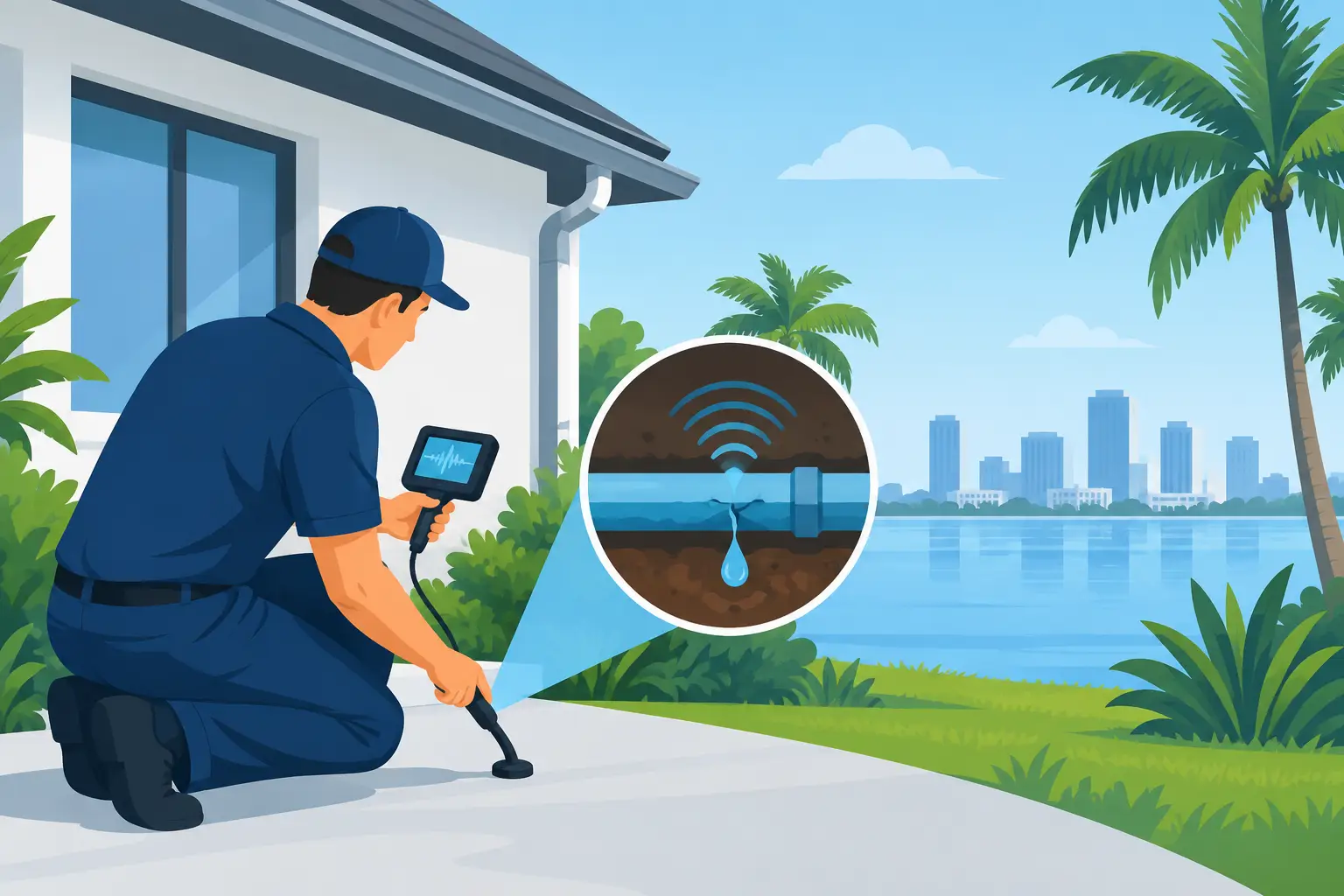
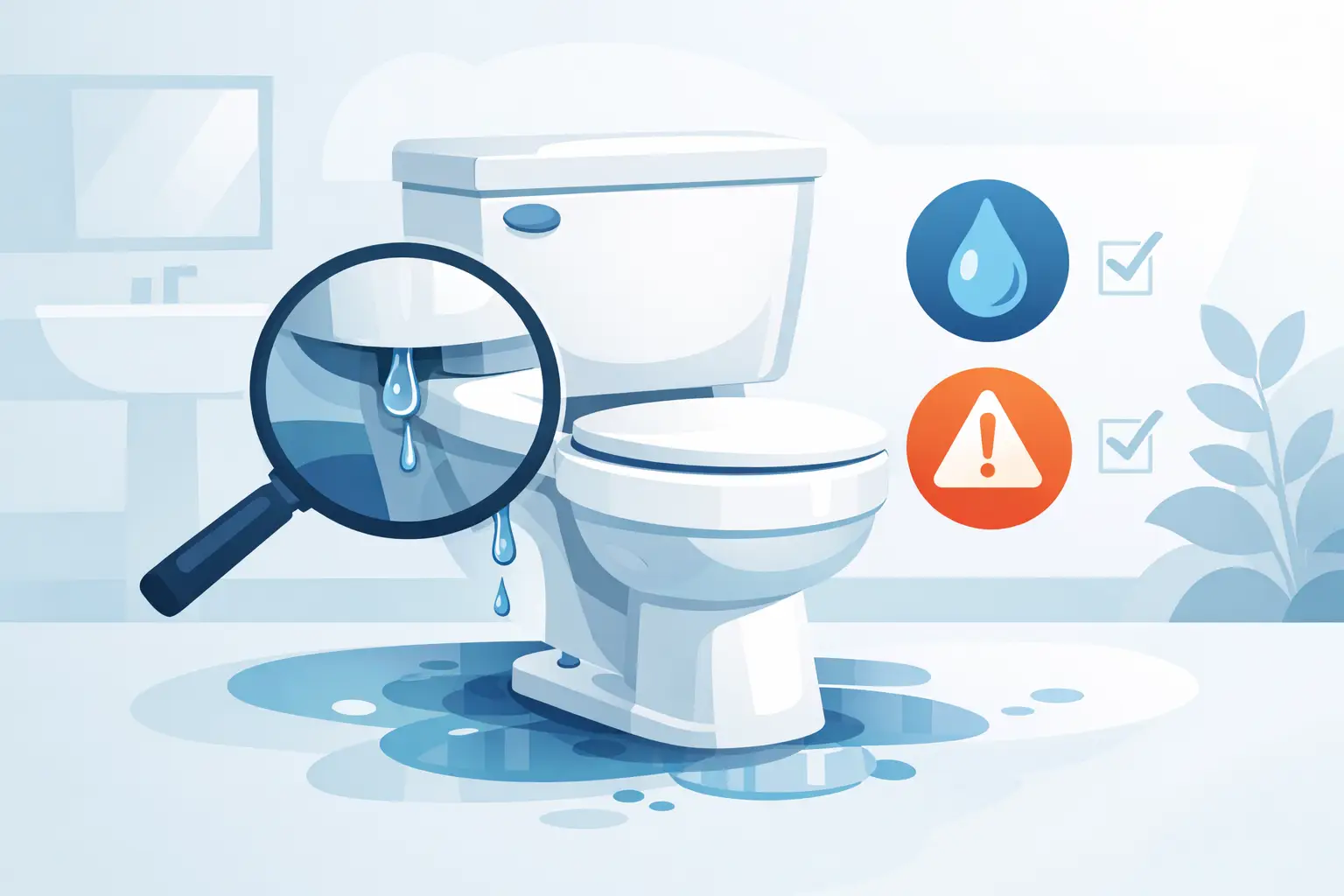
If you hear water moving through pipes after every fixture and appliance is off, do not ignore it. The cause could be a toilet that is silently running, but it can also be a hidden leak beneath a slab, behind a wall, or in a ceiling.
Check your water meter after turning off water use inside and outside the property. If the meter continues moving, you may have a leak. Hidden leaks are not only wasteful. In Central Florida homes, they can lead to mold, damaged finishes, higher water bills, and foundation-related concerns when water escapes beneath a slab.
6. Your water bills rise without a clear reason
A sudden increase in water usage deserves investigation, especially if household routines have not changed. Underground leaks, slab leaks, and small pinhole leaks can waste a surprising amount of water before visible damage appears.
A higher bill does not automatically mean you need repiping. Irrigation issues, a malfunctioning toilet, or an exterior leak can also be responsible. But when a pressure test or leak detection service finds multiple weak areas in aging pipes, replacing the system can be more cost-effective than chasing individual leaks.
7. Your home still has galvanized, polybutylene, or other aging pipes
The material of your plumbing system matters. Galvanized steel pipes are prone to internal corrosion and flow restrictions as they age. Polybutylene piping, used in some homes built several decades ago, has a history of failures and can become brittle or crack. Older cast iron drain lines can also deteriorate, scale internally, and contribute to repeated drain or sewer issues.
Not every property with older pipe material needs immediate replacement. Condition, installation quality, prior repairs, and water chemistry all matter. Still, identifying the material gives you a clearer picture of future risk and helps you plan before an emergency forces the decision.
8. Repairs are becoming frequent and expensive
There comes a point when another repair is no longer the economical choice. If you are repeatedly paying for leak repairs, drywall repair, flooring replacement, and restoration work, the true cost is much larger than the plumbing invoice.
Repiping has a higher upfront cost, but it can stop the cycle of surprise failures. It may also improve water flow, reduce the likelihood of hidden leaks, and provide a more reliable plumbing system for tenants, customers, or your family. The right decision depends on the age and condition of the pipes, not just the number of repairs.
9. You notice damp spots, mold, or a musty smell
A damp patch on a wall, warped baseboard, peeling paint, or unexplained mildew should be treated as a potential plumbing problem until proven otherwise. Water can travel away from the original leak, so the visible damage is not always directly below or beside the failed pipe.
Mold and moisture damage call for fast action. A plumber can locate the leak and recommend whether a localized repair will solve the problem or whether the piping has broader deterioration. Waiting can turn a manageable repair into a larger restoration project.
10. Your property is older and plumbing failures are starting
Age alone is not a diagnosis. A well-maintained home can have older pipes that are still performing well, while a newer property may have material or installation issues. But if an older home begins showing multiple warning signs at once, it is time to discuss a repipe plan.
For rental properties and small businesses, planning matters even more. Scheduled repiping can be organized around occupancy and operating hours. An emergency failure gives you fewer options, more disruption, and less control over the cost.
When a Repair Makes Sense Instead
A full repipe is not the default answer. If a leak comes from one damaged section caused by a nail, a failed fitting, or a clearly isolated issue, a targeted repair may be the best choice. The same is true when low pressure is limited to one fixture or discoloration is traced to the water heater rather than the supply piping.
The difference is pattern and condition. A reliable inspection should identify the source of the problem, explain the available options, and provide a clear estimate before work begins. Be cautious of anyone who recommends replacing every pipe without examining the system and discussing why.
What to Expect During a Repiping Project
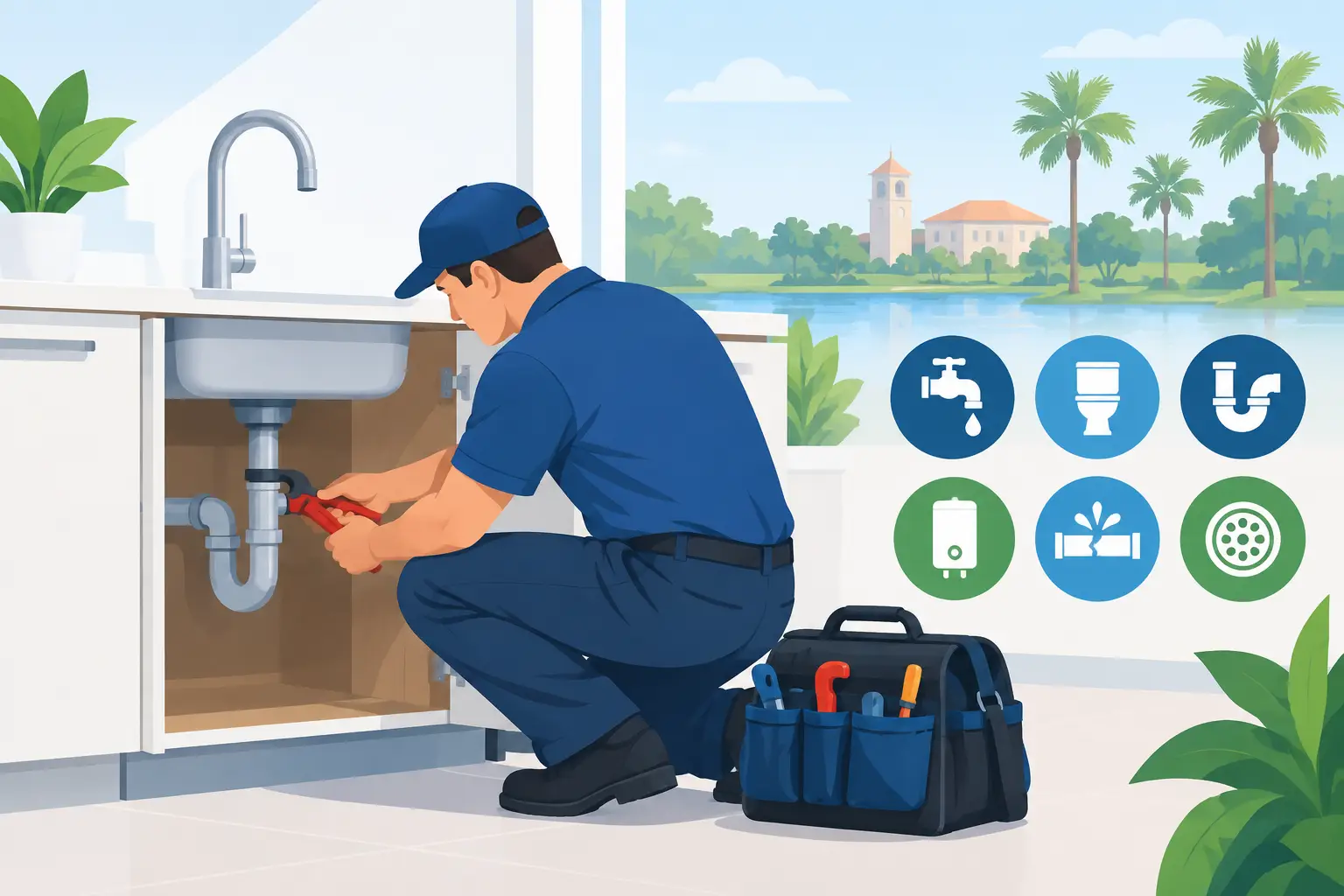
Modern repiping is designed to minimize disruption, though it is still construction work. A plumber first evaluates the existing system, maps the new pipe routes, and discusses the best material for the property. Many residential repipes use PEX or copper, depending on the building, local code requirements, water conditions, budget, and owner preference.
New water lines are commonly routed through accessible areas such as attics, walls, or ceilings. Small access openings may be needed, and water service may be interrupted during portions of the project. A professional team should communicate the schedule clearly, protect work areas, test the new system thoroughly, and explain any wall or ceiling restoration responsibilities before work begins.
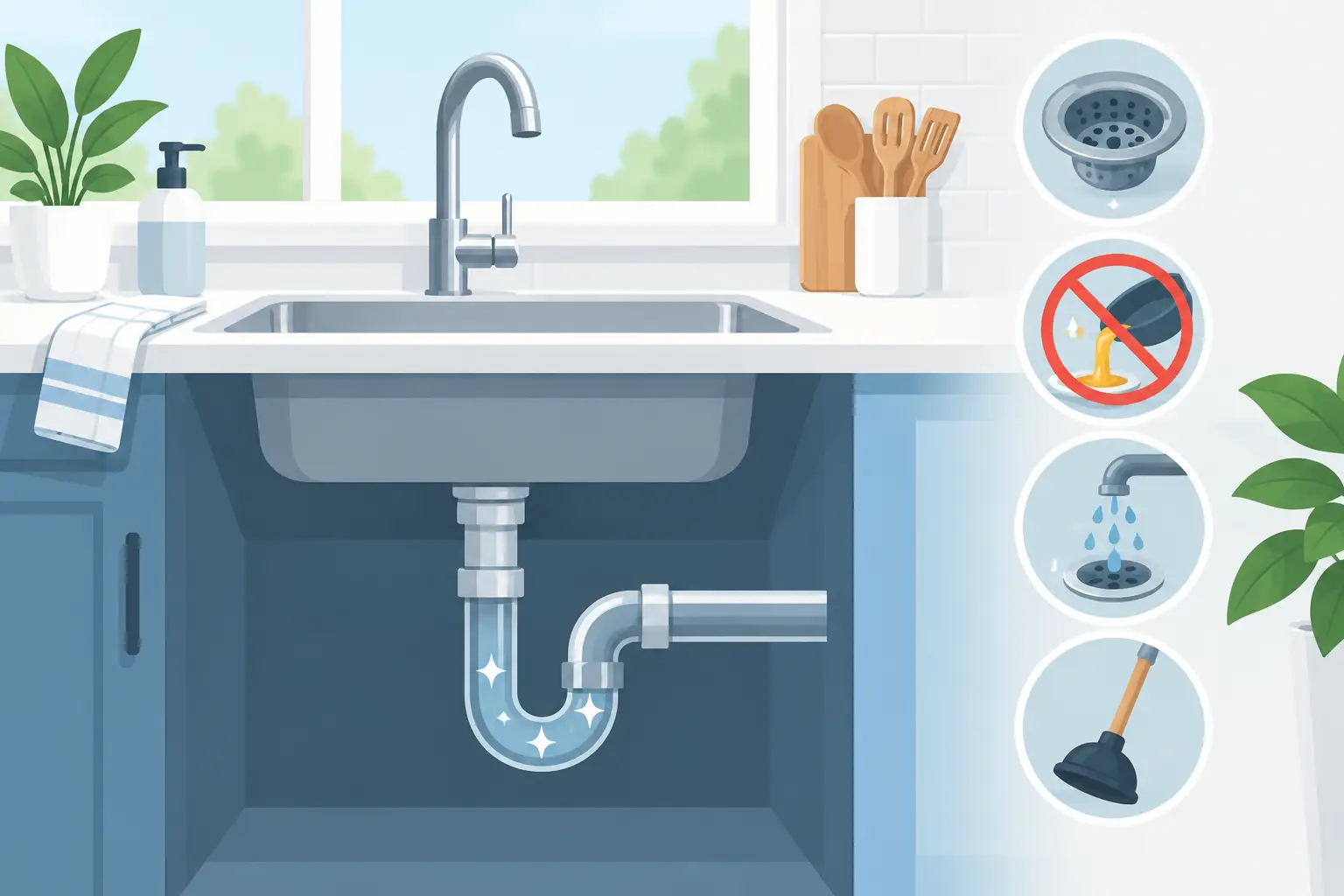
Drain and sewer repiping is a separate consideration. If recurring backups, slow drains, or a sewer camera inspection reveal failing cast iron or damaged underground lines, the repair plan may involve conventional replacement or trenchless options where appropriate.
Make the Decision Before a Small Leak Becomes a Major Loss
The best time to evaluate aging plumbing is when you still have choices. If you are seeing recurring leaks, rusty water, reduced pressure, or unexplained moisture, schedule a professional inspection rather than waiting for a pipe to fail at the worst possible time.
For Central Florida homeowners and property managers, The Flush Club can evaluate the condition of your plumbing, explain whether repair or repiping makes sense, and provide straightforward recommendations. A clear diagnosis today can protect your property, your water supply, and your peace of mind tomorrow.