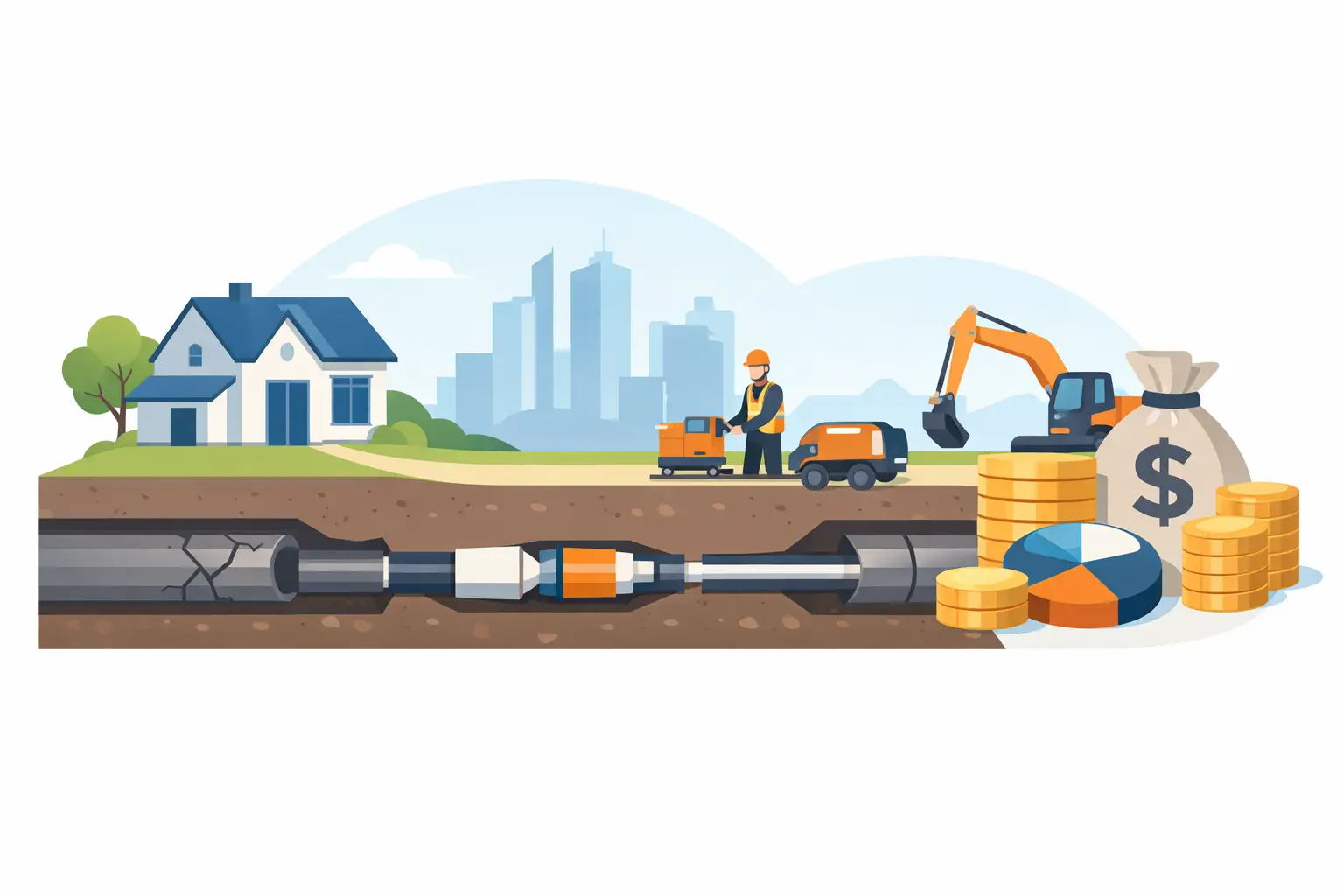
A sewer line problem usually gets your attention fast – recurring backups, soggy spots in the yard, slow drains that keep coming back. Once you hear the words trenchless sewer repair cost, the next question is almost always the same: is this going to be more affordable than digging up the whole line? The honest answer is that it depends on the pipe, the damage, the access, and how much restoration traditional digging would require.
For many Central Florida property owners, trenchless repair is less about finding the cheapest possible invoice and more about avoiding a much bigger mess. If your sewer line runs under a driveway, patio, landscaping, slab, or parking area, the repair method can change the total project cost in a major way. A lower pipe-repair price does not always mean a lower overall job price once demolition and restoration are added back in.
What affects trenchless sewer repair cost?
The biggest factor is the method being used. Trenchless sewer repair usually means either pipe lining or pipe bursting. Pipe lining creates a new interior surface inside the existing pipe. Pipe bursting breaks apart the old damaged pipe while pulling a new one into place. Both reduce excavation, but they are not priced the same and they are not right for every situation.
Pipe length matters too. A short repair section near an accessible cleanout will usually cost less than a long run that crosses a yard or passes under hard surfaces. Diameter matters as well, especially for commercial buildings or larger drain systems that require more material and more labor.
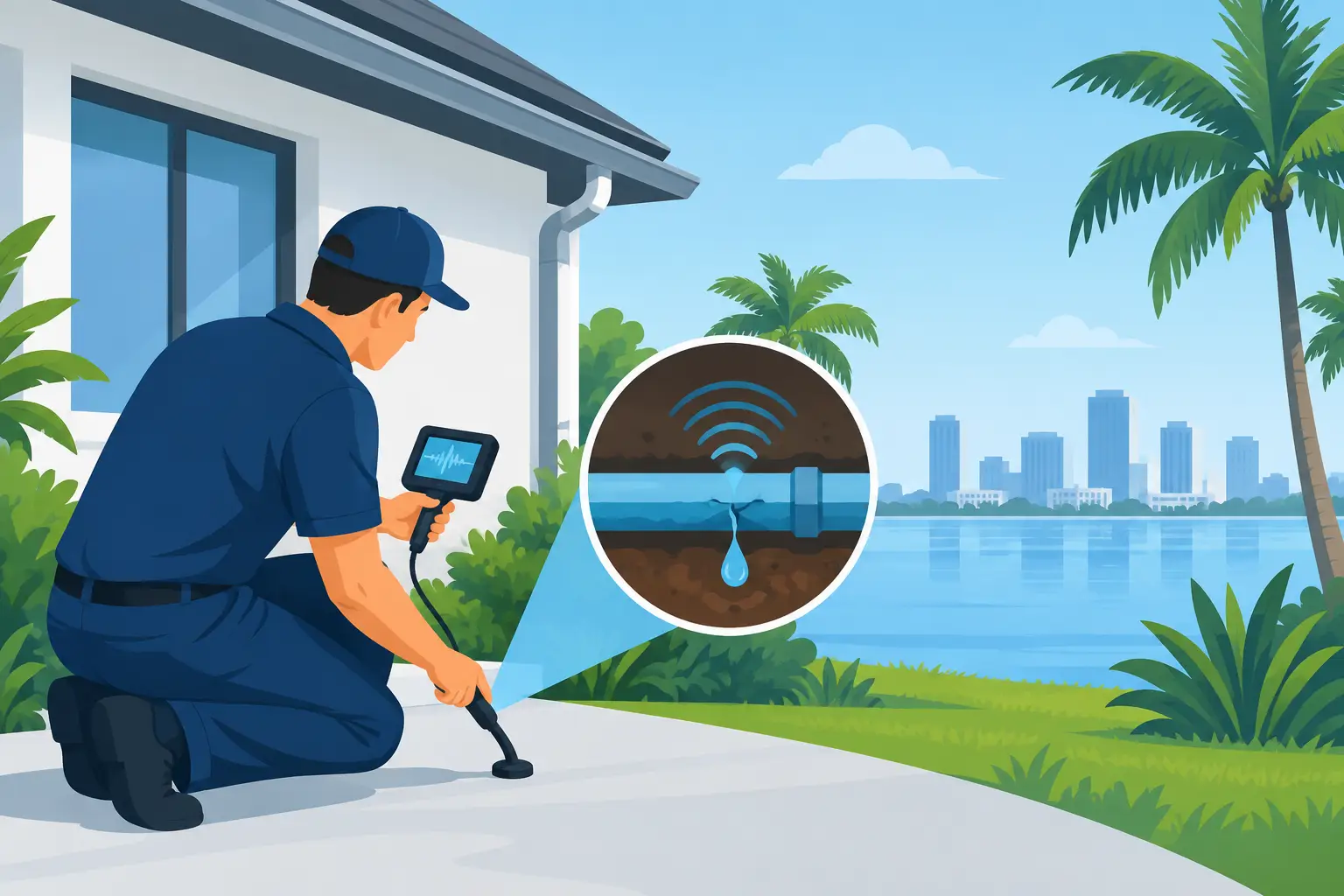
Condition of the existing sewer line is another major variable. If the pipe has minor cracks, root intrusion, or corrosion but still has enough structural integrity, lining may work well. If the line has collapsed, shifted badly, or lost its shape, a different method may be needed. Before any accurate estimate can be given, a camera inspection usually needs to confirm what is happening underground.
Access points can make a surprising difference. If technicians can use existing cleanouts, the job is often simpler. If new access pits or entry points are needed, labor and site work increase. The same is true when a city connection, deep burial depth, or a difficult property layout adds time to the project.
Typical trenchless sewer repair cost ranges
Most homeowners want a number before they want an explanation, so here is the practical version. Trenchless sewer repair cost often falls somewhere between a few thousand dollars and well over ten thousand, depending on the method and complexity. For many residential jobs, pipe lining may land roughly in the $4,000 to $12,000 range, while pipe bursting can run roughly $6,000 to $15,000 or more.
Those ranges are broad because sewer repair is not a one-size-fits-all service. A short, accessible line with limited damage may sit near the lower end. A long run under concrete with difficult access, deeper excavation points, permits, and heavier equipment can move the cost up quickly.
Commercial properties can see even wider pricing swings. Larger pipe diameters, longer runs, after-hours scheduling, and site coordination can all raise the project total. Property managers should also consider tenant disruption and business interruption when comparing methods, because time on site has a cost even when it does not show up as a line item on an estimate.
Why trenchless can cost less overall
Traditional sewer replacement may look cheaper at first if you only compare the plumbing portion of the work. The problem is that digging often means more than digging. It can mean removing sections of driveway, cutting sidewalks, tearing up landscaping, trenching through irrigation, breaking into floors, and then paying to put everything back.
That is where trenchless methods often make financial sense. If you can repair or replace a sewer line with minimal excavation, you may avoid a large part of the restoration bill. You may also reduce downtime, which matters for households with one main sewer line and businesses that cannot afford to shut down restrooms for long.
This is why a trustworthy estimate should look at total project cost, not just pipe work. A professional plumber should walk you through the trade-off clearly. Sometimes trenchless is the better value by a wide margin. Sometimes a conventional repair is still the smarter route, especially for a short, shallow line in an open area.
Pipe lining vs. pipe bursting
Pipe lining costs and best use cases
Pipe lining is often a strong option when the existing sewer line is damaged but still mostly intact. The process involves cleaning the pipe, inserting a resin-saturated liner, and curing it in place to create a durable new pipe within the old one. Because there is less digging, it can be attractive for homes with established landscaping, hardscaping, or limited access.
Cost tends to depend on the length of the liner, the pipe diameter, and how much prep work is needed. Heavy root intrusion, grease buildup, or offsets may require extra cleaning and inspection time before the liner can be installed. Lining may not be the right choice if the pipe has severe collapse or major deformation.
Pipe bursting costs and best use cases
Pipe bursting is usually used when the old line needs to be fully replaced but excavation should still be kept to a minimum. It requires access points, and the equipment pulls a new pipe through while fracturing the old one outward. This can be an excellent solution for badly deteriorated sewer lines that are beyond a simple liner repair.
Costs are often higher than lining because the process can involve more equipment, more setup, and more demanding site conditions. Still, compared with fully open trench replacement, pipe bursting can save substantial money when restoration costs would otherwise be high.
What can raise the price unexpectedly?
A camera inspection often reveals issues that are not obvious from the surface. Bellied sections of pipe, multiple breaks, poor previous repairs, heavy root masses, or illegal connections can all change the scope. If a line is deeper than expected or tied into older materials that need updating, the estimate may increase.
Permits and municipal requirements can also affect the bottom line. Some jurisdictions require added inspection steps, traffic control, or specific connection standards. For commercial sites, coordinating work around operating hours or customer access may add labor costs as well.
Emergency timing is another factor. If the line has failed completely and sewage is backing up into the property, urgent service may be necessary. Fast response is worth a lot in that situation, but emergency scheduling can shift pricing compared with a standard planned repair.
How to compare estimates the right way
If you are reviewing quotes, make sure you are comparing the same scope of work. One estimate may include inspection, cleaning, repair, testing, and cleanup, while another may price only the repair itself. Ask whether the quote includes permits, access creation, restoration, and post-repair camera verification.
It is also worth asking what method is being recommended and why. A reliable contractor should explain why trenchless is a good fit for your pipe condition, or why it is not. Transparent pricing matters here because sewer work is not cheap, and you should understand what you are paying for before the job starts.
For homeowners and property managers, the best estimate is not always the lowest one. You want a licensed team that can diagnose the issue correctly, explain the options plainly, and complete the repair with as little disruption as possible. That is especially true when the sewer line problem affects multiple units, business operations, or a family home that cannot wait days for answers.
Is trenchless sewer repair worth the cost?
In many cases, yes. If the repair avoids tearing through a driveway, patio, flooring, or landscaped yard, the value becomes clear quickly. It can also be worth it for people who want a faster, cleaner project and a durable long-term solution rather than a temporary patch.
That said, trenchless is not automatically the best answer for every property. A short, easily accessible sewer line with open digging access may be cheaper to repair conventionally. What matters is getting a proper inspection first, then choosing the method that makes sense for the actual pipe, not just the sales pitch.
At The Flush Club, that means starting with a clear inspection and a straightforward estimate so you know what the line is doing, what your options are, and what each repair path will really cost. When sewer problems hit, the right decision is the one that fixes the issue correctly and protects your property from becoming part of the repair bill.