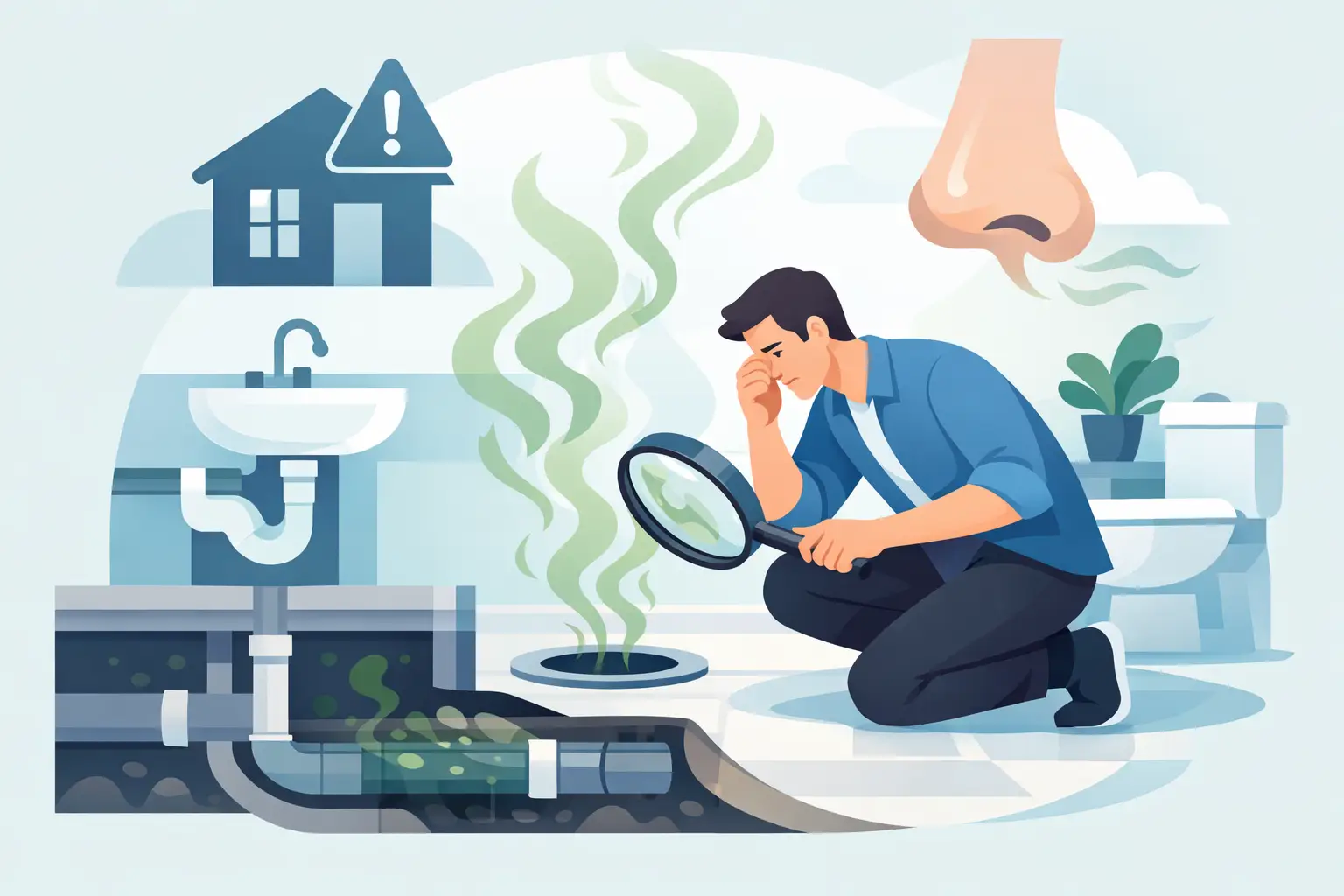
A sewer odor rarely starts as a major emergency. It may show up as a faint rotten-egg smell near a guest bathroom, a musty odor after running the washing machine, or an unpleasant smell that seems to come and go around a floor drain. Knowing how to detect sewer odors early can help you protect your home or business, avoid exposure to sewer gases, and address a plumbing problem before it becomes more disruptive or expensive.
The key is to notice where the smell is strongest, when it appears, and whether it is tied to a specific fixture or drain. Those details give a plumbing professional a much clearer starting point if service is needed.
What Does a Sewer Odor Smell Like?
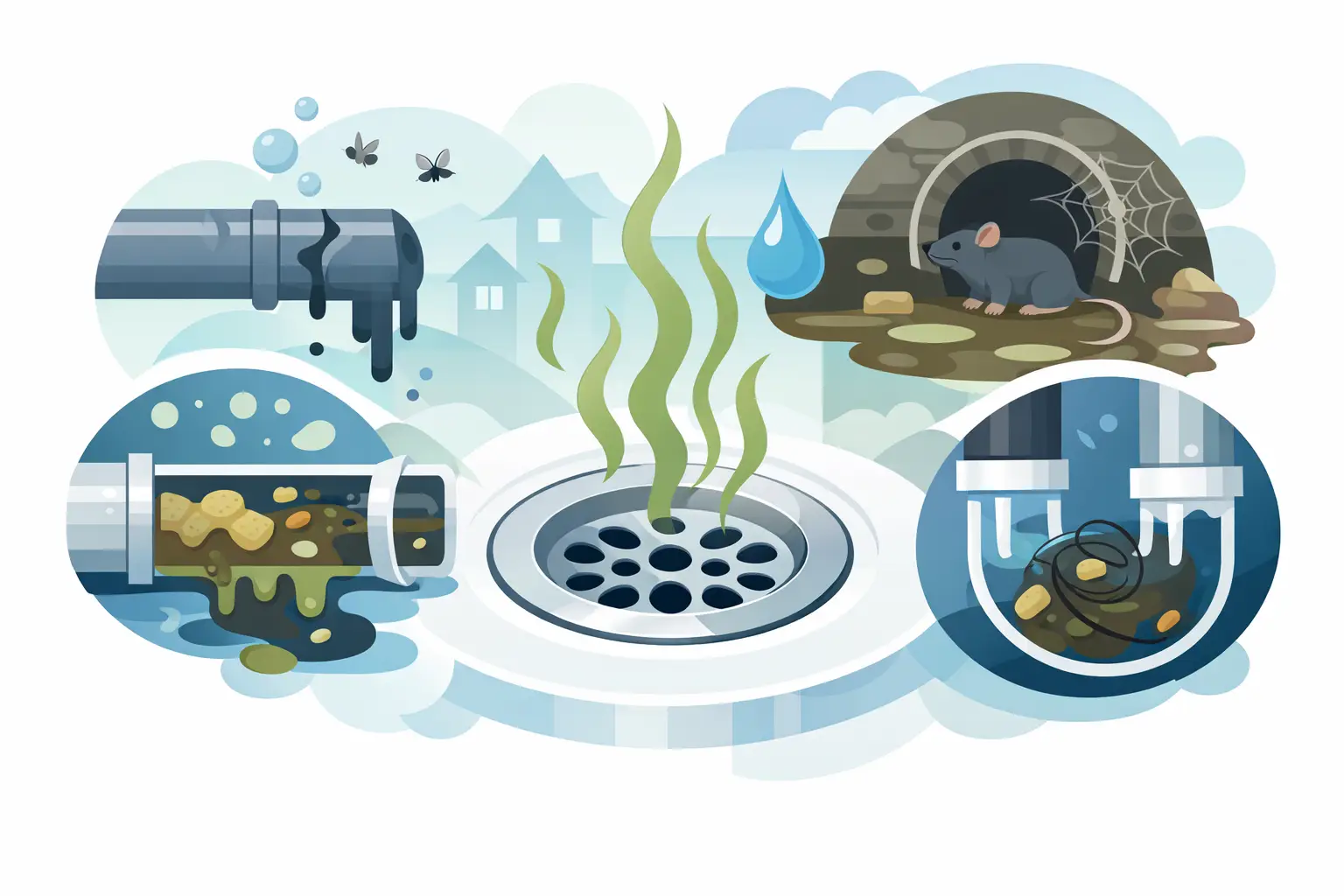
Sewer gas is often described as a rotten-egg smell because it can contain hydrogen sulfide. Some people notice it as a stale, damp, or decaying odor instead. It is different from the temporary smell that can occur after food scraps sit in a garbage disposal or a trash can needs to be emptied.
A true sewer odor usually lingers near plumbing fixtures, drains, utility rooms, crawl spaces, or areas where sewer pipes run. It may become stronger when water is draining, when the air conditioner is running, after a heavy Central Florida rain, or when a bathroom has not been used for several days.
Do not ignore a persistent odor simply because it seems mild. The source may be as simple as a dry drain trap, but it can also point to a damaged vent, a failing toilet seal, a blocked sewer line, or a break in the drain piping.
How to Detect Sewer Odors Room by Room
Start by walking through the property slowly and identifying the strongest point of the odor. Keep interior doors open for a few minutes if possible, then check bathrooms, kitchens, laundry areas, utility closets, and any room with a floor drain. If the smell is concentrated in one area, the problem is more likely connected to a nearby fixture or pipe.
Pay attention to timing as well. An odor that appears only after a shower may be related to that shower drain or its vent. A smell that develops after flushing a toilet can point to the toilet seal, a blocked drain, or a venting issue. If the odor worsens when several fixtures are used at once, the main sewer line may need professional inspection.
Check rarely used drains first
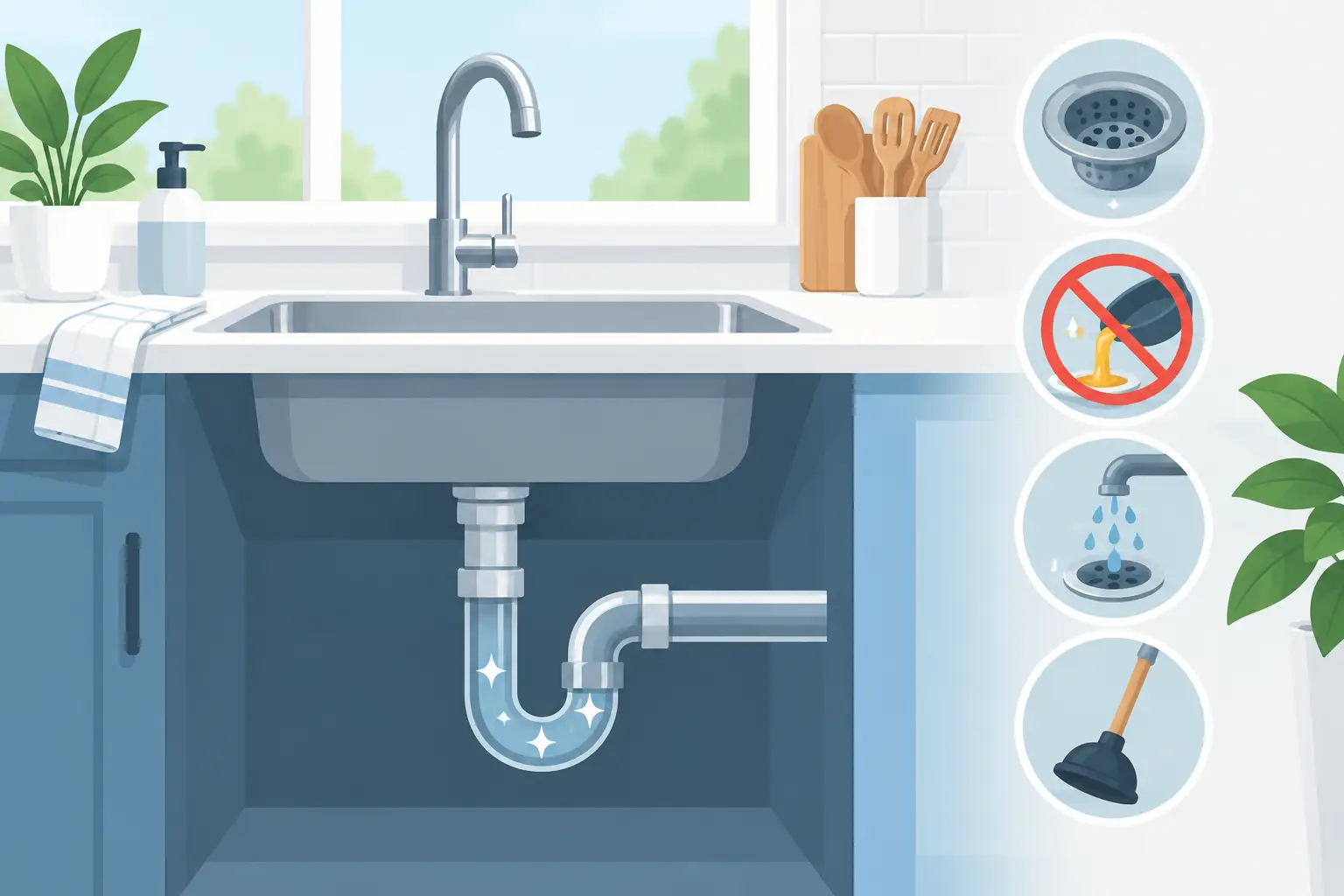
Every sink, shower, tub, and floor drain has a curved section of pipe called a P-trap. It holds water that creates a barrier between your living space and sewer gases. When a fixture is not used regularly, that water can evaporate and allow odors to enter the room.
Pour a few cups of water into each infrequently used drain, including garage, laundry, patio, and utility-room floor drains. For drains that remain unused for long periods, a small amount of mineral oil after adding water can slow evaporation. If the smell fades after refilling the trap, you may have found the cause.
If the odor returns quickly, there may be a cracked trap, a loose fitting, or a venting problem that needs repair.
Inspect toilets for a failed wax ring
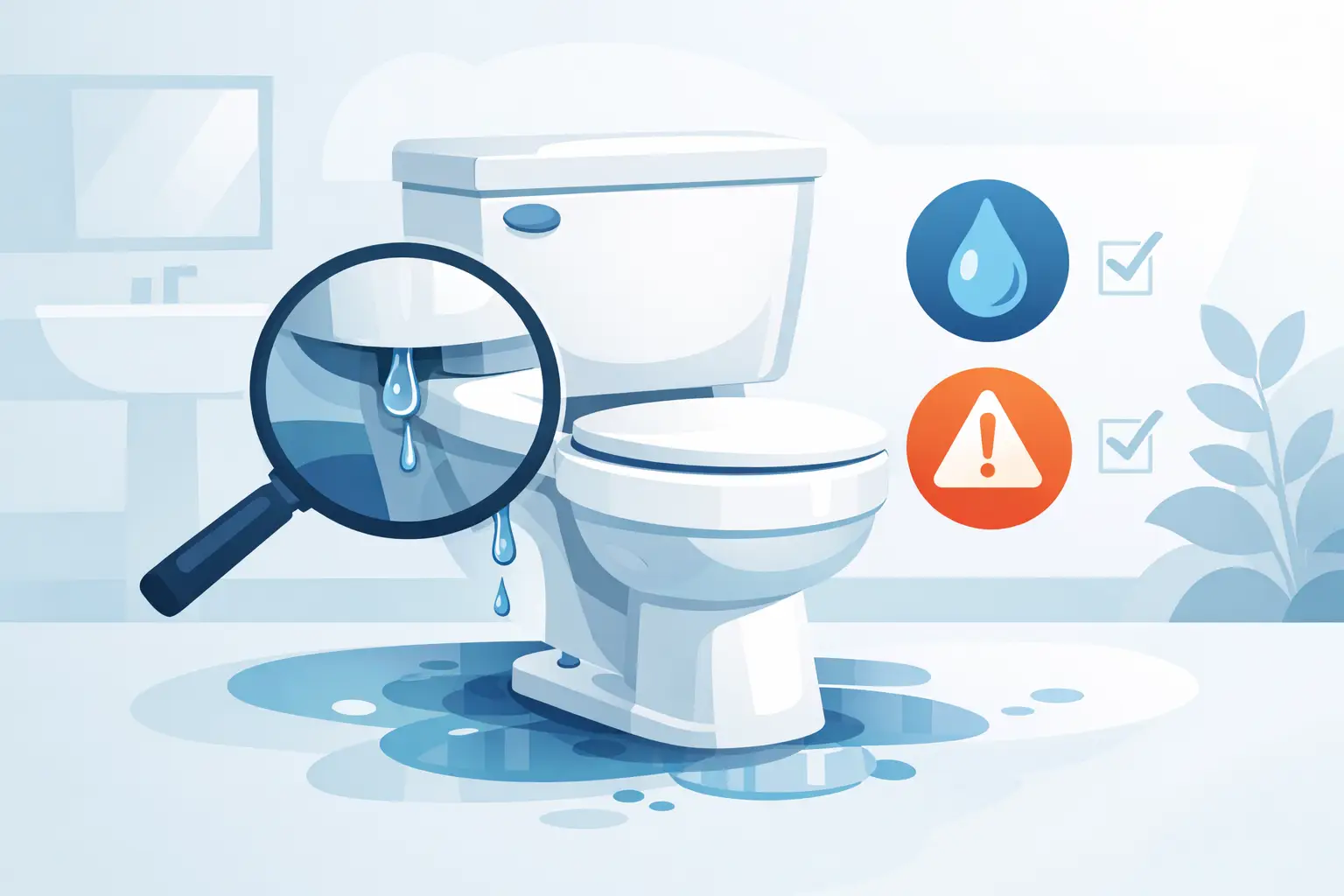
A toilet should sit firmly on the floor without rocking. If it moves when you apply gentle pressure, the wax ring beneath it may no longer provide a reliable seal. Sewer odors can escape around the toilet base even when there is no visible leak.
Check for moisture, staining, soft flooring, or an odor that gets stronger close to the toilet base. These signs do not always mean the wax ring is the issue, but they are a strong reason to schedule an inspection. Continuing to use a loose toilet can damage the floor and make a straightforward repair more involved.
Look under sinks and behind appliances
Open the cabinet below kitchen and bathroom sinks. You are looking for dampness, corrosion, loose connections, or a smell that becomes stronger inside the cabinet. A cracked drain line or a loose trap can release odor without creating a large, obvious leak.
In laundry rooms, check around the washer drain standpipe and behind the appliance. An improperly sealed drain connection, dry floor drain, or backup in the washer line can all create unpleasant smells. Avoid pouring harsh chemical drain cleaners into the line. They can damage certain pipes and rarely solve a deeper sewer or vent issue.
Signs the Odor May Be Coming From the Sewer Line
A localized smell near one dry drain is often manageable, but certain symptoms suggest a larger drainage problem. Call for professional help promptly if sewer odor comes with slow drains in multiple rooms, frequent toilet backups, gurgling sounds, water backing up into a tub or shower, or damp areas near sewer piping.
Outdoor warning signs matter too. A persistent foul odor near a cleanout, sewer line, or septic area may indicate a leak, blockage, or damaged pipe. Soft or unusually green patches of grass can also be a concern, particularly when they appear near the route of a buried sewer line.
For commercial properties, an odor near a restroom, mop sink, break room, or floor drain should be addressed quickly. Beyond being unpleasant for staff and customers, it can signal a problem that disrupts operations if it progresses into a backup.
Why Sewer Odors Can Come and Go
An intermittent odor does not mean the issue has disappeared. Changes in humidity, wind, rainfall, and air pressure can affect how sewer gases move through a plumbing system. In Central Florida, heavy rain can also expose drainage weaknesses, contribute to backups, or make an existing sewer-line issue more noticeable.
Vent pipes are another common factor. Plumbing vents carry sewer gases safely through the roof and help drains flow correctly. If a vent is blocked, damaged, improperly installed, or unable to draw air as intended, odors may enter through drains or fixtures. You may also hear gurgling when water goes down the sink or toilet.
Because vent systems are often hidden inside walls or run through the roof, they are not a practical do-it-yourself repair. A licensed plumber can inspect the drainage and venting system, identify the source, and recommend a lasting solution rather than masking the smell.
What You Can Safely Do Before Calling a Plumber
You can take a few simple steps while you narrow down the source. Run water through unused drains, clean debris from sink stoppers, and make sure toilet lids are closed when checking nearby odors. Note which fixtures were used before the smell appeared and whether rain, air conditioning, or laundry cycles seem to affect it.
Avoid trying to cover the odor with air freshener alone. That can make it harder to track the problem and delays the repair if sewer gases are entering the property. You should also avoid climbing onto the roof to inspect a vent pipe, opening sewer cleanouts without proper equipment, or using acids and aggressive drain chemicals.
If you smell natural gas as well as a sewer-like odor, hear hissing near a gas appliance, or feel dizzy or nauseated, leave the area and follow your gas utility’s emergency instructions. Sewer odors and gas leaks are different problems, and both deserve a cautious response.
When to Call for Professional Sewer Odor Detection
Call a plumber when the odor persists after you refill dry traps, when you cannot identify the source, or when the smell is paired with backups, gurgling, leaks, or slow drains. Property managers and landlords should act especially quickly when tenants report odors, since the source may affect shared drain lines or vacant-unit fixtures.
Professional sewer odor detection may involve checking fixture seals, testing drains, inspecting accessible piping, evaluating the sewer line, and locating venting issues. In some cases, a camera inspection can reveal cracks, root intrusion, buildup, offset pipe sections, or other hidden defects. The right repair depends on what is found. A simple trap refill is very different from a toilet reset, drain cleaning, pipe repair, or trenchless sewer solution.
The Flush Club helps Central Florida homeowners and property managers get clear answers with a professional inspection and upfront estimate before work begins. When a sewer smell keeps returning, timely diagnosis is the best way to restore a clean, comfortable property and prevent a small warning sign from turning into a plumbing emergency.