A cold shower is usually the first sign something has gone wrong, but a water heater replacement should not be a rushed guess. The right water heater installation protects your comfort, energy budget, and property from avoidable leaks, gas hazards, and early equipment failure. For Central Florida homeowners and property managers, the best choice depends on more than the price of the unit.
Start With the Reason for Replacement
A water heater that is leaking from the tank, producing rusty water, making loud popping sounds, or failing to hold a consistent temperature may be near the end of its service life. Traditional tank water heaters often last eight to 12 years, although local water quality, maintenance history, and installation conditions can shorten that timeline.
Not every loss of hot water means the whole system needs to be replaced. An electric model may have a failed heating element or thermostat. A gas unit may have an ignition, venting, or control issue. A professional inspection helps separate a repairable problem from a unit that is no longer worth investing in.
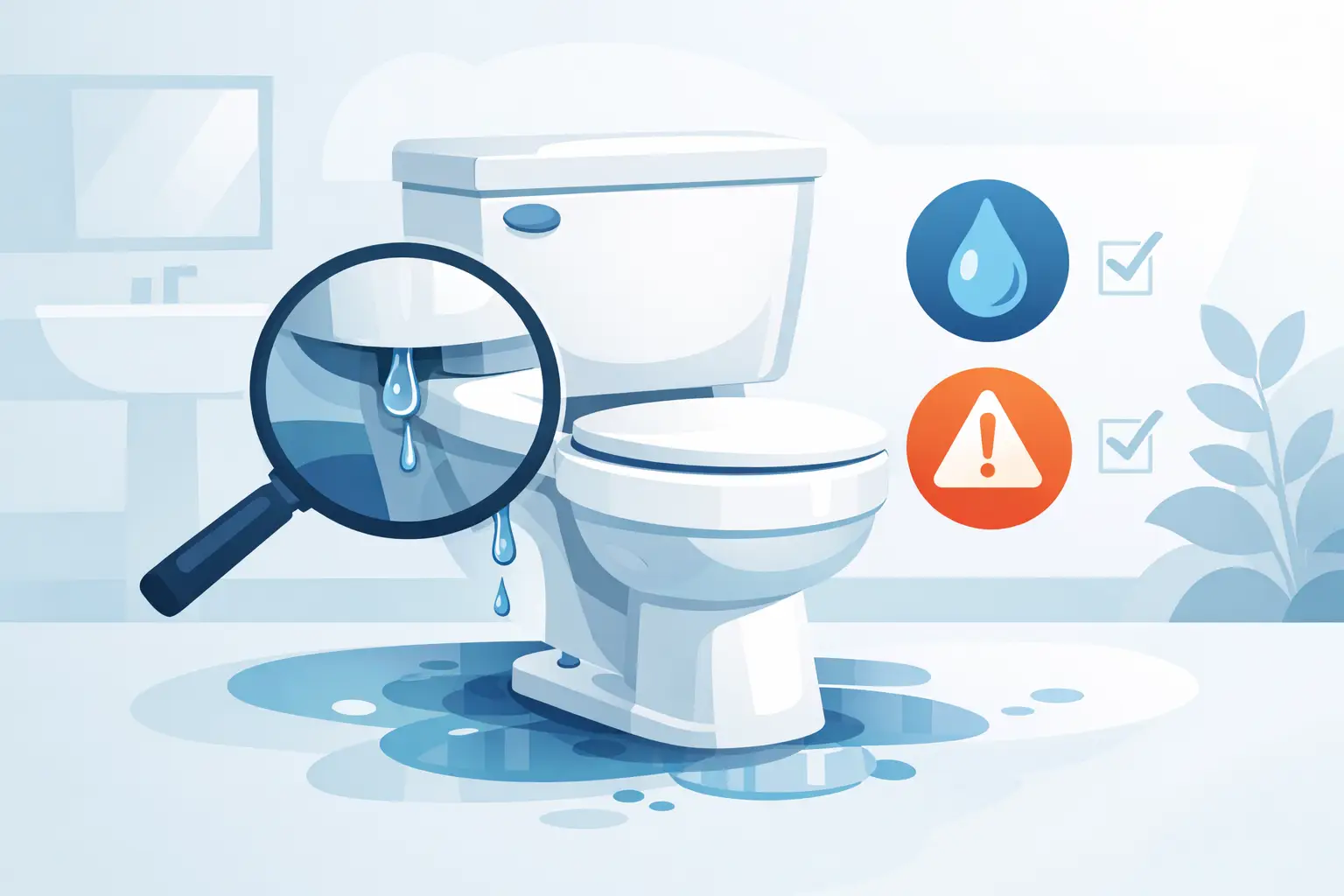
Replacement becomes the more practical option when a tank is actively leaking, corrosion is visible around the tank body, or repairs are becoming frequent. A tank leak can quickly damage flooring, drywall, stored belongings, and nearby equipment. If water is pooling around the heater, turn off the water supply if it is safe to do so and request prompt plumbing service.
Choosing the Right Water Heater Installation
The best water heater is not automatically the largest tank or the newest technology. It needs to match the building, the household or business demand, the available fuel source, and the installation location.
Tank water heaters
A conventional storage-tank water heater keeps a supply of hot water ready for use. It is a familiar, dependable option for many homes and small commercial properties. Tank units generally cost less upfront than tankless systems and can be a practical fit when replacing an existing heater with similar capacity and connections.
Sizing matters. A household with one or two residents may be well served by a smaller tank, while a larger family using multiple showers, a dishwasher, and laundry at the same time may need substantially more capacity. Choosing too small a tank leads to cold-water interruptions. Going too large can mean paying to heat water that is rarely used.
Tankless water heaters
Tankless systems heat water on demand instead of storing it in a tank. They are compact and can provide a continuous supply of hot water when correctly sized. They can be an excellent option for homes with limited space or owners who want to reduce standby energy loss.
The trade-off is that tankless equipment requires careful planning. The unit must be sized for the needed flow rate, not just the number of people in the building. A home may need hot water for two showers and a washing machine at once, and incoming water temperature affects performance. Gas tankless installations may also require larger gas piping, updated venting, and electrical connections. The lower operating cost can be appealing, but the upfront installation cost is often higher.
Heat pump water heaters
Heat pump water heaters use electricity to move heat from surrounding air into the water. In Florida’s warm climate, they can be highly efficient, especially in garages, utility rooms, or other spaces with enough air volume and suitable drainage.
These systems are not right for every location. They can create some operational noise, cool the surrounding area, and need enough clearance to work properly. Because they produce condensate, the drain setup must be planned correctly. For the right property, though, a heat pump model can be a smart long-term energy choice.
Fuel Type and Location Affect the Job
Electric and gas water heaters are installed differently, and converting from one fuel source to another is a larger project than a standard replacement. An electric unit requires the correct voltage, dedicated circuit, wiring, and disconnect requirements. A gas water heater needs safe gas piping, combustion air, proper venting, and reliable ignition.
Water heater location is just as significant. A unit in a garage, closet, attic, laundry room, or commercial utility space may have different access, drainage, ventilation, and code requirements. Attic installations deserve particular attention because even a small leak can cause major interior damage below.
A properly installed drain pan and drain line provide valuable protection where a leak could damage the building. Depending on the system and local requirements, the installation may also need an expansion tank, a temperature and pressure relief valve discharge pipe, seismic restraints where applicable, and approved shutoff access. These are not optional details. They are part of protecting people and property if pressure or temperature becomes unsafe.
Why Permits and Code Compliance Matter
A water heater is one of the most overlooked safety systems in a property. It involves water pressure, high temperatures, electricity or fuel gas, and in some cases combustion exhaust. Proper permits and code-compliant installation help ensure these systems work together safely.
Code requirements can vary by municipality and by the type of water heater being installed. A licensed plumbing professional can determine what applies to your specific property, pull required permits when needed, and coordinate the installation around local inspection requirements.
Skipping this step may seem like a way to save money, but it can create expensive problems later. Improper venting, undersized gas piping, missing safety components, or unapproved electrical work can jeopardize the building and complicate insurance claims, property sales, and future repairs. For landlords and commercial property managers, compliant work also helps reduce liability and disruption for tenants or customers.
What a Professional Installation Should Include
A professional installation starts with an inspection of the existing unit, connections, location, and hot-water needs. That conversation should cover whether the current water heater has been meeting demand, whether utility costs have been rising, and whether the new unit will require upgrades to plumbing, gas, venting, or electrical components.
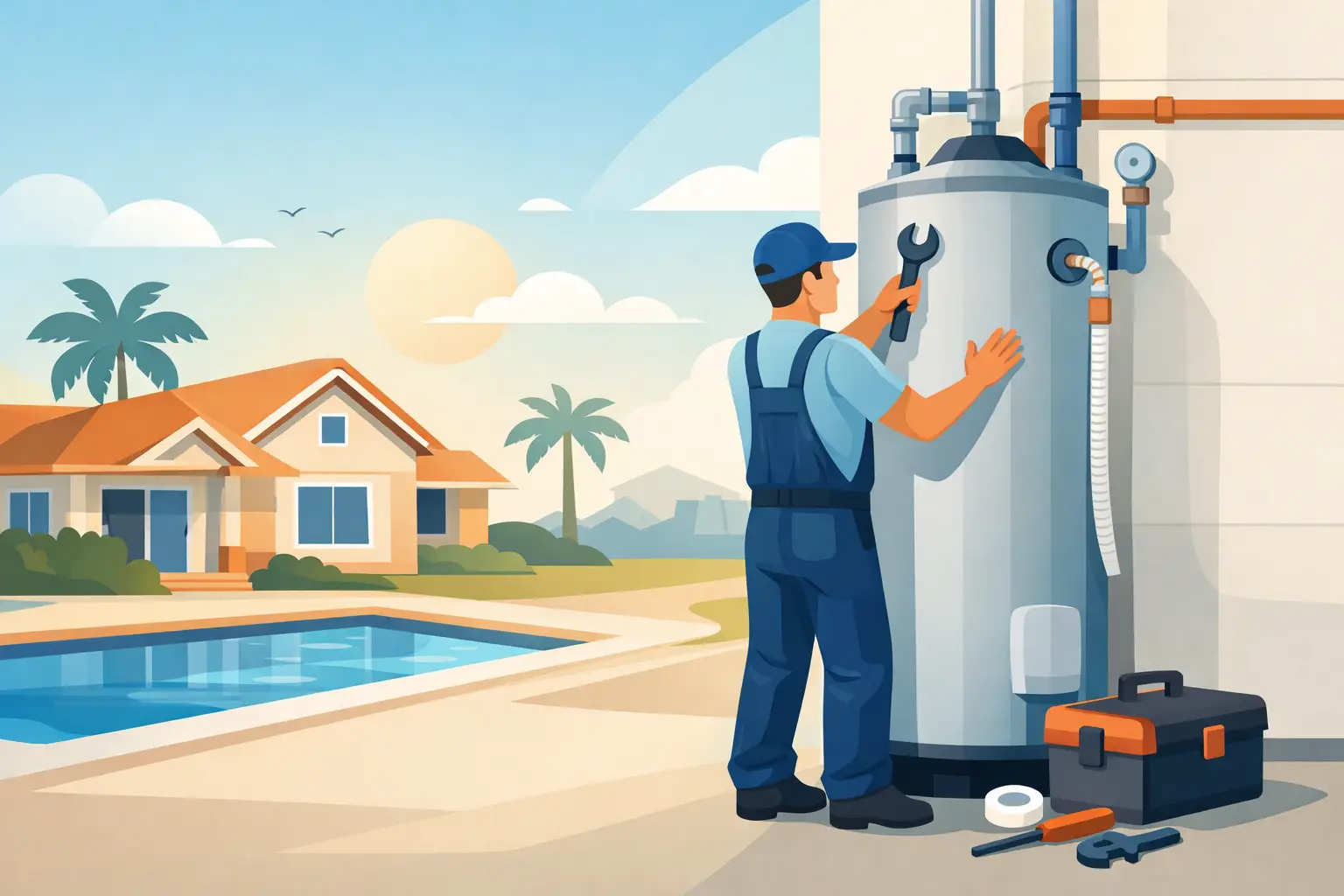
After the right system is selected, the old unit is disconnected and removed safely. The installation team prepares the area, sets the new heater in place, completes required connections, and installs applicable safety components. The system should then be filled, tested for leaks, checked for proper operation, and reviewed with the customer before the job is complete.
For gas units, that includes checking connections and confirming safe venting and ignition. For electric units, it includes verifying the electrical connection and heating operation. For every type, the installer should confirm water flow, temperature performance, shutoff accessibility, and drainage protection.
Transparent pricing matters here. A clear estimate should explain the unit cost, labor, permit needs, removal of the old heater, and any upgrades required to complete the job correctly. An unusually low quote may leave out necessary code work or assume existing components are usable without inspection.
Prepare Your Property for Installation Day
Most straightforward replacements can be completed efficiently, but access and preparation make a difference. Clear a path from the entry point to the water heater location, remove stored items around the unit, and make sure pets are secured. If the water heater is in a closet, garage, or attic, provide enough space for the technician to work safely.
Property managers should also plan around tenant access and hot-water downtime. If the building has a shared system or a commercial water heater, scheduling may need to account for business hours, occupancy, and peak-use periods. A planned replacement is far easier to manage than an after-hours failure.
Protect Your New Water Heater After Installation
Once the new unit is installed, a few habits can help extend its life. Keep the area around the heater clear, check periodically for moisture or corrosion, and avoid blocking access to shutoff valves or service panels. If you notice a new leak, inconsistent temperature, discolored water, or unusual sounds, address it early.
Maintenance needs vary by model. Tank water heaters may benefit from periodic flushing to reduce sediment buildup. Tankless units may need descaling based on water conditions and manufacturer recommendations. Heat pump water heaters need their condensate and air-flow components kept in good working order.
The Flush Club helps Central Florida homeowners, landlords, and business owners make informed water heater decisions with clear inspections, upfront estimates, and professional installation. When hot water is unreliable, choosing the right system and installing it correctly gives you more than a warm shower. It gives you a safer, more dependable property.