A toilet swap can look simple right up until the old unit comes off and the floor flange is cracked, the shutoff valve won’t turn, or the wax ring has been leaking for months. That is why toilet installation cost can vary more than most people expect. In Central Florida homes and commercial spaces, the final price usually comes down to the toilet you choose, the condition of the existing plumbing, and whether the job stays a straightforward replacement or turns into a repair.
If you are budgeting for a new toilet, it helps to think in two parts: the fixture itself and the labor to install it correctly. A basic toilet can be fairly affordable, while labor stays reasonable when the drain, flange, water line, and shutoff valve are all in good shape. Once hidden issues show up, the price can move quickly.
What affects toilet installation cost?
The biggest factor is whether this is a simple replacement or a more involved install. Replacing an existing toilet with a similar model in the same location is usually the most cost-effective option. The supply line is already there, the drain location does not change, and the plumber can focus on removing the old unit, inspecting the connection points, setting the new toilet, sealing it properly, testing for leaks, and making sure it flushes the way it should.
A first-time installation in a new bathroom costs more because it may involve rough-in plumbing, drain work, venting, drywall access, and finish repairs. Moving a toilet to a different spot also increases labor because the drain and water line often need to be rerouted. That kind of work is not just installation anymore – it becomes a larger plumbing project.
The toilet itself also affects cost. A basic two-piece toilet is usually less expensive to purchase and easier to handle during installation. One-piece models, skirted designs, wall-mounted toilets, smart toilets, and pressure-assisted units typically cost more. Some take longer to install, and some require special fittings or electrical access.
Typical price ranges homeowners can expect
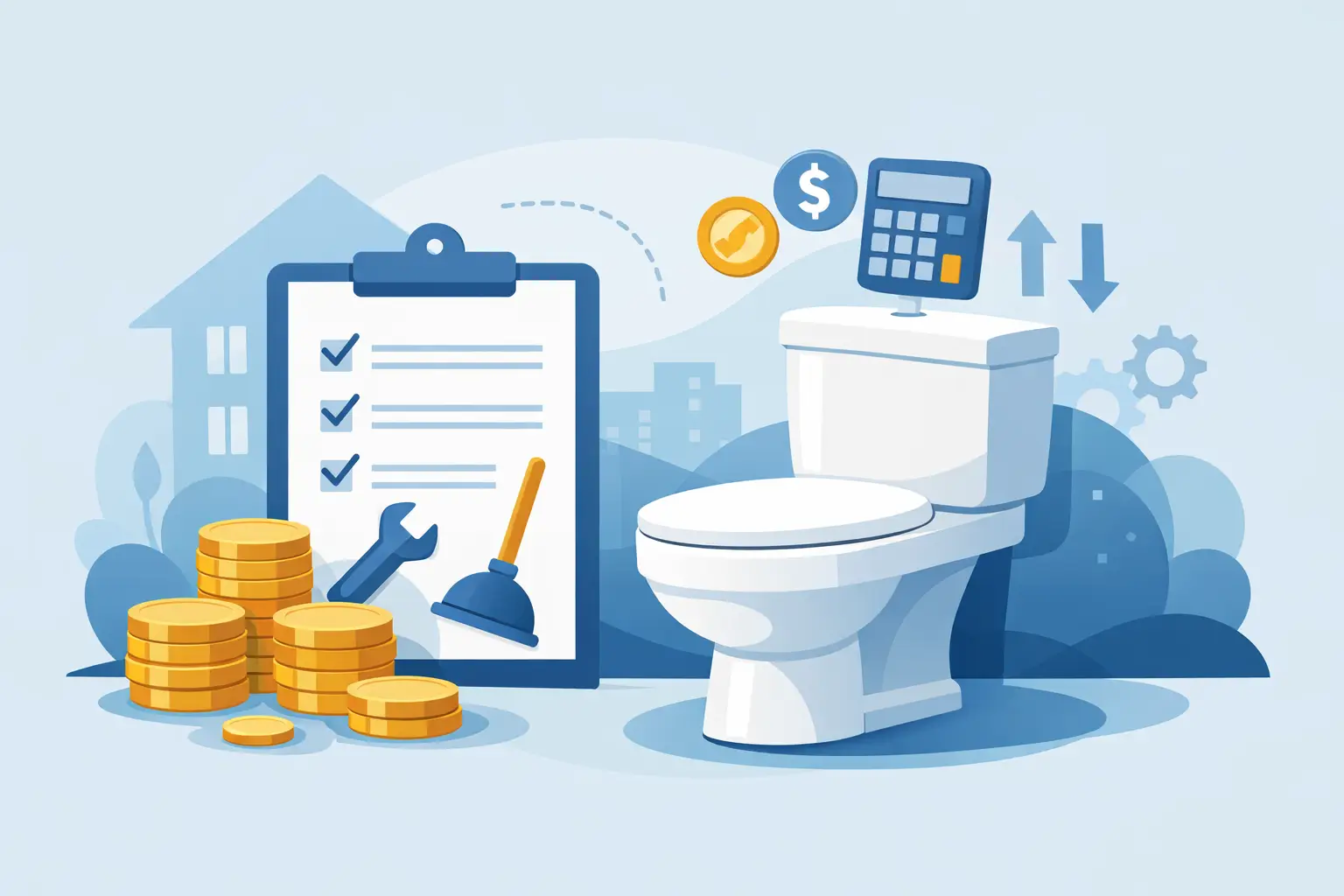
For a standard toilet replacement, many homeowners will spend roughly $250 to $600 total when combining labor and a basic to mid-range toilet. If you already bought the toilet and only need professional installation, labor may fall somewhere around $150 to $350 for a straightforward job. These are general ranges, not guaranteed pricing, because actual costs depend on site conditions and local labor rates.
If the project involves a premium toilet, accessibility features, or repair work at the flange or shutoff valve, total cost often rises into the $500 to $1,000 range or more. New bathroom installations or relocations can go well beyond that because you are paying for plumbing modifications, not just fixture replacement.
For commercial properties, pricing can be a little different. Commercial restrooms may use flushometer systems, wall-hung units, carrier systems, or code-specific components. Those jobs often require more time, more specialized parts, and tighter scheduling to minimize disruption.
Labor is not just setting the toilet in place
A proper install involves more than tightening a couple of bolts. The old toilet has to be removed and disposed of if that service is included. The flange needs to be inspected for cracks, movement, corrosion, or poor alignment. The floor under and around the base should be checked for moisture damage, especially if the previous toilet rocked or leaked.
Then the new toilet has to be assembled if needed, seated correctly, leveled, secured without cracking the porcelain, connected to the water supply, and tested. A licensed plumber will also check for small issues that turn into big ones later, like a weak shutoff valve, an undersized wax seal, or a slow drain that could cause repeat backups.
That is a big reason the lowest quote is not always the best value. A toilet that is installed too loosely, sealed incorrectly, or connected to a failing flange can create floor damage, odors, or leaks that cost far more than the original labor savings.
Hidden repairs that can change the price
The most common surprise is flange damage. The flange is the fitting that anchors the toilet to the drain pipe and helps create a proper seal. If it is broken, rusted, sitting too low, or pulling away from the subfloor, it may need repair or replacement before a new toilet can be installed correctly.
Another common issue is the shutoff valve. If the valve is seized, leaking, or outdated, replacing it during the install is usually the smart move. The same goes for old supply lines. These are relatively small parts, but they matter. Reusing worn components to save a few dollars can lead to leaks behind or beneath the toilet.
Floor damage is the bigger concern. If an old wax ring has been leaking for a long time, the subfloor may be soft or rotted. At that point, a plumber may need to stop and recommend repairs before setting the new unit. No quality installation should cover up structural damage just to finish the job faster.
Toilet type matters more than people think
A standard gravity-flush toilet is usually the easiest and least expensive to install. Comfort-height models are similar in complexity, though the fixture price may be slightly higher. Dual-flush toilets can save water, but some models have more parts and more setup steps.
Wall-mounted toilets tend to cost much more because the tank and carrier are installed inside the wall. If the wall system is already in place and only the bowl is being replaced, the job may be manageable. If not, expect a larger project with higher labor and finish-work costs.
Smart toilets and bidet-integrated models can also raise the price. These often need a nearby electrical outlet, extra setup time, and careful testing of multiple functions. The installation is still very doable, but it is not the same as swapping out a basic builder-grade toilet.
Should you supply the toilet or have the plumber provide it?
Either option can work, but there are trade-offs. Buying your own toilet gives you more control over style and price. If you already know the exact model you want, that can simplify the decision.
The downside is compatibility. Not every toilet is right for every bathroom. Rough-in size, bowl shape, base design, seat height, and trapway placement all matter. If you buy the wrong model, installation gets delayed and the savings disappear fast.
When a plumbing company supplies the toilet, you usually get help matching the fixture to the space and the existing plumbing. That can reduce mistakes and make warranty conversations easier if something is defective. For customers who want a smooth process, this is often the safer route.
How to keep toilet installation cost under control
The best way to avoid surprises is to have the area inspected before installation begins. A clear estimate should account for the scope of work, likely replacement parts, and any signs of existing problems. Transparent pricing matters here because toilet jobs can look small until the old fixture comes off.
It also helps to avoid waiting when you already know the toilet is failing. If the base is loose, the shutoff valve drips, or water is showing around the bottom, delaying the replacement can increase the odds of floor damage and added repair cost.
For landlords and property managers, consistency matters too. Replacing aging toilets before they become emergency calls can lower total maintenance costs across a property. A planned install is almost always easier to manage than a leak, overflow, or tenant complaint after hours.
When paying for professional installation makes sense
Some homeowners consider installing a toilet themselves, and in a few cases that may work out fine. But the risk is usually not in lifting the toilet into place. The risk is in what gets missed. A bad seal, a hairline crack, an unstable floor connection, or an unnoticed flange problem can lead to expensive water damage.
Professional installation gives you a better chance of catching those issues early. It also saves time, reduces cleanup, and gives you confidence that the toilet is secure, leak-free, and working the way it should. For busy homeowners and business owners, that peace of mind is often worth the labor cost.
In a service area like Central Florida, where fast scheduling and reliable workmanship matter, having a plumber inspect the setup before installation can make the entire job more predictable. Companies like The Flush Club build that trust by making the process clear from inspection to estimate to final testing.
If you are pricing a new toilet, the smartest approach is not chasing the cheapest number. It is understanding what the job includes, what condition the plumbing is in, and whether the installation is being done in a way that protects your home or property for the long run. A toilet should be one of the most dependable fixtures in the building, and it usually starts with getting the install right the first time.