A burst pipe at 11 p.m. does not give you time to research plumbing companies like you’re comparing vacation rentals. When you search for an emergency plumber near me, you need someone who answers quickly, shows up prepared, and gives you a clear path to stop the damage.
That search is usually happening under pressure. Water may be spreading across a floor, a toilet may be backing up, or a water heater may have failed right before business hours. In those moments, the best decision is not always the cheapest name on the screen or the first ad you see. It is the plumber who can respond fast, diagnose the issue correctly, and fix it in a way that holds up after the emergency is over.
What counts as a plumbing emergency?
Not every plumbing problem needs a middle-of-the-night service call, but some absolutely do. Active leaks from supply lines, burst pipes, sewer backups, overflowing toilets that will not stop, and water heater failures with leaking tanks all deserve immediate attention. The same goes for a sudden loss of water in a building, especially if it affects health, safety, or day-to-day operations.
Some issues feel urgent but can wait until the next available appointment if you can safely control them. A slow drain in one sink, a dripping faucet, or a toilet that runs occasionally may be frustrating, but they are not usually emergencies unless they are causing property damage or making the space unusable. The key is understanding the difference between inconvenience and risk.
If water is actively damaging walls, flooring, cabinets, or electrical areas, the situation has already moved into emergency territory. The faster you act, the better your chances of limiting repair costs beyond the plumbing itself.
What to do before the emergency plumber arrives
The first step is to stop the flow of water if you can do it safely. That may mean shutting off the local valve under a sink or behind a toilet. If the source is unclear or the valve is not working, shut off the main water supply to the property. For water heater leaks, turning off the unit’s power or gas supply may also be necessary, but only if you know how to do it safely.
Next, move valuables, rugs, paperwork, electronics, or inventory away from the affected area. If water is near outlets or appliances, stay clear and avoid contact until the area is safe. Taking a few photos can also help if you need documentation for insurance or property records.
Then make the call. A good emergency plumbing company will ask the right questions up front, help you take immediate protective steps, and give you a realistic idea of response time.
How to choose the right emergency plumber near me
Speed matters, but speed alone is not enough. You want a company that pairs fast dispatch with licensed workmanship and clear communication. In a true emergency, poor repairs can cost more than the original problem.
Start with responsiveness. If no one answers, if you cannot get a real time frame, or if the person on the phone cannot explain the next steps, keep looking. During an emergency, professionalism starts before the truck arrives.
Experience also matters because emergency calls are rarely textbook situations. A clogged line could be a deeper sewer issue. A ceiling leak might be coming from a pipe, a water heater, or an upstairs fixture connection. You need a plumber who can diagnose the real source, not just treat the visible symptom.
Transparent pricing is another major factor. No homeowner or property manager wants to approve work blindly during a stressful moment. A trustworthy plumber explains the inspection process, identifies the problem, and gives you a clear estimate before moving forward whenever conditions allow.
Why local response makes a difference
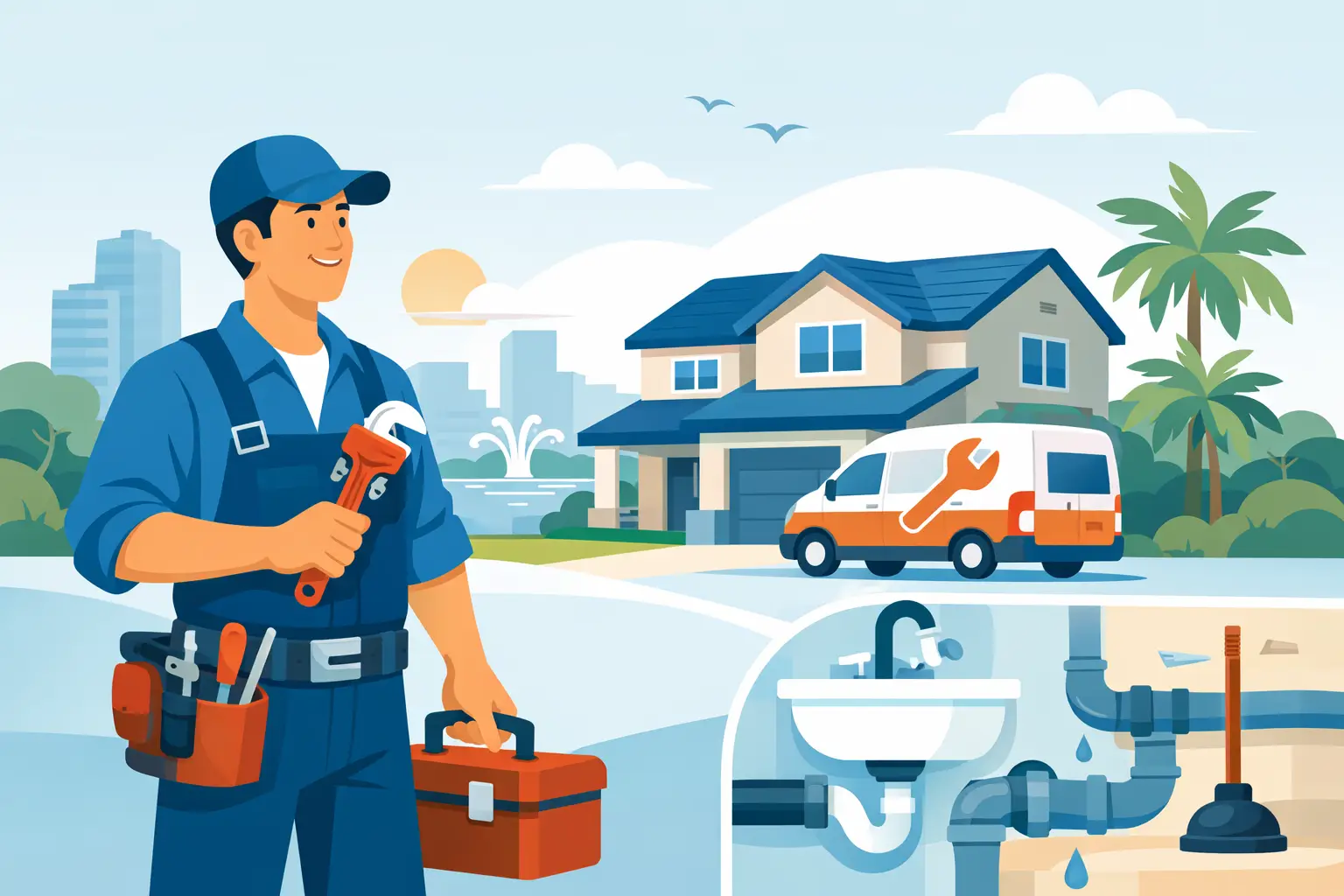
When people search emergency plumber near me, they are not only looking for convenience. They are looking for proximity, and proximity matters in a water emergency. A local company serving your area regularly can often respond faster, knows the common plumbing issues in local homes and buildings, and understands the infrastructure challenges specific to the region.
In Central Florida, for example, plumbing systems can face a mix of hard water wear, slab leak concerns, aging lines, drain issues, and weather-related stress. A local plumber is more likely to recognize patterns quickly and come equipped for the kind of repairs that show up often in the area.
That local familiarity can also help after the emergency. If the repair leads to follow-up work such as repiping, drain cleaning, sewer inspection, water heater replacement, or fixture updates, you are already working with a team that knows the property and the problem.
What a reliable emergency visit should look like
The best emergency plumbing service is organized, not chaotic. When the technician arrives, the process should feel clear. First comes the immediate safety check and damage control. Then comes the inspection to find the actual cause of the issue. After that, you should receive an explanation of what is happening, what needs to be done right away, and whether any secondary repairs may be needed.
Some emergencies can be fully repaired on the first visit. Others may require a temporary stabilization followed by a more extensive repair once parts, access, or additional testing are available. That is not necessarily a red flag. It depends on the issue. A trustworthy plumber will tell you which part of the fix is immediate and which part is long-term.
This is where many customers get frustrated with emergency service in general. They expect one price and one visit no matter the problem. In reality, a failed shut-off valve is very different from a collapsed sewer line or a slab leak. Good plumbers do not hide that. They explain the trade-offs so you can make an informed decision.
Common emergency calls and what they often mean
A burst pipe is the most obvious emergency because the damage starts immediately. It may be caused by age, corrosion, shifting connections, poor previous repairs, or pressure issues. The immediate job is to stop the leak, but the larger question is whether the pipe failure is isolated or part of a broader system problem.
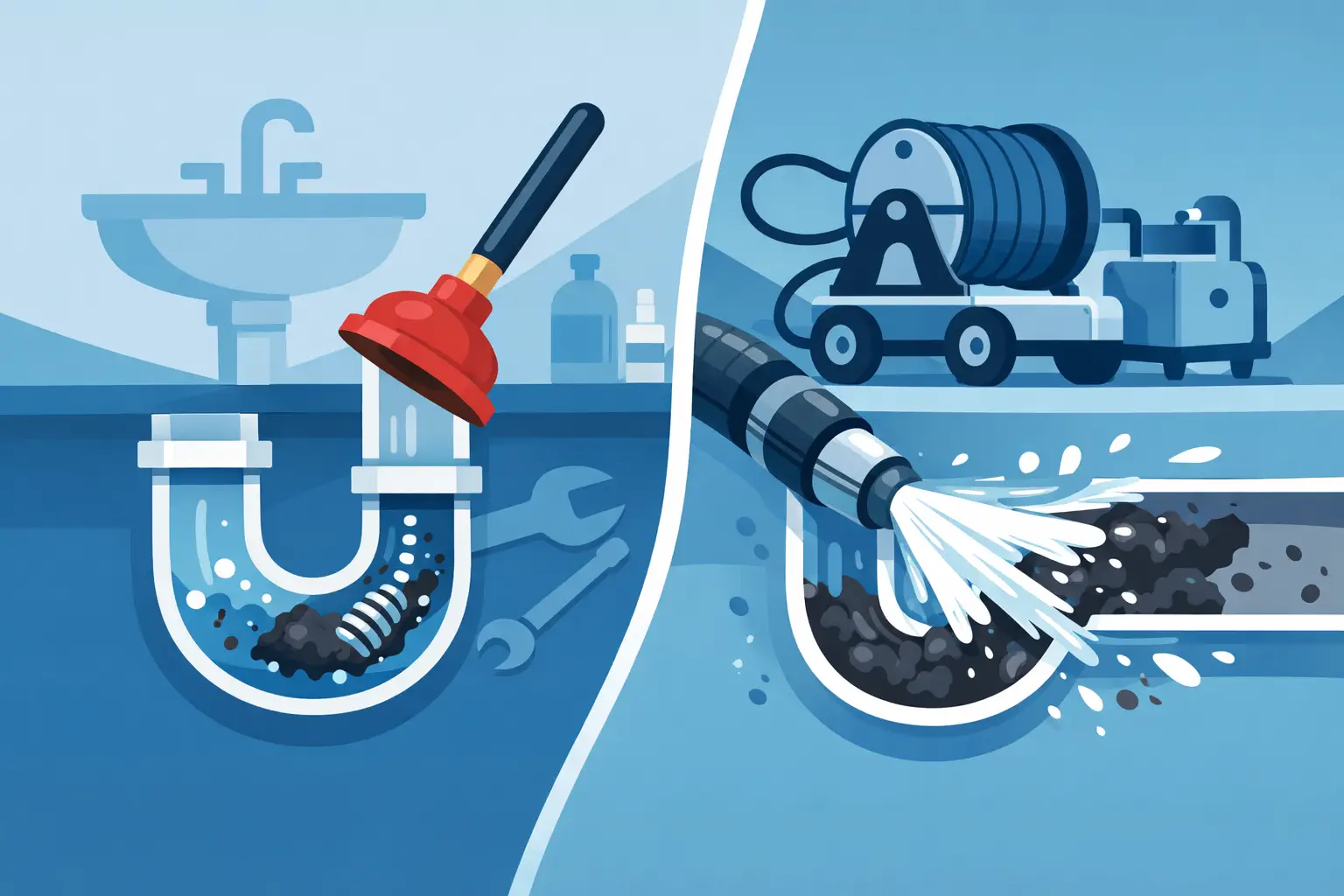
Sewer backups are another urgent issue, especially in homes with multiple affected drains or commercial spaces that cannot operate with a restroom outage. The backup may come from a blockage, root intrusion, pipe damage, or a deeper issue in the main line. Clearing the immediate stoppage is only part of the work if the underlying cause is still there.
Water heater emergencies vary. A unit with no hot water may be urgent for comfort or business operations, but a leaking tank is a more serious concern because it can worsen fast. In many cases, a leaking tank points to replacement rather than repair.
Overflowing toilets can be simple or severe. One isolated toilet issue may be fixture-specific. If flushing one toilet causes backup elsewhere, the problem may be in the drain system itself.
Questions worth asking during the call
When time is tight, keep your questions focused. Ask how quickly they can arrive, whether they handle your specific issue, and what you should do before the technician gets there. Ask whether they provide an estimate after inspection and whether emergency service covers both immediate repair and diagnosis.
It is also reasonable to ask if they are licensed and insured, especially for larger repairs or commercial properties. If you manage a rental, retail space, or multi-unit property, ask whether they can document the problem clearly for owners, tenants, or maintenance records.
A dependable company will not treat these questions like a nuisance. They will answer them because clear expectations reduce stress for everyone involved.
The value of fixing the cause, not just the crisis
Emergency plumbing should not end with stopping the water and moving on. Short-term relief is necessary, but lasting value comes from identifying why the issue happened in the first place. That is especially true for recurring clogs, repeat leaks, inconsistent water pressure, and older plumbing systems.
This is where a service-driven company stands apart. The Flush Club, for example, focuses on fast response while still walking customers through the inspection and estimate process, so the repair does not feel like guesswork. That balance matters. In an emergency, people want urgency, but they also want confidence that the fix will last.
For homeowners, that may mean replacing worn valves, upgrading a failing water heater, or planning a repipe before the next break happens. For landlords and business owners, it may mean solving a line issue before it turns into repeated tenant complaints or downtime.
Searching for an emergency plumber near me usually starts with panic. It should end with a professional who restores order, explains the problem clearly, and helps you protect the property beyond the first repair. When the response is fast, the workmanship is solid, and the pricing is transparent, the emergency stays a plumbing problem, not a bigger one.