A backflow assembly usually sits out of sight until a notice arrives from the city, a failed test shows up on a report, or a business inspection raises questions. That is when backflow preventer testing requirements stop feeling like paperwork and start feeling urgent. If you own a home with irrigation, manage a commercial property, or oversee a rental in Central Florida, knowing what is required can help you avoid water safety issues, failed inspections, and preventable delays.
What backflow preventer testing requirements are meant to prevent
Backflow happens when water moves in the wrong direction through a plumbing system. Instead of clean drinking water flowing outward as intended, contaminated water can be pulled or pushed back into the public water supply. That contamination can come from irrigation systems, chemical lines, boilers, fire sprinklers, hose connections, or any plumbing setup where non-potable water is present.
A backflow preventer is installed to stop that reverse flow. Testing confirms that the device is still doing its job under real operating conditions. This is not just about checking a box for the utility company. It is a safety issue tied directly to drinking water protection.
For property owners, the practical takeaway is simple. If your plumbing system includes a backflow assembly, it usually needs routine testing by a certified professional. The exact schedule and reporting process depend on the device type, local utility rules, and the level of hazard connected to the system.
Who usually has to follow backflow preventer testing requirements
Not every property has a testable backflow assembly, but many do. Commercial buildings are common candidates because they often have complex plumbing systems, irrigation, fire suppression, or specialized equipment. Multifamily properties, restaurants, medical offices, retail centers, and industrial spaces are often subject to routine testing.
Residential properties can also be affected. In Central Florida, homes with irrigation systems, private wells tied into potable plumbing, pool autofill systems, or certain cross-connection risks may be required to have a backflow preventer installed and tested. Some homeowners do not realize they have one until they receive a letter from the local water authority.
The key point is that the requirement usually comes from the water provider or local code enforcement, not personal preference. If your utility identifies a risk, testing becomes part of ongoing compliance.
How often testing is required
In most cases, backflow preventers must be tested once a year. Annual testing is the standard requirement for many cities, counties, and water utilities because these devices have moving parts that can wear out, stick, or fail without obvious signs.
That said, yearly testing is not the only trigger. A device may also need testing after installation, after repairs, after relocation, or after a failed inspection. Some utilities may require additional testing for higher-risk systems or specific device types.
This is where property owners can get tripped up. They assume that if water pressure seems normal, the device must be fine. That is not how compliance works. A backflow preventer can appear normal in daily use and still fail a certified test.
What happens during a backflow test
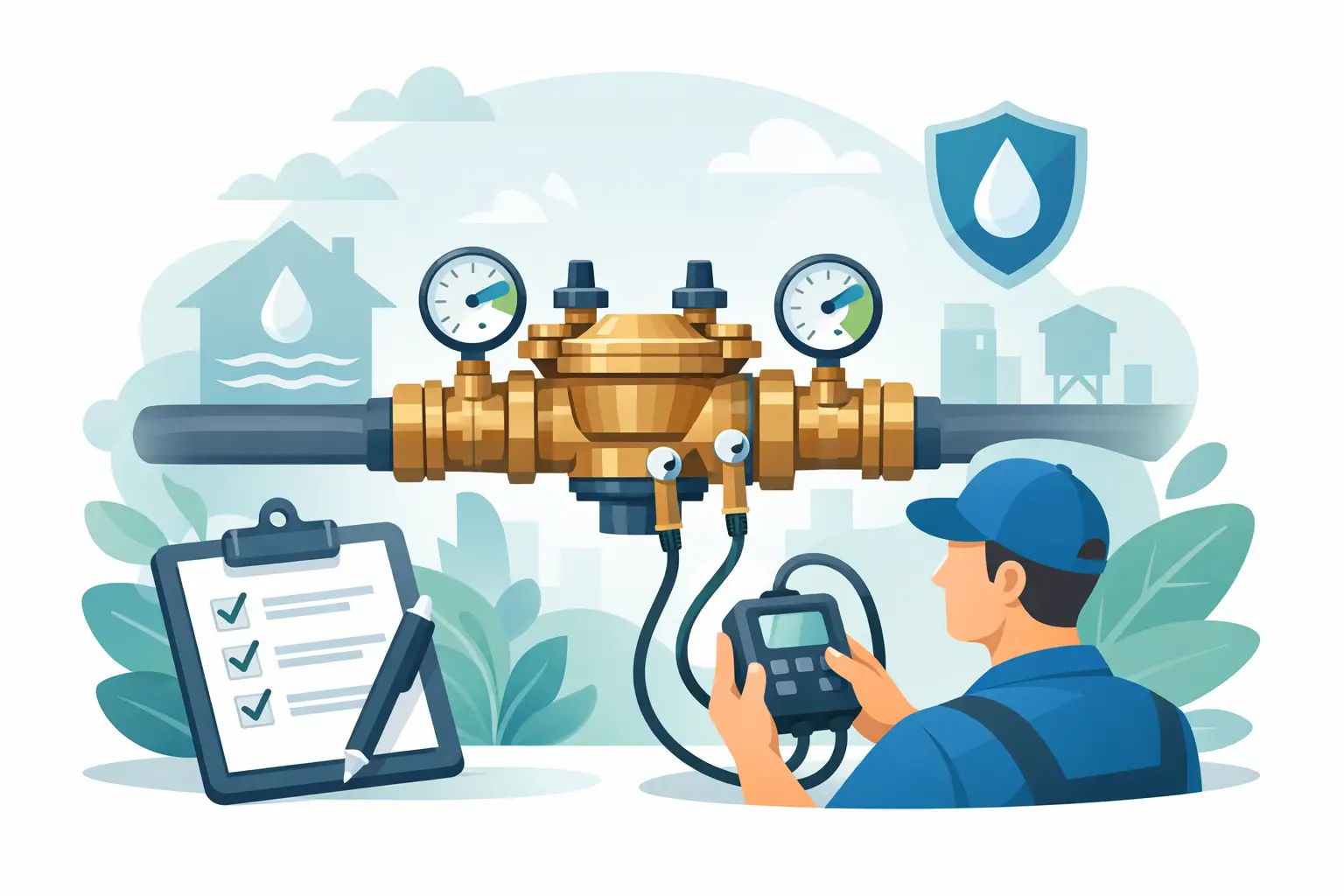
A certified backflow tester connects specialized gauges to the assembly and checks whether the internal valves and relief components operate within acceptable standards. The process is technical, but from the owner’s perspective, it is usually straightforward and relatively quick if the device is accessible and in serviceable condition.
The tester is looking for more than a basic pass or fail. They are verifying pressure integrity, valve performance, and whether the device can stop contaminated water from reversing into the clean supply. If the assembly passes, the results are documented and submitted according to local requirements. If it fails, repairs or replacement may be needed before compliance is restored.
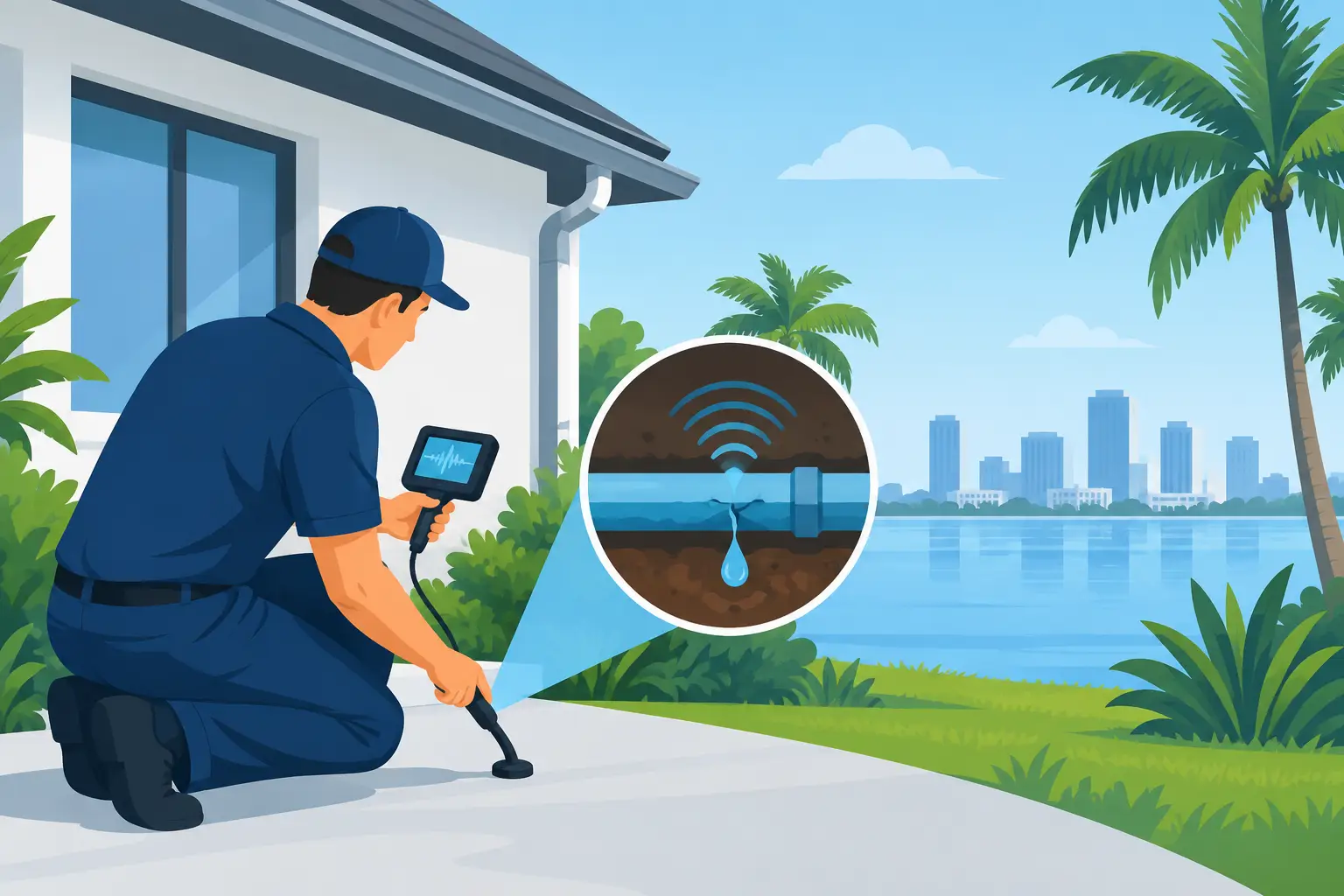
Accessibility matters more than many people expect. If the device is buried, blocked by landscaping, enclosed without working clearance, or located in a flooded box, testing can take longer and may need follow-up work before an accurate test can be completed.
Common devices and why the type matters
Not all backflow preventers are the same, and testing requirements often depend on the device installed. Reduced pressure zone assemblies, double check valve assemblies, and pressure vacuum breakers each serve different levels of hazard and different plumbing applications.
A reduced pressure zone assembly is often used where there is a higher contamination risk because it offers stronger protection. A double check assembly may be used in lower-hazard situations. Irrigation systems frequently use pressure vacuum breakers or other approved devices depending on the setup and local code.
This matters because owners sometimes assume any backflow device is interchangeable. It is not. The wrong assembly, even if newly installed, may not meet code for the hazard level present on the property. Testing verifies function, but correct selection and installation are just as important.
Who is allowed to perform the test
Backflow testing is generally not a DIY task. Most jurisdictions require the test to be performed by a certified backflow tester, and in some cases that person must also hold specific plumbing credentials or local registration.
This protects both the water system and the property owner. A certified tester knows how to evaluate the assembly correctly, identify whether repairs are needed, and complete the paperwork required by the utility or municipality. If the report is incomplete or submitted by someone without the right credentials, the test may not count.
For owners and managers, that means the cheapest option is not always the most efficient one. If a company can test the device but cannot repair or replace it when it fails, you may end up scheduling a second visit, delaying compliance, and increasing downtime.
Why properties fail backflow tests
Backflow preventers fail for several reasons, and not all of them are dramatic. Internal check valves can wear down. Debris can interfere with proper sealing. Relief valves can leak. Shutoff valves may not hold properly. Age, corrosion, heat, ground movement, and poor original installation can all contribute.
Irrigation systems are a frequent source of problems because outdoor assemblies deal with weather exposure, insects, landscape overgrowth, and occasional impact from maintenance equipment. Commercial systems can fail due to heavier use, deferred maintenance, or changes in occupancy that increase the hazard level without updating the plumbing protection.
A failed test does not always mean full replacement is required. Sometimes a repair kit or valve service is enough. Other times replacement is the smarter long-term choice, especially if the device is older, parts are hard to source, or the body is compromised.
What Florida property owners should pay attention to
Florida properties often have irrigation, reclaimed water considerations, commercial build-outs, and year-round exposure to heat and moisture. Those factors make routine testing and inspection especially important. A device that sits outside in a hot, damp enclosure can degrade faster than owners expect.
Local enforcement can also vary. One utility may send annual reminders and require test forms by a specific date. Another may flag noncompliance through inspections, billing notices, or follow-up letters. Waiting until the deadline can create problems if the device fails and repair parts are needed.
For property managers and business owners, it also helps to keep records organized. When a property changes hands, when tenants change use, or when municipal inspections occur, having prior test reports available can save time and reduce confusion.
How to stay compliant without overcomplicating it
The easiest approach is to treat backflow testing like any other scheduled plumbing maintenance. Know whether your property has a testable assembly, confirm which device is installed, and schedule testing before the deadline rather than after the notice becomes urgent.
If the tester finds a problem, address it promptly. Delays can lead to failed compliance status, repeat visits, or water service issues depending on local policy. It also makes sense to have the assembly visually checked during other plumbing work, especially after irrigation modifications, water line repairs, or renovations.
A plumbing company that handles testing, repair, and replacement under one roof can simplify the process. For Central Florida property owners, that often means fewer scheduling gaps, clearer communication, and a faster path from inspection to resolution.
When to call for help
If you received a notice from your water utility, are unsure what type of backflow device is on your property, or suspect the assembly is damaged, it is worth getting a professional evaluation. The Flush Club works with homeowners and commercial clients across Central Florida to handle backflow testing and related plumbing needs with clear communication and dependable service.
The goal is not just to pass one test. It is to keep your water system protected, your property compliant, and your next inspection from turning into a last-minute scramble. A little attention now can save a lot of frustration later.