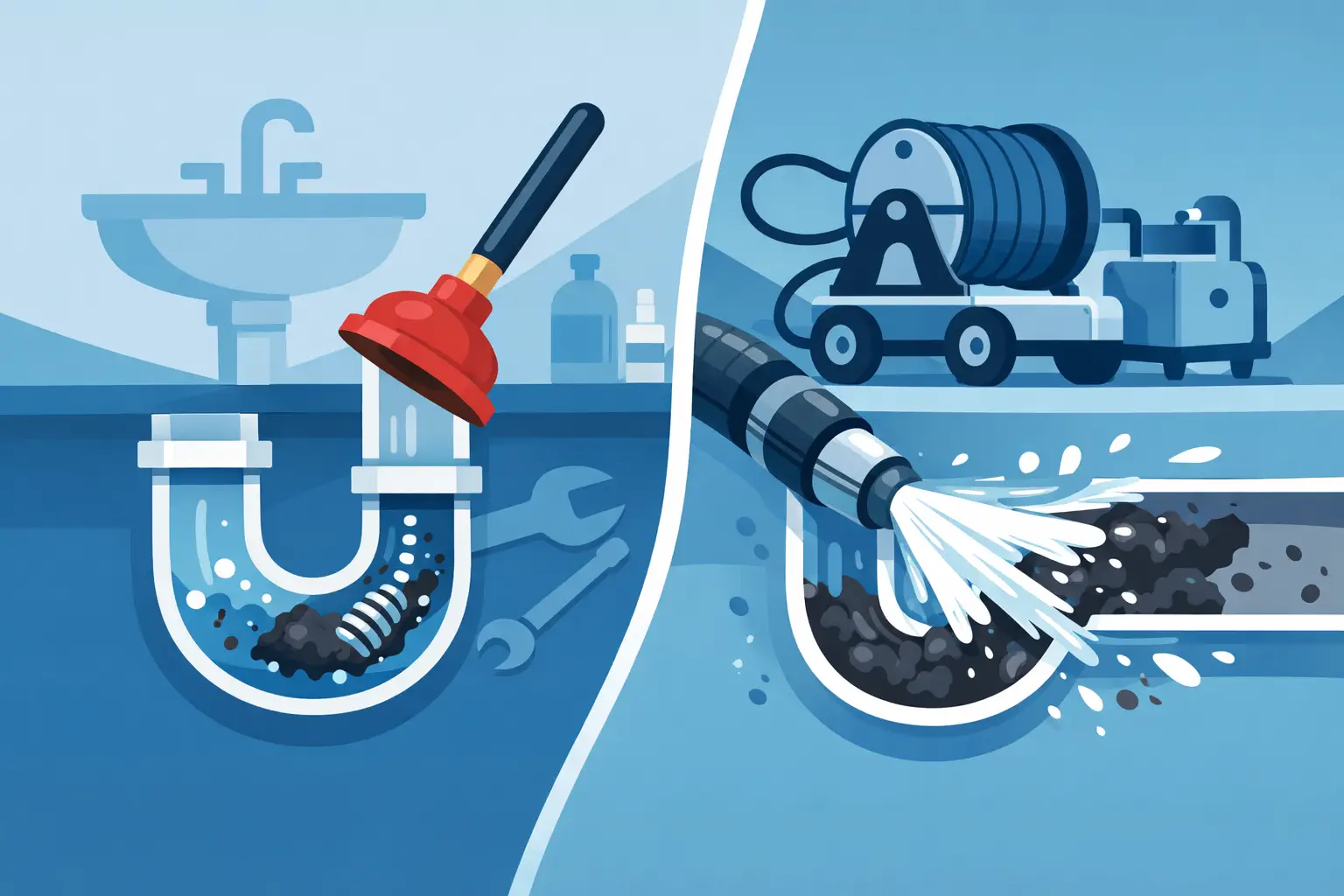

A house can hide pipe problems for years, right up until the day the water pressure drops, the shower turns rusty, or a leak shows up where it should not. When that starts happening in an older home or commercial property, patching one section at a time usually stops making financial sense. That is when calling an Orlando repipe specialist becomes the smarter move.
Repiping is not a small repair, and most people only deal with it once. That makes the decision feel high stakes. You want the work done quickly, you want clear pricing, and you want confidence that once the walls are closed up, the plumbing system is built to last.
What an Orlando repipe specialist actually does
A repipe specialist focuses on replacing some or all of a property’s water supply piping. In some cases, that means removing outdated galvanized lines that have corroded from the inside. In others, it means replacing repeated problem areas in copper or older plastic systems that have become unreliable.
This is different from a standard plumbing repair call. A repair handles one leak, one bad section, or one fixture connection. Repiping looks at the full system and asks a bigger question: is this plumbing network still dependable, or are you paying again and again to keep an aging system limping along?
For homeowners, the answer often becomes clear after the second or third leak. For landlords and property managers, the tipping point is usually repeated tenant complaints, water damage risk, and rising maintenance costs. For small business owners, downtime matters just as much as the repair bill. If pipes are affecting restrooms, break rooms, or daily operations, the cost of waiting climbs fast.
Signs you may need repiping instead of another repair
Not every plumbing problem means you need a full repipe. Sometimes a single isolated leak really is just a single isolated leak. But there are patterns that point to a system-wide issue.
If your property has frequent leaks in different locations, discolored water, noticeable drops in water pressure, or pipes made from aging materials, those are all serious signs. Noisy pipes, temperature fluctuations, and visible corrosion around exposed plumbing can also indicate the system is wearing out.
Age matters too. Many older Central Florida homes still have plumbing that was installed decades ago. Even if it has not failed dramatically yet, the inside of those pipes may already be narrowed by buildup or weakened by corrosion. You may not see the damage until a fixture runs weakly or a hidden leak causes drywall or flooring issues.
There is also a practical money question. If you are paying for repeated leak detection, drywall repair, and emergency plumbing visits, the total can overtake the cost of a planned repipe sooner than expected. Planned work is usually less disruptive and easier to budget for than a series of urgent repairs.
Why repiping decisions are different in Orlando
An Orlando repipe specialist needs to understand more than pipe materials. Local housing stock, slab construction, water quality conditions, and year-round plumbing demand all affect how a repipe should be planned.
In many Central Florida properties, access matters. Some homes are built in ways that allow cleaner rerouting through attics or walls, while others require a more careful strategy to minimize cutting and restoration. In commercial settings, scheduling can be just as important as the installation itself. Work may need to be phased around tenants, customers, or operating hours.
That is why the inspection stage matters so much. A reliable plumber should not treat every repipe the same. They should evaluate the current pipe layout, identify the material already in place, look for trouble spots, and explain what can be replaced with the least disruption.
Choosing the right piping material
Most repipe projects come down to copper or PEX, and each has strengths depending on the property and budget.
Copper has a long track record and remains a solid option in many buildings. It is durable, familiar to many property owners, and often preferred where a more traditional piping system is desired. The trade-off is cost. Copper generally comes at a higher material and labor price, and installation can be more involved.
PEX has become a popular repiping choice because it is flexible, efficient to install, and often more cost-effective. It can allow for faster routing with fewer wall openings, which helps reduce disruption. That said, product quality and installation quality matter. A poor installation can undercut the advantages of the material.
The right answer depends on the property, your priorities, and your long-term plans. If you are staying in your home for many years, your decision may be different from a landlord trying to improve reliability across a rental unit while keeping turnover time short. A good repipe specialist should walk you through the pros and cons instead of pushing one material for every job.
What the repiping process should look like
A professional repipe should start with a clear inspection and estimate. That means reviewing the current system, identifying which lines are being replaced, discussing access points, and setting expectations for timing. If a company cannot explain the scope in plain language, that is a problem.
From there, the actual work typically involves shutting off the water, creating access where needed, installing the new supply lines, connecting fixtures, pressure testing the system, and then coordinating the patch and restoration phase. Depending on the size of the home or building, the project may take anywhere from one day to several days.
Water downtime is one of the biggest customer concerns, and reasonably so. In many cases, a skilled crew can limit how long your water is off during each stage. That does not mean there is no disruption. It means the work is organized to keep disruption manageable.
The best companies are upfront about this. They do not pretend repiping is invisible. They explain where cuts may be needed, what areas of the property will be affected, and how they will test the system before the job is considered complete.
What to ask before hiring an Orlando repipe specialist
Experience matters, but not just general plumbing experience. Repiping is its own category of work. It requires planning, coordination, speed, and precision. Ask whether the company handles repipes regularly and whether they work on both residential and commercial properties if that applies to your situation.
You should also ask about licensing, insurance, warranties, and how the estimate is structured. Transparent pricing matters on a project like this. You do not want surprises halfway through.
It also helps to ask how the company handles unexpected findings. Sometimes walls open up and reveal additional concerns, like previous bad repairs or fixture shutoffs that need replacement. A dependable contractor should explain how those situations are communicated and approved.
Another smart question is how they plan to minimize disruption. That answer tells you a lot about their process. A strong local company will think not only about installing pipe correctly, but also about protecting your home, your schedule, and your ability to keep the property functional.
Red flags to watch for
If a contractor jumps straight to a repipe without inspecting the full system, be cautious. If the pricing is vague, the timeline is fuzzy, or the material recommendation is one-size-fits-all, that is another warning sign.
Be careful with companies that downplay the complexity of the job just to win it. Repiping should feel well explained, not oversold. You want confidence, not pressure.
Fast service is valuable, especially if leaks are getting worse, but speed should not come at the expense of workmanship. The right plumbing team combines responsiveness with a clear process. That balance matters more than flashy promises.
The long-term value of doing it right
A properly repiped property can mean more stable water pressure, cleaner-looking water, fewer leaks, and less stress every time you turn on a faucet. For homeowners, that often means peace of mind. For property managers and business owners, it can mean fewer interruptions, lower maintenance headaches, and a more dependable building overall.
There is also resale and occupancy value to consider. Updated plumbing is a meaningful improvement, especially in older properties where buyers or tenants may worry about hidden infrastructure problems. While repiping is not the most visible upgrade, it is one of the most practical.
When handled by a trusted local team like The Flush Club, the process should feel organized from the first inspection to the final walkthrough. Clear communication, licensed workmanship, and honest recommendations make a major difference on a project this important.
If your pipes have become a recurring problem instead of an occasional repair, waiting rarely makes the situation cheaper. The best next step is not to guess – it is to get a professional assessment and find out whether your property needs another repair or a real reset.