A shower that starts pooling around your feet usually gives you a little warning before it turns into a full clog. Maybe the water drains slower each week, or you notice a sour smell coming from the drain after use. If you are wondering how to unclog a shower drain, the good news is that many minor clogs can be cleared with a few basic tools and the right approach.
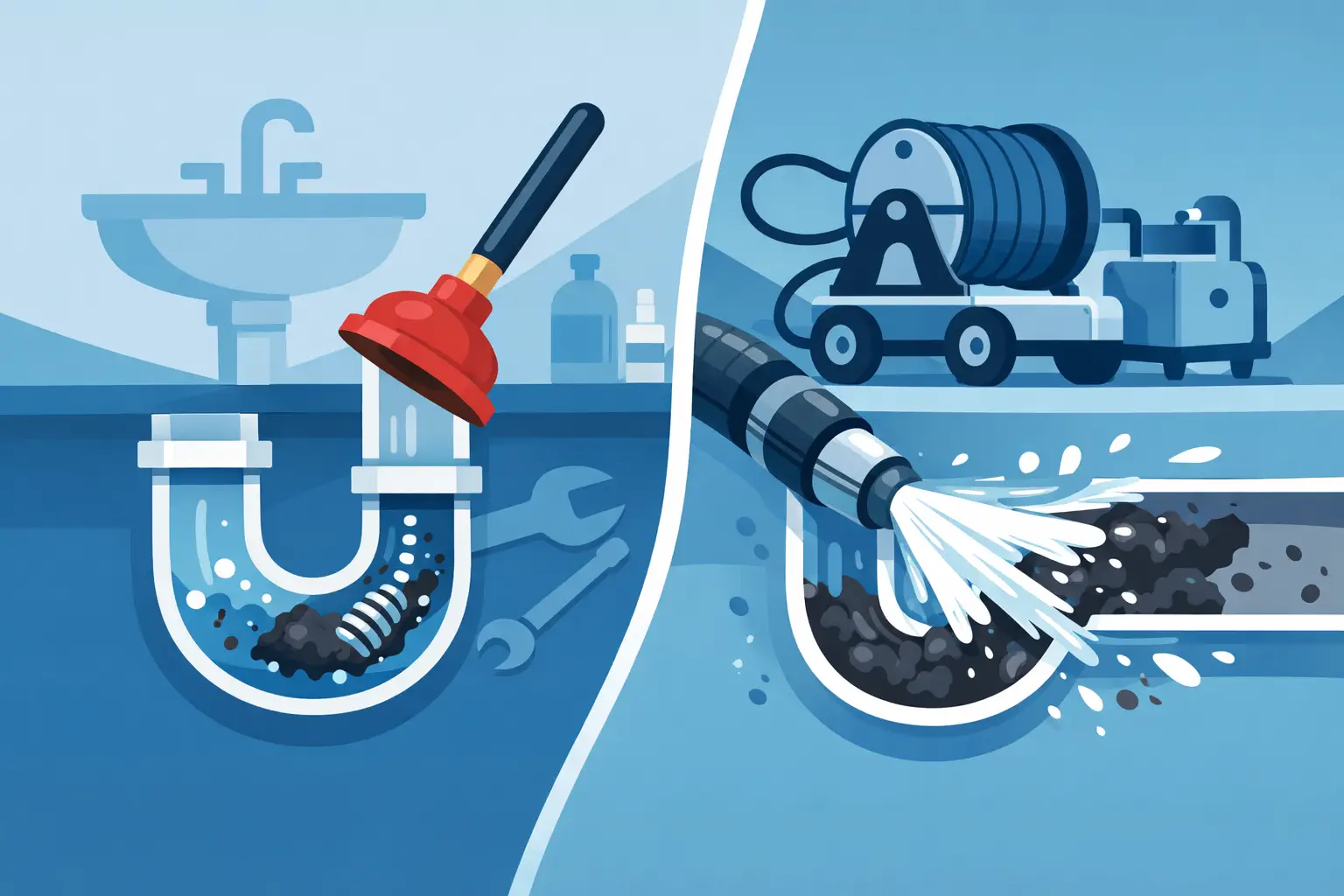
The key is not making the problem worse. Shower drain clogs are often caused by a mix of hair, soap residue, conditioner, and everyday buildup sitting just below the drain cover. In some homes, especially older properties or busy rentals, the blockage may be deeper in the line. That is where knowing the difference matters.
How to unclog a shower drain without damaging your pipes
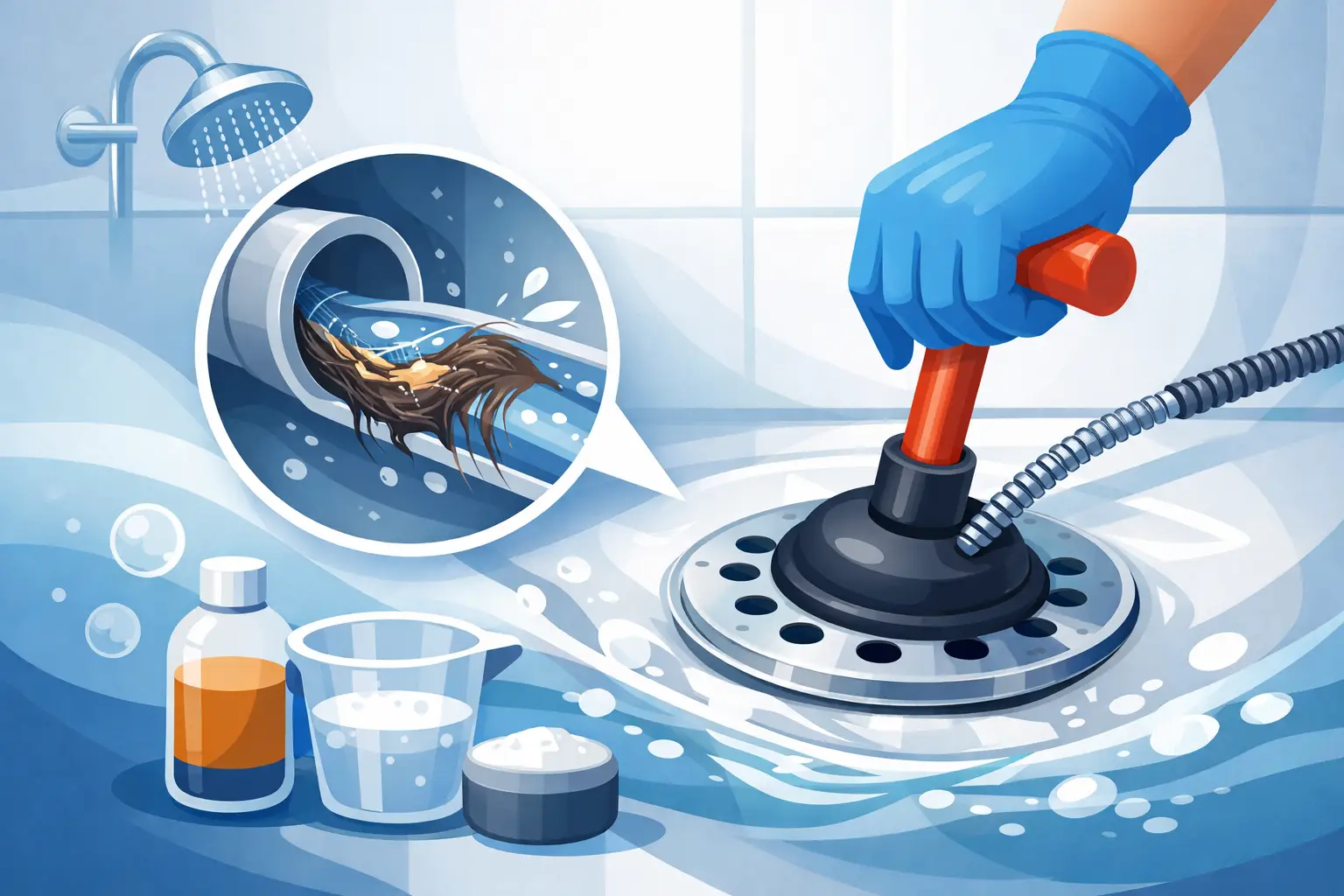
Start with the simplest fix first. In many cases, the clog is sitting close enough to the top of the drain that you can remove it manually. Put on gloves, take off the drain cover if it is removable, and use a flashlight to look inside. If you can see hair or sludge near the opening, use a plastic drain tool or a small hook to pull it out.
This part is unpleasant, but it is often the fastest solution. Once the visible debris is removed, run hot water for a minute or two and see if the drain improves. Hot water can help loosen soap scum, but it will not break apart a serious blockage on its own.
If standing water is already in the shower, remove as much as you can first with a cup or small container. That gives you better access to the drain and keeps any next step from backing up onto the floor.
Try a safe flush before stronger methods
After clearing what you can see, pour hot, not boiling, water slowly into the drain. Very hot water is usually fine for most modern plumbing, but boiling water can be risky for certain pipe materials or older joints. If you are not sure what type of piping you have, play it safe.
You can follow that with a simple baking soda and vinegar rinse if you want a mild cleaning reaction. It may help with light residue, but it is not a miracle fix. For a true hair clog, mechanical removal works better than kitchen remedies.
When a plunger can help
A sink plunger or small cup plunger can be effective if the clog is compacted a bit farther down. Add enough water to cover the plunger lip, place it over the drain, and plunge with steady pressure for 20 to 30 seconds. Then stop and test the drain.
This works best when there is enough seal and the blockage has not fully hardened into a dense mass of hair and soap. It also helps if nearby drain openings are covered so air does not escape. In some showers, getting a proper seal is difficult, so results vary.
If the water begins to drain and then slows again, you may have partially broken up the clog without fully removing it. That is progress, but it usually means more debris is still sitting in the line.
Using a drain snake or hair removal tool
If the drain is still slow, the next practical step is a hand snake or plastic drain zip tool. This is often the most reliable DIY method for anyone learning how to unclog a shower drain because it physically reaches and removes the blockage instead of trying to dissolve it.
Feed the tool slowly into the drain, rotate if needed, and pull it back out carefully. Expect to bring up a mix of hair, soap residue, and buildup. It is messy, but effective. You may need to repeat the process several times before water starts moving freely again.
Be gentle while feeding the tool. Forcing it can damage older drain components or cause the tool to bind in the trap. A simple hand snake is usually enough for a shower clog near the drain. If you meet solid resistance deeper in the line, stop there. Pushing harder can turn a simple clog into a repair.
What about chemical drain cleaners?
This is where a lot of homeowners lose time and create bigger plumbing problems. Store-bought drain cleaners may seem like the fastest option, but they come with trade-offs. Some products can sit in the line without fully clearing the blockage, especially if the clog is mostly hair. Others generate heat or contain harsh chemicals that can affect older pipes, fittings, or finishes.
They can also make the next step more hazardous. If you pour a chemical cleaner down the drain and it does not work, anyone opening that drain afterward is dealing with caustic liquid. That includes you and any plumber called in later.
For that reason, chemical cleaners are rarely the first recommendation from a professional plumber. Mechanical clearing is safer, more targeted, and usually more effective for shower drains.
Signs the clog is deeper than the shower drain
Sometimes the shower is not the real problem. A slow shower drain can be the first visible sign of a deeper branch line blockage. If you notice water backing up in another fixture, gurgling sounds after flushing a toilet, or a foul drain odor that keeps returning, the issue may be farther down the system.
That is especially common in older Central Florida properties, buildings with heavy day-to-day use, or homes where drain maintenance has been delayed for a while. Hair and soap buildup can create the first restriction, but grease, scale, or foreign debris deeper in the line may be what is actually stopping proper flow.
If multiple drains are acting up at once, skip the DIY trial-and-error approach. That points to a bigger drainage issue, not just a simple shower clog.
When to call a plumber for a clogged shower drain
There is a point where getting expert help saves time, stress, and potential damage. If you have removed the drain cover, used a hair tool or snake, tried plunging, and the water is still not draining properly, it is time for a professional inspection.
The same goes for recurring clogs. If the shower backs up every few weeks, there is likely more going on than surface-level hair buildup. A licensed plumber can identify whether the issue is in the trap, branch line, or main drain path and clear it with the right equipment.
Professional drain service also matters when the shower is in a rental, commercial space, or shared bathroom where downtime creates more disruption. Quick fixes are tempting, but repeat backups cost more in the long run. A proper diagnosis gives you a clearer answer and a longer-lasting solution.
At The Flush Club, the focus is not just getting water moving again. It is finding the real cause, explaining what is happening, and fixing it the right way.
How to keep a shower drain from clogging again
Prevention is simple, but it needs consistency. A drain screen is one of the easiest and most effective ways to catch hair before it enters the pipe. It is inexpensive, easy to clean, and does more than most people expect.
Regular cleaning helps too. Removing hair from the screen after each shower takes seconds and can prevent the kind of buildup that turns into a blockage. Flushing the drain with hot water once in a while can also help reduce soap residue near the opening.
If your household has long hair, pets being washed in the tub, or heavy use from multiple occupants, maintenance matters even more. Property managers and landlords should pay close attention here. A drain that works fine for one person may clog quickly in a high-use unit.
A few mistakes to avoid
Do not keep forcing water into a fully blocked shower and hope it suddenly clears. That increases the chance of overflow and can leave dirty water sitting against caulk lines, tile edges, or flooring outside the pan.
Do not use random tools that can scratch, puncture, or break drain parts. Metal hangers are a common example. They seem convenient, but they are hard to control and not designed for plumbing.
And do not ignore a drain that is getting slower week by week. Early action is always easier than dealing with a complete backup.
The right fix depends on the kind of clog
That is the part many people miss. Learning how to unclog a shower drain is not just about finding one trick that always works. It depends on whether the clog is shallow or deep, soft or compacted, isolated to one fixture or part of a larger drainage issue.
For a basic hair clog near the drain opening, a simple removal tool may solve it in minutes. For a recurring backup or a deeper line obstruction, the smartest move is professional service before the problem spreads to other fixtures.
If your shower drain is slow today, treat it like an early warning. A fast response now is usually the easiest path to a clean, reliable drain and one less plumbing problem to worry about.