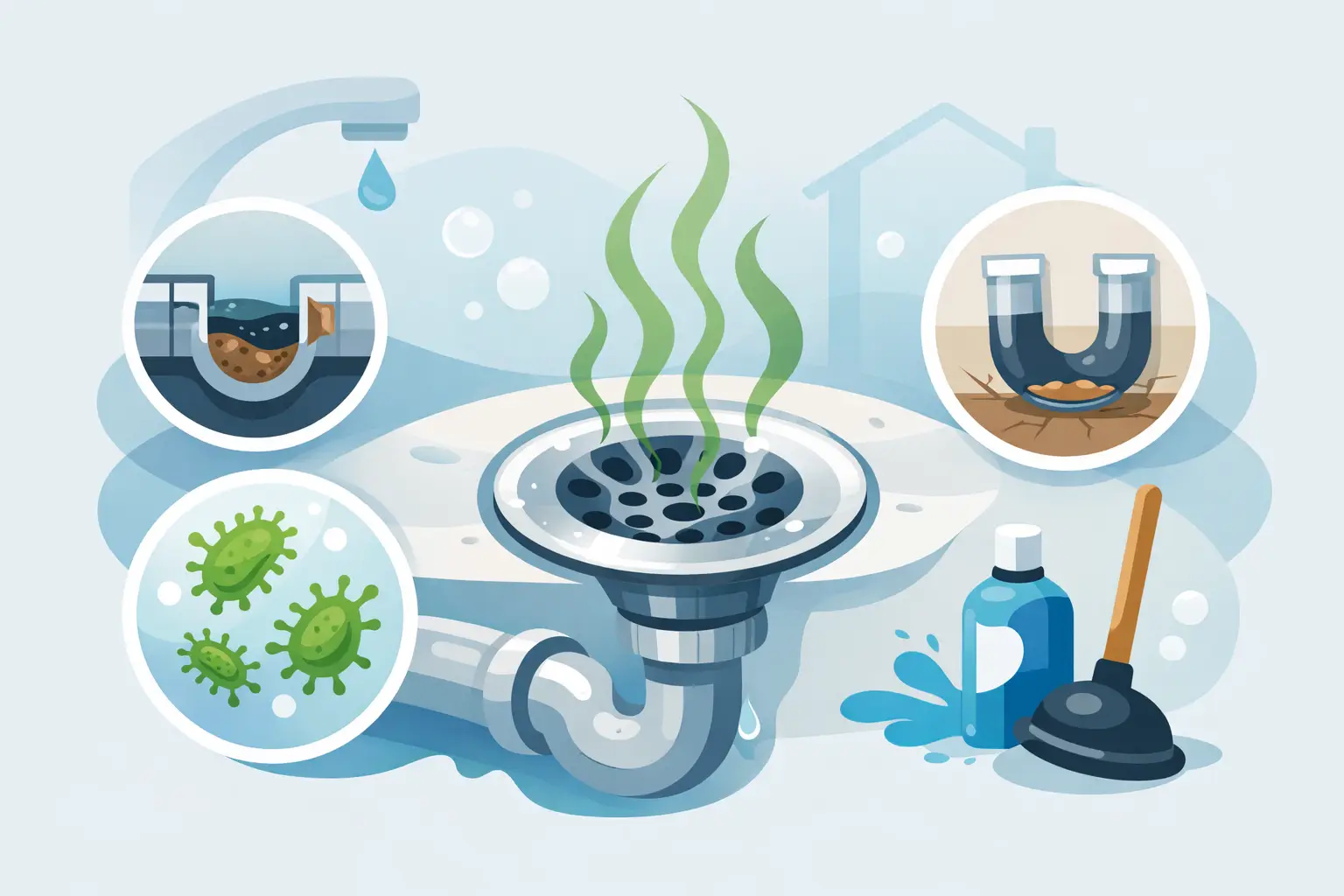
A drain odor can turn a clean kitchen or bathroom into a place no one wants to use. If you are asking, “why does my drain smell,” the answer is usually trapped debris, a dry plumbing seal, or a developing drain or sewer issue. Some causes are simple to address at home. Others need prompt professional attention to prevent backups, leaks, or exposure to sewer gases.
The useful clue is not just that the drain smells. It is when it smells, where the odor is strongest, and whether water is draining normally. A smell that appears only after a rarely used shower sits unused points to a different problem than a persistent rotten-egg odor coming from several fixtures.
Why Does My Drain Smell? Start With the Type of Odor
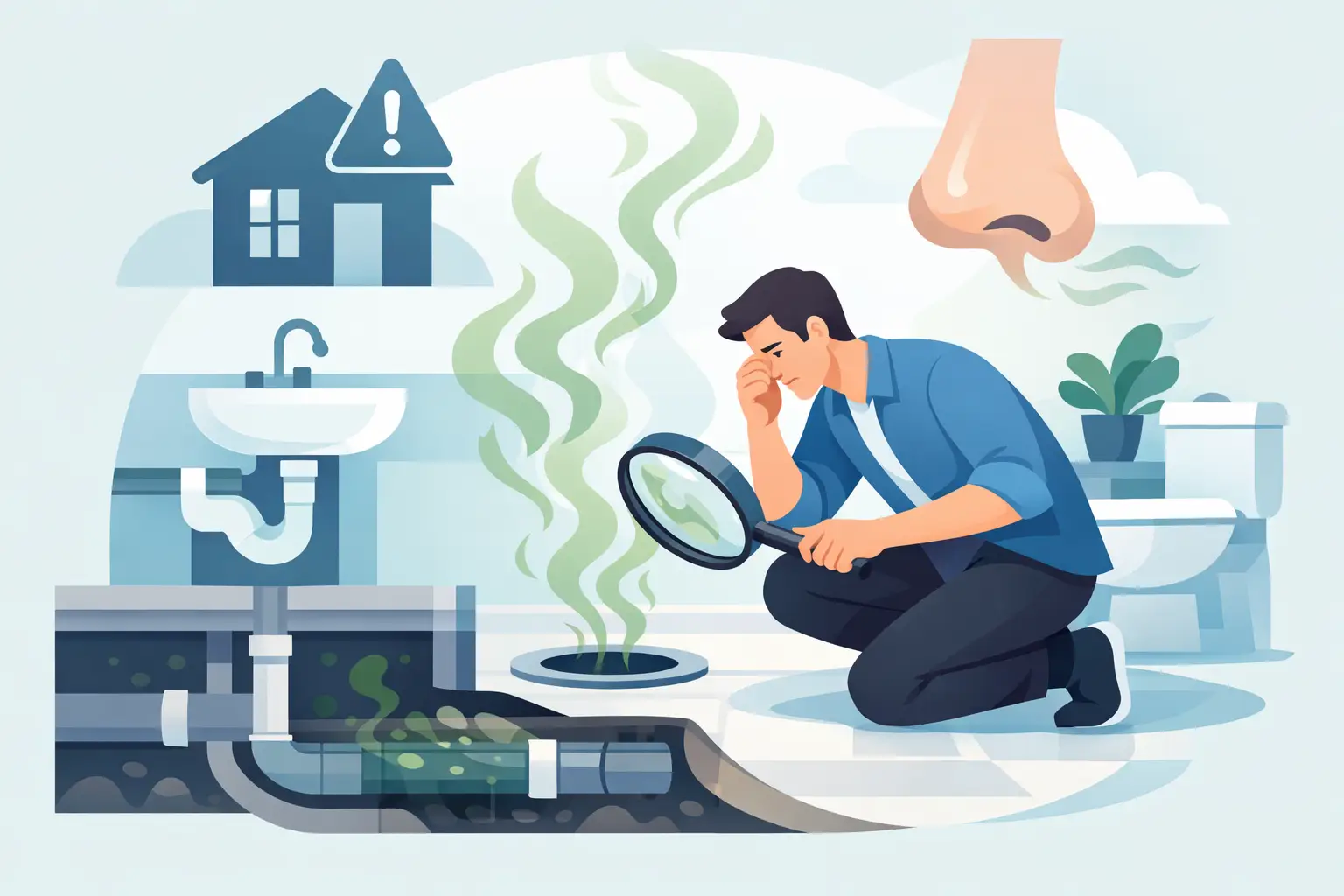
Most drain odors fall into a few recognizable categories. A musty or sour smell often comes from soap residue, hair, food particles, or bacterial buildup inside the drain. A rotten-egg or sewage smell may mean sewer gas is getting past a plumbing trap or that there is an issue farther down the drain line.
Kitchen drains can smell especially strong because grease, food scraps, and residue collect in the disposal, drain opening, and connecting pipe. Bathroom sinks and showers commonly develop odors from hair, toothpaste, soap scum, and skin oils. Floor drains in laundry rooms, garages, utility rooms, and commercial spaces can smell when they dry out or collect sediment.
The location matters. If one drain smells, the cause may be local to that fixture. If several drains smell at once, or if the odor is strongest outside near a sewer cleanout, the issue may involve the main sewer line or plumbing vent system.
Common Reasons a Drain Starts Smelling
A dry P-trap is letting sewer gas through
Beneath most sinks and inside shower, tub, and floor-drain plumbing is a curved section of pipe called a P-trap. It holds a small amount of water that creates a seal between your home and the sewer system. When that water evaporates, sewer gas can travel up through the drain.
This is common in guest bathrooms, vacant properties, seasonal homes, utility rooms, and seldom-used floor drains. Central Florida heat can speed up evaporation in spaces that do not get regular use. If a drain has been dry, slowly pour water into it for 30 seconds. For a floor drain, adding a small amount of mineral oil after the water can help slow evaporation. If the smell returns quickly, the trap may be leaking, siphoning dry, or connected to a venting problem.
Organic buildup is sitting in the drain
Drain pipes are not smooth and spotless inside. Over time, residue sticks to the pipe walls and creates a film where bacteria grow. In a bathroom, the mixture is usually hair, soap, and personal-care products. In a kitchen, it is often grease and food waste. That buildup can produce a sour, stale, or sewer-like odor even when water still drains.
A careful cleaning of the drain stopper, sink overflow opening, and visible debris near the drain can make a major difference. For kitchen sinks, clean the splash guard and underside of the garbage disposal if you have one. Run cold water while the disposal operates, then flush it with plenty of water afterward.
Avoid relying on harsh chemical drain cleaners for recurring smells. They may not remove the buildup causing the odor, and they can damage older pipes, seals, and fixtures. They are also hazardous if a drain later needs to be opened or serviced.
There is a partial clog in the line
A partial clog holds dirty water and debris in the pipe longer than it should. You may notice a smell along with slow draining, gurgling, or water that briefly rises before going down. The odor can get worse after using the sink, shower, dishwasher, or washing machine because fresh water disturbs the material caught in the line.
A plunger may help with a minor, localized clog, depending on the fixture. However, repeated plunging without improvement is a sign to stop and have the line inspected. Forcing a clog deeper can create a more difficult blockage, particularly in older plumbing or shared drain lines in multi-unit properties.
The garbage disposal needs attention
A disposal can smell even when the sink drain itself is clear. Small food particles lodge beneath the rubber splash guard, around the grinding chamber, or in the discharge pipe. Grease can also coat the interior and trap odors.
Turn off power to the disposal before cleaning around the opening. Wipe the removable splash guard if your unit has one, and flush the disposal with cold water during normal operation. Never put your hand or a tool into a disposal while it is connected to power. If it hums, leaks, drains slowly, or smells bad despite cleaning, it may need service or replacement.
A plumbing vent may be blocked or damaged
Your plumbing system uses vent pipes to balance pressure and move sewer gases safely out through the roof. When a vent is blocked by debris, a nest, or damage, water can pull out of a P-trap or drains may gurgle and smell.
Vent issues are not usually a DIY roof project. The symptoms can look like an ordinary clog, but the repair is different. A professional inspection can determine whether the problem is a blocked vent, a damaged pipe, or a drain-line obstruction.
The sewer line may be compromised
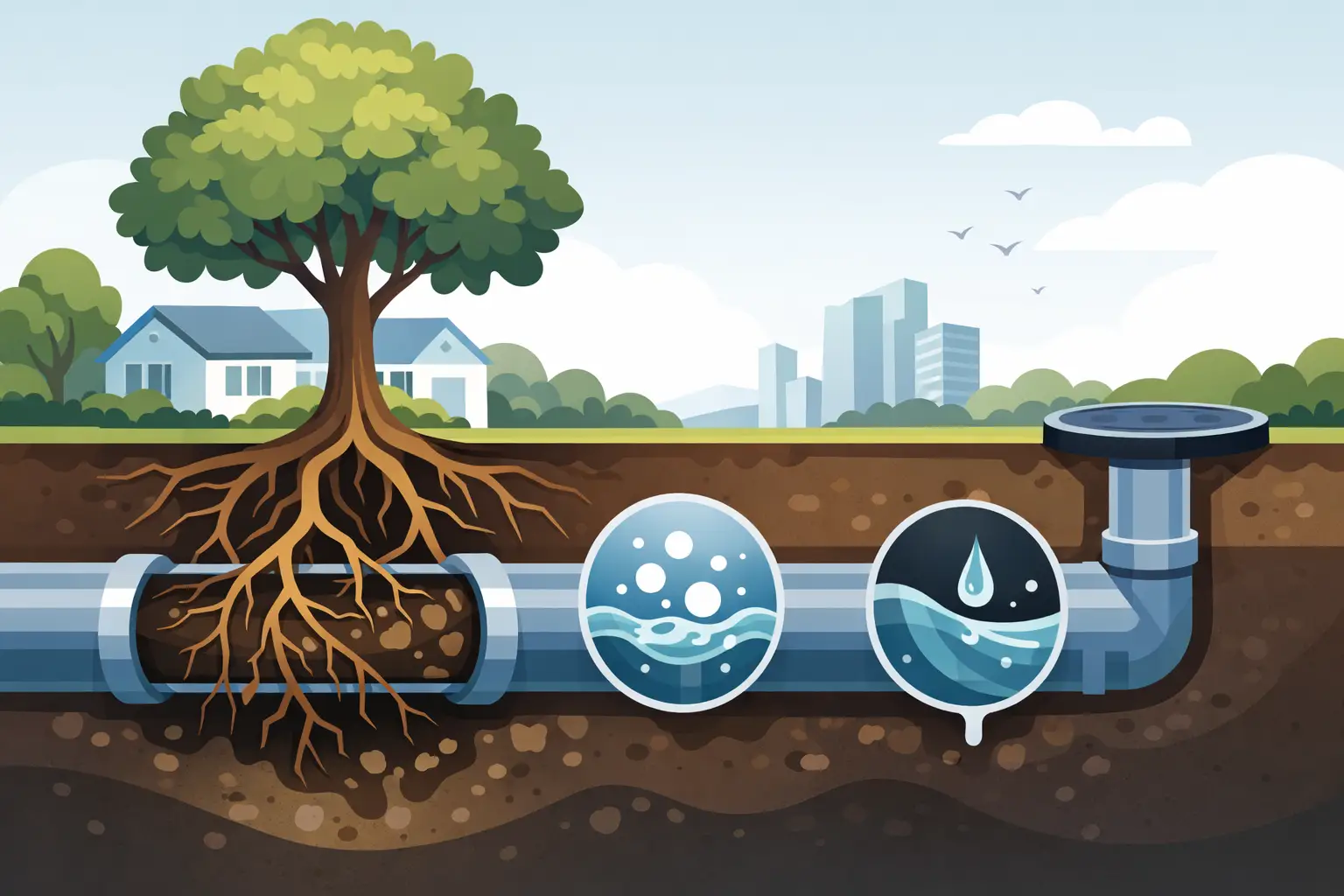
A strong sewage odor, repeated backups, wet areas in the yard, or odors from multiple fixtures can point to a sewer line issue. Tree roots, pipe deterioration, shifting soil, grease buildup, and damaged connections can all affect a main sewer line. In commercial properties, high use and improper disposal can create similar problems quickly.
This is not an issue to mask with air freshener or keep flushing. A camera inspection can identify what is happening inside the line and help determine whether cleaning, repair, or a more substantial solution is appropriate.
Safe First Steps for a Smelly Drain
If there is no backup or standing sewage, begin with simple observation and cleaning. Run water in every rarely used sink, shower, tub, and floor drain. Remove and clean the stopper, then clear visible hair or debris without pushing it deeper into the pipe. Flush the drain with hot tap water if your pipe material and fixture manufacturer allow it.
For a kitchen sink, clean the disposal splash guard and run cold water through the disposal. For a bathroom sink, do not overlook the overflow opening near the top of the basin. It can hold grime and create an odor that seems to come from the drain.
Pay attention to what changes. If the odor disappears after adding water to a little-used drain, a dry trap was likely the cause. If the smell returns after a day or two, or the drain is slow, noisy, or backing up, the problem needs a closer look.
When a Smelly Drain Needs a Plumber
Call for professional drain or sewer service when the smell is persistent, strong, or paired with drainage problems. The need is more urgent if you notice sewage backing up into a tub or shower, water around a toilet base, multiple slow drains, gurgling from other fixtures, or a sewage smell throughout the building.
Property managers and business owners should act quickly when odors affect restrooms, kitchens, break rooms, or customer-facing areas. What starts as a drain odor can become a sanitation concern, tenant complaint, or interruption to normal operations.
A licensed plumber can inspect the trap, drain line, venting, and sewer connection instead of guessing at the cause. The Flush Club provides fast, professional plumbing support across Central Florida, including emergency drain and sewer service when an odor is tied to a backup or suspected sewer problem.
A drain should carry wastewater away without calling attention to itself. When the smell keeps coming back, treat it as useful information from your plumbing system and address the cause before a small nuisance becomes a larger repair.