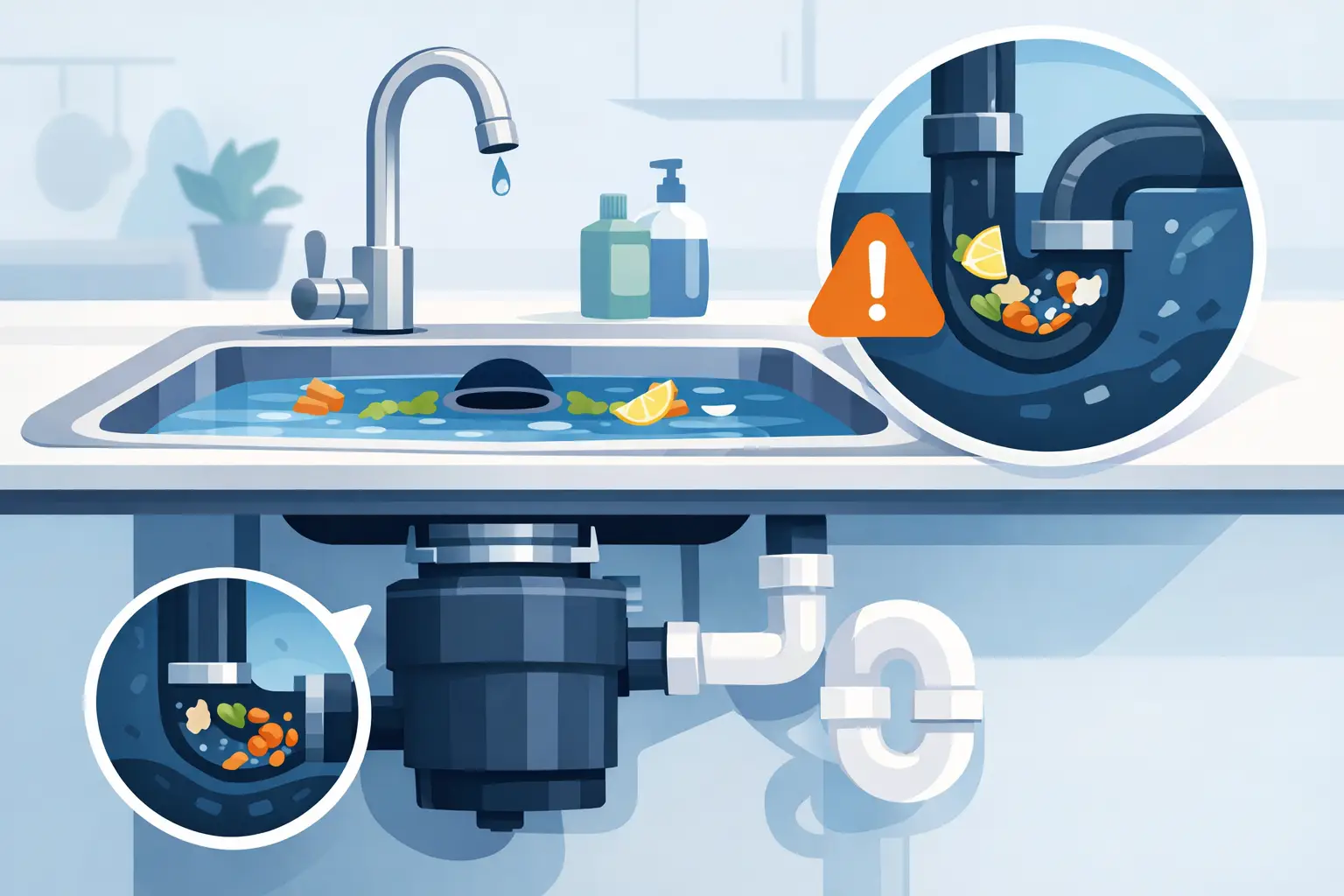
When a garbage disposal not draining issue shows up, it usually turns a normal kitchen sink into a stop-everything problem. Water backs up, food debris lingers, and suddenly a simple cleanup becomes a plumbing concern that can affect the rest of your day. The good news is that this problem often starts with a few common causes, and some of them can be identified quickly.
Why a garbage disposal not draining happens
In most homes, the disposal itself is not the only part involved. The sink basin, the drain line, the trap, and sometimes the dishwasher connection all work together. When water sits in the sink after running the disposal, the blockage may be inside the disposal chamber, farther down the drain pipe, or caused by a jam that prevents proper flow.
Grease is one of the biggest culprits. It may go down warm as a liquid, then cool and cling to the pipe walls. Over time, it traps food particles and narrows the drain. Fibrous foods like celery, onion skins, corn husks, and potato peels also create trouble. They do not break down cleanly and can wrap around the disposal components or collect into a heavy pulp.
Too much food at once can also overwhelm the system. A disposal is designed to process small amounts with plenty of running water. If large scraps are forced in all at once, the unit may still hum and spin, but the waste can settle in the drain line and stop water from moving out.
What to check before you assume the disposal is broken
If the sink is backing up but the disposal still turns on, that usually points to a drain blockage more than a motor failure. If the disposal only hums, does nothing, or trips the reset, there may be a jam inside the unit as well.
Start with what you can observe safely. If water drains slowly, then stops, the clog may be partial and located in the trap or branch drain. If water immediately fills the sink and stays there, the blockage could be more solid or farther down the line. If the dishwasher empties into the same side and water backs up during a cycle, that is another sign the shared drain path is restricted.
Look and listen. A grinding noise can mean something hard is stuck inside. A humming sound without blade movement often means the flywheel is jammed. No sound at all could mean a tripped reset, power issue, or motor problem.
Safe steps to try first
Before doing anything, turn off the disposal at the wall switch. For extra safety, switch off the breaker if you will be reaching near the opening. Never put your hand into the disposal chamber, even if the power is off.
If standing water is present, remove as much as you can with a cup or small container. That makes it easier to inspect and reduces the mess if you need to work on the drain.
Next, check for a simple jam. Use a flashlight to look into the disposal for obvious objects like bones, fruit pits, utensils, or broken glass. If you see something visible and reachable from the top, use tongs or pliers, not your fingers, to remove it.
Many units can also be manually turned from the bottom using an Allen wrench. Insert the wrench into the hex slot underneath the disposal and work it back and forth. This can free a stuck flywheel. After that, press the reset button on the bottom of the unit if it has tripped.
Once the jam is cleared, run cold water and briefly test the disposal. If the water begins draining normally, the issue may have been limited to the chamber. If it still backs up, the blockage is likely in the drain piping.
When the clog is in the drain line
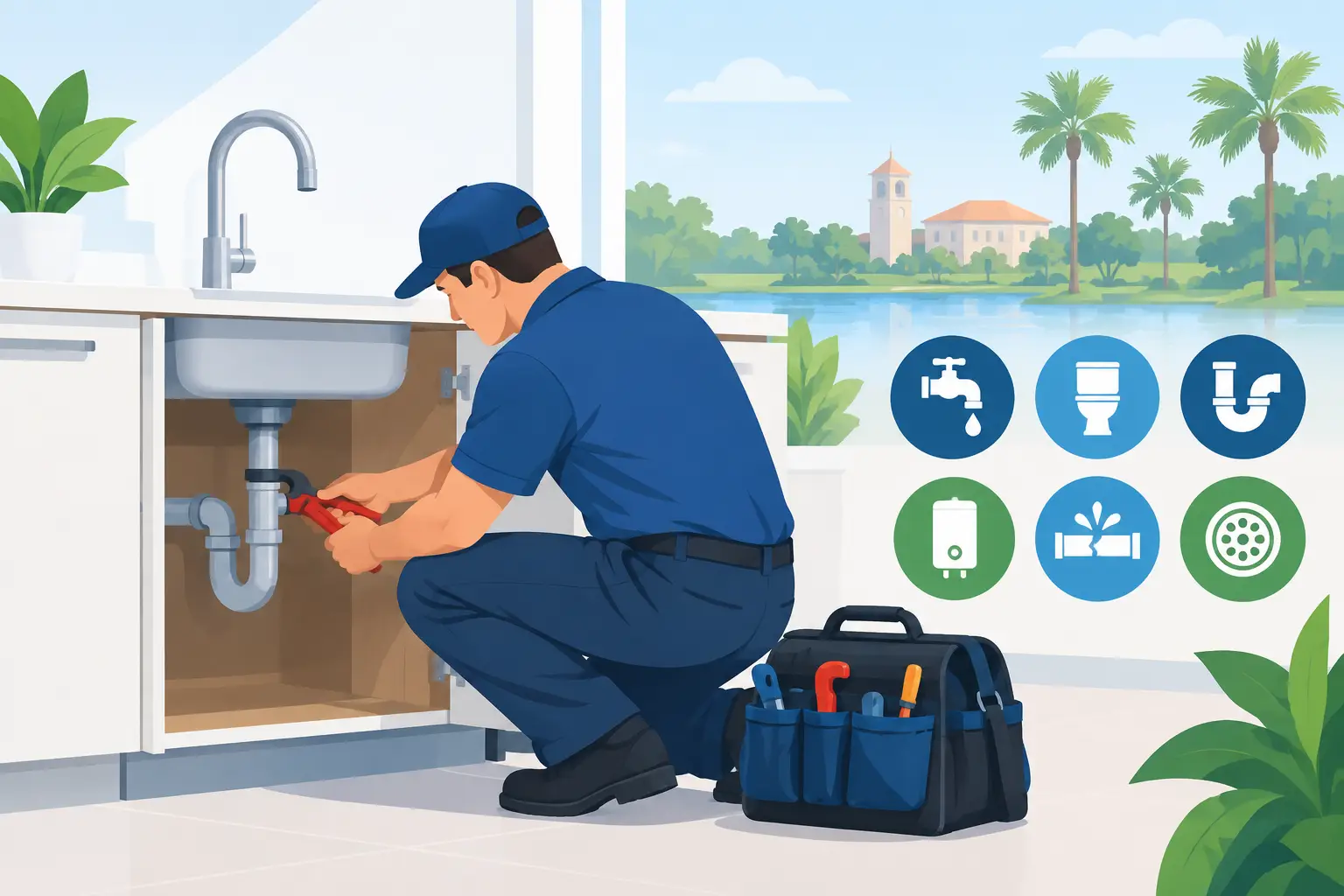
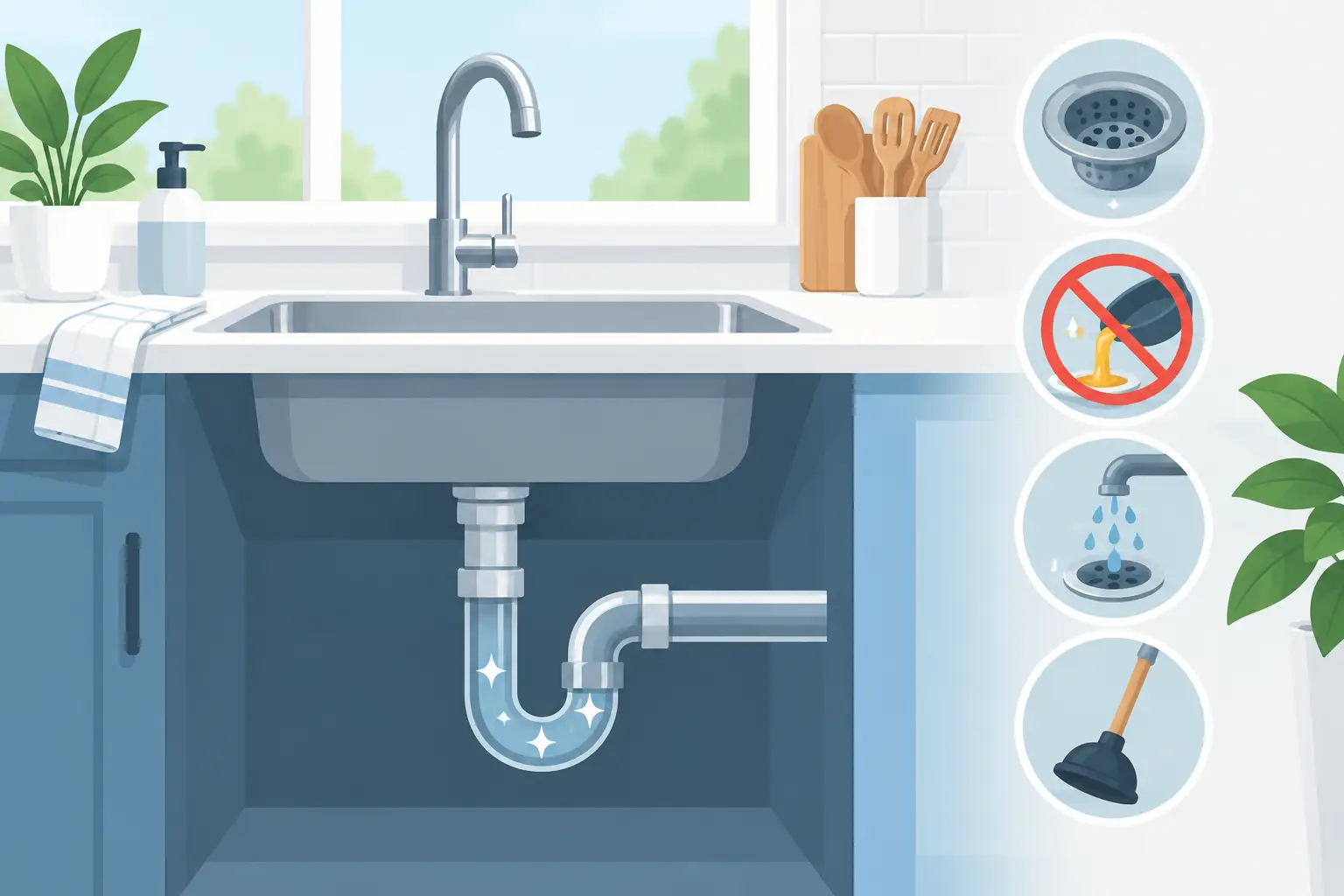
A clogged P-trap or branch line is common when a garbage disposal is not draining. The trap is the curved pipe under the sink, and it tends to catch heavy buildup. If you are comfortable with basic cleanup and have a bucket and towels ready, this is one place you can inspect.
Place the bucket under the trap, loosen the slip nuts, and remove the curved section carefully. Food sludge, grease, and residue may spill out, so expect a mess. Clean the trap thoroughly and inspect the connecting pipe leading into the wall. If buildup is visible there too, remove what you can safely reach.
If the trap is clear but the sink still does not drain, the clog may be deeper in the line. A hand auger can sometimes clear it, but this is where do-it-yourself efforts start to become less predictable. If the cable is used incorrectly, it can damage older piping, fail to reach the real blockage, or leave part of the clog behind.
What not to do
Chemical drain cleaners are a poor match for garbage disposals. They can sit in standing water, create heat, and damage components, seals, or metal piping. They also make the sink more dangerous to work on afterward.
Hot water alone is not always the answer either. It can temporarily move grease, but that grease often cools farther down the pipe and creates a bigger clog. Boiling water should also be avoided if you have PVC connections that may not handle extreme heat well.
Do not keep running the disposal over and over if water is not draining. That can strain the motor and turn a simple clog into a burned-out unit. A disposal is built to help move food waste along, not force a blocked line open.
Signs you need a plumber
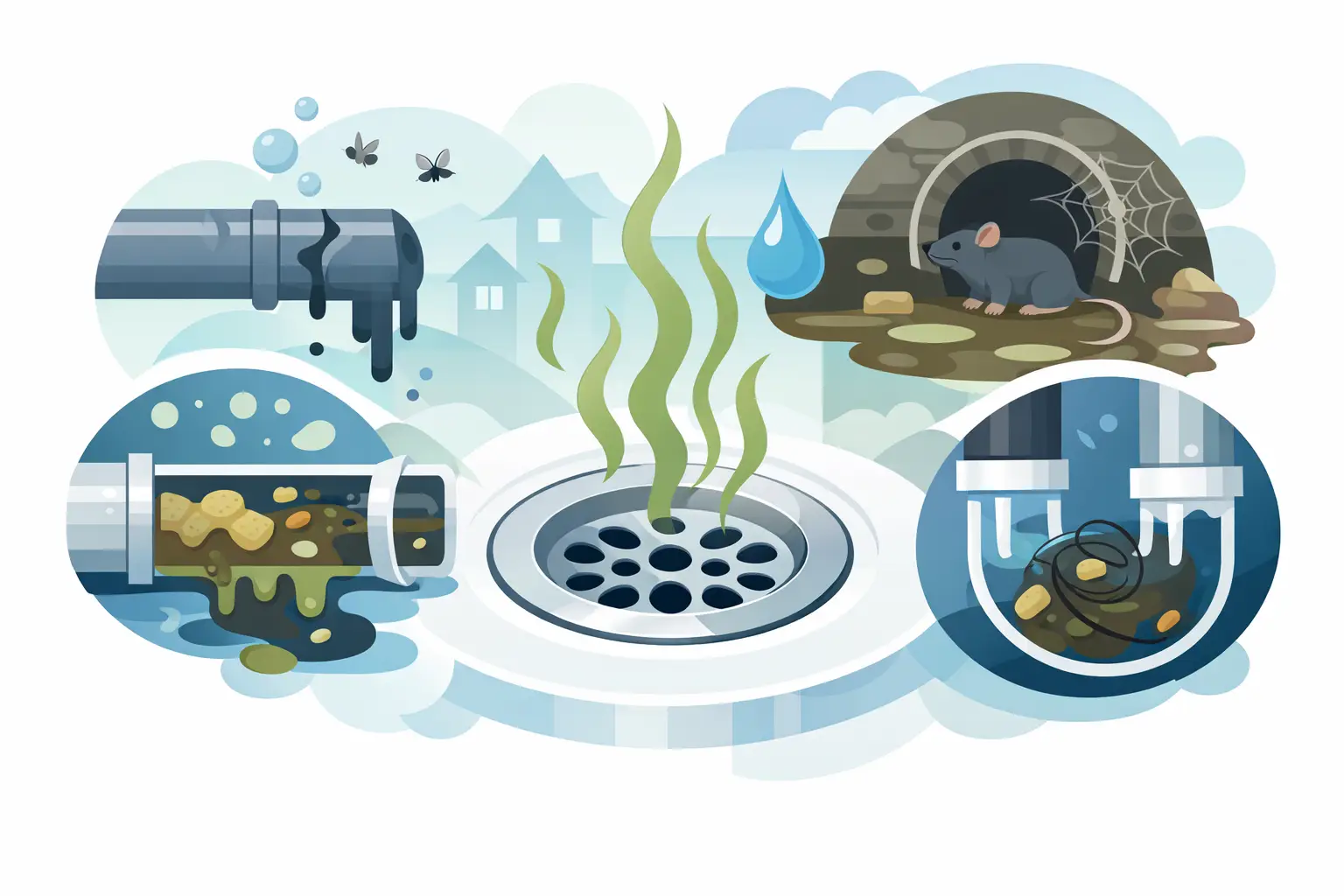
Some disposal problems are straightforward. Others point to a larger drain issue that needs professional equipment and a proper inspection. If the sink backs up repeatedly, if multiple fixtures are draining slowly, or if you notice foul odors that do not go away after cleaning, there may be a deeper blockage in the kitchen line or main drain system.
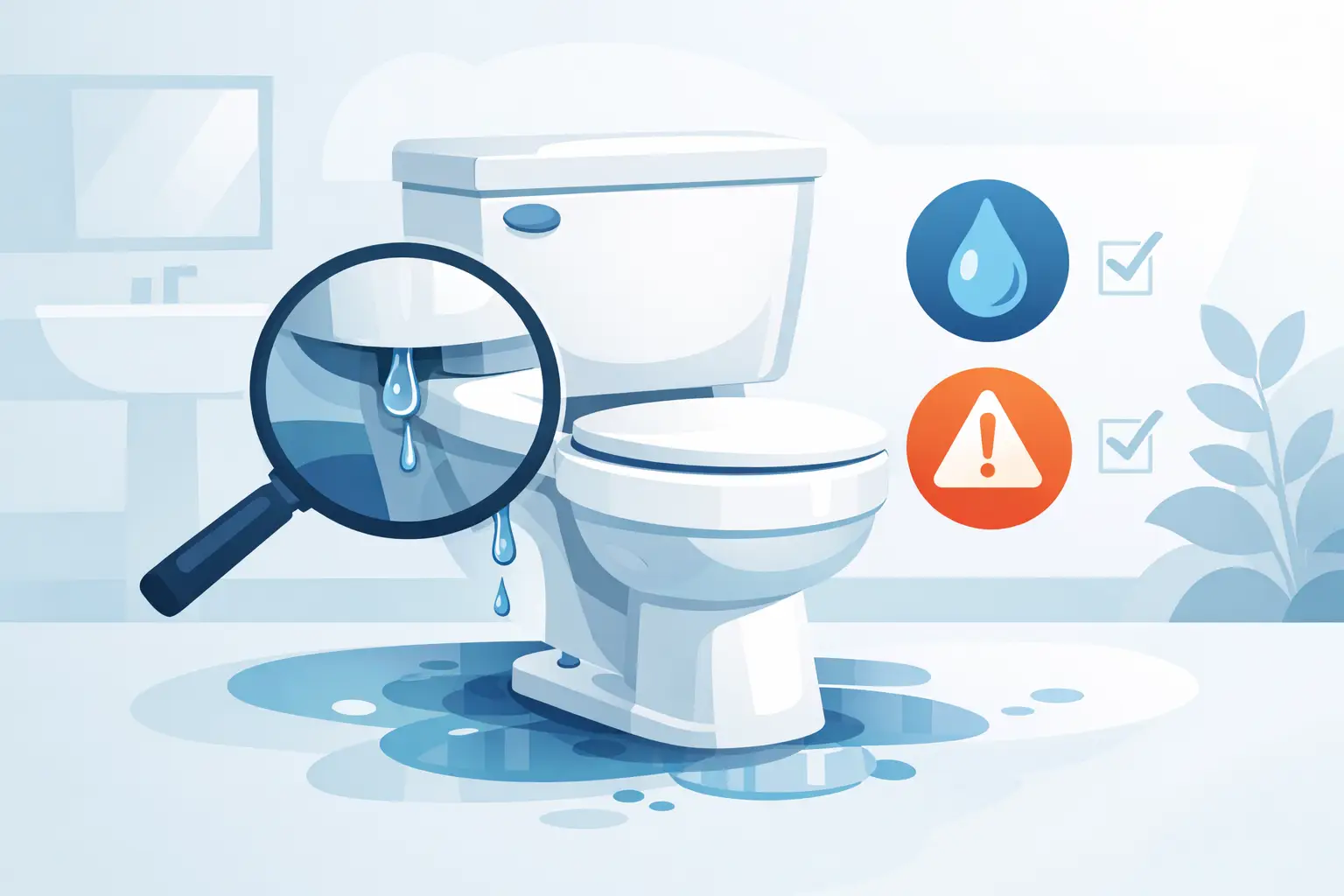
Leaks under the sink are another reason to stop and get help. A clog combined with worn seals or loose fittings can lead to cabinet damage, warped flooring, and mold concerns if it is ignored.
You should also call a plumber if the disposal hums but will not turn even after being manually reset, if the unit trips power repeatedly, or if it has become noisy in a way that suggests internal damage. At that point, the question is not just drainage. It is whether the disposal can be repaired safely or should be replaced.
For landlords, property managers, and business owners, speed matters even more. A backed-up break room sink or rental kitchen can interrupt normal operations and create sanitation concerns quickly. Fast diagnosis helps limit downtime and avoid repeat service calls.
Repair or replace?
It depends on the age of the unit and the nature of the failure. If the disposal is relatively new and the problem is limited to a jam, clog, or reset issue, repair is often the practical choice. If the housing is cracked, the motor is failing, or the unit has a long history of clogging and poor performance, replacement may save more time and money over the long run.
This is where a professional inspection adds real value. A plumber can tell whether the disposal is the actual problem or whether the drain layout, trap condition, or pipe buildup is causing the backup. That matters because replacing a disposal will not fix a blocked drain line.
How to help prevent future drainage problems
A little kitchen discipline goes a long way. Run cold water before, during, and after using the disposal. Feed food waste gradually instead of all at once. Keep grease, coffee grounds, pasta, rice, eggshells, and fibrous scraps out of the unit whenever possible.
Regular cleaning helps too, but keep it simple. Ice and a small amount of dish soap can help clean the chamber, and citrus peels can improve odor if used sparingly. The goal is maintenance, not forcing problem materials through the system.
If your sink has had repeated backups, it may be worth having the line professionally cleared rather than waiting for the next kitchen emergency. Companies like The Flush Club handle these calls every day, and a clear inspection-to-estimate process makes it easier to fix the real issue instead of guessing.
A garbage disposal problem can feel urgent because it usually hits in the middle of normal life – dinner cleanup, tenant turnover, opening a business, getting the house ready for guests. If the water is rising, the disposal is humming, or the sink keeps backing up, trust what the system is telling you. The faster you address it, the better your chances of avoiding a bigger drain repair.