
A slow leak under one sink can turn into a stained ceiling, damaged flooring, an unhappy tenant, and an emergency call after hours. For rental owners and facility managers, plumbing inspections are not about finding something to fix at every visit. They are about catching small, manageable issues before they disrupt residents, damage property, or create a costly water bill. This property manager guide to plumbing inspections outlines what to check, when to schedule it, and when to bring in a licensed plumber.
Why Plumbing Inspections Protect Your Property
Plumbing problems rarely announce themselves at a convenient time. A tenant may not report a dripping toilet because it seems minor. A small drain slowdown may be ignored until the line backs up during a busy weekend. Water heaters can also show warning signs for weeks before they fail.
Routine inspections give property managers a documented view of the plumbing system’s condition. That makes it easier to budget for repairs, prioritize capital improvements, and show tenants that concerns are being taken seriously. For Central Florida properties, inspections can be especially valuable because hard water, high humidity, aging pipes, heavy seasonal occupancy, and storm-related drainage issues can all add stress to plumbing systems.
The goal is not to replace equipment simply because it is old. A well-maintained water heater, fixture, or pipe may have useful life left. The goal is to make decisions based on its actual condition, repair history, water use, and risk of failure.
How Often Should a Property Manager Inspect Plumbing?
The right schedule depends on the building, its age, tenant turnover, and history of plumbing issues. As a practical baseline, inspect each unit’s visible plumbing at least once a year. A more frequent check, often every six months, is smart for older buildings, high-occupancy rentals, properties with prior leaks or sewer backups, and commercial spaces with public restrooms or break rooms.
Turnovers are another key opportunity. Inspecting plumbing between tenants is usually easier than coordinating access in an occupied unit. It also lets you identify hidden wear before the next resident moves in.
Common areas deserve their own schedule. Check laundry rooms, irrigation connections, mechanical rooms, public restrooms, and exterior hose bibs regularly. These areas often have higher water use, and a failure can affect multiple residents or customers at once.
An inspection should also follow any event that raises the risk of damage. That includes a reported leak, a sudden increase in water usage, a sewer odor, a freeze event, a major storm, or repeated drain complaints from nearby units.
A Property Manager Plumbing Inspection Checklist
A thorough inspection combines what the manager can observe with the technical work that should be handled by a qualified plumbing professional. Start with visible conditions, tenant feedback, and water-use records. Then schedule professional diagnostics when the signs point to a deeper issue.
Check for leaks where water is used
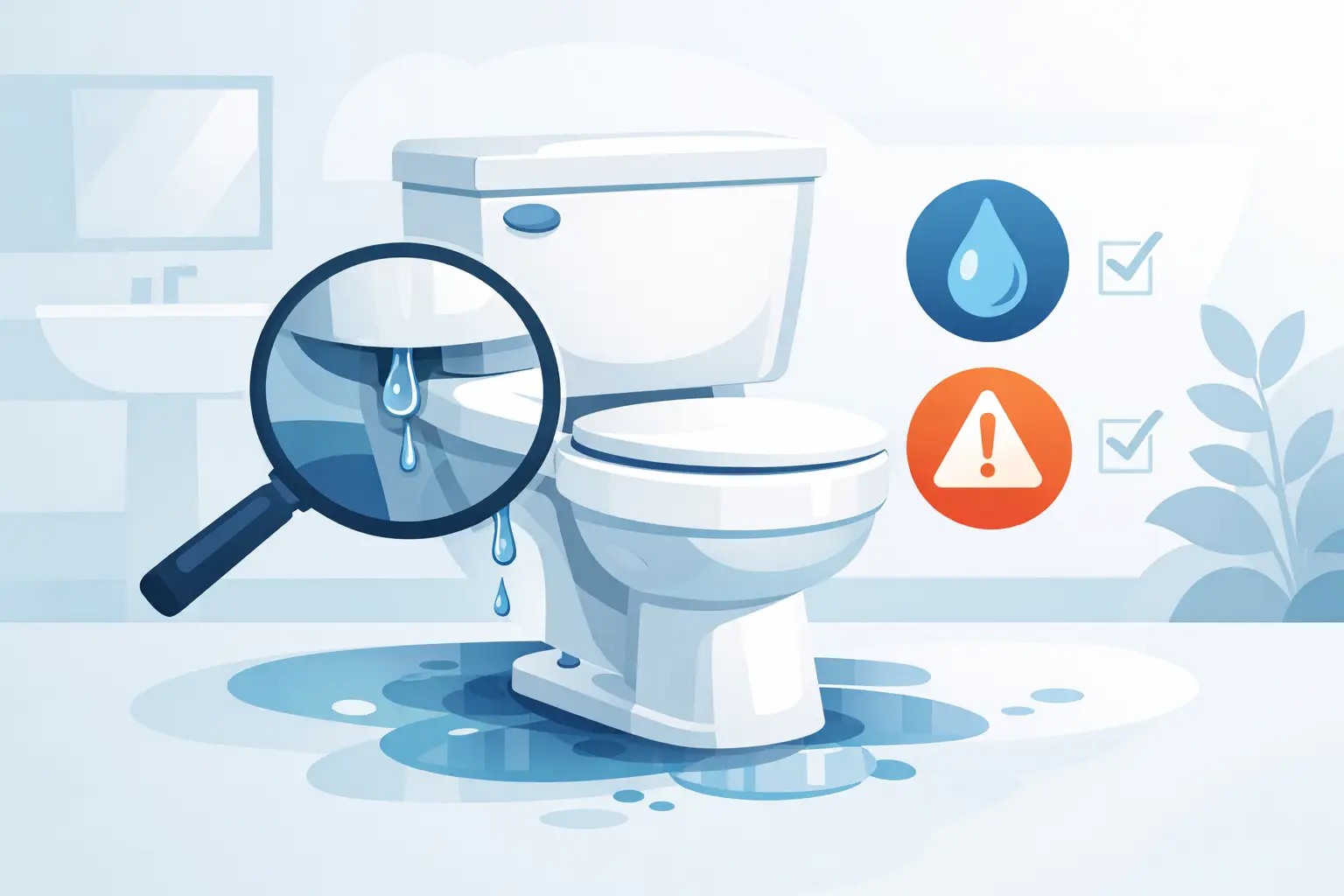
Look beneath kitchen and bathroom sinks for damp cabinet bases, swollen wood, corrosion on supply valves, loose drain connections, and mildew odors. Check around toilets for movement at the base, moisture on the floor, and staining on the ceiling below. A toilet that rocks, runs continuously, or needs frequent plunging deserves attention before it damages the flooring or sewer connection.
Inspect shower surrounds, tubs, and faucets for drips, cracked caulk, loose fixtures, or water escaping behind walls. Caulking is not a plumbing repair, but failed seals can create water damage that is easy to mistake for a pipe leak.
Test drains and listen for warning signs
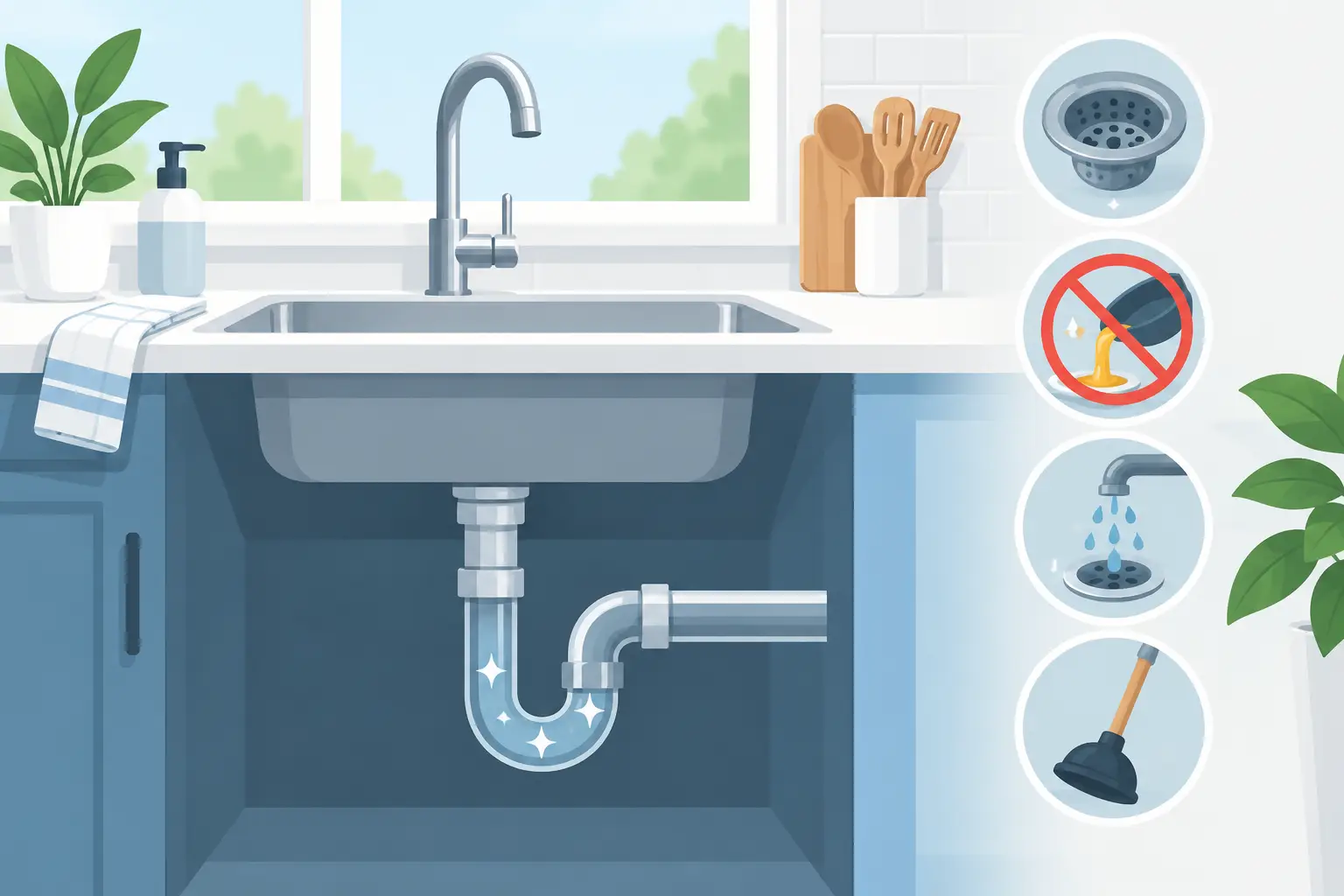
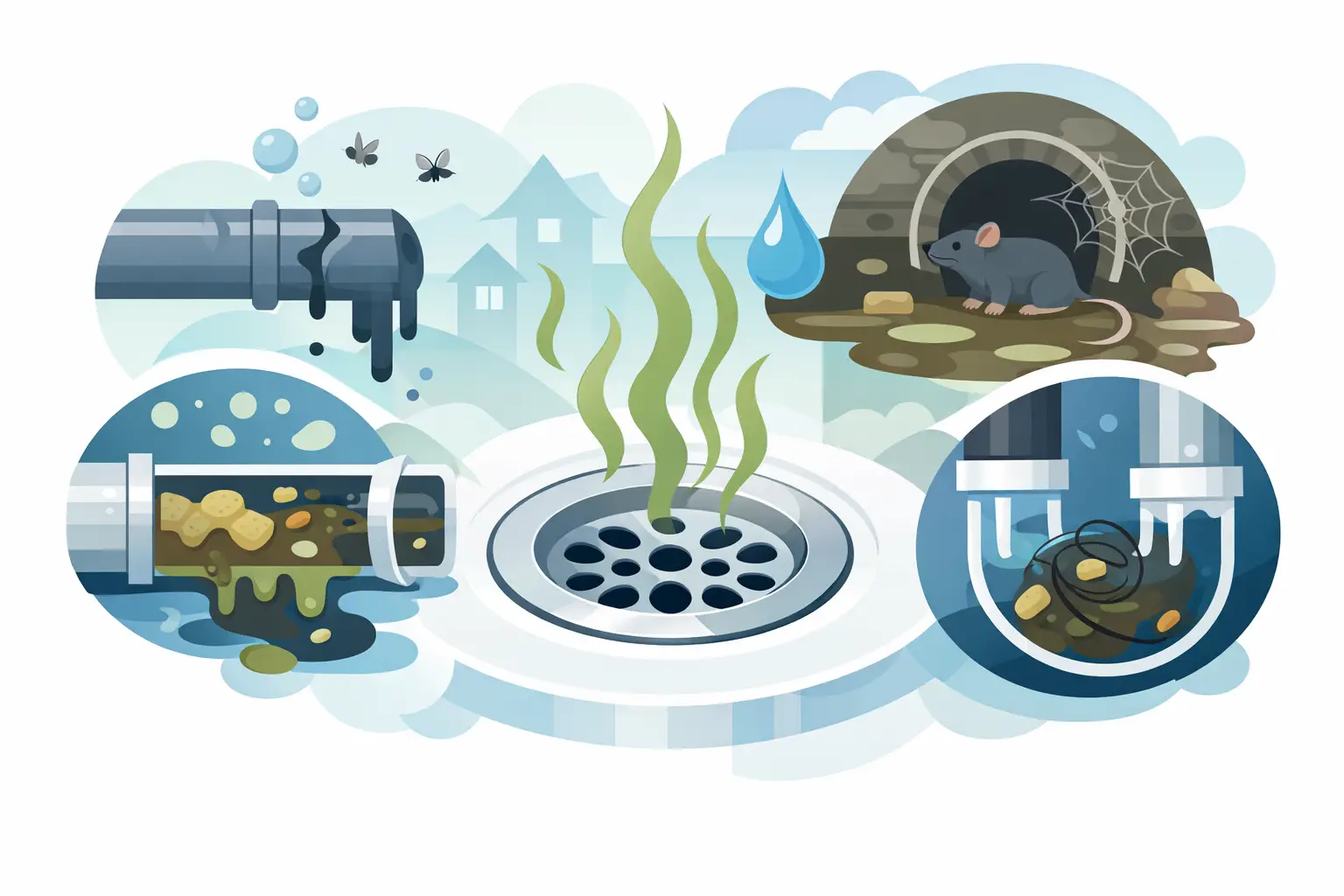
Run water at sinks, tubs, and showers long enough to see whether it drains normally. Slow drainage, gurgling, bubbling toilets, or foul odors can point to a developing blockage, venting issue, or sewer line concern. If several fixtures in the same unit drain slowly, the problem may be beyond a single trap.
Avoid relying on chemical drain cleaners as a maintenance plan. They may offer short-term relief, but repeated use can damage certain pipes and does not identify the cause of recurring clogs. Professional drain cleaning or a camera inspection is usually the better next step when backups keep returning.
Inspect water heaters and nearby connections
Check for rust, moisture, corrosion, unusual noises, and water around the base of the water heater. Review the age of the unit and look at the temperature and pressure relief valve discharge line. That line should be properly installed and should not be capped, blocked, or leaking.
A water heater may still produce hot water while nearing failure. Discolored water, inconsistent temperatures, rumbling sounds, and a growing puddle are all reasons to schedule service promptly. For multifamily or commercial properties, a water heater failure can affect many occupants, so replacement planning is often less disruptive than waiting for an emergency.
Review supply lines, shutoff valves, and water pressure
Flexible supply lines at toilets, sinks, washing machines, and ice makers should be checked for corrosion, bulging, fraying, or leaks. These small connections can fail suddenly and release a significant amount of water.
Confirm that unit shutoff valves can be reached and operated. If a valve is seized or hidden behind stored items, a simple leak can become much harder to control. Main water shutoffs should be clearly identified for maintenance staff and emergency responders.
High water pressure can shorten the life of fixtures, appliance hoses, and water heaters. A licensed plumber can test the pressure and determine whether a pressure-reducing valve or other correction is needed.
Look beyond the unit
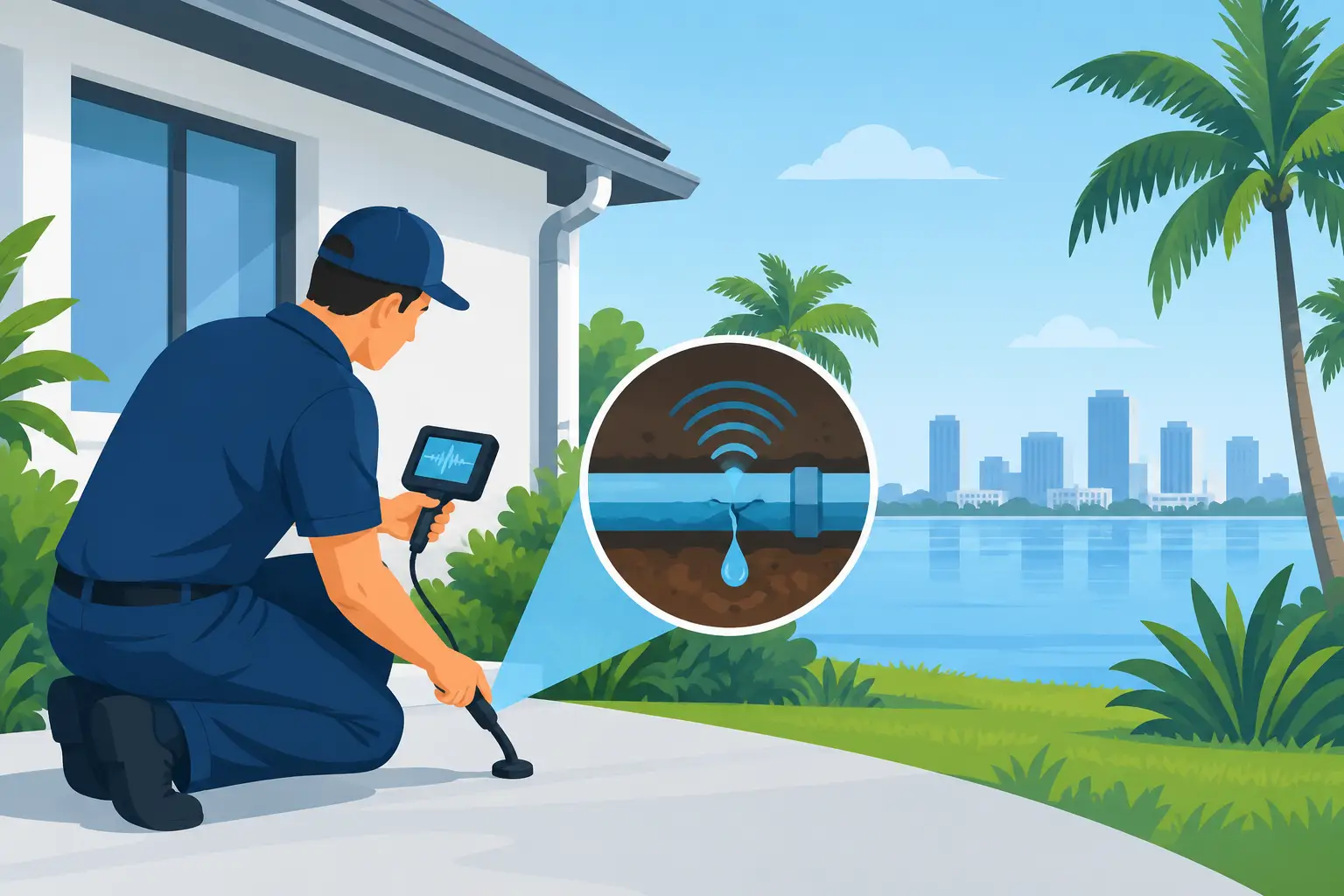
Exterior inspections matter just as much. Walk the property to check hose bibs, exposed piping, irrigation connections, cleanouts, backflow assemblies, and signs of wet ground near water or sewer lines. Unexplained lush patches, soft soil, persistent odors, or pooling water can indicate an underground leak or sewer issue.
For properties served by well systems, inspect the pressure tank area and watch for cycling problems, low pressure, or sediment in the water. For buildings with sump pumps, test the pump and confirm the discharge path is clear before the rainy season.
Document Findings and Prioritize Repairs
An inspection is only useful if the results lead to action. Keep a simple record for each unit or building that includes the inspection date, observed issue, photos, tenant comments, recommended repair, and completion date. This record helps identify repeat problems and can prevent small issues from being lost during staff changes.
Prioritize repairs by risk, not just by convenience. Active leaks, sewer backups, gas odors, failed shutoff valves, water heater safety concerns, and damage near electrical components require immediate attention. Drain slowdowns, dripping fixtures, and aging supply lines may be scheduled quickly but do not always require an emergency response.
Some decisions require a broader cost comparison. Replacing one section of deteriorated pipe may make sense when the rest of the system is sound. If leaks are recurring in several areas, however, a larger repiping plan may be more cost-effective than repeated patch repairs. A professional inspection and clear estimate can help distinguish between a targeted repair and a system-wide problem.
Work With Tenants, Not Around Them
Tenants often notice the first symptoms, but they may not know what to report. Give residents clear instructions: report water stains, running toilets, slow drains, sewage odors, reduced water pressure, no hot water, and any water around appliances or fixtures. Encourage early reporting without making residents feel blamed for normal plumbing wear.
Provide reasonable notice for routine entry, keep inspections focused, and explain what the technician will check. That professionalism improves cooperation and helps staff gain access before a small concern becomes an urgent problem.
For emergency situations, residents should know where to call and what to do first. If water is actively flowing, they should move belongings when safe, avoid electrical hazards, and shut off the local water valve if they can do so safely. Fast communication can limit damage while a plumber is on the way.
When to Call a Licensed Plumber
Property managers can handle visual checks and basic documentation, but certain conditions need professional diagnosis. Call for help when there is recurring drainage trouble, suspected slab or underground leaks, sewer odors, water pressure changes, discolored water, a leaking water heater, a backflow issue, or any concern involving gas lines.
A professional can inspect components that are not visible, test pressure, locate leaks, clear and camera sewer lines, and provide an upfront repair recommendation. For urgent issues, a dependable plumbing partner with 24/7 availability can protect the property and keep tenants informed when timing matters most.
A regular inspection schedule gives you more control over repair costs, resident experience, and building downtime. When a problem does appear, The Flush Club can help Central Florida property managers move from inspection to a clear estimate and a lasting repair without unnecessary delays.