A toilet that bubbles when you flush, run the sink, or drain the shower is not just making an odd sound. Toilet bubbling causes often point to air trapped in the drain system, and that air needs to go somewhere. Sometimes the issue is a small blockage near the toilet. Other times, it is an early warning that a main sewer line is restricted.
The right response depends on when the bubbling happens, whether other fixtures are affected, and whether water is backing up. Acting early can prevent an inconvenient plumbing issue from becoming a messy sewer backup.
What Toilet Bubbling Usually Means
Your plumbing system is designed to move wastewater down the drain while allowing air to move through vent pipes. That balance keeps water flowing smoothly and protects the water seal inside each fixture trap.
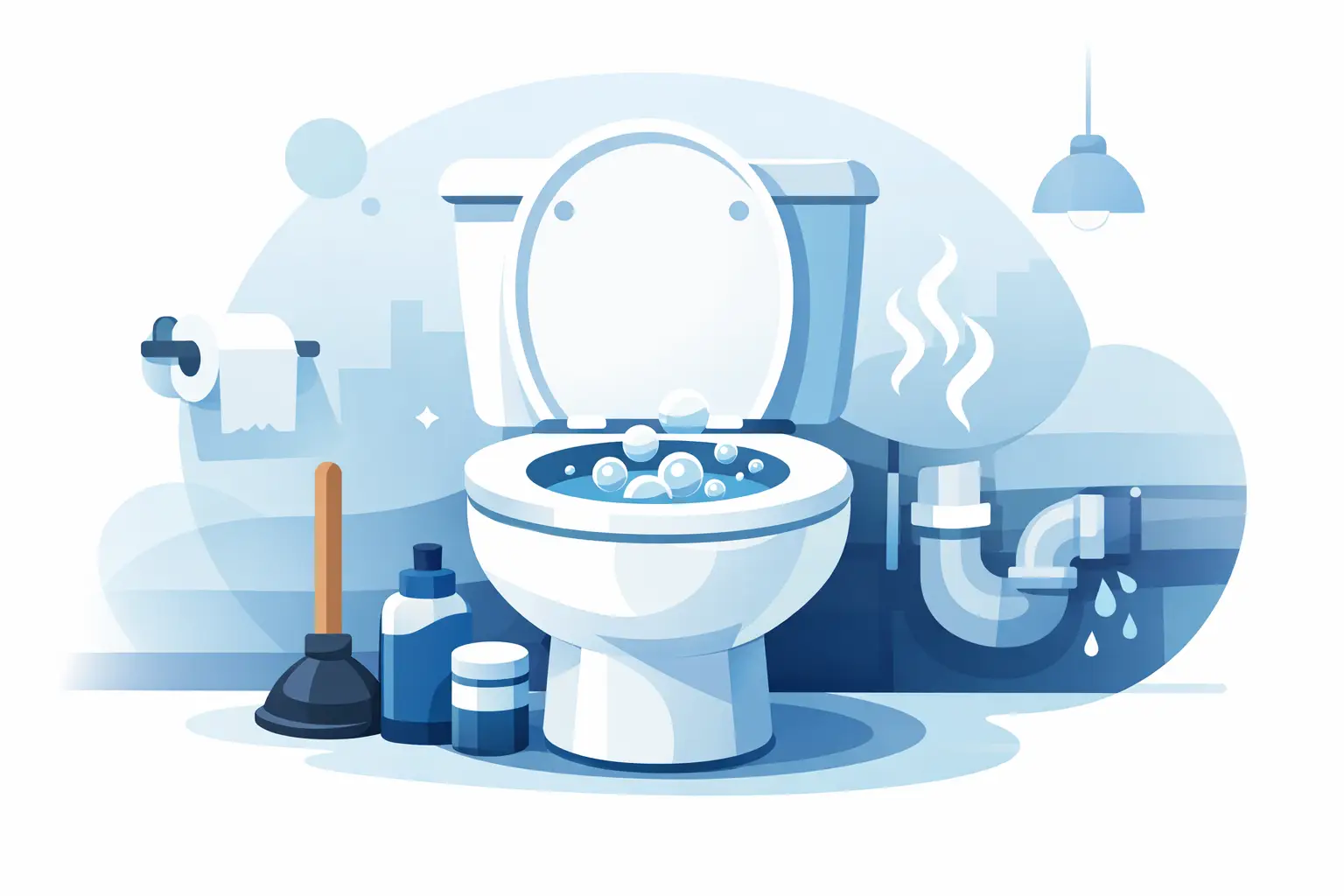
When a drain line is partially or fully blocked, wastewater can push air back through the system instead of allowing it to escape normally. The toilet bowl is often where you notice that pressure first. You may hear gurgling, see bubbles rise through the bowl water, or watch the water level move up and down.
A single bubble after an unusually heavy flush is not always an emergency. Repeated bubbling, especially when another fixture is running, deserves attention. A toilet should not react when you use the washing machine, shower, or bathroom sink.
Common Toilet Bubbling Causes
A clog in the toilet or nearby branch drain
A partial clog is one of the more manageable causes of toilet bubbling. Excess paper, wipes, hygiene products, small objects, or buildup inside the trap can narrow the passage enough to disrupt airflow. The toilet may flush slowly, require a second flush, or bubble as the bowl drains.
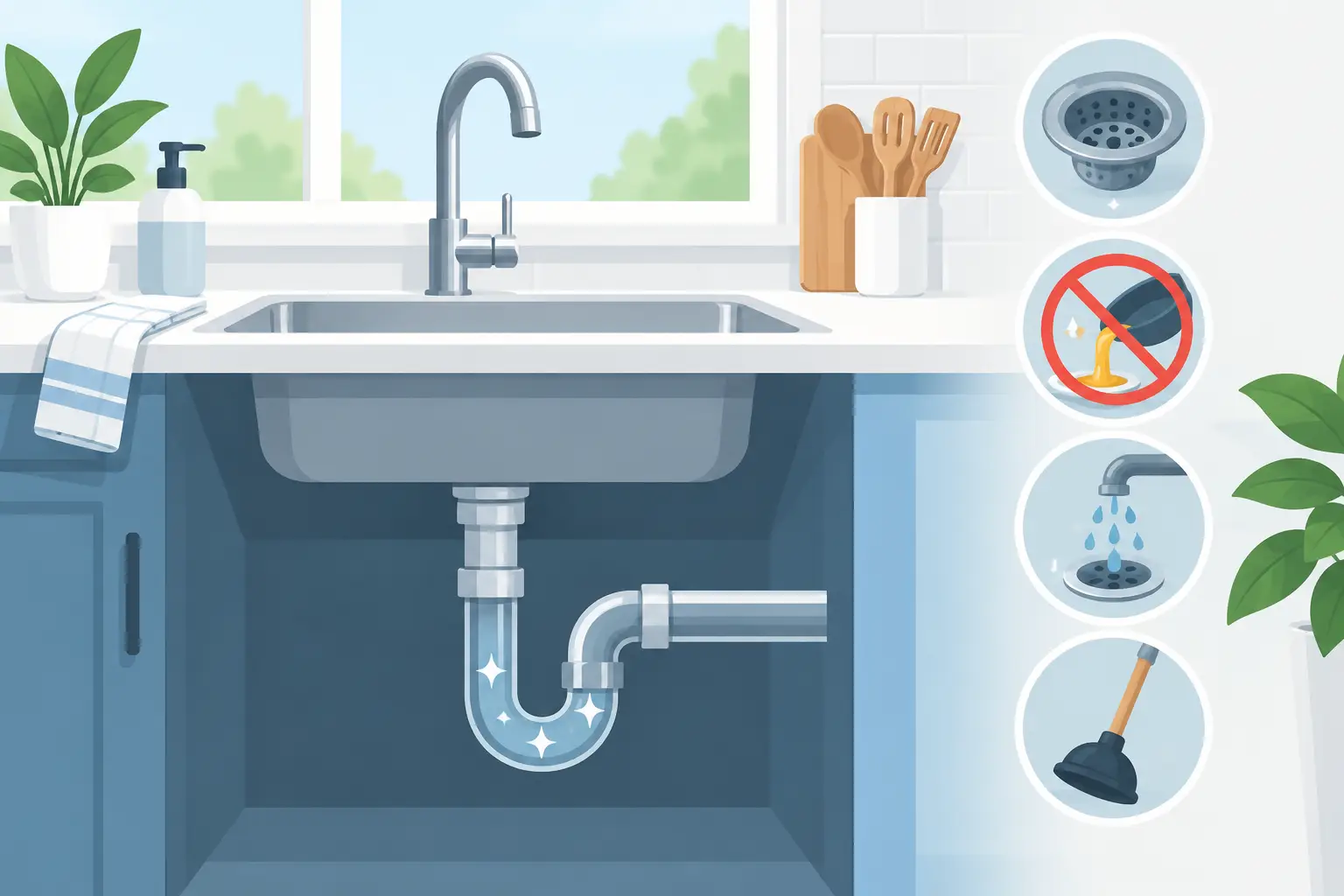
If the issue affects only one toilet and no other drains in the home, the blockage may be close to that fixture. A flange plunger can sometimes clear a soft, minor clog. If plunging does not improve the flush after a few careful attempts, stop forcing the issue. Repeated flushing can overflow the bowl, while aggressive plunging may not help with an object lodged deeper in the line.
A blockage in the main sewer line
When the toilet bubbles while the shower drains or the washing machine empties, the main sewer line becomes a bigger concern. Those fixtures send a large volume of water through shared drain piping. If the main line is restricted, that water displaces air and wastewater toward the lowest available fixture, often a first-floor toilet, tub, or shower.
Other warning signs include slow drains in multiple rooms, foul odors, water appearing in a shower when the toilet flushes, or a toilet that gurgles after the laundry runs. These conditions are not good candidates for chemical drain cleaners. A main line needs the correct diagnosis and clearing method, which may involve a professional drain machine, camera inspection, or hydro jetting depending on the pipe and blockage.
Tree root intrusion
Central Florida properties with mature landscaping can be vulnerable to tree roots entering sewer pipes through tiny joints, cracks, or aging connections. Roots naturally seek moisture. Once they reach a sewer line, they can grow into a dense obstruction that catches paper and waste.
Root problems tend to develop gradually. You may notice occasional bubbling or slow drains at first, then more frequent backups over time. Clearing roots can restore flow, but the long-term repair depends on the pipe condition. If a damaged section is left unaddressed, roots can return.
A blocked plumbing vent
A plumbing vent usually extends through the roof and allows sewer gases and air pressure to move safely outside. If that vent is blocked by leaves, debris, a nest, or another obstruction, drains can struggle to equalize pressure. The result may be gurgling toilets, slow drainage, and changing water levels in bowls or traps.
Vent issues can look similar to a drain clog, which is why a proper inspection matters. Accessing a roof carries safety risks, and trying to push tools into a vent can damage piping or drive debris farther down. A licensed plumber can determine whether the problem is in the vent, a branch drain, or the main sewer line.
A septic system issue
Homes served by septic systems can experience toilet bubbling when the tank is full, the drain field is saturated, or the outlet line is restricted. In this situation, the toilet is not necessarily the source of the problem. It is reacting to wastewater that no longer has a clear path away from the home.
Avoid adding more water to the system until the issue is assessed. Long showers, laundry loads, and repeated toilet flushing can increase the risk of a backup. Septic service may be needed, and a plumber can help identify whether the concern is inside the home’s drain line or farther out in the system.
Damaged, offset, or sagging sewer piping
Older pipes, ground movement, poor installation, and material deterioration can create a low spot or separation in a sewer line. Waste can collect at that point, creating recurring partial blockages. Unlike a basic clog, the problem may return soon after the line is cleared.
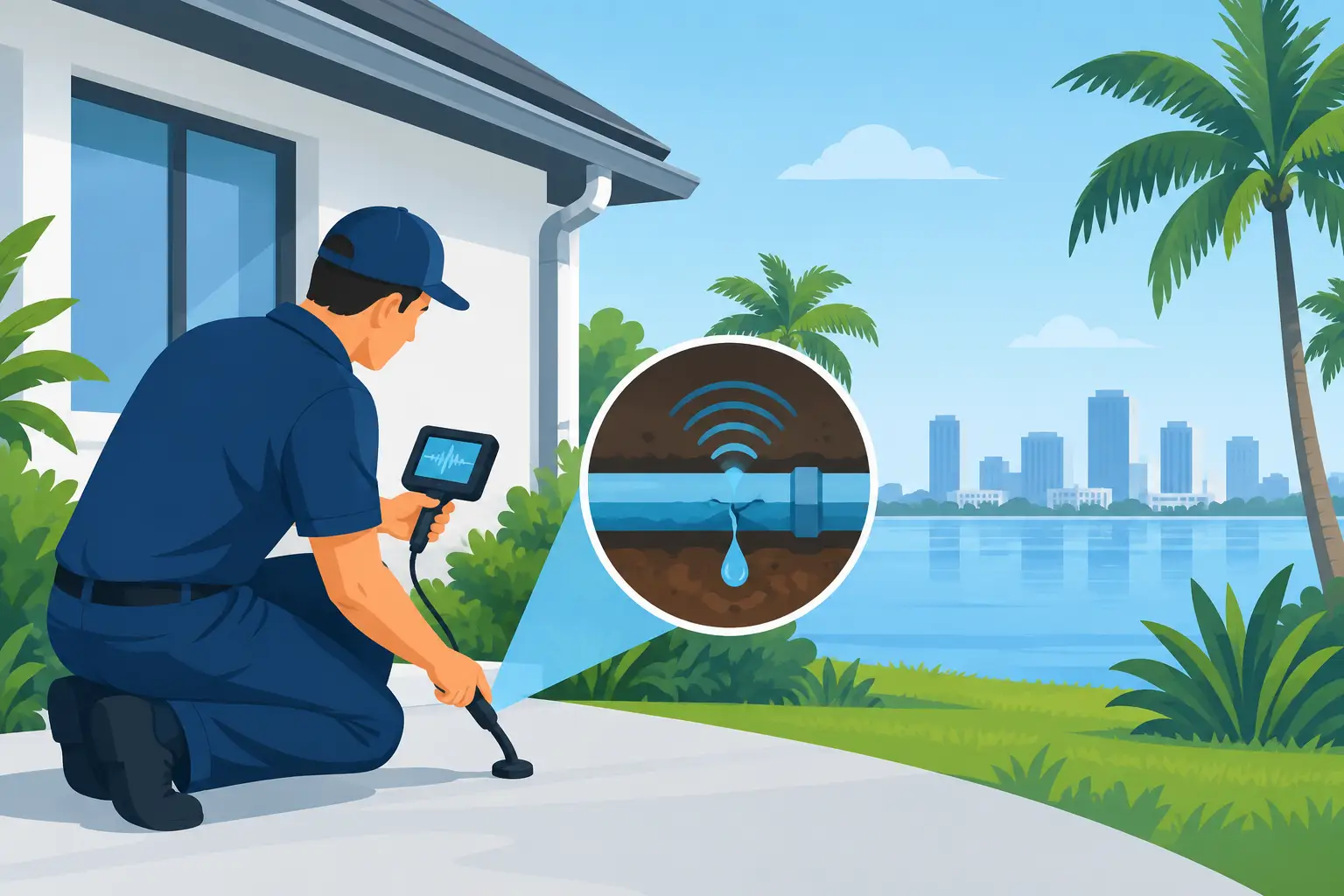
A sewer camera inspection is especially useful when bubbling keeps coming back. It lets a plumber see the inside condition of the pipe and recommend a repair based on evidence rather than guesswork. In some cases, trenchless repair can address the damaged section with less disruption to landscaping or hard surfaces.
What to Do When Your Toilet Starts Bubbling
First, do not keep flushing to test whether the issue has gone away. If the bowl water is rising, remove the tank lid and close the flapper to stop additional water from entering the bowl. If necessary, turn off the toilet’s supply valve near the wall.
Next, pay attention to the pattern. Does only one toilet bubble? Does the shower gurgle too? Did the issue start after laundry, a heavy rain, or a large gathering at the property? These details help narrow down the likely cause and help a plumber arrive prepared.
A plunger is reasonable only when you suspect a simple toilet clog and the water level is stable. Use a toilet-specific flange plunger, create a seal, and apply steady pressure. Do not use boiling water, harsh chemical cleaners, or improvised tools. Chemicals can damage older pipes, create hazardous conditions, and make professional repairs more difficult.
If multiple drains are slow, wastewater appears in a tub or shower, you smell sewer gas, or the toilet is close to overflowing, treat it as a drain or sewer emergency. Limit water use throughout the property and arrange professional service promptly.
When Bubbling Requires Fast Professional Help
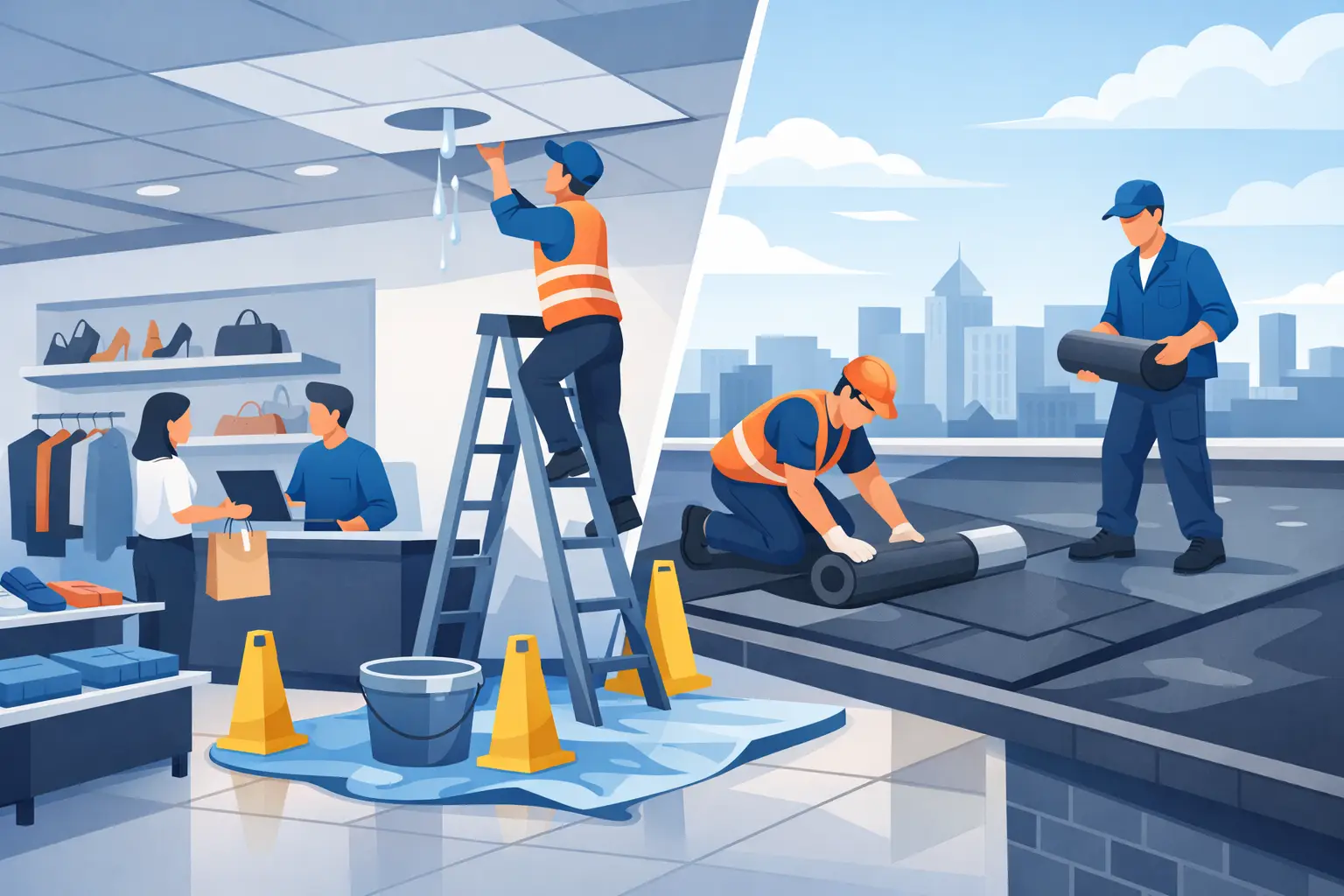
A bubbling toilet should be handled urgently when it is paired with sewage backup, repeated overflows, multiple affected fixtures, or water coming up through a floor drain. For commercial properties, a blocked restroom line can quickly affect employees, customers, sanitation, and daily operations.
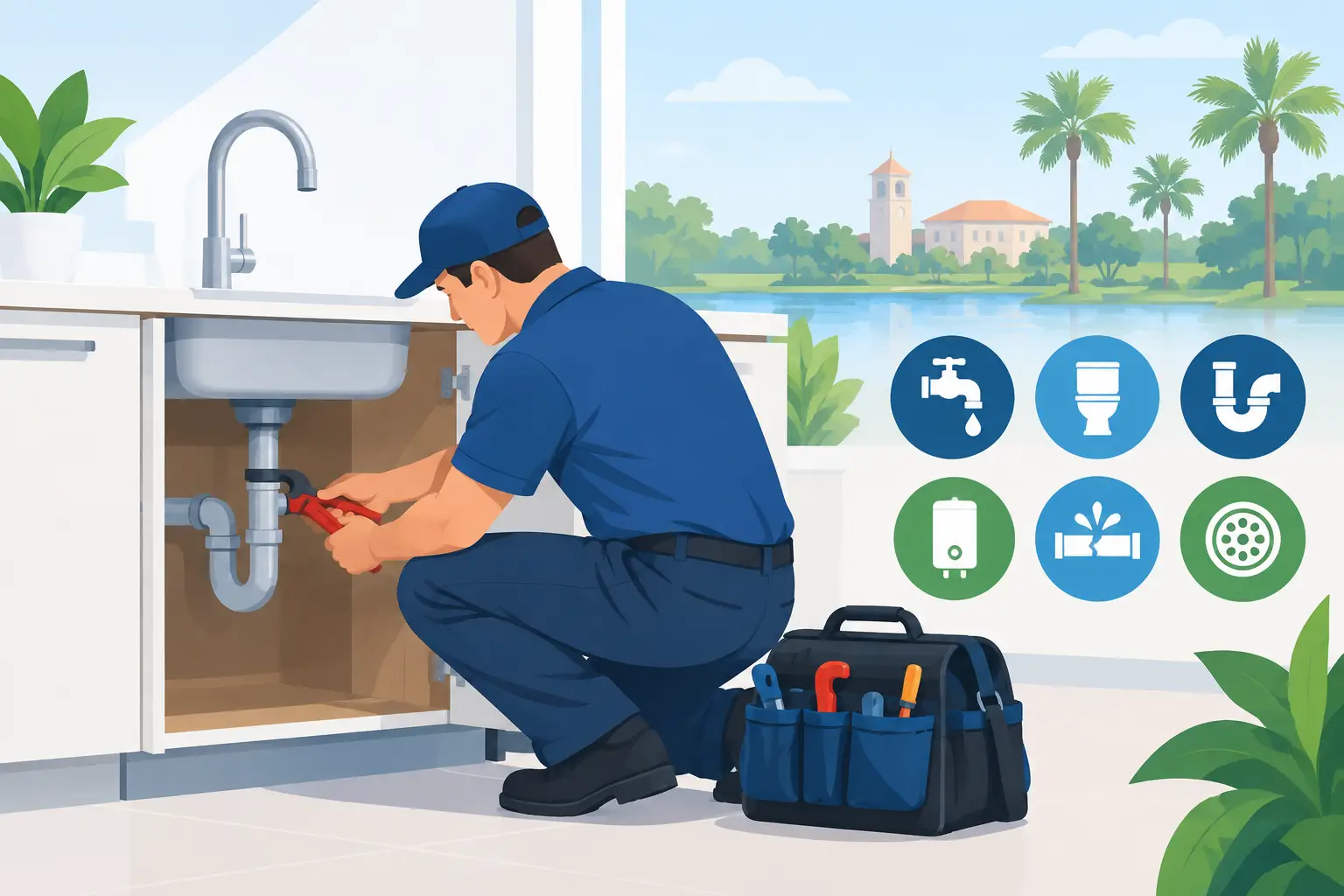
Professional diagnosis is more than clearing a visible symptom. A reliable plumber should inspect the drainage pattern, identify the location of the restriction, explain the recommended repair, and provide a clear estimate before work begins. The Flush Club provides fast-response plumbing support across Central Florida for toilet, drain, and sewer concerns, including problems that cannot wait for regular business hours.
A toilet that bubbles once may settle after a minor clog is cleared. A toilet that repeatedly bubbles is asking for attention. Address it before the next shower, laundry cycle, or busy weekend turns a warning sound into wastewater where it does not belong.