A slow drain rarely starts as an emergency. It starts with a little grease left in the kitchen sink, hair collecting beneath a shower drain, or wipes going down a toilet because the package says “flushable.” Knowing how to prevent drain clogs helps homeowners and property managers avoid messy backups, unpleasant odors, water damage, and last-minute plumbing calls.
For Central Florida properties, prevention also means accounting for heavy use, humid conditions, landscaping debris, and aging plumbing systems. A few consistent habits can keep most everyday clogs from forming. When slow drainage keeps returning, however, the issue may be deeper in the drain or sewer line and deserves a professional inspection.
How to Prevent Drain Clogs Starts With What Goes Down
Drains are built to carry water and certain waste materials, not every substance that happens to fit through an opening. The easiest way to protect a drain is to be deliberate about what enters it.
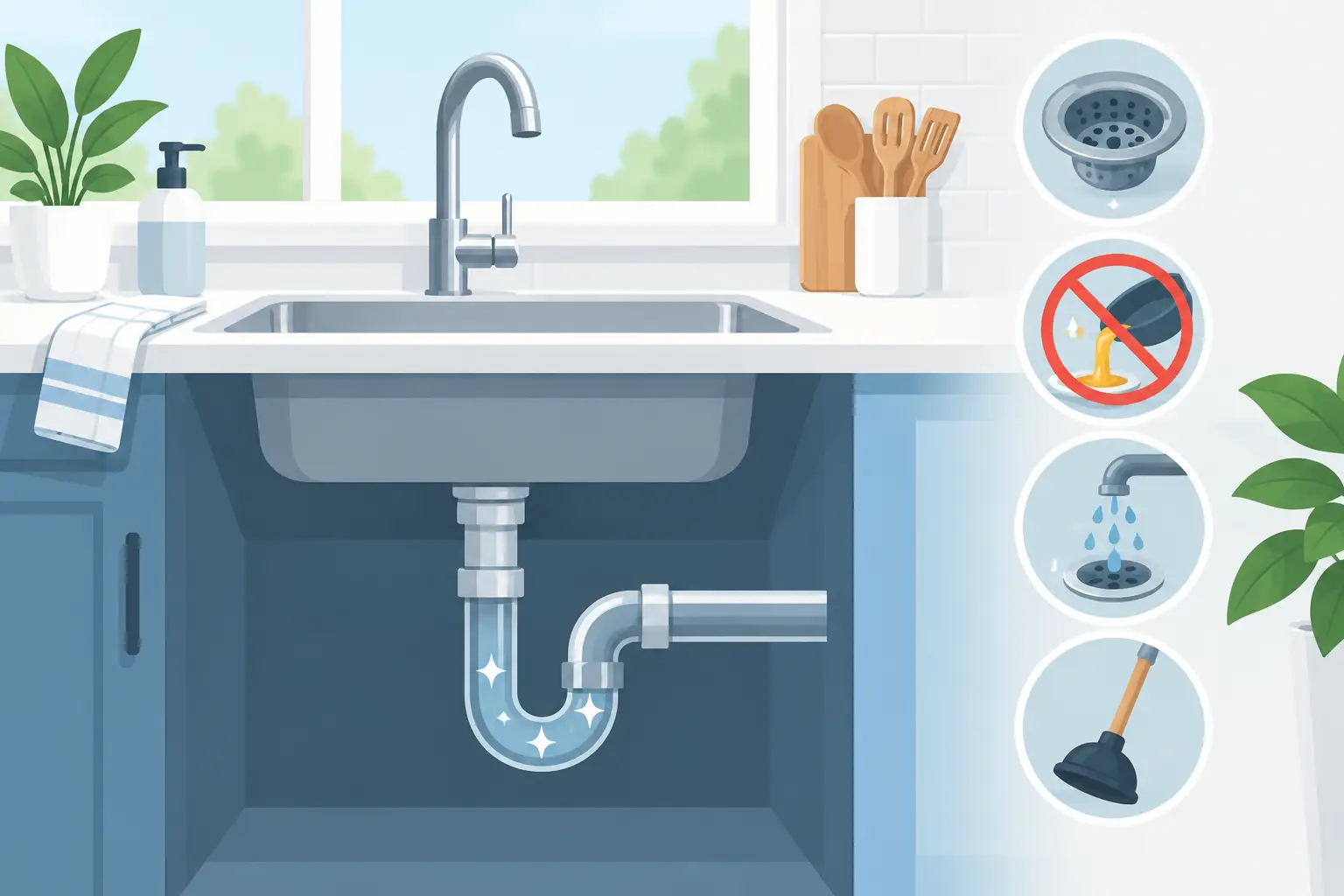
In the kitchen, grease is one of the most common causes of stubborn clogs. Hot cooking oil may look harmless when poured into the sink, but it cools as it travels through the pipes. It then sticks to pipe walls and catches food particles, soap residue, and other debris. Collect cooled grease in a heat-safe container and place it in the trash instead.
Coffee grounds, eggshells, flour, rice, pasta, and fibrous vegetable scraps also create trouble. A garbage disposal can handle small amounts of soft food waste, but it is not a replacement for the trash can. Even when food moves through the disposal, it can settle farther down the drain line.
Bathroom drains need the same level of attention. Hair, toothpaste residue, skin oils, and soap can combine into a dense buildup inside sink, tub, and shower pipes. Install a simple drain screen in each bathroom fixture and empty it regularly. This inexpensive step can prevent a surprising number of service calls.
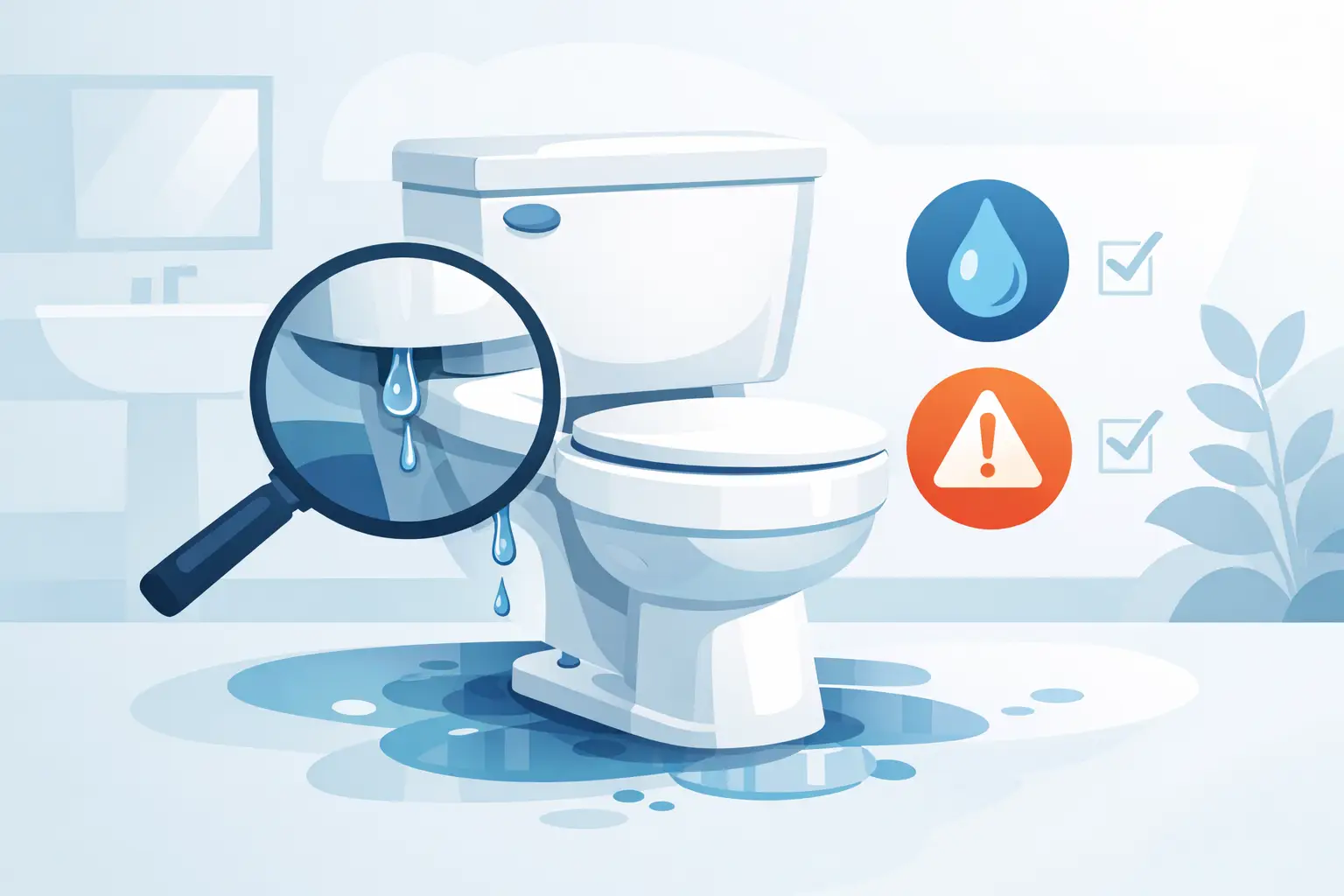
Toilets should be reserved for toilet paper and human waste. Paper towels, facial tissues, cotton swabs, dental floss, feminine hygiene products, diapers, and cleaning wipes do not break down reliably in plumbing. “Flushable” wipes are a frequent offender because they can remain intact long enough to snag in pipes or contribute to a sewer-line blockage.
Build Small Maintenance Habits Into Your Routine
Prevention works best when it is routine rather than reactive. You do not need harsh chemicals or complicated tools to keep household drains in better condition.
Once a week, remove visible debris from sink stoppers and drain screens. In showers, that usually means hair. In kitchen sinks, it may mean food particles caught around the strainer or disposal splash guard. It takes only a few minutes and stops material before it enters the pipe.
Run hot water for a short period after using the kitchen sink, especially after washing dishes with oily residue. Hot water will not eliminate a major grease buildup, but it can help move small amounts of soap and food residue through the line. If you have a garbage disposal, use cold water while it is running and continue the water flow briefly after turning it off. Cold water helps fats stay solid so the disposal can break them up rather than allowing them to coat the pipe.
For bathroom sinks and showers, occasional flushing with hot tap water can help clear light soap residue. Avoid using boiling water, particularly if your home has PVC pipes, because excessive heat may damage pipe joints or fittings. Hot tap water is the safer choice.
Enzyme-based drain maintenance products can be useful in some homes and commercial facilities, particularly where organic buildup is common. These products work gradually, so they are not a solution for an active clog. Read the label carefully and use only products that are compatible with your plumbing system.
Skip Chemical Drain Cleaners When Possible
Liquid chemical drain cleaners promise quick results, but they can create bigger problems. Many use corrosive ingredients that generate heat or react aggressively with the blockage. Repeated use can damage older pipes, weaken seals, and make a professional repair more hazardous.
They also tend to treat the symptom rather than the cause. A partial opening in a drain may restore flow for a few days, while grease, roots, scale, or accumulated debris remains in the line. If a plunger and basic cleaning do not resolve a minor clog, it is usually safer to have the drain evaluated than to keep adding chemicals.
Give Each Drain the Right Protection
Different fixtures clog for different reasons. Tailoring prevention to the drain saves time and helps identify issues early.
Kitchen sinks benefit from a basket strainer, careful disposal use, and grease collection. If your disposal begins humming without grinding or drains slowly after use, stop running it. Forcing it can damage the unit or push debris farther into the line.
Shower and tub drains need hair screens. Choose a screen that sits securely and is easy to clean, because a screen only works when it is emptied. If several people use the same shower, check it every few days rather than waiting for water to pool around your feet.
Bathroom sink pop-up stoppers collect hair, soap, and grooming products beneath the sink. Lift and clean the stopper periodically. If it is difficult to remove or reinstall, avoid forcing it and have a plumber take a look.
Laundry drains deal with lint, detergent residue, and large volumes of water. Use a lint trap designed for the washing machine discharge hose, and inspect the hose for kinks or loose connections. Never ignore a laundry drain that overflows during a wash cycle. The problem may be a clog, but it can also indicate a drain line that cannot handle the water flow.
For utility sinks and floor drains, keep paint, grout, construction materials, and mop water with heavy debris out of the plumbing whenever possible. Small business operators should be especially careful here. Salons, break rooms, restaurants, rental properties, and offices can develop recurring drain issues when staff members do not know what should stay out of the sink or toilet.
Watch for Warning Signs Before a Backup Happens
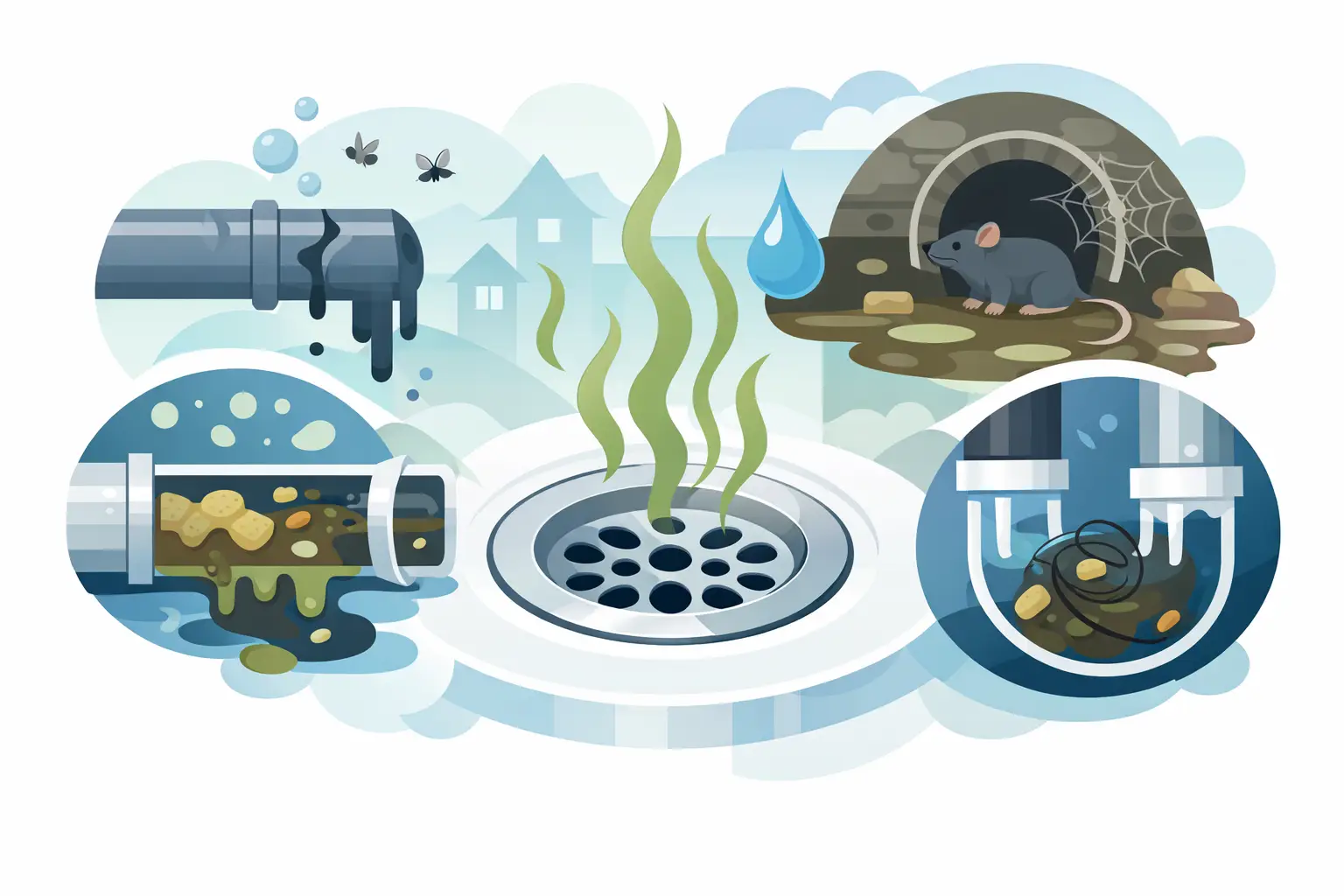
A drain does not have to be completely blocked to need attention. Slow drainage, gurgling sounds, recurring odors, and water backing up in an unexpected fixture all point to a developing problem.
A single slow sink may have a localized buildup near the stopper or trap. Multiple slow drains, however, can signal a blockage farther down the main drain or sewer line. If flushing a toilet causes water to rise in the tub, or running the washing machine makes a nearby sink gurgle, stop using water fixtures until the issue is checked. Continued use can turn a manageable blockage into an indoor backup.
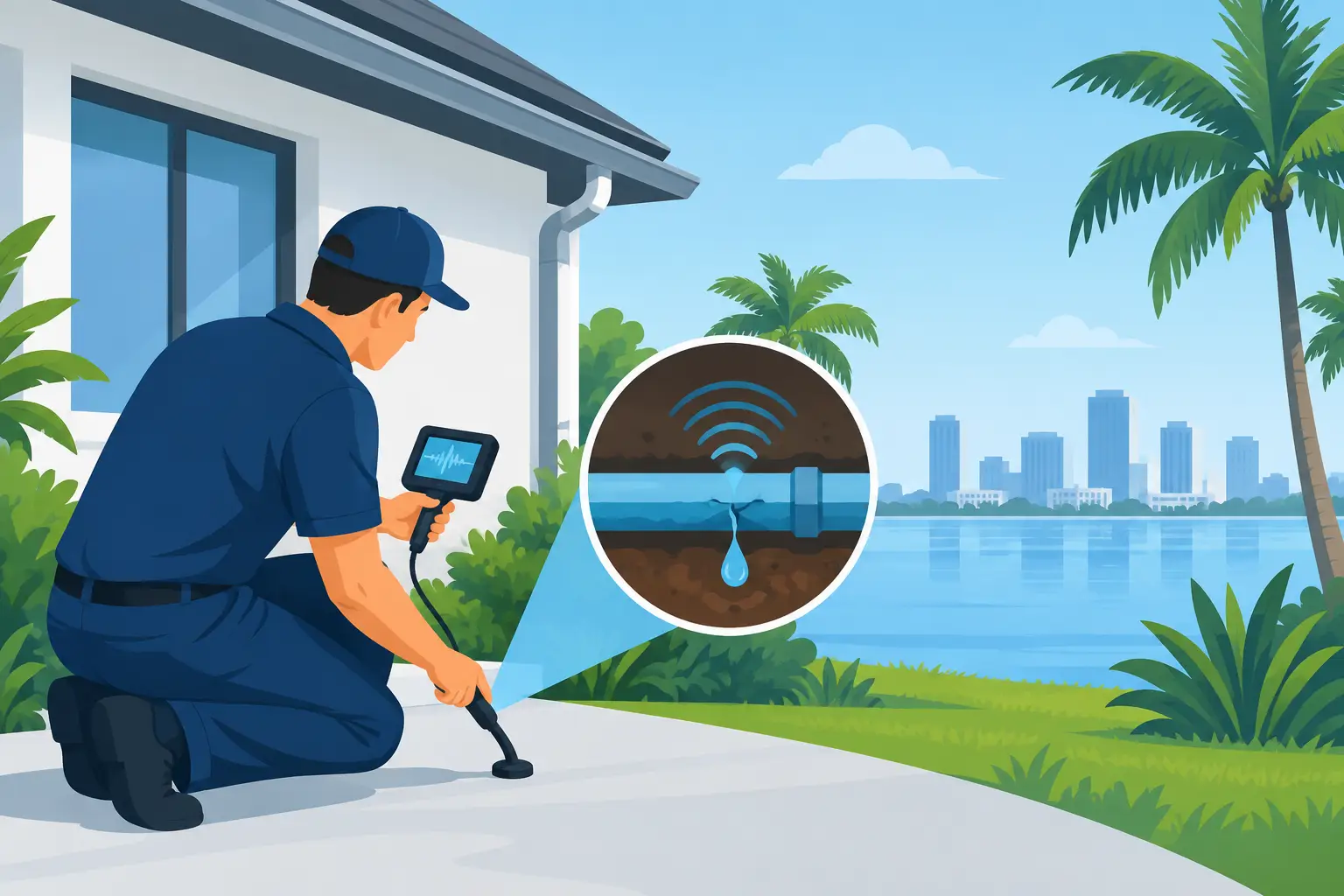
Outside your home or building, look for wet patches, sewer odors, unusually green areas of grass, or water collecting near cleanouts. Central Florida’s trees and mature landscaping can contribute to root intrusion in older sewer lines. Roots seek moisture and can enter small gaps in damaged or aging pipes, catching paper and debris until the line restricts or blocks completely.
Schedule Professional Help for Recurring Problems
Some clogs are simple. Others are signs that the pipe has scale buildup, an improper slope, root intrusion, a damaged section, or a problem in the sewer line. Repeated plunging may keep water moving temporarily, but it will not correct a structural issue.
Professional drain cleaning can remove buildup more thoroughly than store-bought products, while camera inspection can identify what is happening inside the line. This is particularly valuable for rental properties, commercial spaces, homes with older plumbing, or any property that has had more than one backup in a short period.
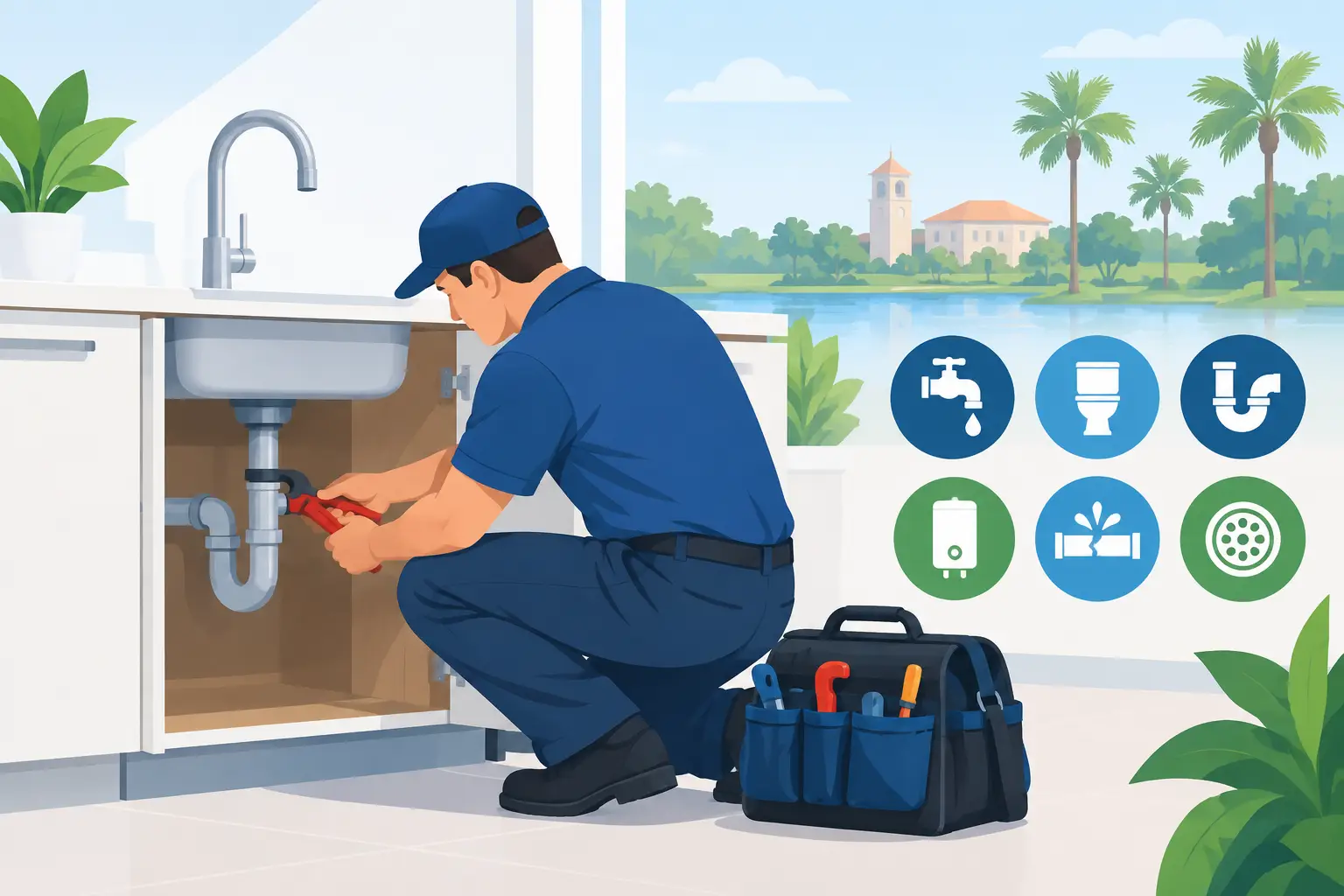
For urgent backups, sewage odors, or water coming up through drains, prompt service matters. The Flush Club provides fast, professional plumbing support across Central Florida, including 24/7 emergency help when a drain or sewer issue cannot wait. A clear inspection and estimate allow you to understand the problem before moving forward with repairs.
The best time to address a drain issue is when water first begins to slow, not after it reaches the floor. Keep screens clean, keep grease and non-flushable items out of the plumbing, and treat recurring warning signs as a reason to act early.