A water bill that jumps without explanation is often the first sign of a hidden plumbing problem. The most useful leak detection trends are not about adding technology for technology’s sake. They are about finding water loss earlier, reducing unnecessary damage, and giving homeowners and property managers a clearer path to repair.
For Central Florida properties, that matters. Slab foundations, humid conditions, aging supply lines, irrigation systems, and high water use can make a small leak difficult to spot until it has already caused flooring damage, mold concerns, or a costly utility bill. Modern detection methods help narrow down the source before a repair plan begins.
Leak Detection Trends That Are Changing Plumbing Service
The biggest shift in leak detection is moving from visible evidence to measurable evidence. Instead of waiting for a ceiling stain, soft drywall, or standing water, plumbers can use data and specialized equipment to investigate changes in pressure, flow, sound, and temperature.
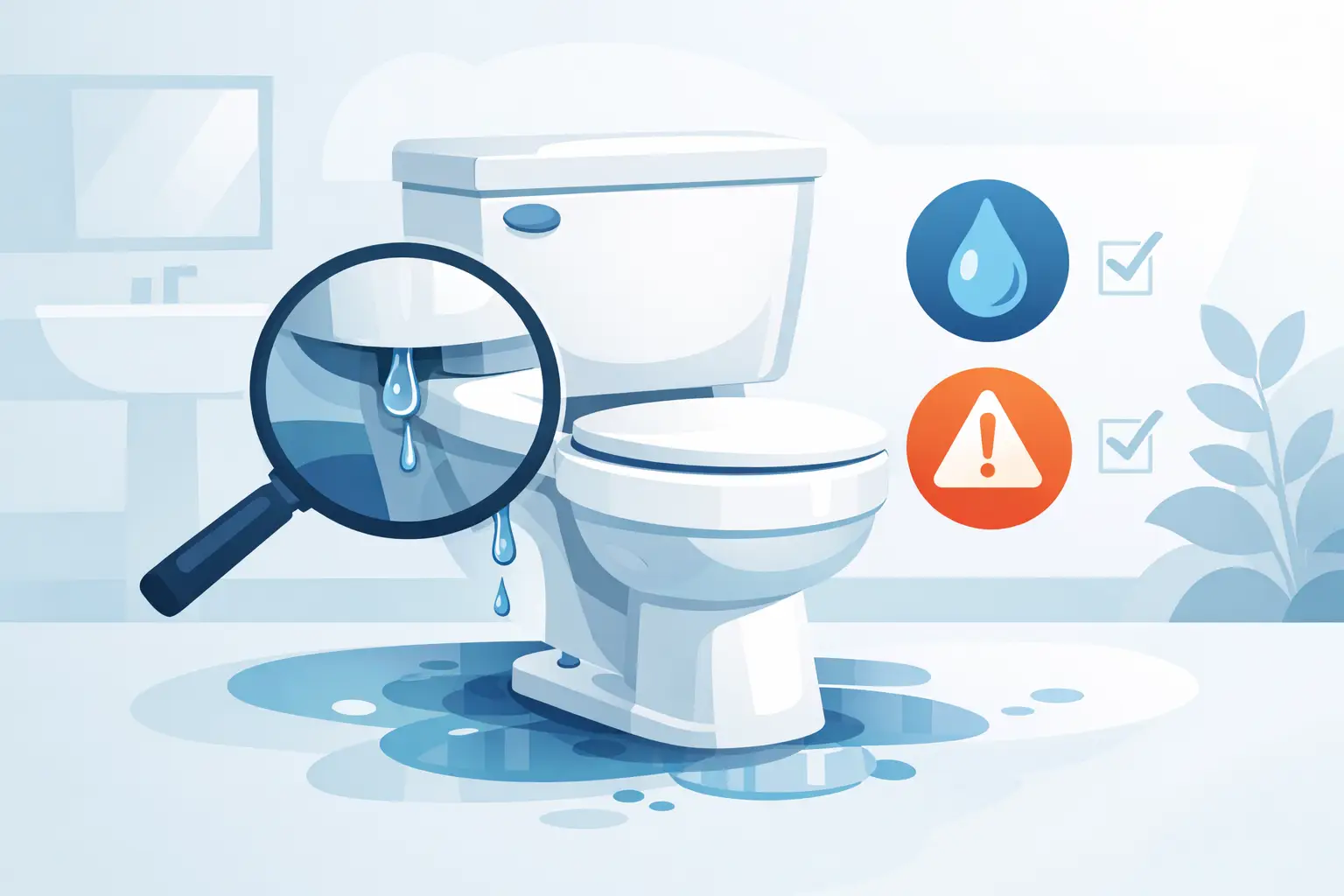
This does not mean every leak requires an advanced electronic system. A leaking toilet flapper may be found with a simple dye test, while a suspected slab leak may need a more detailed assessment. The right approach depends on where the leak may be, how much damage is at stake, and whether the plumbing serves a home, rental property, retail space, or larger commercial building.
Smart water monitors are becoming more practical
Smart water monitors and automatic shutoff devices are gaining attention because they can track water use in real time. Installed on a main water line, some systems identify unusual continuous flow, such as water running for hours while a building is empty. Others can send an alert to a phone or shut off the supply automatically when a major leak is suspected.
For owners who travel frequently, manage vacation homes, or oversee multiple rental units, this added visibility can be valuable. A burst washing machine hose or failed water heater can release a great deal of water in a short time. Early alerts may reduce the time between the failure and a response.
Still, smart monitoring is not a replacement for professional diagnosis. These devices can identify an unusual pattern, but they generally cannot tell you whether the issue is a toilet, irrigation line, water heater, underground pipe, or a hidden break behind a wall. They also need reliable installation, power or battery maintenance, and a stable connection to deliver alerts consistently.
Acoustic equipment helps locate hidden pipe leaks
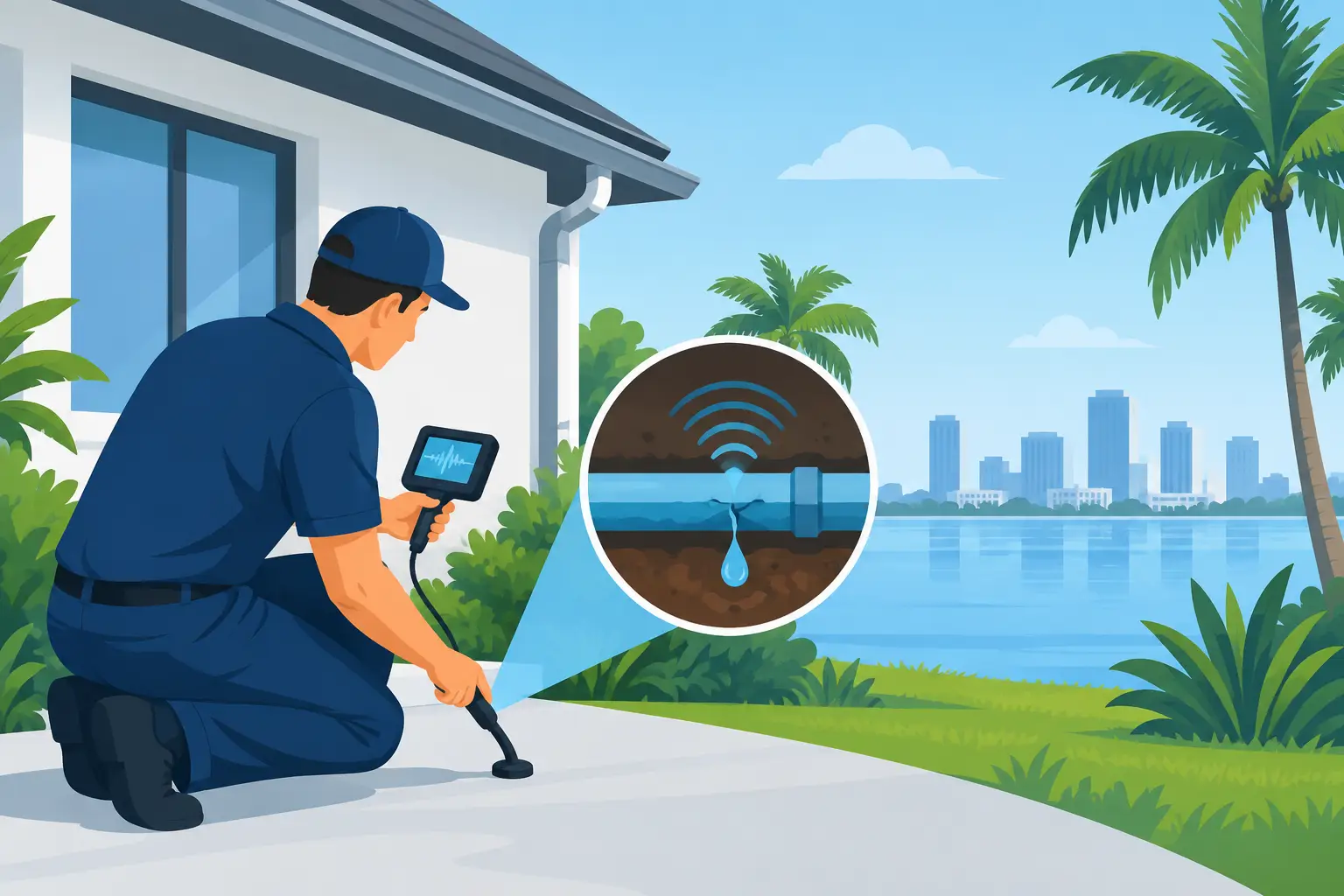
Water escaping under pressure creates sound and vibration. Professional acoustic leak detection equipment can help identify those sounds through floors, walls, pavement, and soil. This is especially helpful when a leak is concealed under a slab or underground and there is no obvious wet area above it.
Acoustic testing is not magic. Noise from appliances, traffic, HVAC equipment, and other plumbing fixtures can affect the reading. Pipe material, depth, water pressure, and the size of the opening also matter. A trained technician combines the equipment readings with pressure testing, visual inspection, moisture checks, and knowledge of how the property is plumbed.
The benefit is targeted investigation. Rather than opening large sections of flooring or drywall based on a guess, a plumbing professional can often narrow the likely area first. That can mean less disruption and a more informed repair estimate.
Thermal imaging supports faster moisture investigations
Thermal cameras do not see water directly. They detect surface temperature differences. When moisture changes the temperature of a wall, ceiling, or floor, thermal imaging can reveal patterns that deserve a closer look.
This method can be useful after a pipe leak, roof-related water intrusion, or a water heater failure has affected finished areas. It can help show where moisture may have traveled beyond the visible stain. For property managers, that information can support faster decisions about plumbing repair and drying work.
Thermal imaging has limits. Sun exposure, air conditioning, insulation gaps, and temperature changes can create readings that look suspicious without proving a plumbing leak. It works best as one part of a careful inspection, not as the only answer.
Pressure and flow testing remain essential
Some of the most dependable leak detection methods are not new at all. Isolating sections of a plumbing system and testing water pressure can show whether a closed system is losing water. Comparing water meter movement with all fixtures turned off can also confirm that water is flowing somewhere it should not be.
These tests matter because they establish the basics. If the meter continues moving after all faucets, appliances, and irrigation zones are off, there may be a leak on the property. If pressure drops during a controlled test, the plumbing system needs further investigation.
For commercial properties, ongoing flow monitoring can be particularly useful. A small leak in a restroom, break room, ice machine connection, or landscape line may not create an immediate emergency, but it can waste thousands of gallons over time. Regular checks help catch those losses before they become a budget problem.
Why Early Detection Matters in Central Florida
A hidden leak is rarely just a water-use issue. Water can weaken flooring, damage cabinets, create conditions for microbial growth, and affect nearby electrical components. Under-slab leaks can also lead to warm spots on floors, unexplained moisture, reduced water pressure, or the sound of water running when no fixture is on.
Central Florida’s soil conditions and frequent rain can complicate outdoor leak detection. Wet ground is not always caused by a broken pipe, and a leak may not always create a visible puddle. Irrigation lines, pool equipment, outdoor spigots, and main water lines should all be considered when water use increases.
For businesses, the cost of delay can include interrupted operations, tenant complaints, damaged inventory, and avoidable repair work. That is why leak detection should be treated as a practical maintenance issue, not something to postpone until damage becomes impossible to ignore.
What Owners Can Watch for Before Calling
Technology helps, but everyday observation still catches many plumbing problems early. Watch for an unexplained increase in your water bill, a water meter that moves when everything is off, musty odors, peeling paint, warm areas on a floor, or recurring moisture near walls and cabinets.
Other signs include a toilet that refills on its own, low water pressure in one area of the building, wet spots in the yard during dry weather, or a water heater pan that repeatedly collects water. If you manage a commercial property, pay attention to restrooms that run continuously and utility usage that changes outside normal operating patterns.
Do not assume a hidden leak will stay small. A minor drip may remain manageable for a while, but pipe failures can worsen with pressure changes, corrosion, movement, or age. Shutting off the main water supply may be appropriate when water is actively damaging the property or flowing uncontrollably.
Choosing the Right Response, Not Just the Latest Tool
The best leak detection service starts with clear questions: Is water being lost continuously? Is there active damage? Is the suspected leak inside, under the slab, underground, or connected to irrigation? Is there a recent history of repairs in the same area?
From there, a licensed plumbing professional should explain the inspection findings, the likely source, and the repair options before work begins. In some cases, a localized repair is the sensible choice. In others, repeated failures or deteriorating pipes may make rerouting, repiping, or a larger replacement the better long-term value.
The Flush Club approaches leak concerns with that practical mindset: inspect first, explain the findings clearly, and recommend work based on the condition of the plumbing rather than a one-size-fits-all fix. Fast service matters, but so does making sure the repair addresses the source of the problem.
If your meter is moving, your bill is rising, or you have unexplained moisture, acting early gives you more options. A timely professional inspection can turn an uncertain plumbing concern into a clear repair plan before water has the chance to do more damage.