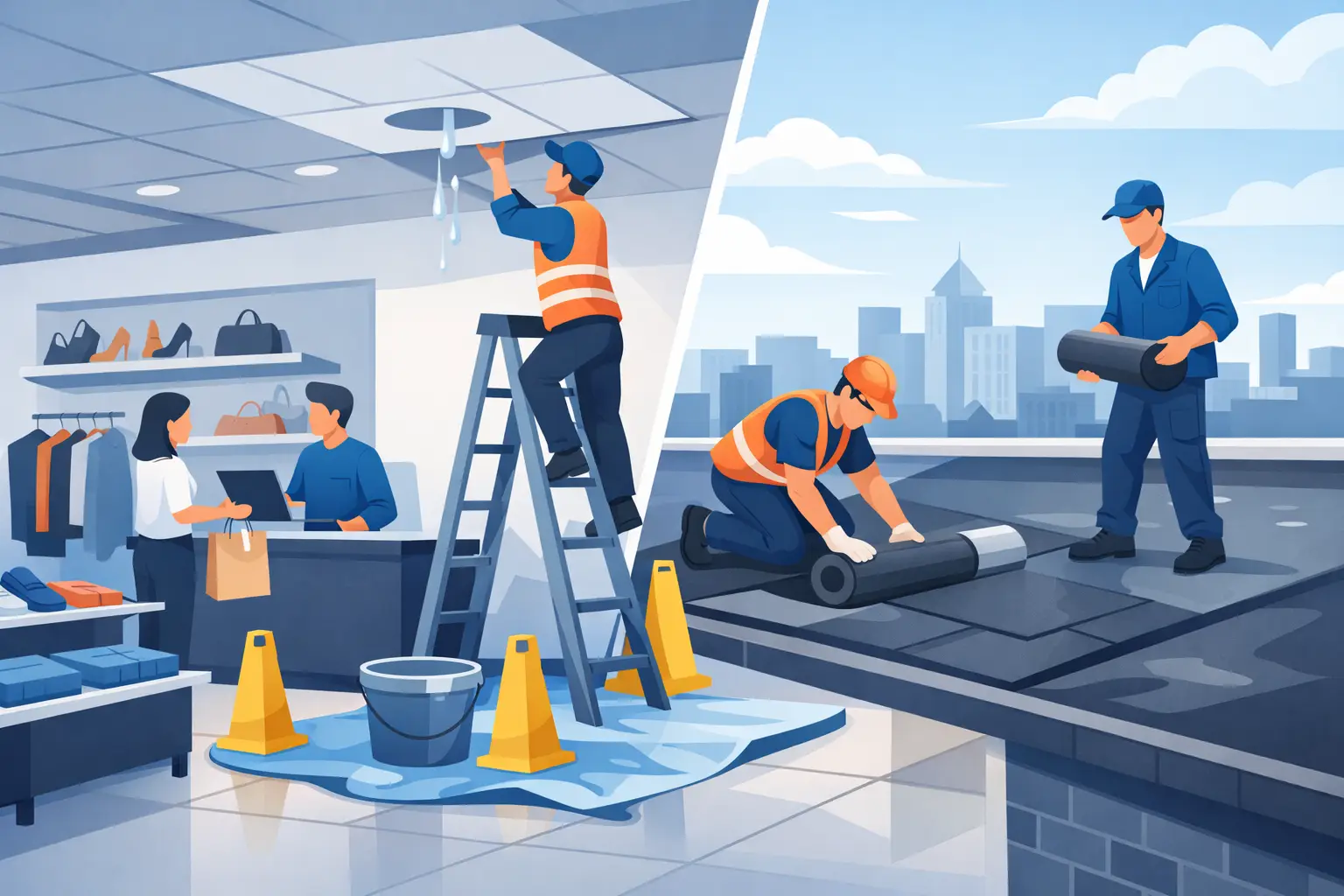
A restroom closure during business hours is more than an inconvenience. For a restaurant, office, retail space, or multi-unit property, one plumbing problem can disrupt staff, frustrate customers, and turn into a costly repair fast. A solid commercial plumbing maintenance checklist helps you catch small issues early, protect your plumbing system, and avoid the kind of downtime that hurts operations.
Commercial plumbing takes more wear than residential systems. Fixtures are used more often, drains collect heavier debris, and water heaters, supply lines, and sewer connections work harder every day. That means maintenance cannot be treated like an afterthought. The right checklist gives property managers and business owners a clear way to stay ahead of leaks, clogs, pressure issues, and code-related concerns.
Why a commercial plumbing maintenance checklist matters
Most major plumbing emergencies start as minor warning signs. A slow drain becomes a backup. A small supply line leak turns into wall or flooring damage. A toilet that runs all day quietly wastes water until the utility bill makes the problem obvious. Commercial properties also have another layer of risk – disruption to tenants, staff, customers, and daily operations.
Routine maintenance is usually less expensive than emergency repair, but the real value is consistency. You keep fixtures working, reduce surprise shutdowns, and extend the life of plumbing equipment. For businesses in Central Florida, regular inspections also matter because heat, humidity, hard water conditions in some areas, and heavy system use can accelerate wear.
What to inspect every month
Monthly checks should focus on the parts of the system your team uses every day. These are the issues most likely to create immediate problems if ignored.
Restrooms and public fixtures
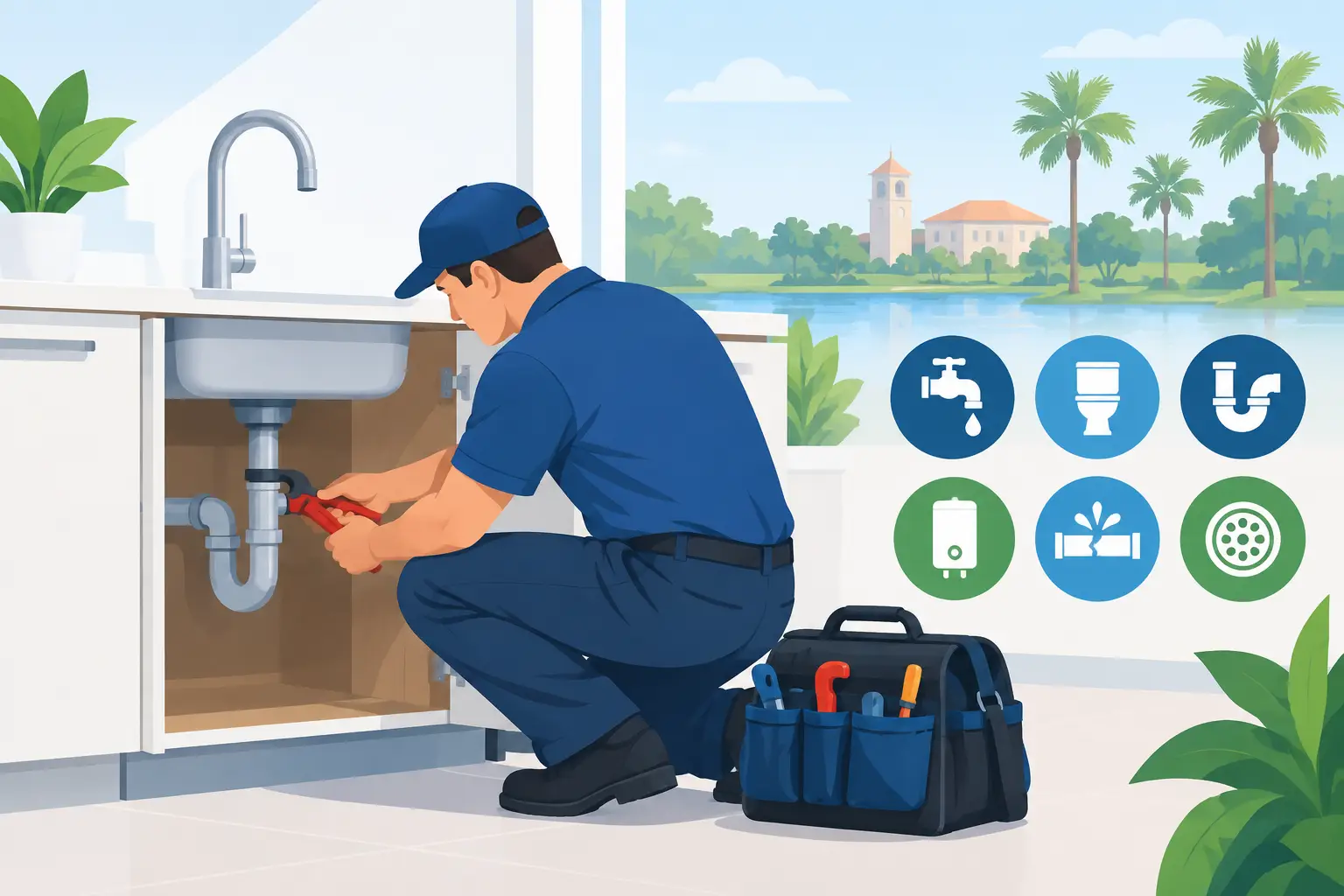
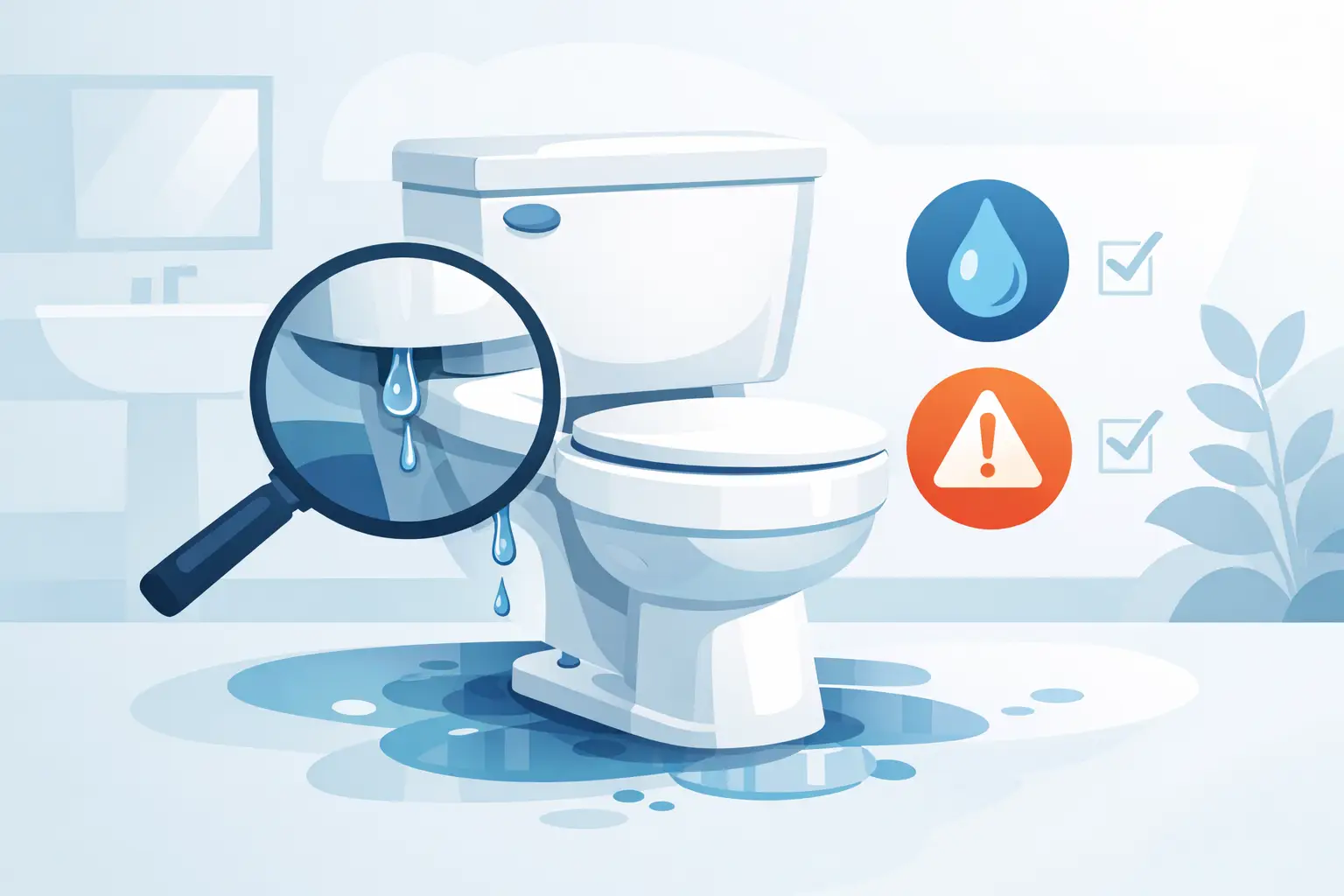
Walk every restroom and check toilets, urinals, sinks, and faucets for constant running water, weak flush performance, loose handles, and visible leaks around the base or supply connections. If a fixture rocks, drains slowly, or makes unusual sounds after use, it deserves a closer look.
Pay attention to caulking, shutoff valves, and signs of water on walls or flooring near fixtures. In commercial settings, repeated use can loosen connections quickly. Catching that early can prevent subfloor damage and mold concerns.
Drains and signs of blockage
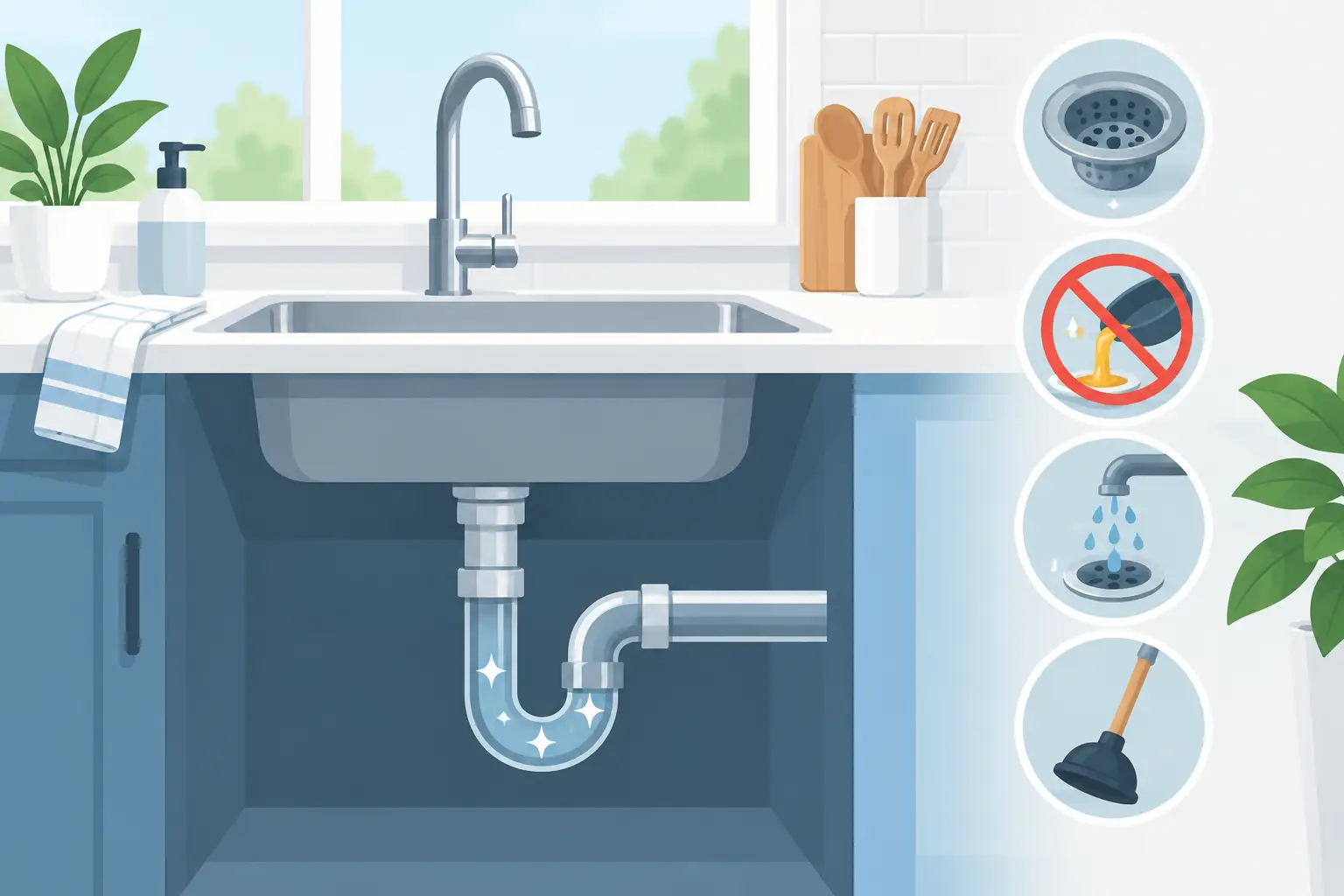
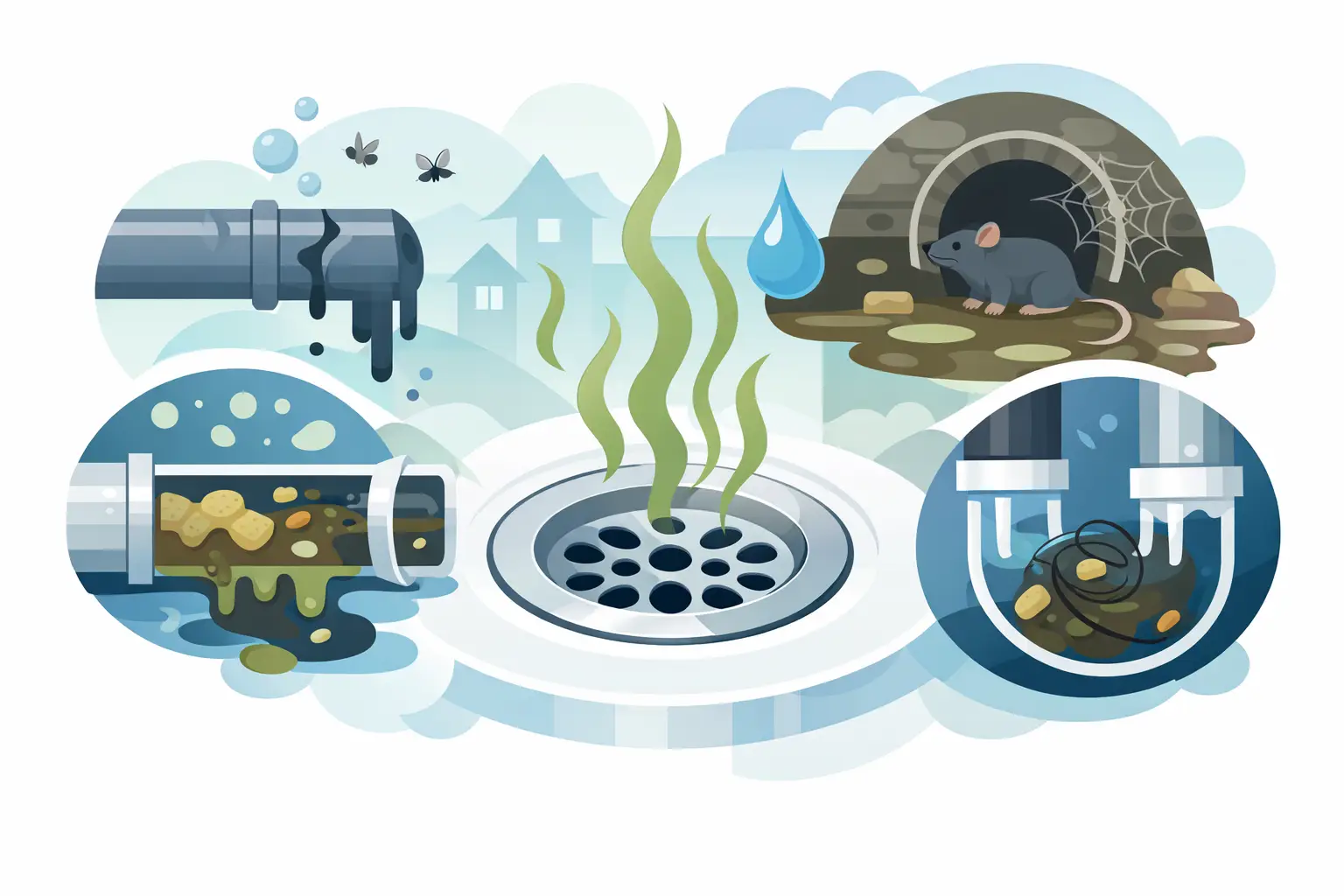
Floor drains, sink drains, and mop basin drains should be checked for slow movement, odors, and standing water. In kitchens, break rooms, salons, and medical spaces, drains often collect grease, soap, paper products, hair, or sediment. A drain that still works is not always a healthy drain.
Monthly checks are the time to note patterns. If one sink clogs repeatedly or a floor drain smells after cleaning, there may be a venting problem, buildup in the line, or an issue farther down the branch drain.
Exposed pipes and supply lines
Inspect visible piping under sinks, behind accessible panels, in utility rooms, and near water heaters. Look for corrosion, discoloration, mineral buildup, damp insulation, and staining on nearby materials. Even a slow drip matters in a commercial property because it rarely stays small.
This is also a good time to listen. Water movement when no fixture is being used can point to a hidden leak, a running toilet, or a failing valve.
Quarterly checklist items that prevent bigger repairs
Some plumbing problems develop more slowly and are better addressed every few months rather than every few weeks.
Water pressure and shutoff valves
Test water pressure at representative fixtures throughout the building. Pressure that is too high can wear out fixtures, supply lines, and appliances. Pressure that is too low can frustrate tenants and customers while signaling a leak, regulator issue, or developing blockage.
Exercise accessible shutoff valves so they do not seize up. In an emergency, a valve that will not close can turn a manageable leak into a serious property damage claim.
Water heater performance
Commercial water heaters need regular attention, especially in buildings with kitchens, showers, laundry, or heavy daily traffic. Check for inconsistent temperatures, rust around fittings, unusual noises, slow recovery time, and water around the base of the unit.
Sediment buildup is common, and whether flushing is appropriate depends on the age and condition of the heater. In some cases, aggressive flushing on an older neglected tank can create new issues. That is one of those areas where professional judgment matters.
Backflow and specialty equipment
If your property has backflow prevention devices, booster pumps, filtration systems, sump pumps, or grease interceptors, these should be inspected on a scheduled basis. Some equipment requires testing or service to meet local code or manufacturer recommendations.
This part of a commercial plumbing maintenance checklist is often overlooked because the equipment is out of sight. Unfortunately, those are the components that can create major interruptions when they fail.
Seasonal and annual plumbing checks
Annual maintenance should go beyond visible fixtures. It is the right time to assess system condition, compliance concerns, and long-term repair planning.
Sewer line condition
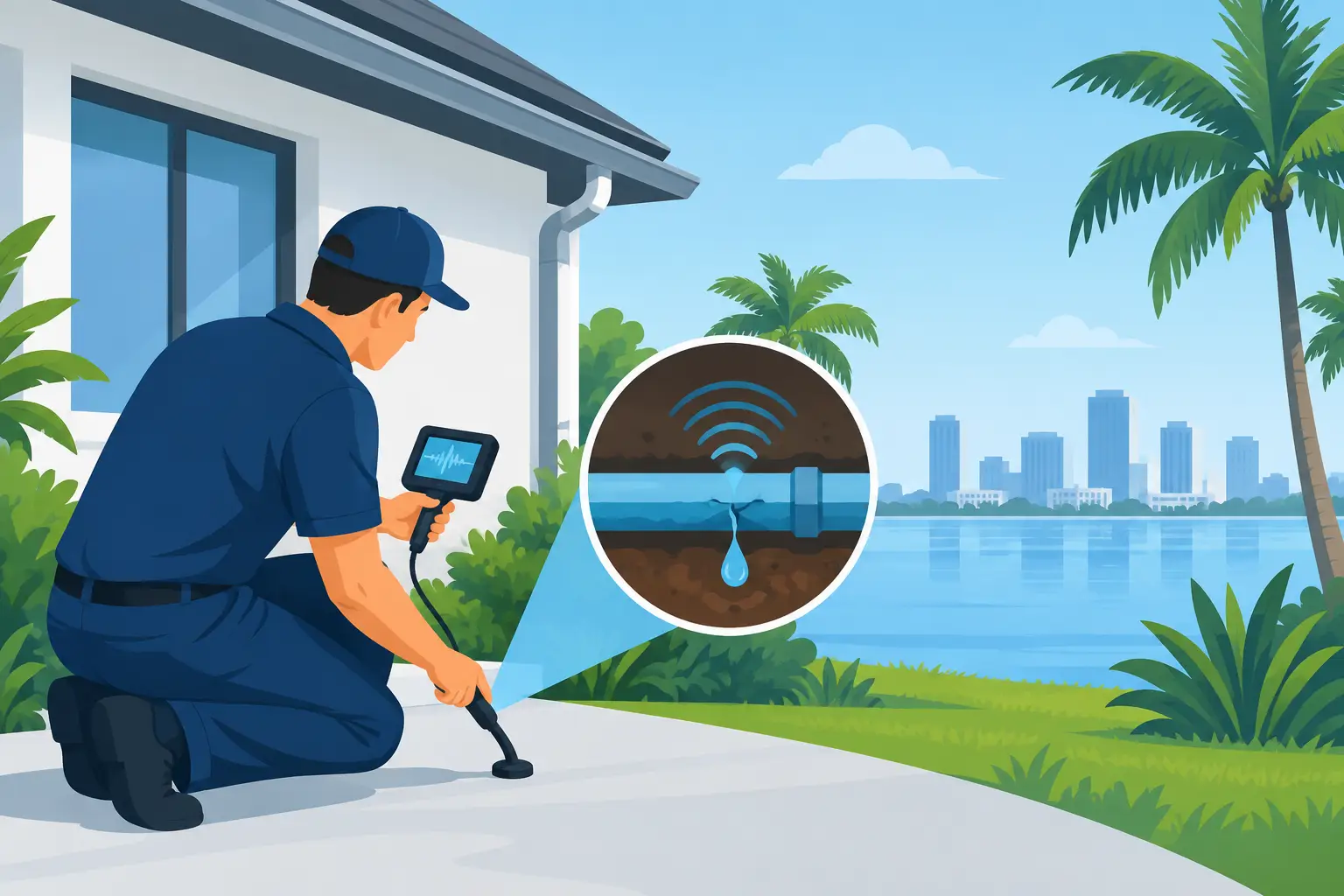
If your property has a history of backups, recurring drain issues, mature trees nearby, or older piping, schedule a sewer line evaluation. A camera inspection can identify root intrusion, scale buildup, offsets, cracks, or grease accumulation before they cause a full blockage.
Not every building needs this every year. A newer office with no drain history may need less frequent sewer diagnostics than a restaurant or older retail center. Usage patterns matter.
Leak detection and water usage trends
Compare water bills year over year and month over month. A rise in consumption without a clear operational reason can point to hidden leaks, failing toilets, underground line issues, or irrigation crossover problems. Bill review is not a substitute for inspection, but it is one of the easiest ways to catch a problem that is not visible yet.
If your property has multiple tenant spaces, separate monitoring can be especially helpful. It narrows down where water loss may be happening.
Code compliance and safety review
Commercial buildings may have plumbing-related code requirements tied to backflow devices, water heater installations, restroom functionality, accessibility, and gas piping. Annual review helps ensure repairs and modifications have not created compliance gaps.
This is particularly important for restaurants, healthcare spaces, schools, and multi-tenant properties where usage demands and inspection standards can be more complex.
Areas businesses commonly miss
The most common maintenance mistake is focusing only on what tenants or customers can see. A shiny restroom fixture does not tell you much about the condition of shutoff valves, drain lines, pressure regulators, or concealed piping.
Another common issue is waiting until there is a pattern of complaints. By the time occupants mention odor, low pressure, or repeated clogs, the problem has often been developing for months. Preventive plumbing work is less visible than emergency service, but it is usually what keeps your business running without interruption.
Grease management is another blind spot. In food service properties, drain problems often start with habits, not equipment failure. Even with a good grease trap setup, poor disposal practices can shorten the time between cleanings and increase the risk of backups.
When to handle it in-house and when to call a plumber
A facility team can usually manage visual inspections, fixture checks, shutoff labeling, and basic reporting. That internal oversight is valuable because your staff sees the building every day.
But recurring clogs, hidden leaks, pressure changes, sewer odors, water heater issues, and anything involving backflow, gas lines, or underground piping should be evaluated by a licensed plumber. Commercial systems have more moving parts, and a quick patch can create a bigger repair if the root cause is missed.
For many properties, the best approach is a mix of both. Staff handles routine observation, and a professional handles scheduled maintenance, diagnostics, and repairs. That gives you better documentation, fewer surprises, and faster action when something changes.
Building your checklist around your property
No two commercial properties need the exact same maintenance schedule. A small office may focus on restrooms, water heaters, and a modest number of fixtures. A restaurant needs much closer attention on drains, grease control, and hot water demand. Multi-unit properties may need more frequent leak checks and tenant communication.
That is why a commercial plumbing maintenance checklist should be tailored to your building size, operating hours, fixture count, and risk areas. The best checklist is not the longest one. It is the one your team can actually follow consistently.
If you manage a business or property in Central Florida, it helps to work with a plumbing company that understands both routine maintenance and fast-response repair. The Flush Club works with commercial customers who need clear inspections, honest recommendations, and service that keeps downtime to a minimum.
A good checklist will not prevent every plumbing emergency. It will, however, make surprises less frequent, repairs less disruptive, and decisions much easier when something needs attention.