A drain that keeps backing up can make high-pressure cleaning sound like the obvious answer. But can hydro jetting damage pipes? It can, in the wrong situation. When performed after a proper inspection and matched to the pipe’s condition, hydro jetting is one of the most effective ways to clear heavy buildup from sewer and drain lines. When used on a weak, cracked, collapsed, or incorrectly identified pipe, that same pressure can expose an existing problem or make it worse.
The difference is not simply the machine. It is the inspection, the operator’s judgment, and whether hydro jetting is the right solution for the line in front of them.
What Hydro Jetting Actually Does
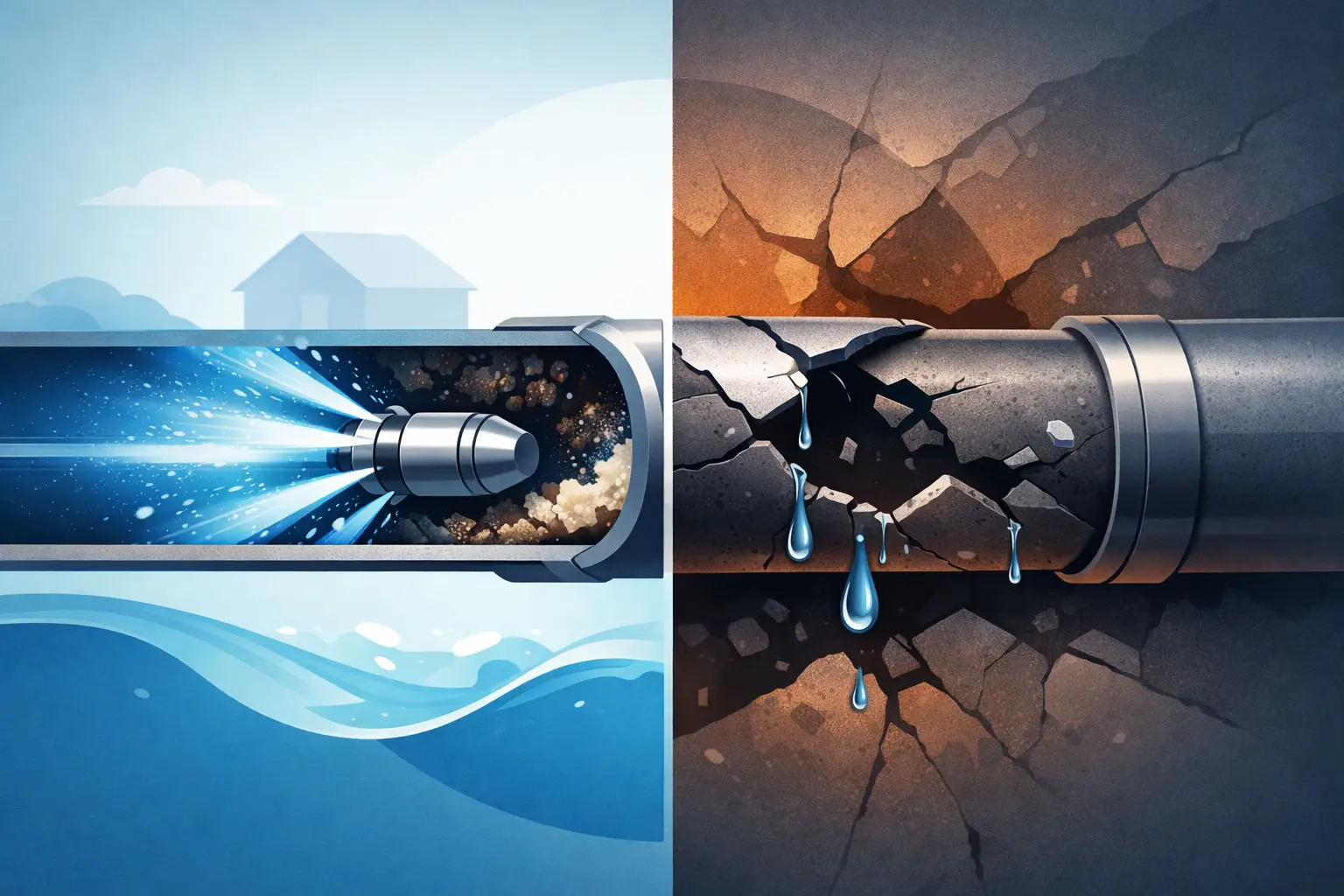
Hydro jetting uses a specialized hose and nozzle to send pressurized water through a drain or sewer line. The nozzle directs water forward to break through obstructions and backward to pull the hose through the pipe while scrubbing its interior walls.
Unlike a basic drain cable, which often punches a path through a clog, hydro jetting can remove grease, sludge, soap residue, scale, food waste, and some root intrusion along the full circumference of the pipe. That makes it especially useful for recurring kitchen drain clogs, commercial grease buildup, and sewer lines with heavy accumulation.
Pressure is not one-size-fits-all. A qualified plumber adjusts the equipment for the pipe material, diameter, blockage type, and condition of the line. A residential drain line does not receive the same approach as a larger commercial sewer line.
Can Hydro Jetting Damage Pipes That Are Old or Weak?
Hydro jetting does not typically damage a sound pipe. Properly installed PVC, ABS, cast iron, and many other pipe materials can handle professional hydro jetting when they are structurally intact.
The concern is older or already compromised plumbing. High-pressure water does not usually create a crack in a healthy sewer line, but it can force water through a crack that already exists. It can dislodge loose corrosion in badly deteriorated cast iron. It may also aggravate a joint that has separated, a pipe belly that holds waste and water, or a line weakened by shifting soil.
That can feel like the hydro jetting caused the failure. More often, the cleaning process revealed a problem that was already developing below the slab, in the yard, or behind a wall. Still, that does not mean jetting should be used blindly. If a camera inspection shows severe damage, a different repair approach may be safer and more cost-effective.
Pipes That Need Extra Caution
Older homes in Central Florida may have aging cast-iron drain lines, Orangeburg pipe, deteriorated clay sections, or pipes affected by ground movement and root intrusion. These systems deserve a careful evaluation before any high-pressure cleaning begins.
Cast iron is a common example. A cast-iron line may look functional from above while corrosion has thinned the pipe wall from inside. Hydro jetting may be appropriate at a controlled pressure if the pipe remains stable. If the line is badly scaled, cracked, or flaking apart, jetting may not be the best first step.
Orangeburg pipe requires even more caution. This older fiber-based material can deform, blister, collapse, and deteriorate with age. A plumbing camera inspection helps determine whether the pipe can be cleaned safely or whether repair or replacement is the better long-term answer.
The Biggest Risks Come From Skipping Inspection
A reputable plumber does not treat every clog the same way. Before hydro jetting, the line should be evaluated to identify where the blockage is, what is causing it, and whether the pipe can safely handle cleaning.
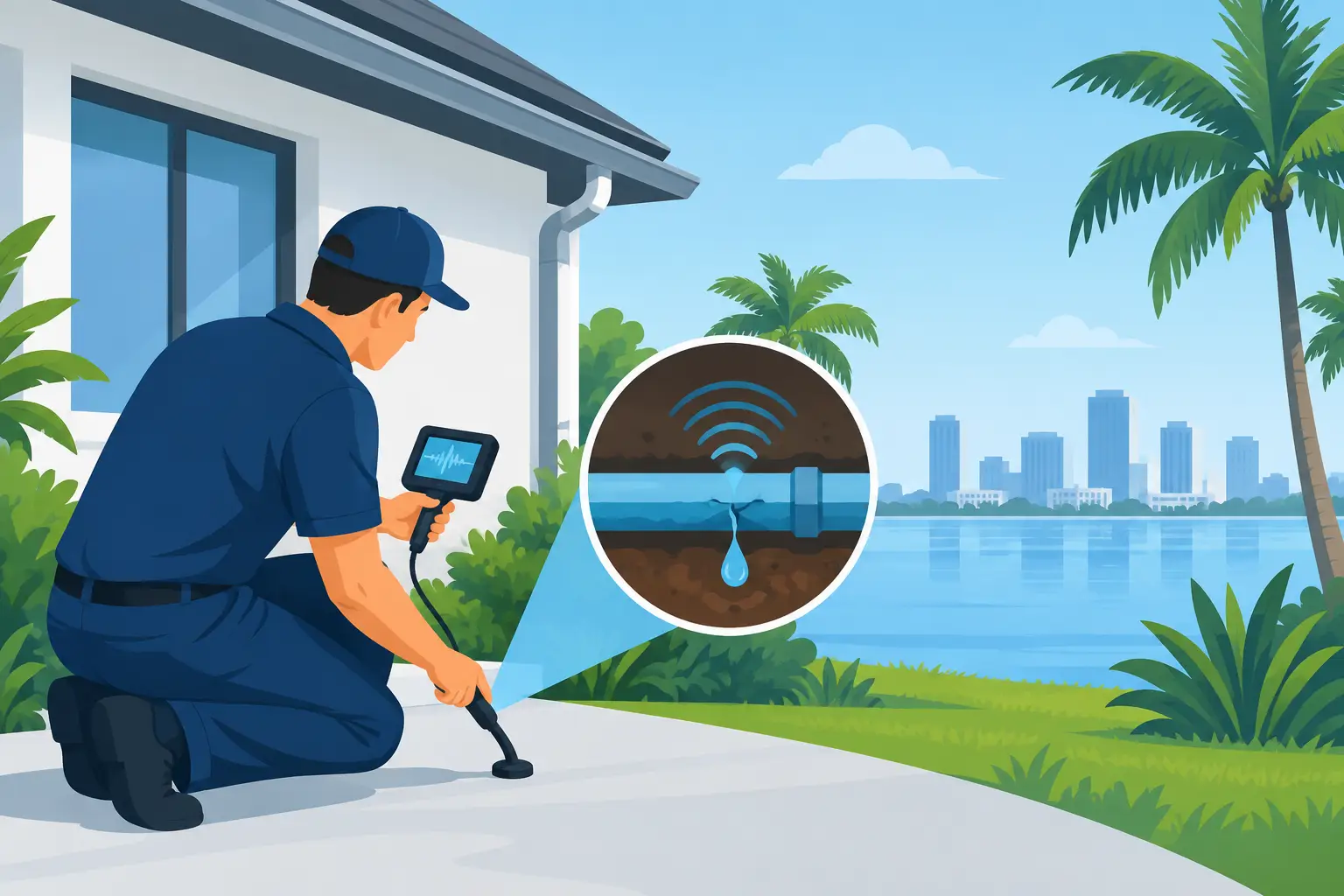
A sewer camera inspection can reveal cracks, root damage, bellies, corrosion, offset joints, collapsed sections, and foreign objects. It can also confirm the pipe’s approximate diameter and help locate the problem accurately. This step avoids sending a high-pressure nozzle into a line that is already at risk of failure.
The inspection also distinguishes between a cleaning problem and a repair problem. Grease buildup, soft blockages, and minor root intrusion may respond well to hydro jetting. A collapsed pipe, broken connection, or severely offset joint will not be repaired by cleaning. In those cases, forcing the issue can lead to backups, leaks, or wasted money on a temporary result.
When Hydro Jetting Is a Smart Choice
Hydro jetting is often an excellent option when a drain or sewer line is structurally sound but restricted by buildup. It is particularly effective for recurring clogs that return soon after snaking, slow drains affecting multiple fixtures, and commercial lines exposed to regular grease and food debris.
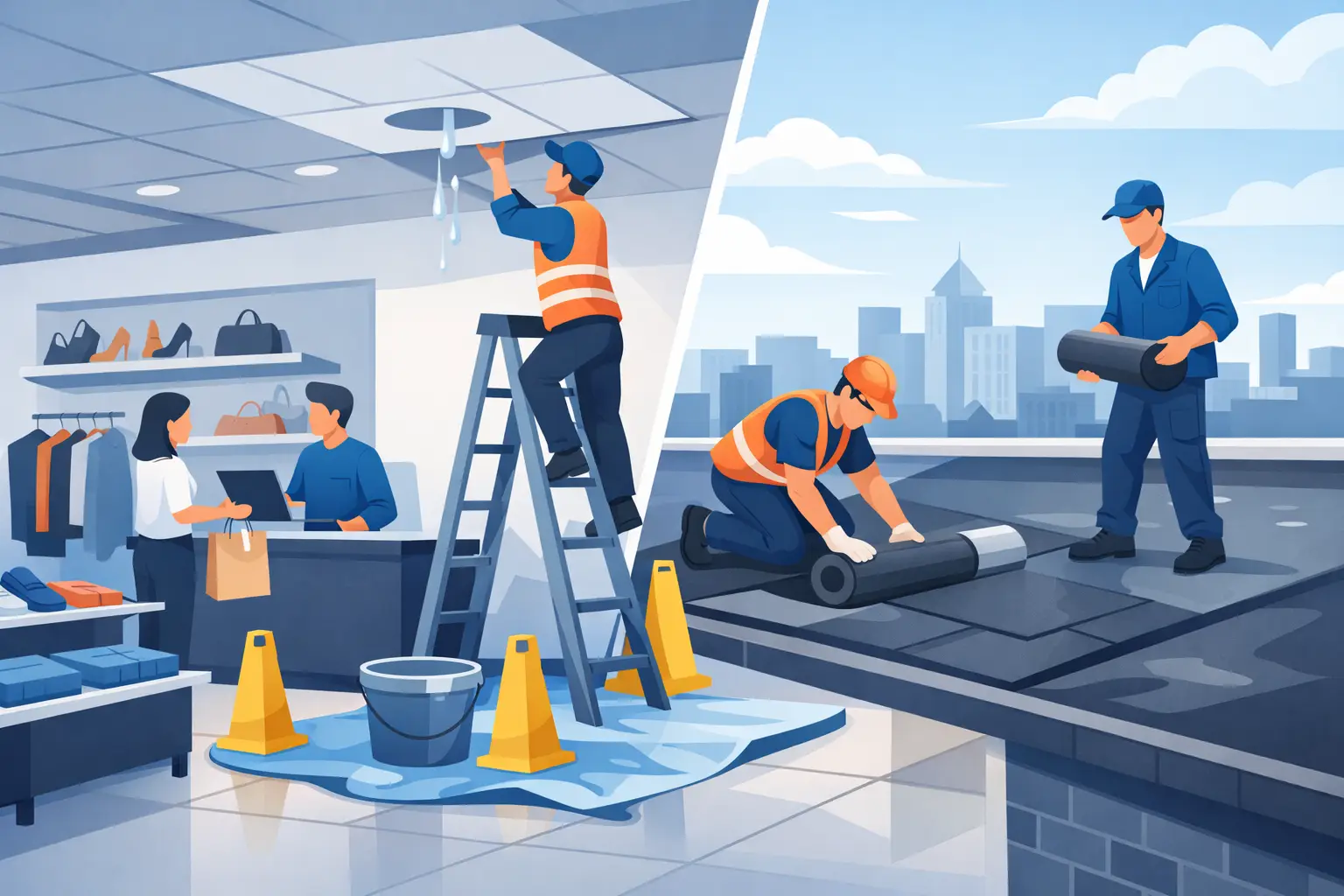
For a restaurant, office building, rental property, or busy household, preventive jetting can help keep waste moving before a major backup disrupts the property. It cleans more thoroughly than many quick clog-clearing methods, which can reduce the frequency of service calls when the underlying issue is buildup rather than pipe damage.
It also avoids harsh chemical drain cleaners. Chemical products can create heat, damage certain materials, and leave corrosive residue sitting in a blocked line. Hydro jetting uses water, but it still requires trained handling because water pressure must be controlled and directed correctly.
Signs You May Need Repair Instead of Hydro Jetting
A clogged drain is not always a cleaning issue. If you have persistent sewer odors, wet spots in the yard, unexplained increases in water use, sewage backing up repeatedly, or multiple fixtures draining poorly, the line may have structural damage.
Warning signs can include a drain problem that returns shortly after professional cleaning, gurgling toilets, root growth in the sewer line, or a camera inspection showing cracks and standing water. These conditions may point to a damaged section that needs spot repair, trenchless sewer repair, or replacement.
A trustworthy plumber should explain what the camera shows and give you clear options. The goal is not to sell hydro jetting for every problem. The goal is to restore dependable drainage with the least disruption and the right repair for your property.
Why Professional Equipment and Training Matter
Consumer pressure washers are not hydro jetting systems, and attempting to clean a sewer line with improvised equipment can be dangerous. Drain jetters use purpose-built hoses, nozzles, controls, and safety practices designed for plumbing lines. The operator needs to understand nozzle selection, pressure settings, hose movement, access points, and how to respond if the line is damaged or blocked.
There is also a safety issue outside the pipe. High-pressure water can cause serious injury, and sewage lines may contain harmful bacteria. A professional has the equipment to manage the work safely and prevent a messy backup inside the home or business.
At The Flush Club, the process starts with understanding the symptoms and inspecting the line when needed. You should know what is causing the blockage, whether the pipe is a good candidate for hydro jetting, and what the recommended work will cost before moving forward.
How to Protect Your Pipes Before and After Service
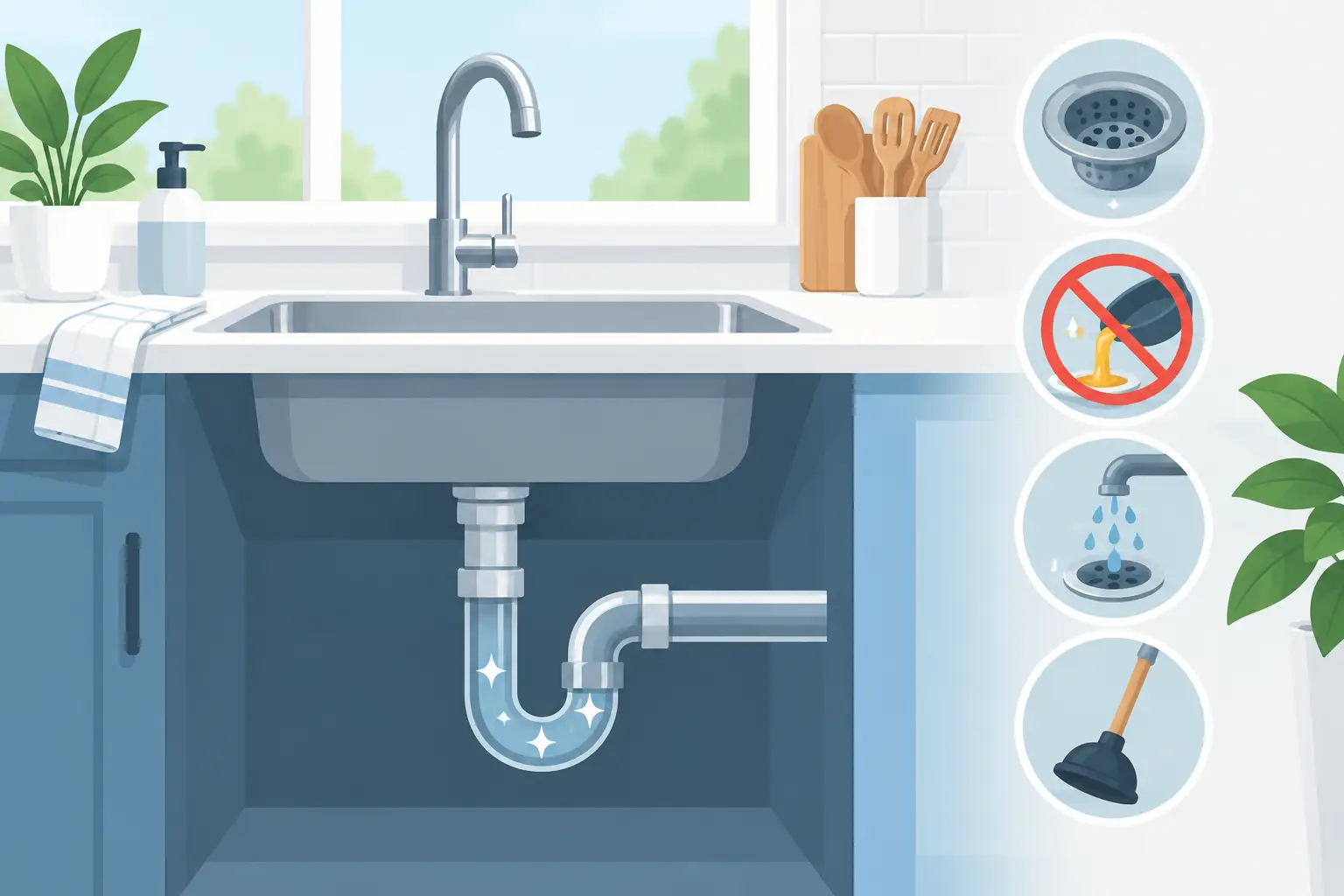
The best protection is to address slow drains and recurring clogs before they become an emergency. Avoid pouring grease down kitchen drains, use strainers where food scraps or hair are common, and do not flush wipes or hygiene products even if the packaging says they are flushable.
For older homes, rental properties, and commercial locations, a camera inspection can provide useful information before a major backup occurs. It gives property owners a clearer picture of pipe condition and helps plan maintenance or repairs on their schedule rather than during a late-night sewer emergency.
If hydro jetting is recommended, ask whether the line has been inspected, what condition the pipe is in, and whether there are signs of cracks, roots, or collapse. Clear answers are a good sign that the work is being tailored to your plumbing instead of treated as a one-size-fits-all service.
A clean drain is valuable, but a sound pipe matters more. When recurring clogs start disrupting your home or business, get the line evaluated first so the next step protects your plumbing and solves the real problem.