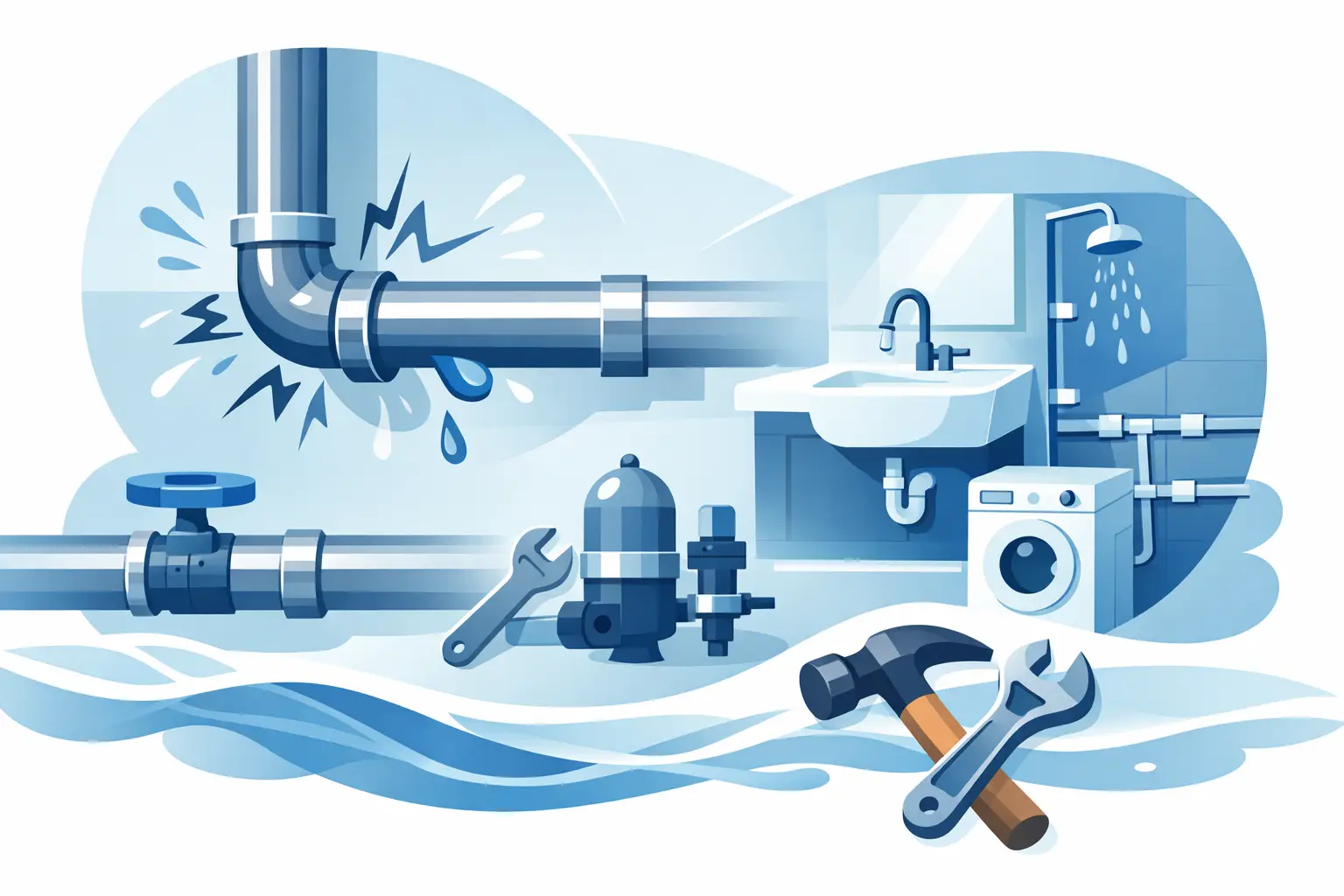
A sharp bang from inside the wall right after a washing machine, dishwasher, toilet, or sprinkler zone shuts off can be alarming. It is also a clear sign that water hammer repair may be needed. While an occasional noise does not always mean a pipe has failed, repeated banging puts stress on valves, fittings, appliance hoses, and plumbing connections that should not be ignored.
Water hammer is one of those plumbing problems that can sound worse at night, when the house is quiet and a single thud seems to travel through every wall. The good news is that the cause is usually identifiable, and the right repair can stop the noise while protecting your plumbing system from future damage.
What Causes Water Hammer?
Water hammer happens when moving water is forced to stop suddenly. Water has weight and momentum, even inside a relatively small pipe. When a fast-closing valve shuts off the flow, the moving water hits a sudden barrier. That pressure wave travels back through the piping and creates the familiar bang, knock, or vibration.
Modern appliances are common triggers because many use solenoid valves that close quickly. A washing machine can fill and shut off several times during one cycle. Dishwashers, ice makers, irrigation valves, and some toilets can create the same effect. The noise may happen only at one fixture, or it may seem to come from a completely different area of the home because pipes carry sound through framing.
Loose pipes can make the problem louder. If a pipe is not properly secured, the pressure change can cause it to shift and strike a stud, joist, or nearby pipe. High water pressure can also make water hammer more severe, as can worn fixture valves or missing, failed, or improperly installed hammer arrestors.
Water Hammer Repair Starts With the Right Diagnosis
The right solution depends on when the sound occurs and what is happening inside the plumbing system. Adding a part without identifying the source can reduce noise temporarily without addressing the underlying issue.
A plumber will typically begin by narrowing down the trigger. Does the bang happen when the washer stops filling? Does it occur after flushing one specific toilet? Is it tied to an irrigation zone? If the noise follows a particular appliance or fixture, its shutoff valve, supply line, and connection points deserve close attention.
Next comes a review of water pressure. Residential water pressure that is too high can shorten the life of fixtures and appliances even if water hammer is not obvious. A pressure gauge can confirm whether the system is operating within an appropriate range. If pressure is elevated, a pressure-reducing valve may need adjustment, repair, or replacement.
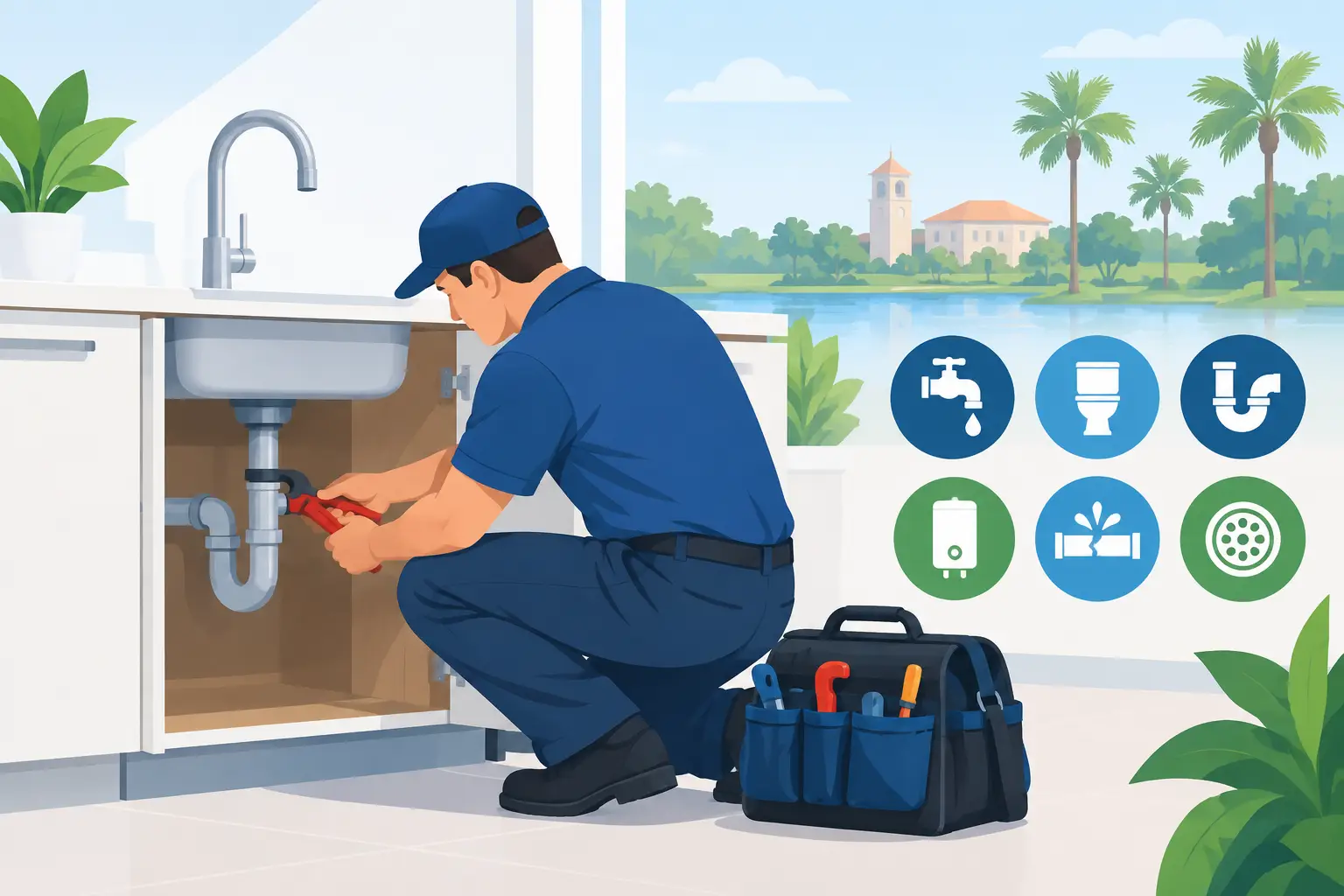
The plumber may also inspect accessible piping for movement, missing supports, or signs of strain. In some homes, the affected pipe is behind a wall or ceiling, so the goal is to use the sound pattern and fixture behavior to locate the issue with as little disruption as possible. For property managers and business owners, this targeted approach matters because it helps limit downtime and unnecessary repairs.
Air Chambers vs. Water Hammer Arrestors
Older plumbing systems sometimes rely on air chambers, which are vertical sections of pipe designed to hold air and cushion pressure changes. Over time, those chambers can fill with water and stop working as intended. In some cases, shutting off the main water supply and draining the plumbing system can restore the air cushion temporarily.
However, draining the system is not a permanent answer for every property. Modern water hammer arrestors are purpose-built devices that use a sealed air or gas chamber separated from the water by a piston or diaphragm. They are often a more reliable solution for fast-closing valves, particularly at washing machines, dishwashers, and commercial equipment.
Arrestor size and placement matter. A small device installed far from the fixture may not adequately protect the line. A licensed plumber can determine whether an arrestor is appropriate, where it should go, and whether a pressure issue or defective valve also needs correction.
What You Can Do Before Calling a Plumber
If the sound is new or suddenly louder, pay attention to the pattern. Run one appliance or fixture at a time and note when the noise occurs. This simple information can speed up diagnosis.
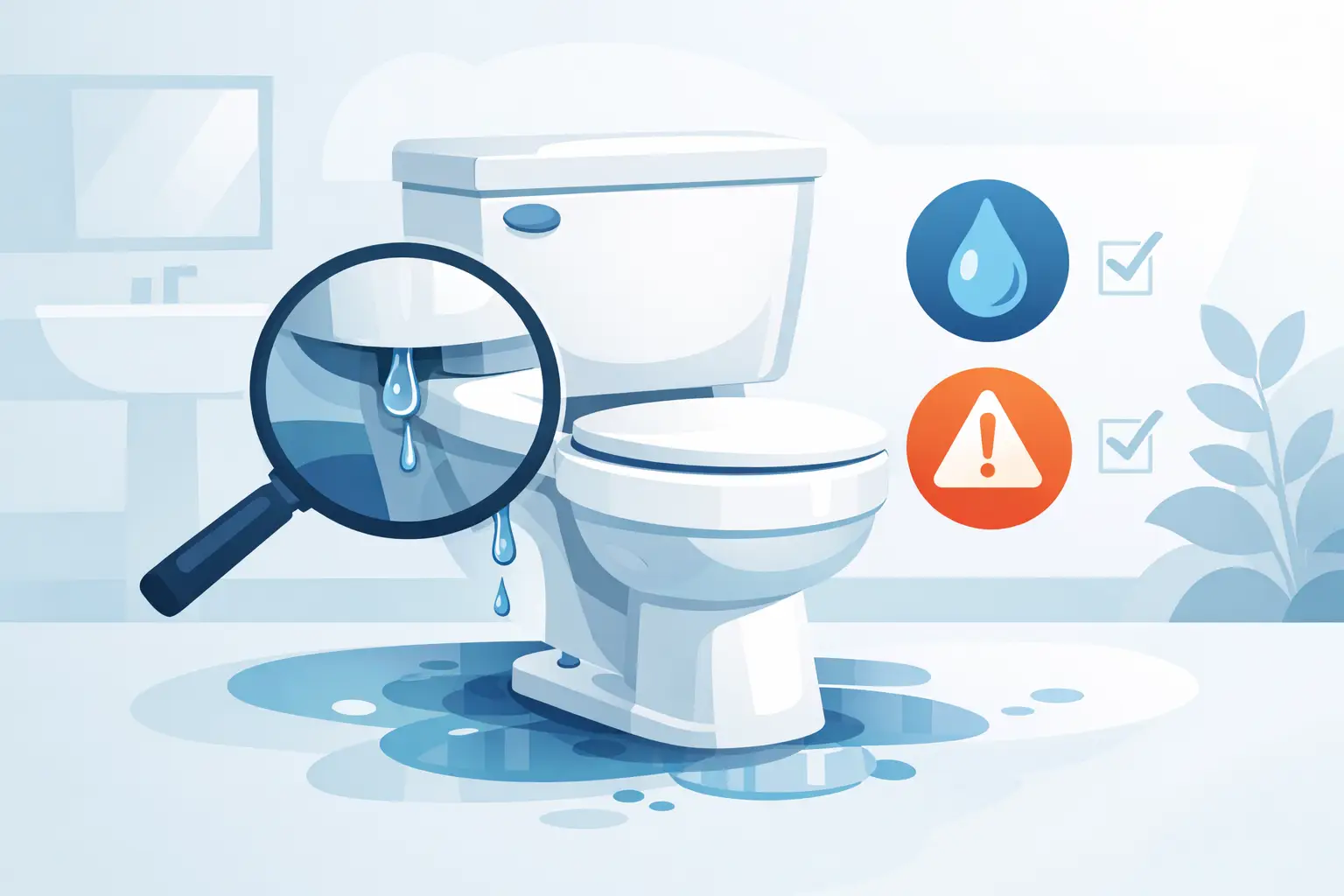
You can also check for obvious concerns around accessible appliances. Look for leaking washing machine hoses, loose supply connections, water under a dishwasher, or a toilet that continues to run after flushing. Do not remove panels, open walls, or attempt to modify pressurized plumbing unless you know exactly how to shut off and safely restore the water supply.
If you have a pressure gauge designed for a hose connection, checking pressure can be useful, but it is not a substitute for a full evaluation. Pressure can change at different times of day, and a reading alone will not identify loose pipes, failing valves, or an incorrectly sized arrestor.
Avoid treating repeated banging as a minor annoyance. The force from water hammer can damage appliance valves, weaken soldered or threaded fittings, and contribute to leaks over time. A small repair now is usually easier than dealing with hidden water damage later.
When Banging Pipes Need Fast Attention
Water hammer is not always an after-hours emergency, but certain symptoms call for prompt professional service. Contact a plumber quickly if the banging is accompanied by visible leaks, damp drywall, water stains, a sudden pressure change, or a fixture that will not shut off correctly. Turn off the water supply to the affected appliance or fixture if it is leaking and you can safely reach the shutoff valve.
A loud bang followed by a leak near a water heater, washing machine, or commercial appliance should be treated seriously. These connections can release a significant amount of water quickly. If you cannot stop the leak at a local shutoff, turn off the main water supply and request emergency plumbing help.
For Central Florida homes, seasonal occupancy can add another layer of risk. A property that sits vacant for part of the year may have a small plumbing issue go unnoticed until it becomes a larger repair. Landlords and property managers should take recurring pipe noise seriously, especially in units with older supply lines, high-use laundry areas, or irrigation systems.
Lasting Repairs Protect More Than Quiet Walls
A proper water hammer repair may involve securing pipes, replacing a worn fixture valve, installing correctly sized hammer arrestors, adjusting water pressure, or servicing a failing pressure-reducing valve. Sometimes the solution is straightforward. Other times, several factors are contributing to the problem, especially in older homes or buildings that have been remodeled over the years.
That is why transparent diagnosis matters. You should know what is causing the noise, what repair is recommended, and whether there are options based on the age and condition of the plumbing. A professional should explain the work before it begins and provide an upfront estimate rather than leaving you guessing about the next step.
The Flush Club helps Central Florida homeowners, property managers, and businesses identify the source of banging pipes and make repairs that address the cause, not just the sound. With fast service, licensed workmanship, and clear communication, the focus stays on protecting your property and restoring confidence in your plumbing.
A quiet pipe system is more than a comfort. When a fixture starts banging, use that warning to schedule an inspection before pressure and vibration turn a manageable repair into a leak behind the wall.