A restaurant sewer backup example can start with something that seems manageable: a slow floor drain near the dish area, a gurgling toilet, or water rising from a mop sink. Then sewage appears on the floor during a lunch rush. At that point, the issue is no longer a routine clog. It is a health concern, a safety hazard, and a threat to the restaurant’s ability to stay open.
For Central Florida restaurant owners and facility managers, the right response is fast, controlled, and professional. Knowing what to do in the first few minutes can limit contamination, reduce downtime, and help prevent a small drainage issue from becoming a major cleanup and repair.
A Restaurant Sewer Backup Example From Start to Shutdown
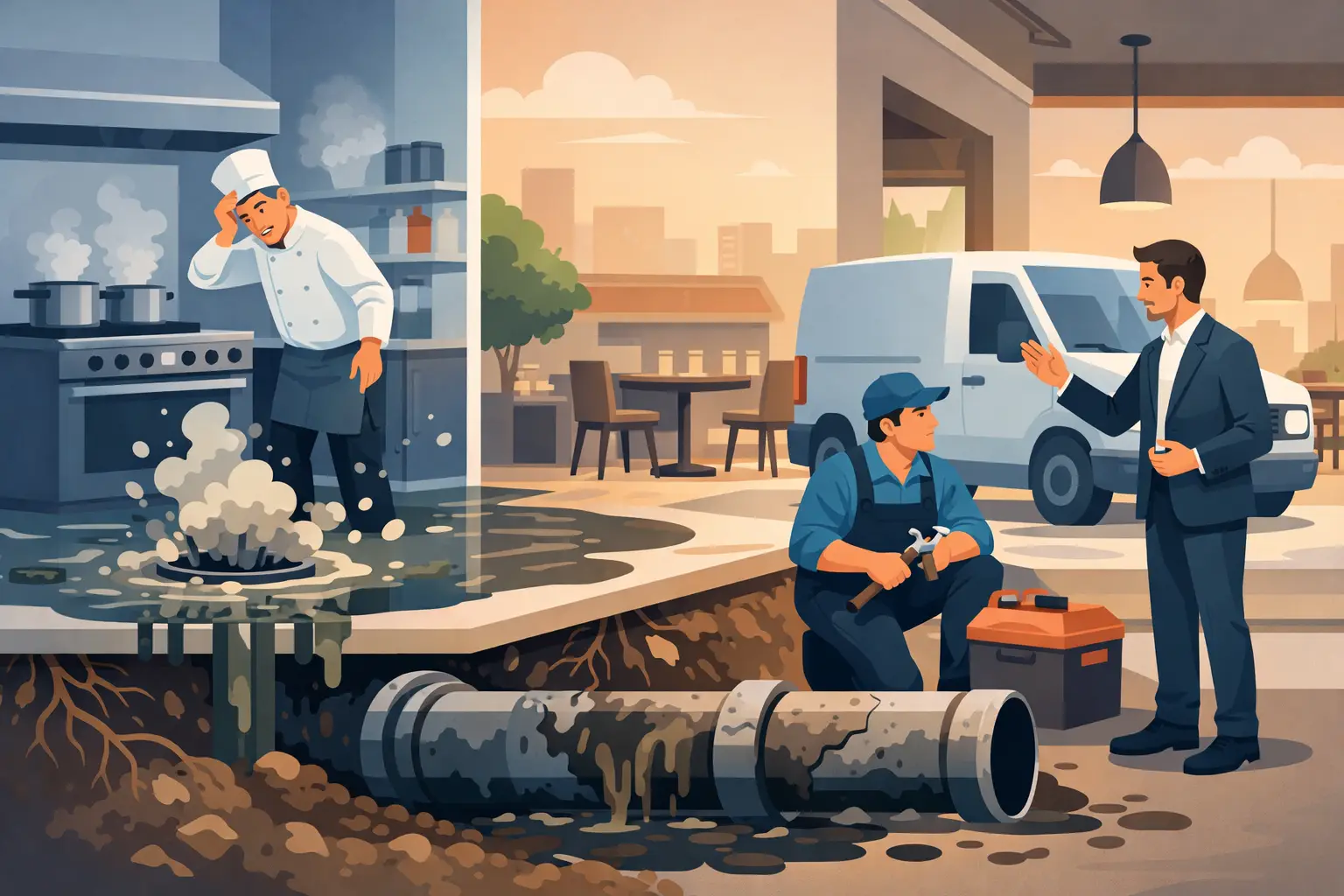
Picture a busy restaurant on a Saturday evening. The kitchen is running at full capacity, dishwashers are draining continuously, and restrooms have steady guest traffic. A prep employee notices that the floor drain by the three-compartment sink is draining slowly. Minutes later, dark wastewater begins bubbling through the drain and spreading toward the cook line.
The manager stops using the nearby sinks and dishwasher, but the water continues to rise. A toilet in the guest restroom starts gurgling, then refuses to flush. This is a strong sign that the problem is affecting the building’s main drain or sewer line rather than one fixture.
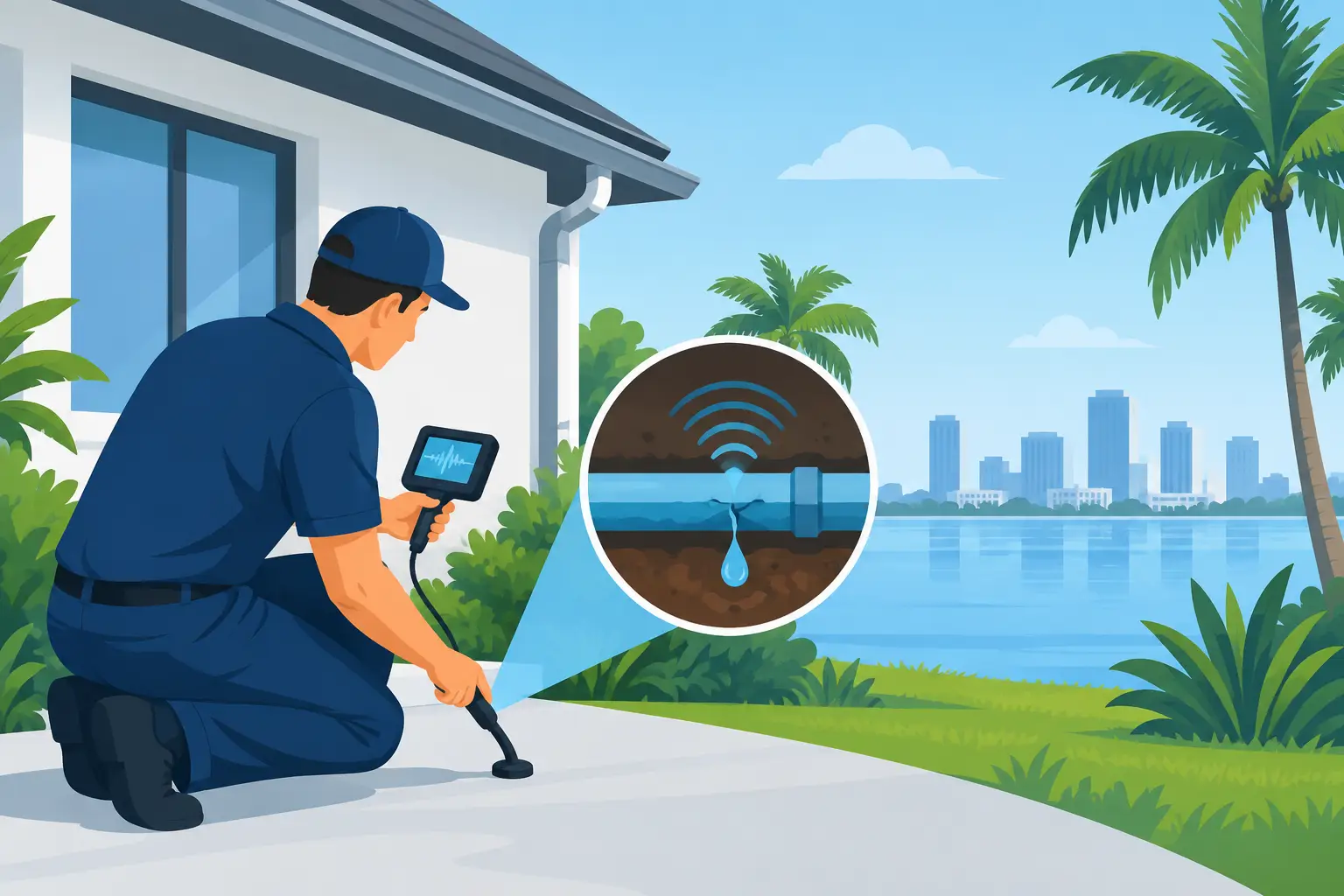
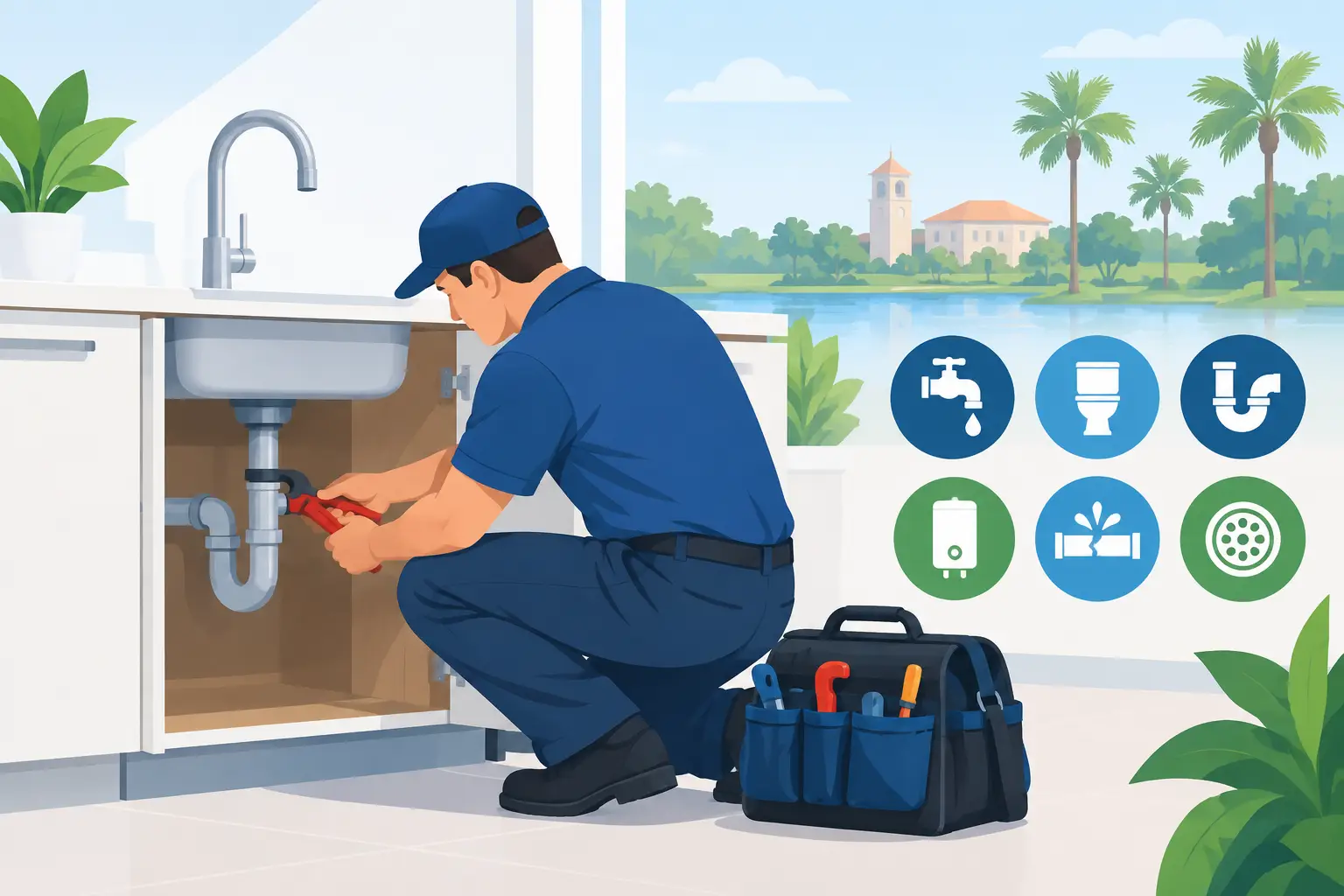
The restaurant closes the affected area, moves food and clean supplies away from the water, and calls for emergency plumbing service. A licensed plumber arrives, inspects the drains, and uses a sewer camera to locate the blockage. The cause is a heavy grease buildup mixed with food debris in the restaurant’s private sewer lateral. In some cases, the camera may instead reveal roots, a collapsed pipe section, a shifted joint, or a blockage farther down the line.
The immediate goal is to restore flow safely. The longer-term goal is to identify why the backup happened and correct the underlying condition so the restaurant is not dealing with the same emergency next weekend.
Why Restaurant Sewer Backups Escalate So Quickly
Restaurants put much more demand on their drain systems than a typical home. Grease, food particles, soap residue, paper products, and frequent water use can build up inside drain lines over time. Even a well-run kitchen can develop trouble when a grease interceptor is overdue for service, staff rinse solids into a sink, or an aging sewer line has internal damage.
A blockage may stay hidden until the system reaches a high-demand period. Once enough water is flowing through the building, it has nowhere to go. It may come back through the lowest opening, which is often a floor drain, utility sink, or restroom fixture.
The source matters. A clog inside a kitchen branch line may affect one sink or floor drain. A backup affecting multiple fixtures, especially on the lowest level of the building, may point to a main sewer line problem. If only one restroom is affected, the issue could be local to that drain line. A qualified inspection is the best way to separate these possibilities before approving a repair.
What Restaurant Staff Should Do First
When sewage or wastewater is backing up indoors, staff should stop using water in the affected area immediately. Continued use of sinks, dishwashers, toilets, ice equipment drains, or mop sinks can push more wastewater onto the floor.
Keep employees and guests away from the contaminated area. Wastewater can contain harmful bacteria, and wet floors create a serious slip-and-fall risk. If the backup reaches food preparation, storage, dishwashing, or customer areas, the manager should take appropriate steps to protect food, isolate impacted equipment, and follow local health department requirements.
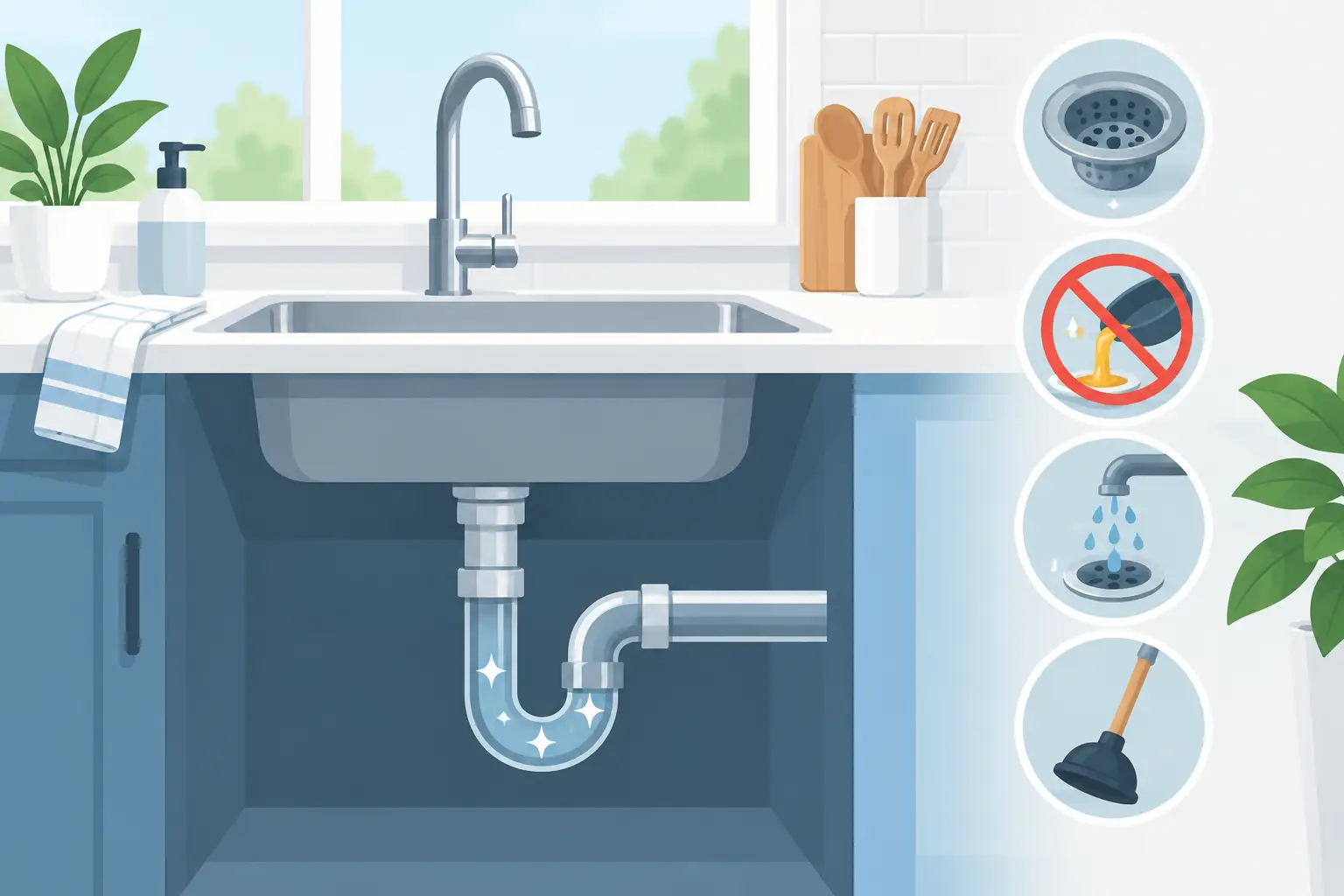
Do not try to solve a major backup with chemical drain cleaner. These products rarely clear a serious sewer obstruction, can damage certain pipes, and create hazards for anyone working on the drain afterward. Avoid repeatedly plunging fixtures as well. If the problem is in the main line, that can force contaminated water out through another opening.
A plumber should be called for an emergency inspection when there is sewage on the floor, multiple fixtures are backing up, toilets are gurgling, or drains are overflowing. The Flush Club provides 24/7 emergency plumbing support for Central Florida businesses that need a fast, clear response when a sewer problem threatens operations.
How a Professional Sewer Inspection Finds the Real Cause
Clearing standing water and getting a drain moving again is only part of the job. A dependable repair starts with finding the cause of the blockage and checking the condition of the pipe.
A plumber may begin by locating the building cleanout and testing the line. Depending on the blockage, professional drain cleaning equipment can break up grease, clear debris, or remove root intrusion. For restaurant lines with significant grease buildup, high-pressure water jetting may be the right approach because it cleans the pipe walls more thoroughly than simply punching a small opening through the clog.
A sewer camera inspection gives the property owner a clearer answer. The camera can show whether the line has grease accumulation, cracked pipe, root growth, a belly where waste collects, separated joints, or a collapsed section. It can also help determine whether the issue is on the restaurant’s property or may require coordination with the utility provider.
There are trade-offs. A one-time drain clearing may be enough if the obstruction was caused by an isolated item lodged in a sound pipe. If the camera shows repeat grease buildup or pipe damage, clearing alone may only buy time. The better value may be scheduled maintenance, grease management improvements, targeted pipe repair, or trenchless sewer repair when the line can be restored without extensive excavation.
The Business Impact Goes Beyond the Plumbing Bill
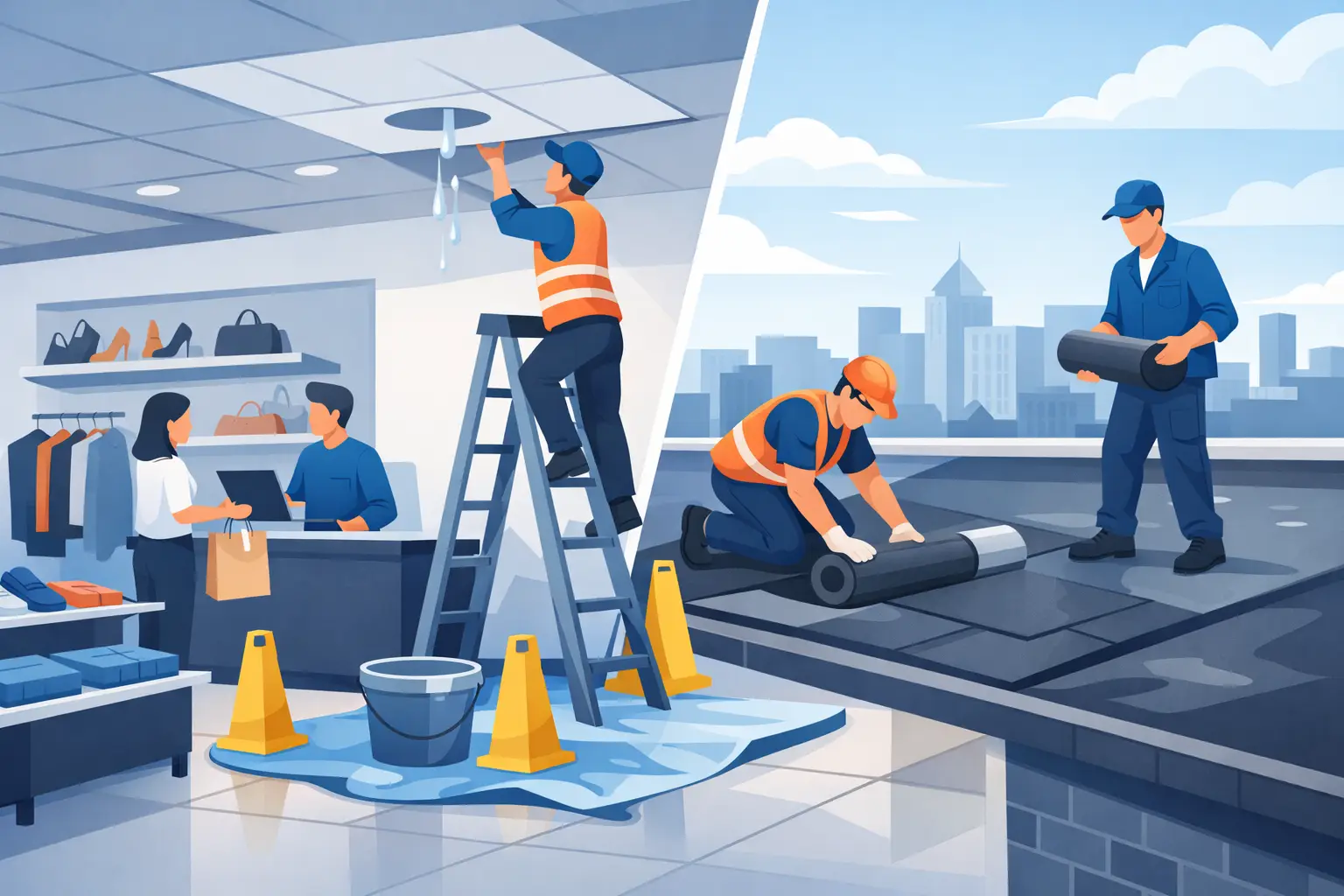
A sewer backup can interrupt service, create cleanup costs, damage flooring or equipment, and affect customer confidence. For a restaurant, even a short closure during peak hours can mean lost sales and frustrated guests. That is why fast action matters, but so does good documentation.
Managers should record when the problem started, which fixtures were affected, and any visible signs such as slow drains or recurring odors. Photos can help document damage for property management, insurance, or repair planning. Keep service records too. If backups happen more than once, those records help show whether the building needs a maintenance program or a more permanent sewer solution.
For leased spaces, clarify responsibility early. The restaurant may be responsible for interior drains and a private lateral, while the landlord may be responsible for certain building systems. The exact arrangement depends on the lease and the location of the failure. A plumbing inspection can provide the facts needed for a productive conversation instead of guesswork during an emergency.
Preventing the Next Backup
The most effective prevention plan is based on how the restaurant actually operates. A high-volume kitchen with fryers, dishwashing stations, and heavy prep work needs more frequent attention than a small cafe with limited food production.
Grease interceptor service should follow the equipment manufacturer’s guidance and local requirements. Staff training also matters. Grease, coffee grounds, food scraps, wipes, and paper towels do not belong in the drain, even if water appears to carry them away at first.
Restaurants with a history of slow drains, recurring clogs, or old sewer piping should consider scheduled professional drain maintenance. This is especially useful before busy seasons, after a change in kitchen volume, or when taking over an older commercial space. Preventive cleaning costs money, but it is often far less disruptive than an emergency closure and contaminated cleanup.
Pay attention to warning signs. Persistent sewer odors, gurgling toilets, water around floor drains, slow drainage at several fixtures, and backups that return after basic snaking are all reasons to schedule an inspection before the next rush.
A sewer backup is never convenient, but a quick response and a clear diagnosis can protect your staff, guests, and operation. When wastewater comes up through a restaurant drain, treat it as an urgent facility issue, stop water use, secure the area, and get qualified help focused on a lasting repair.