A toilet that gurgles after flushing, a shower that drains slowly, or a recurring backup can leave you asking the same question: should you clear the line or find out what is inside it? Sewer camera inspection versus snaking is not always an either-or decision. One method clears many common blockages. The other shows a licensed plumber why the blockage happened and whether a larger sewer-line problem needs attention.
For Central Florida homeowners, landlords, and property managers, choosing the right approach can mean the difference between a drain that works for a few weeks and a repair that addresses the real cause. The right service depends on the symptoms, the condition of the pipe, and whether the problem is new or keeps coming back.
What Snaking Does for a Clogged Drain
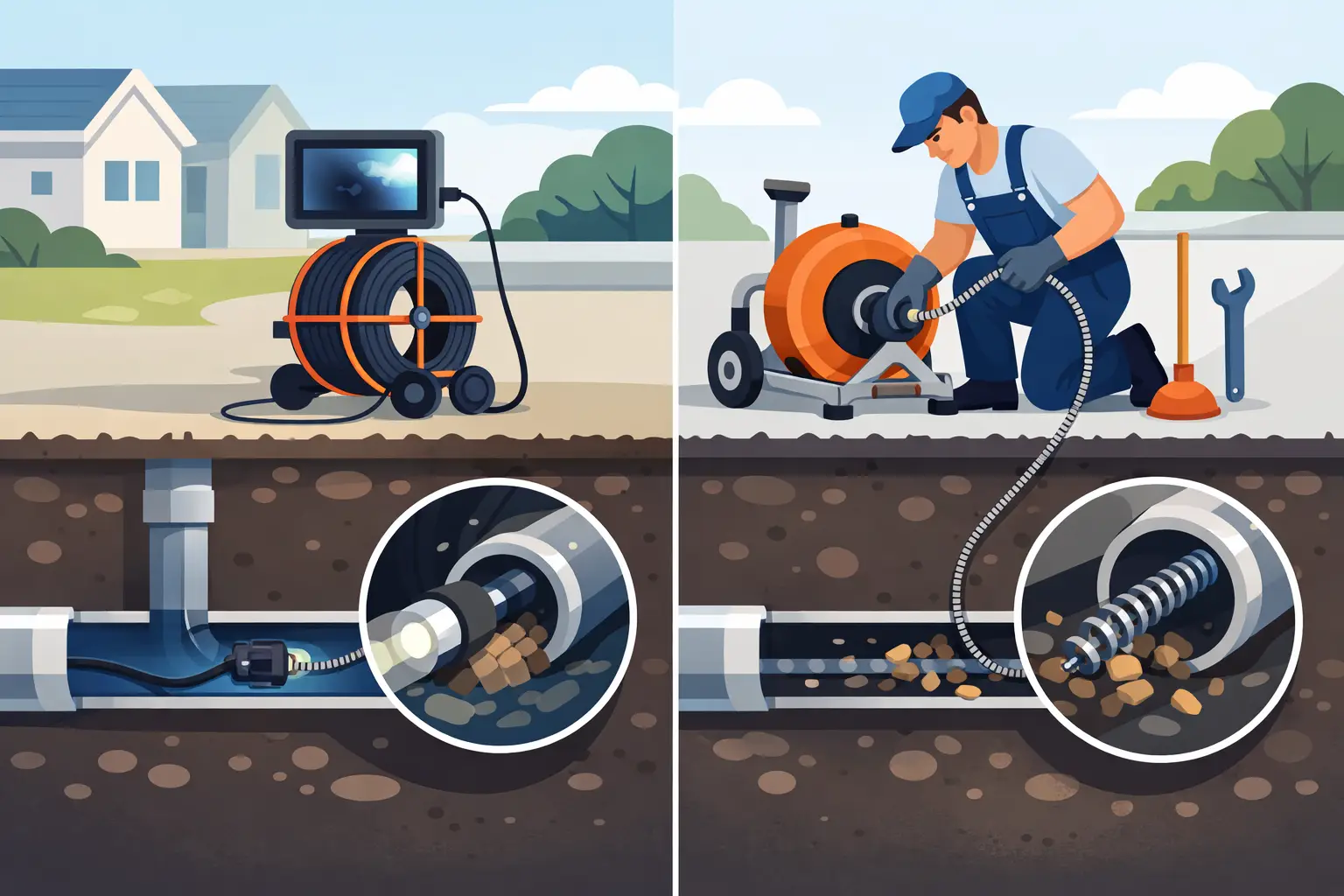
Drain snaking, sometimes called cabling or augering, uses a flexible metal cable with a cutting or retrieval head. A plumber feeds the cable through the drain or cleanout to break apart, pull out, or push through an obstruction.
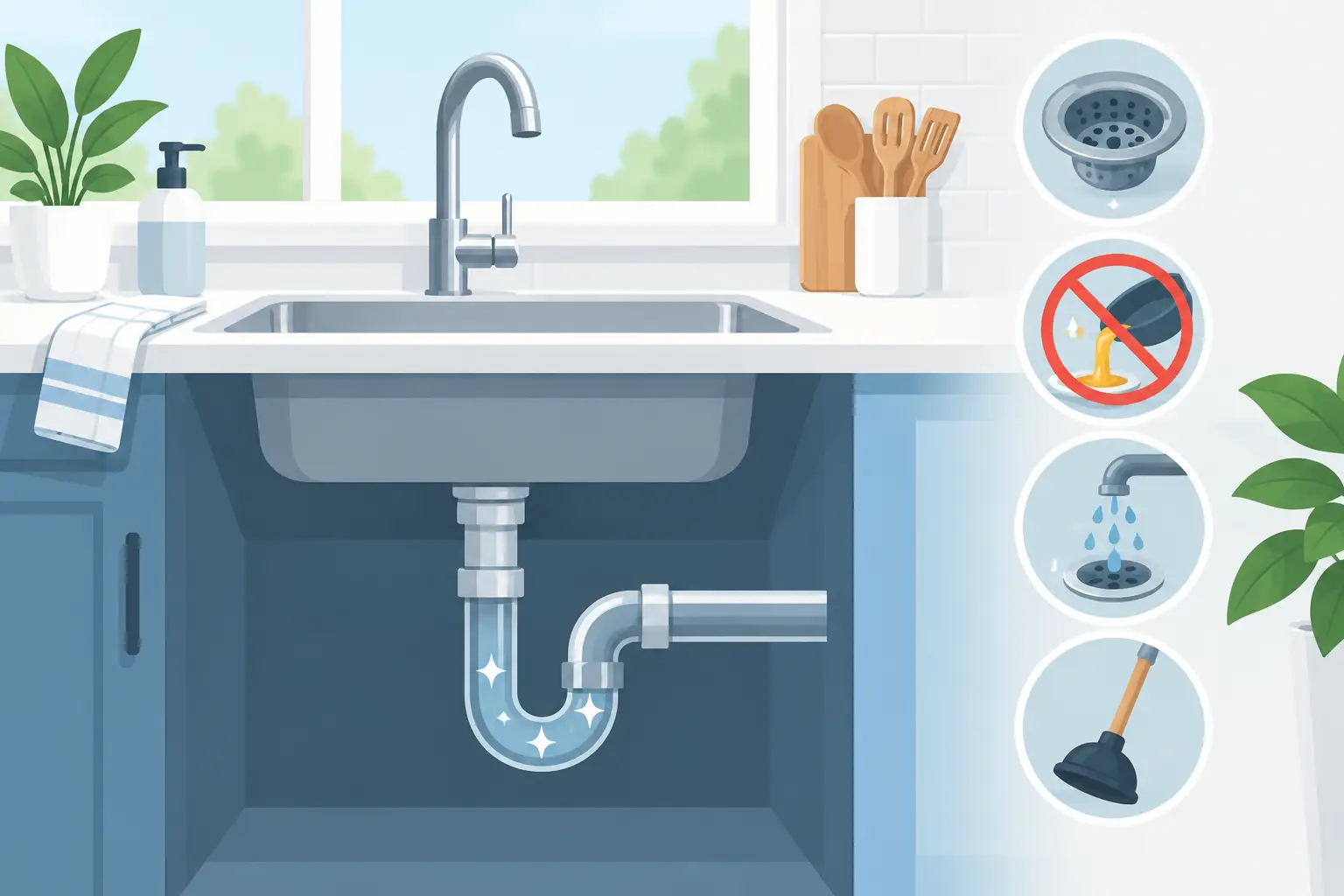
It is a practical first response for many routine clogs. Hair buildup in a shower drain, paper buildup in a toilet line, food debris in a kitchen drain, and a localized blockage in a branch line may all respond well to snaking. When the clog is accessible and the pipe itself is in good shape, the drain can often be restored quickly.
Snaking is also useful during urgent backups because it can get water moving again without waiting for a more extensive diagnostic process. That matters when a business restroom is unusable or wastewater is threatening to come back into a home.
Still, a snake has limits. It is designed to clear an obstruction, not provide a full picture of the pipe. If a cable breaks through roots, scale, grease, or a soft blockage, water may begin flowing again even though material remains on the pipe walls. If the line is cracked, bellied, offset, or deteriorating, snaking will not reveal that condition on its own.
When Snaking Is Usually the Right First Step
A professional may recommend snaking when the clog appears isolated, the issue is recent, and other fixtures are draining normally. For example, a single bathroom sink that stops draining after heavy hair buildup is often a straightforward drain-clearing job.
The same can be true for a toilet that has a simple obstruction close to the fixture. In these situations, paying for a camera inspection before clearing the drain may not be necessary. A reliable plumber should explain what they found and tell you if the symptoms suggest a deeper issue.
What a Sewer Camera Inspection Reveals
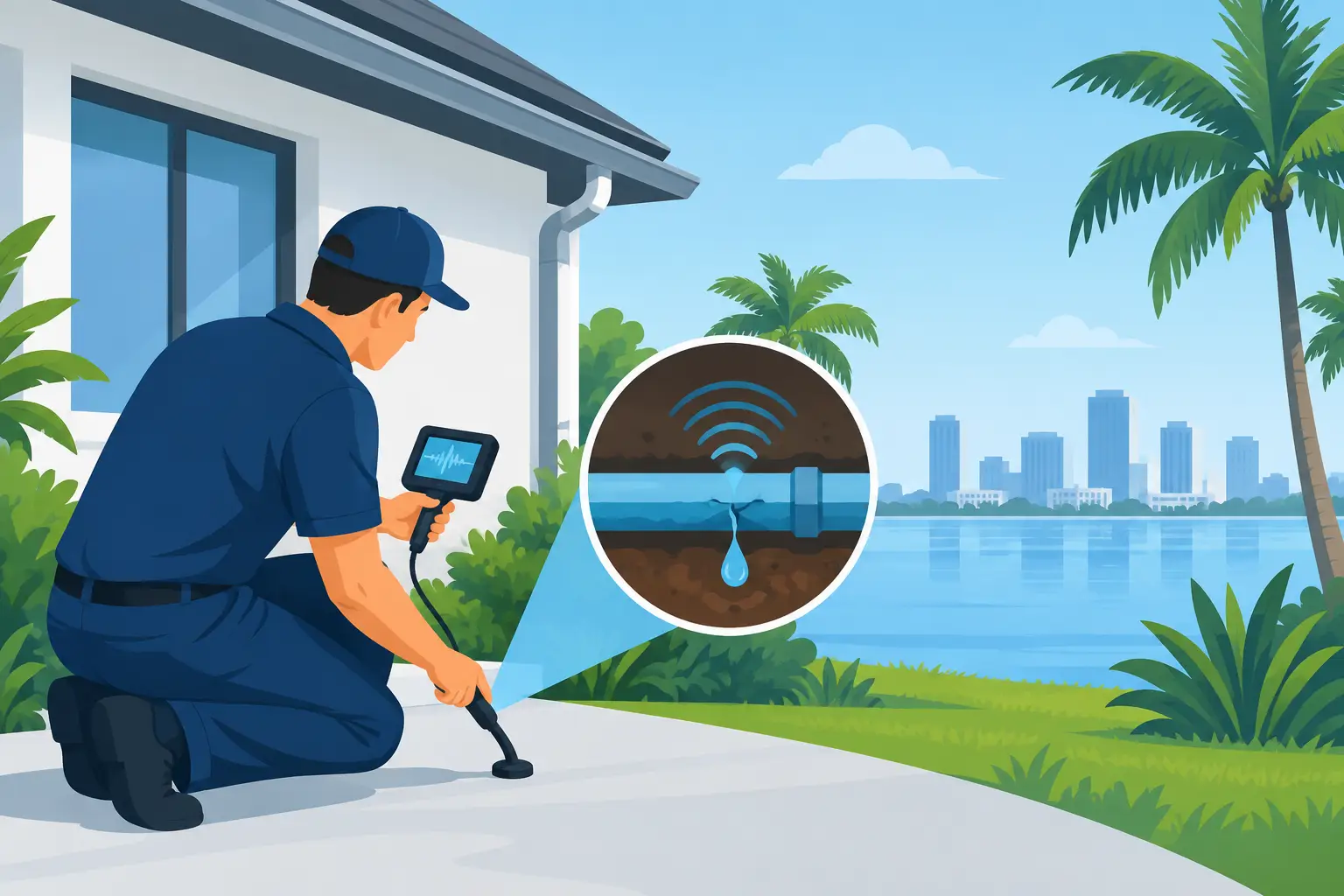
A sewer camera inspection uses a waterproof, high-resolution camera attached to a flexible cable. The camera travels through the line while a technician watches a live video feed. This allows the plumber to locate the obstruction and evaluate the condition of the pipe from the inside.
Unlike snaking, a camera does not remove a clog. Its value is diagnosis. It can reveal root intrusion, grease buildup, separated joints, corrosion, cracked pipe, construction debris, sagging sections of pipe, and collapsed areas. It can also help identify where the issue is located, which is especially valuable before excavation or trenchless sewer repair.
For property owners, that visibility reduces guesswork. Rather than approving a repair based only on recurring symptoms, you can understand whether the line needs cleaning, targeted repair, replacement, or continued monitoring.
Camera inspections are especially helpful in older homes, properties with mature trees, and commercial spaces where repeated use puts more demand on drain lines. They can also be useful before buying a home or taking over management of an unfamiliar property. A sewer line may be out of sight, but it should not be out of mind when its failure could disrupt an entire building.
When a Camera Inspection Makes Sense
A camera inspection is often the better choice when multiple fixtures drain slowly, toilets gurgle, backups return after previous drain clearing, or wastewater comes up through a tub or shower drain. Those signs can point to a blockage or defect in the main sewer line rather than a minor clog near one fixture.
It is also appropriate after snaking if the blockage was difficult to clear, if roots were pulled back on the cable, or if the problem returns quickly. Repeatedly snaking a line without identifying the cause can become an expensive cycle of temporary fixes.
A camera is not always needed for every slow drain. But when a plumber suspects a main-line issue, it is one of the clearest ways to make a repair recommendation based on evidence rather than assumptions.
Sewer Camera Inspection Versus Snaking: The Key Difference
The simplest difference is this: snaking is a clearing method, while a camera inspection is a diagnostic method. A snake can restore flow. A camera can explain why flow was restricted and whether the pipe is still structurally sound.
In many service calls, the two work together. A plumber may snake the line to remove a blockage, then inspect it with a camera to confirm the pipe is clear and identify any damage that could cause another backup. In other cases, a camera inspection may come first, particularly when there is concern about a collapsed line or an unknown obstruction that could make aggressive cabling risky.
Cost is another consideration. Snaking is generally less involved than a camera inspection, making it a sensible option for a clear-cut, isolated clog. A camera inspection can add cost upfront, but it may prevent unnecessary digging, repeated service calls, or repairs aimed at the wrong section of pipe. The best value is not always the lowest initial price. It is the service that gives you a dependable answer and a lasting solution.
Common Problems That Need More Than a Snake
Tree roots are a frequent concern in Central Florida, particularly where sewer lines run near established landscaping. A snake may cut through roots and restore drainage, but roots can grow back through compromised joints or cracks. A camera shows whether the pipe has an entry point that needs repair.
Grease is another common issue for homes and small businesses. Cabling can open a path through grease, yet a heavy coating may remain inside the pipe. Depending on the line and the buildup, thorough cleaning may be recommended instead of relying on a cable alone.
Pipe damage requires the most careful diagnosis. If a camera shows a belly in the line, a break, separated connections, or a collapse, more snaking will not correct the underlying condition. The next step may involve a targeted repair or a trenchless option designed to minimize disruption to the property.
What to Expect From a Professional Visit
A dependable plumbing visit should begin with questions about what you are seeing: which fixtures are affected, when the issue started, whether there has been a backup, and whether the problem has happened before. Those details help distinguish a local drain clog from a possible sewer-line issue.
The plumber should then explain the recommended next step in plain language. If snaking is appropriate, you should understand what it is expected to clear and what signs would warrant a camera inspection afterward. If a camera is recommended, you should be told what the inspection is intended to confirm and how the findings may affect repair options.
At The Flush Club, the goal is to provide a clear inspection-to-estimate process, not pressure you into work you do not need. A transparent recommendation gives you the information to make a confident decision, whether the solution is simple drain clearing or a larger sewer repair.
Do Not Wait for a Full Backup
Slow drains can be inconvenient. Sewer backups can become a sanitation issue, damage flooring and belongings, and interrupt normal operations at a rental property or business. If several fixtures are affected, sewage is backing up, or you notice strong sewer odors, treat the problem as urgent and stop using water-heavy appliances until the line can be assessed.
For a one-time clog, snaking may be all it takes. For recurring or whole-property drainage trouble, a camera inspection can turn uncertainty into a clear repair plan. The next time a drain acts up, focus less on the fastest temporary fix and more on getting an answer that protects your property from the next backup.