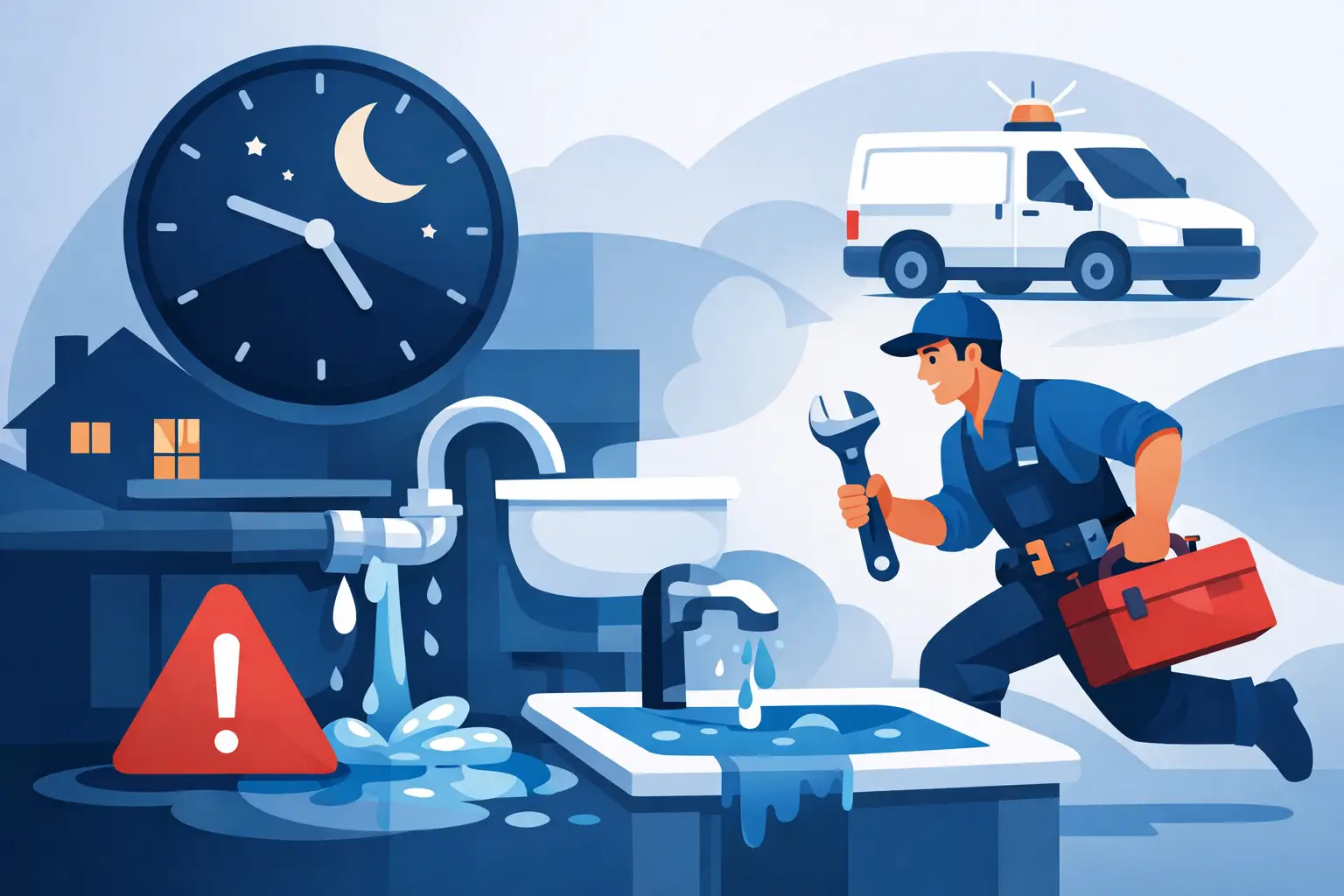
A burst pipe at 2 a.m. does not wait for business hours. Neither does a sewer backup before opening time, a failed water heater on a busy morning, or a leaking shutoff valve that will not hold. When water is spreading, drains are backing up, or plumbing fixtures suddenly stop working, a 24 hour emergency plumber is not a convenience. It is the difference between a contained repair and a much bigger cleanup.
What a 24 hour emergency plumber actually handles
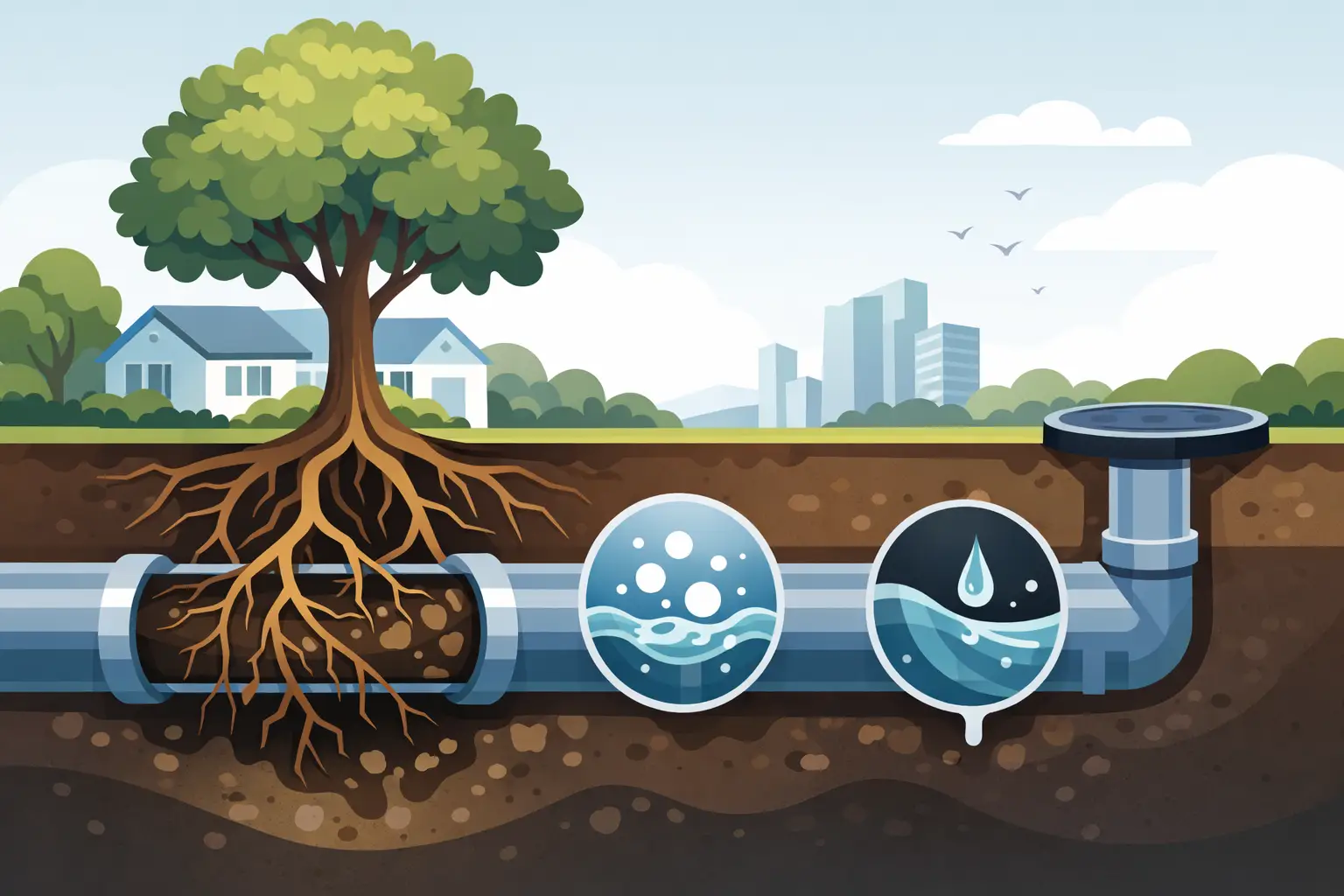
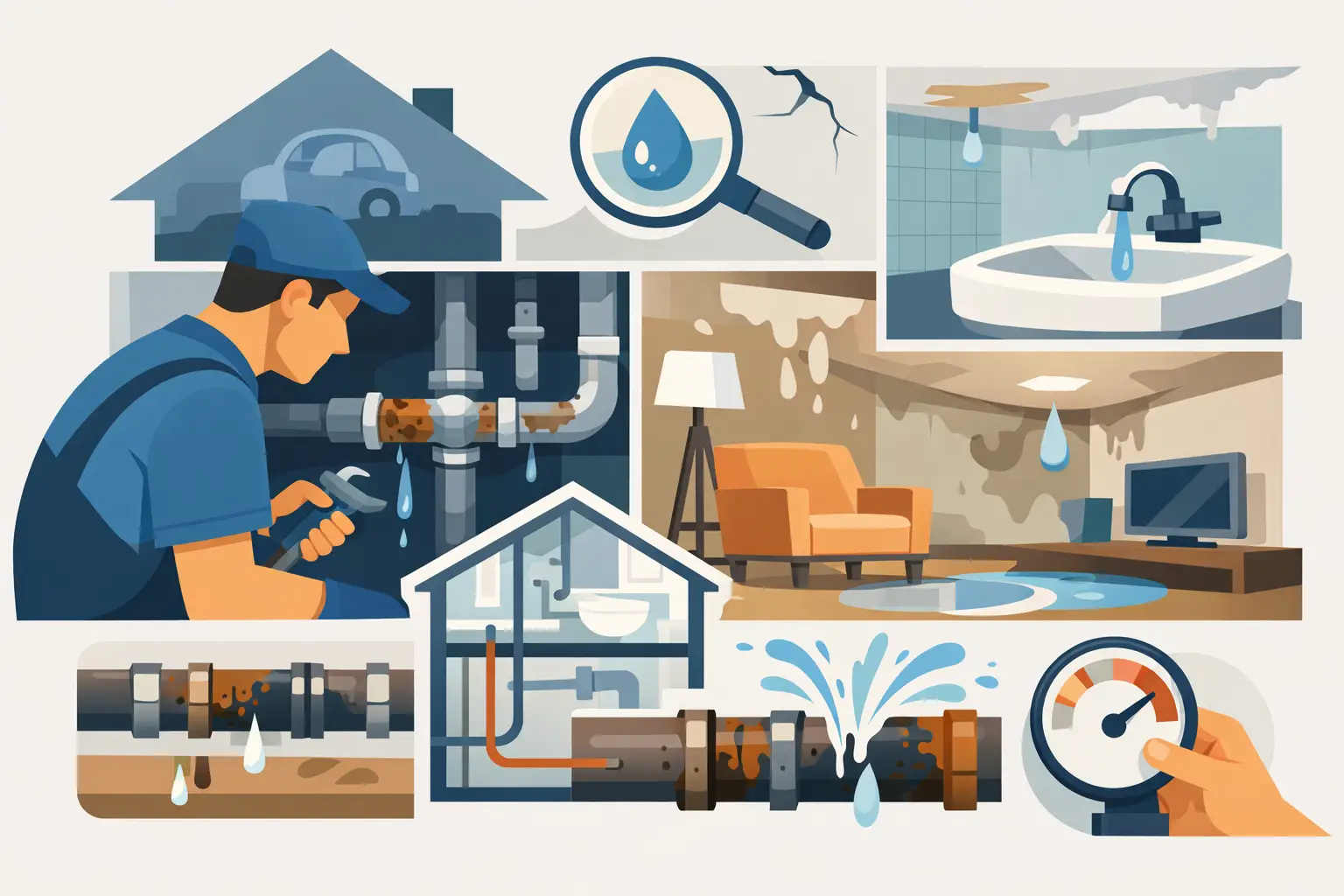
Emergency plumbing is about damage control as much as repair. The immediate goal is to stop active water damage, reduce health risks, and restore safe function as quickly as possible. That can mean shutting down a failed line, clearing a severe blockage, isolating a leaking fixture, repairing a broken water heater connection, or diagnosing a sewer issue before it affects more of the property.
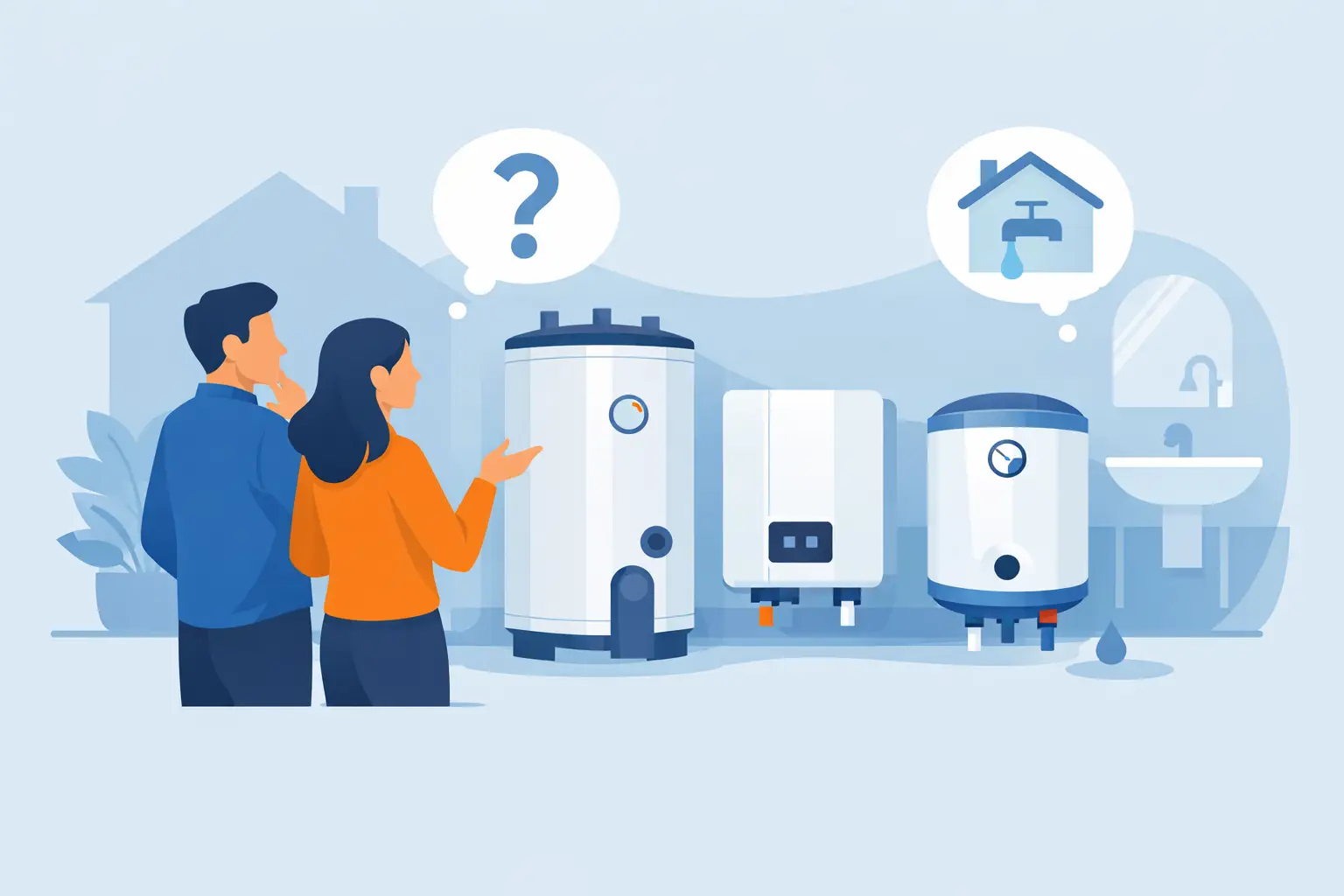
For homeowners, the most common emergencies are obvious ones – burst pipes, overflowing toilets, slab leaks, no hot water when a unit has failed, and major drain backups. For property managers and business owners, the stakes can be even higher. A plumbing failure can interrupt tenants, damage inventory, shut down restrooms, or create unsafe conditions for staff and customers.
Not every plumbing problem is an emergency, but some situations become emergencies faster than people expect. A slow leak behind a wall may look minor until flooring starts to buckle or mold begins to form. A clogged drain may seem manageable until multiple fixtures begin backing up at once. The earlier the problem is assessed, the more options you usually have.
Signs you need a 24 hour emergency plumber now
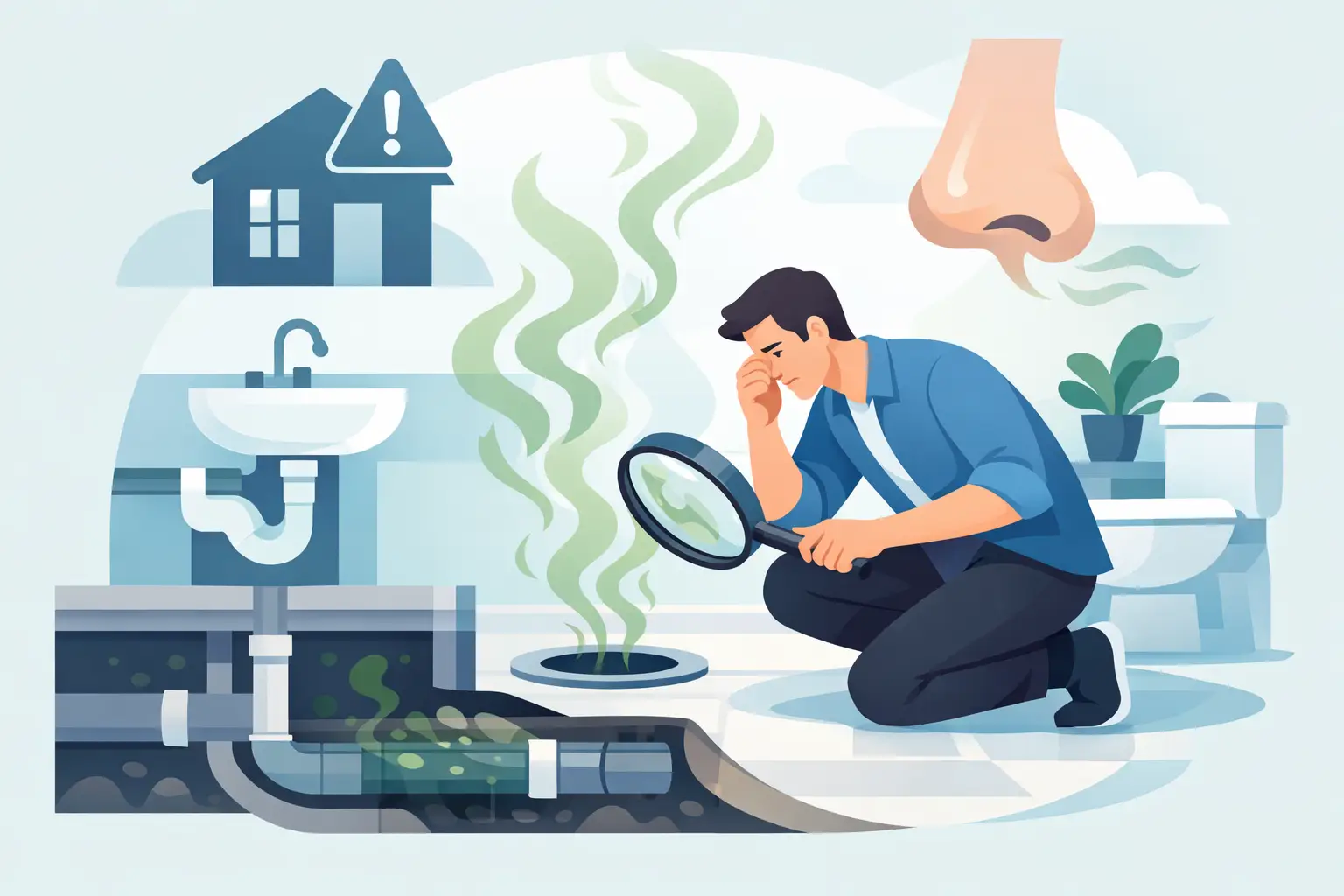
If water is actively leaking and you cannot stop it, that is an emergency. The same goes for a sewer smell paired with drain backup, a toilet overflow that keeps returning, or a water heater leak around the tank. If your building has no usable water service or no working restroom, the issue moves from inconvenient to urgent very quickly.
There are also less obvious cases. A drop in water pressure across the whole property can point to a broken main line or significant leak. Water stains on ceilings after hours may mean a pipe failure above. Gurgling drains in multiple areas can signal a larger sewer blockage, especially if flushing one fixture affects another.
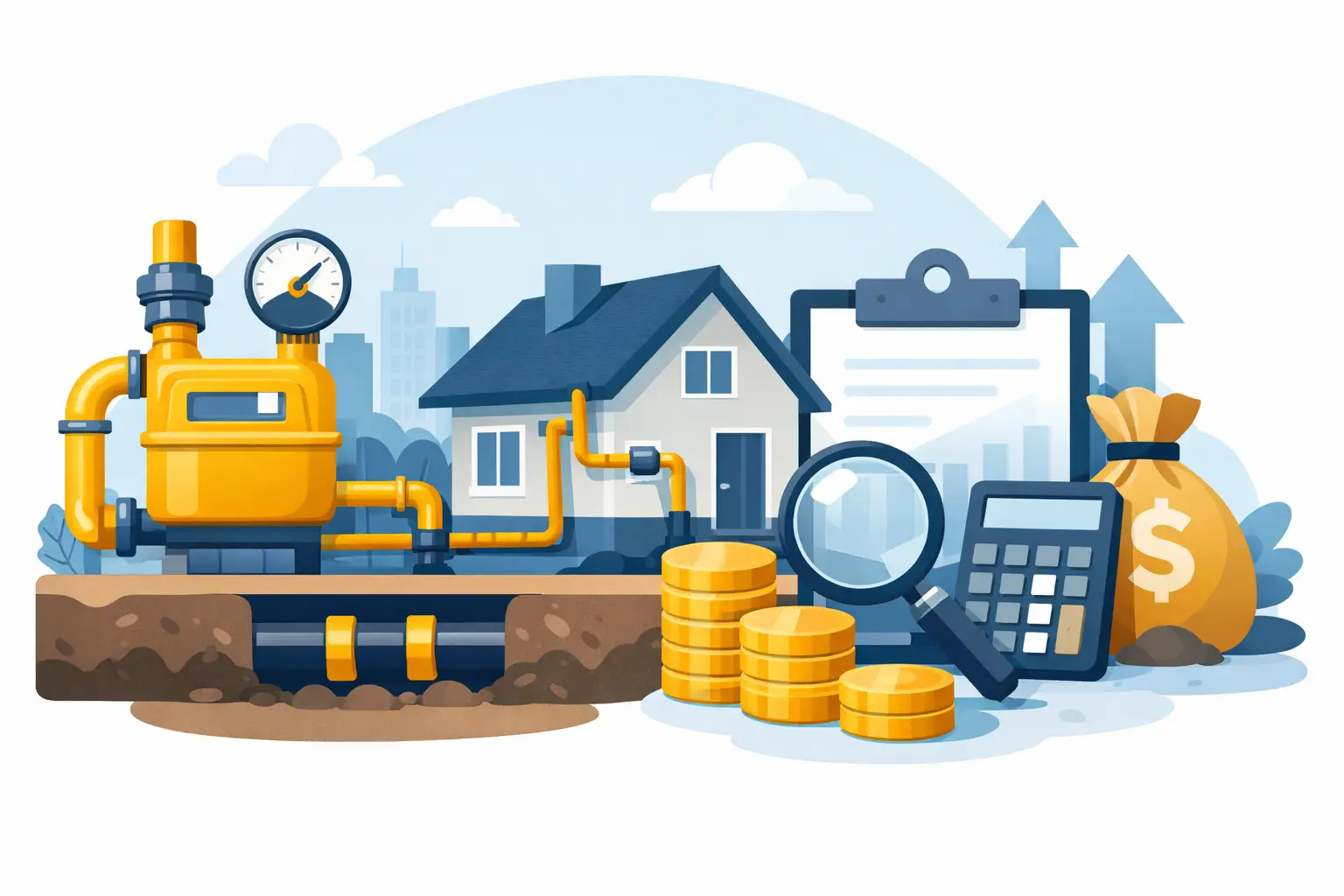
Gas line concerns deserve special caution. If you suspect a gas leak, leave the area and follow utility and emergency safety guidance first. After the area is made safe, a licensed plumbing professional can inspect and repair the line if plumbing-related gas work is involved.
Problems that can usually wait until normal business hours
A dripping faucet, a running toilet that can be shut off, or a minor clog in one sink often does not require overnight service. The same is true for a fixture upgrade, a disposal replacement, or a water heater that is old but still operating safely. These should still be scheduled promptly, because delay can raise the repair cost, but they are not usually emergencies.
The key question is simple: is the issue causing active damage, creating a health risk, or making the property unsafe or unusable? If the answer is yes, call right away. If not, a scheduled visit may be the more practical option.
Why speed matters more than most people realize
Water moves fast, but hidden damage moves slower and costs more. Drywall, insulation, subflooring, cabinetry, and electrical areas can all be affected before the visible water is even cleaned up. In commercial spaces, downtime adds another layer of cost. Missed operating hours, tenant complaints, and sanitation concerns can turn one plumbing issue into several business problems.
Fast response does not just protect materials. It improves diagnosis. A plumber who sees the issue while it is active often has a clearer picture of where the failure started and what systems are affected. Once a leak slows or a backup partially clears, the root cause can be harder to confirm without more invasive work.
That is why emergency service should be more than somebody answering the phone. You want a company that can assess the problem, explain what is happening, and move from inspection to estimate without wasting time. Clear communication matters just as much as speed when the pressure is on.
What to do before the plumber arrives
First, shut off the water if you can do so safely. For a fixture leak, use the local shutoff valve. For a larger issue, use the main water shutoff. If the problem involves a water heater, turning off the unit may help prevent further damage, though the exact step depends on whether it is gas or electric.
Next, move nearby items away from standing water and protect what you can. Towels, buckets, and basic containment can help limit spread, but do not take unnecessary risks with wet electrical areas. If water is near outlets, appliances, or breaker panels, stay clear and treat it as a safety issue.
Take a few photos if possible. This helps document the situation and can be useful for insurance purposes. Then focus on access. Clear the area so the plumber can reach the affected line, fixture, cleanout, heater, or valve without delay.
What a professional emergency visit should look like
A good emergency plumbing visit should feel organized, not chaotic. The plumber should inspect the immediate issue, check for related damage or system involvement, and explain the likely cause in plain language. In many cases, the first priority is stabilization – stop the leak, restore drainage, isolate the damaged section, or make the system safe.
After that, the next step is a transparent estimate. Some repairs can be completed on the spot. Others may need follow-up work if parts, excavation, wall access, or specialized equipment are involved. Honest service means explaining that clearly. Temporary protection is sometimes the right move at night, followed by a permanent repair once full access or materials are available.
That is not a sign of poor service. It is often the safest and most efficient path. It depends on the type of failure, the age of the plumbing, and whether the issue affects only one component or points to a larger system problem.
Residential and commercial emergencies are not the same
In a home, urgency usually centers on damage prevention and basic daily function. People need toilets, showers, sinks, and hot water to work reliably. In rental properties, timing matters because tenants expect immediate action and small leaks can affect multiple units if ignored.
In commercial settings, emergency plumbing often has a wider footprint. A blocked sewer line in a restaurant, retail space, office, or multi-tenant building can disrupt operations fast. Restroom availability, code compliance, customer safety, and sanitation all come into play. The right response is not just quick. It has to be coordinated and technically sound.
This is where broad plumbing capability matters. A company handling emergency service should be prepared for more than simple leaks. Drain and sewer problems, water heater failures, water line issues, pumps, backflow concerns, and fixture shutdowns may all require different tools and experience. In Central Florida, that range matters because residential and commercial properties face a mix of aging infrastructure, heavy usage, and weather-related stress on plumbing systems.
How to choose the right emergency plumber
When you are under pressure, it is easy to focus only on who can get there first. Response time matters, but it should not be the only factor. You also want licensed workmanship, a clear inspection process, and pricing that is explained before the work begins. Fast service without communication creates new problems.
Look for a local company that is set up for true emergency response and capable of handling both immediate repairs and long-term solutions. A short-term patch has its place, but you should know whether the issue is fully resolved or likely to return. The Flush Club takes that approach seriously because emergency work should protect your property now and reduce the chance of another urgent call later.
A waived service call fee when hired can also help, especially when customers are trying to make a smart decision in a stressful moment. It keeps the focus where it belongs – on diagnosis, options, and getting the repair done right.
Plumbing emergencies rarely happen at a convenient time, but the right response can keep a bad night from becoming a costly week. If the issue is active, unsafe, or disrupting your home or business, trust your instincts and get it checked right away.