A sewer line usually stays out of sight until it starts affecting everything you use every day. Slow drains, bad smells, soggy patches in the yard, or water backing up where it should not are all common signs of a sewer line problem – and they rarely get better on their own.
For homeowners, landlords, and property managers, the hard part is knowing when you are dealing with a basic drain issue and when the main sewer line may be involved. A clogged sink trap is one thing. A problem in the sewer line that serves the whole property is very different, and the timing matters. Catching it early can mean a repair. Waiting too long can lead to backups, damage, and a more expensive job.
What a sewer line problem looks like
Your sewer line carries wastewater from toilets, sinks, tubs, showers, floor drains, and appliances out to the municipal system or septic connection. When that line is blocked, cracked, sagging, invaded by roots, or deteriorating with age, the warning signs tend to show up in patterns.
One isolated fixture acting up does not always point to the sewer line. But when multiple drains start showing symptoms at the same time, or when problems repeat after plunging or snaking, that is when the sewer line moves to the top of the list.
1. Multiple drains are slow at once
If the kitchen sink is draining slowly, the issue may be local to that sink. If the kitchen sink, tub, and bathroom sink are all draining slowly, that is a different story. A main sewer line problem affects the system downstream from several fixtures, so symptoms often appear across the property.
This is one of the earliest signs people notice. It can start mildly, with gurgling or sluggish drainage, then get worse over days or weeks. In some cases, it happens suddenly after heavy use. Either way, slow drains in multiple areas deserve a closer look.
When it may not be the sewer line
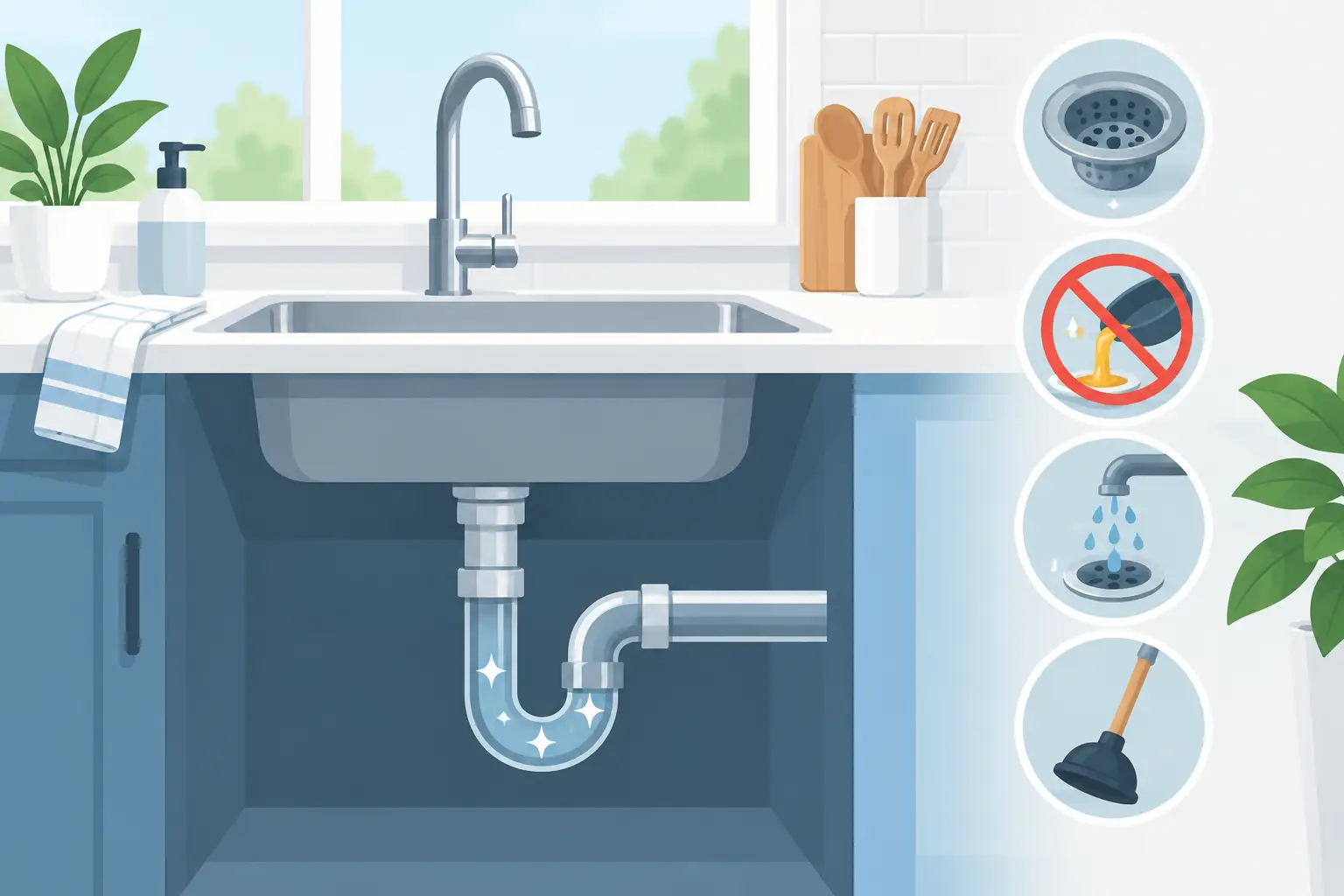
If only one fixture is affected, especially one used heavily for grease, hair, or soap buildup, the clog may be limited to that branch drain. That is still worth fixing quickly, but it is not always a sewer line issue.
2. Toilets and drains back up together
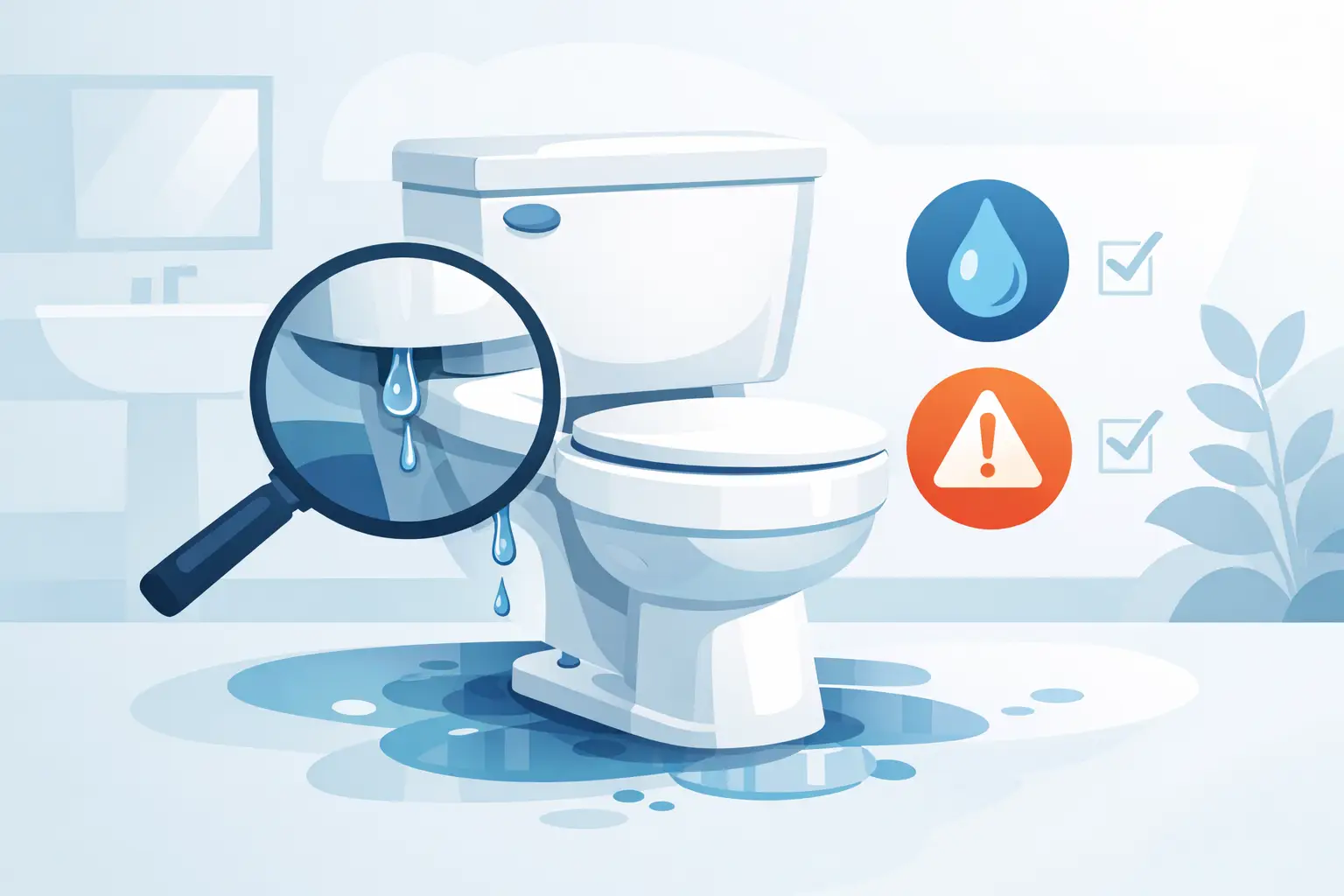
A toilet backing up is never convenient. When the toilet backs up and you also notice water rising in a tub, shower, or floor drain, that is a stronger indicator of a main line blockage.
This happens because wastewater has to go somewhere. If the sewer line is blocked, flushing a toilet can push water back through the lowest open drain in the system. In many homes, that is a shower, tub, or floor drain. In commercial spaces, it may show up in a restroom floor drain or utility area.
If this happens more than once, or if a plunger only provides temporary relief, the problem likely goes beyond a single toilet.
3. You hear gurgling from drains or toilets
Plumbing systems are designed to move water and air in a controlled way. When a sewer line starts clogging, trapped air can create bubbling or gurgling sounds in drains and toilets.
You might hear it after flushing, running a sink, or draining a washing machine. That sound does not always mean the line is fully blocked, but it often means flow is being disrupted somewhere in the system. Think of it as an early warning, not background noise to ignore.
4. Sewer odors inside or outside
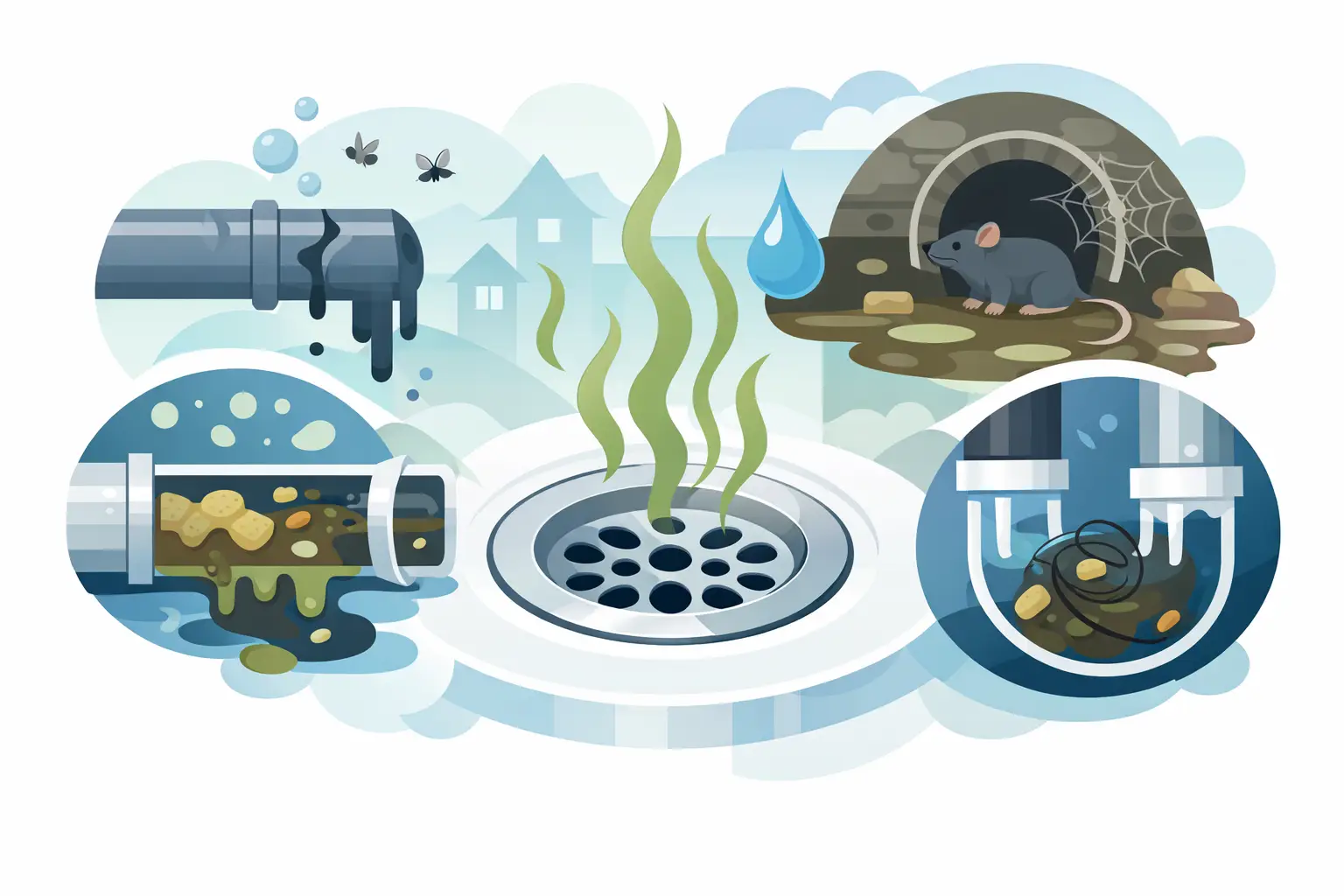
A sewer smell in the home, building, or yard is one of the clearest red flags. Healthy plumbing should keep wastewater moving out and sewer gases sealed away.
If you are noticing a persistent rotten or sewage-like smell near drains, around the foundation, or in the yard, the line may be leaking, blocked, or venting improperly because of a downstream issue. Sometimes odors appear before a visible backup. Other times, the smell gets stronger after flushing or running water.
There are other possible causes, including a dry drain trap or a vent issue, so smell alone does not confirm a broken sewer line. But it should never be dismissed, especially if it shows up with any of the other symptoms on this list.
5. Water backs up in the shower when another fixture runs
This is one of the more specific signs of a sewer line problem. If you flush a toilet and water appears in the shower, or you run the washing machine and a nearby drain starts backing up, that points to a blockage deeper in the drainage system.
The reason is simple. Fixtures share drain paths. When the main line is partially blocked, water may reroute through the lowest opening available. Homeowners often spot this first in a first-floor shower or tub. In commercial properties, it may show up in janitor sinks or floor drains.
Cross-fixture backup is not normal. It is a sign the system is under pressure and needs professional attention.
6. Soggy spots or unusually green patches in the yard
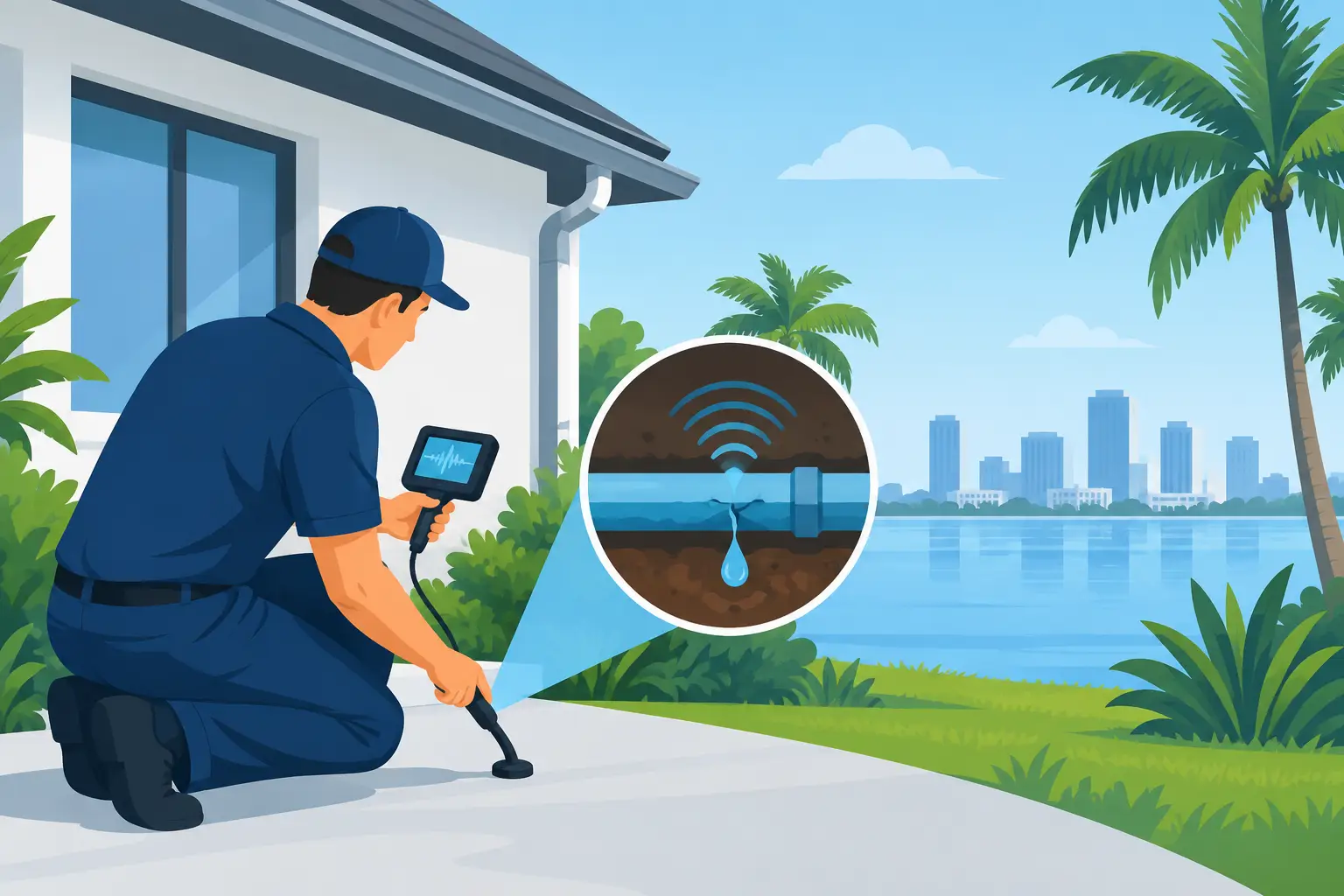
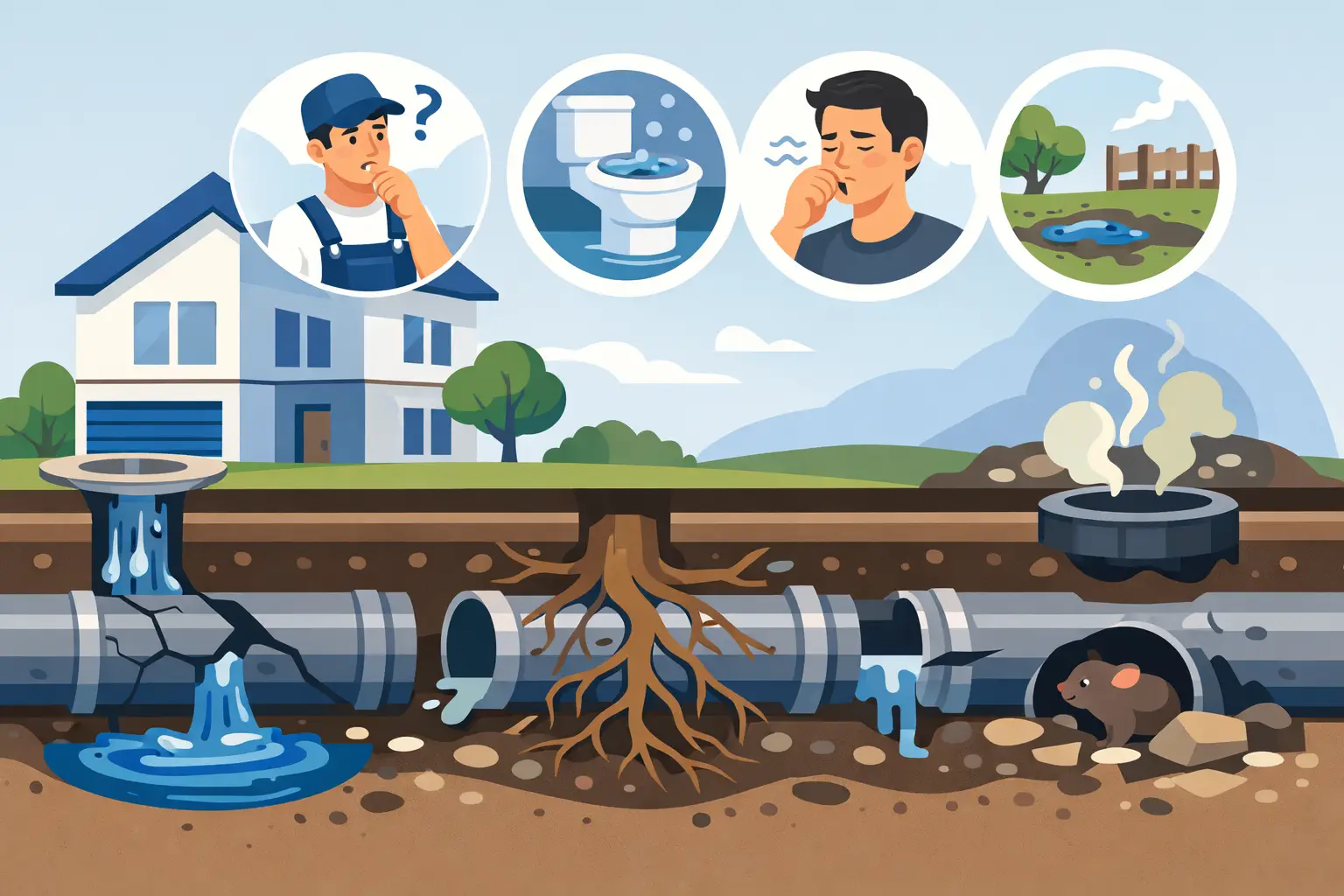
Not every sewer line problem starts indoors. If the line is cracked or leaking underground, wastewater can seep into the soil. That can create soft, wet spots in the yard, especially when it has not rained.
You may also notice a section of grass that looks much greener and grows faster than the surrounding area. Wastewater acts like fertilizer, so the lawn above a leaking line sometimes stands out. While that might not seem urgent at first glance, it often means the pipe has a structural issue rather than a simple clog.
In Central Florida, saturated soil and root growth can add pressure to underground lines. Wet yard areas should be checked promptly, particularly if they are paired with slow drains or odor issues indoors.
7. Pest or insect activity increases near drains or the yard
Rodents and insects are attracted to moisture, waste, and openings in piping. A damaged sewer line can create the kind of environment that draws them in.
This is not always the first symptom people connect to plumbing, but it matters. If pest activity suddenly increases around drain areas, crawl spaces, utility rooms, or a section of the yard, it may be worth ruling out a sewer leak. The plumbing issue may not be the only cause, but it is a possibility that should not be overlooked.
8. Recurring clogs keep coming back
A drain that clogs once may be a routine service call. A property that keeps having drain issues in different fixtures is telling you something else.
Recurring clogs often mean the underlying restriction was never fully cleared or there is a bigger issue in the main line, such as root intrusion, pipe collapse, scale buildup, or a belly in the pipe where waste collects. If drains improve briefly after treatment and then slow down again, that temporary pattern is a clue.
This is where camera inspection becomes valuable. Instead of guessing, a licensed plumber can see what is actually happening inside the line and recommend the right repair.
9. The property has older sewer piping or a history of root intrusion
Sometimes the strongest warning sign is not what you see today, but what you already know about the property. Older homes and buildings may have clay, cast iron, or Orangeburg piping, all of which are more vulnerable to wear, corrosion, shifting, or collapse over time.
Tree roots are another common issue. Roots naturally seek moisture, and even a small crack in a sewer line can attract them. Once inside, they expand, catch debris, and turn a small problem into a blockage or break.
If the property has a known history of root problems, prior sewer repairs, or aging underground piping, new drainage symptoms should be taken seriously from the start.
What usually causes sewer line trouble
Several problems can create the same symptoms, which is why diagnosis matters. Grease buildup, flushed wipes, hygiene products, and other debris can create blockages. Tree roots can break into joints and trap waste. Older pipes can corrode or crack. Ground movement can cause sections of pipe to sag, reducing proper flow.
That is why the fix depends on the cause. Some sewer line issues can be cleared and restored with professional drain cleaning or hydro jetting. Others need spot repair or trenchless replacement. The goal is not just getting water moving today. It is solving the reason it stopped moving in the first place.
When to call a plumber
If you are seeing more than one of these signs of a sewer line problem, it is time to stop guessing. Backups involving sewage, repeated drainage issues, strong odors, or soggy areas in the yard all justify a professional inspection.
Fast action matters because sewer problems tend to escalate under normal daily use. Every flush, shower, dish cycle, and load of laundry adds pressure to a line that may already be compromised. A qualified plumbing team can inspect the system, explain what they find, and walk you through repair options clearly. For Central Florida property owners, that kind of quick and honest response is exactly what The Flush Club is built to provide.
If something feels off with your drains, trust that instinct. Sewer line problems rarely announce themselves politely, but they do leave clues. Catching those clues early can spare you a major cleanup later.