A slow kitchen sink at 8 p.m. feels different than a slow sink on a Saturday morning. When water starts backing up, the first question most people ask is simple: how much does drain cleaning cost? The honest answer is that it depends on the type of clog, where it sits, how severe it is, and what method is needed to clear it safely.
For most residential situations, basic drain cleaning can range from about $100 to $350 for a straightforward clog in a sink, tub, or shower drain. More difficult blockages, main line stoppages, roof vent access, or heavy buildup can push the cost higher, often into the $300 to $800 range. If a camera inspection, hydro jetting, or after-hours emergency service is needed, pricing may increase beyond that.
That range is wide for a reason. Drain cleaning is not one single service. Clearing hair from a bathroom line is very different from removing grease buildup in a restaurant drain or cutting roots out of a sewer line.
How much does drain cleaning cost for common problems?
The fastest way to understand pricing is to look at the type of drain involved. Smaller fixture drains usually cost less because they are easier to access and faster to clear. Main sewer lines usually cost more because the blockage affects the whole system and often takes more equipment and time.
A simple bathroom sink or tub drain clog is often on the lower end of the pricing range. These jobs are usually caused by hair, soap residue, or small debris close to the drain opening. If the clog is local and accessible, the work is relatively quick.
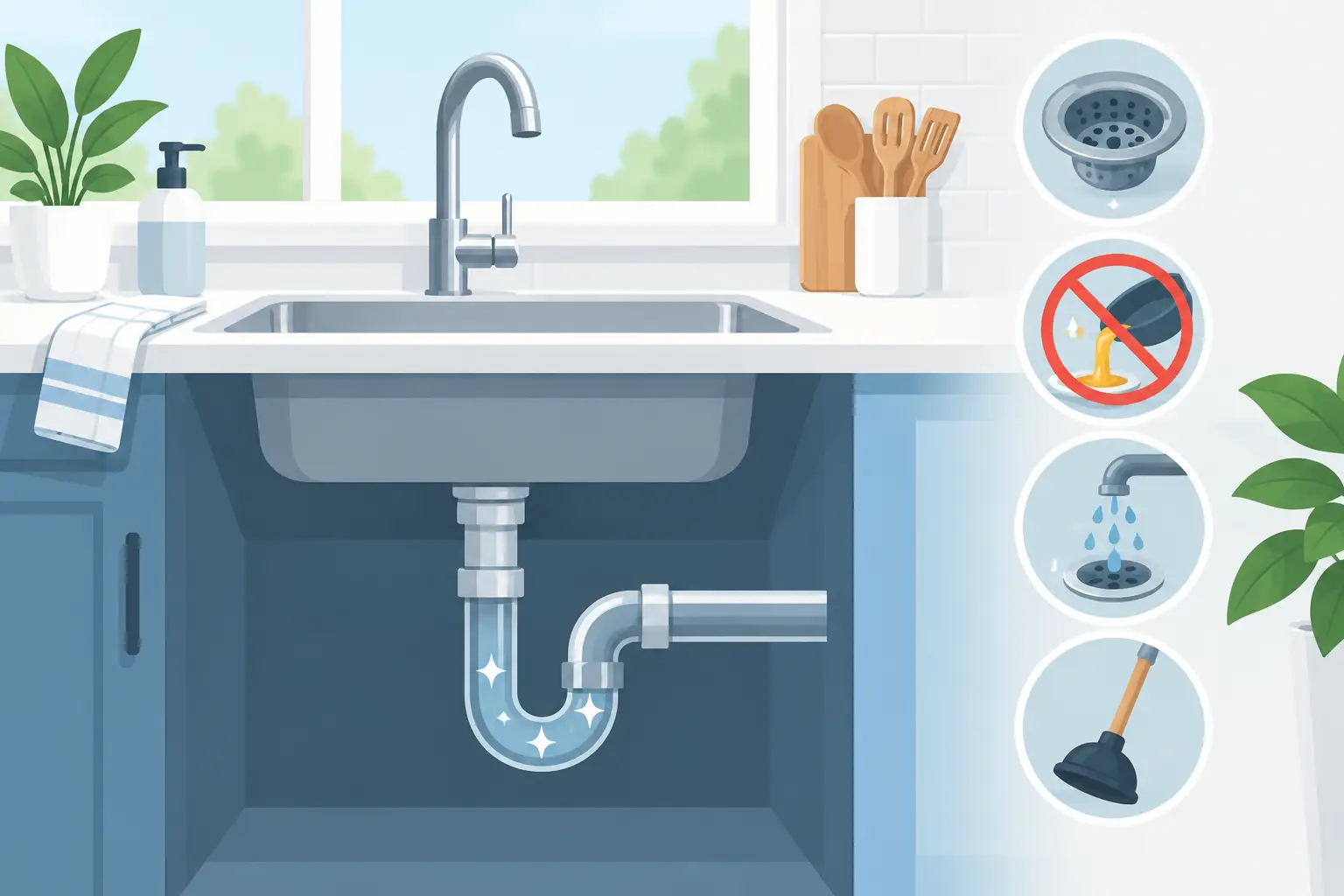
Kitchen drain cleaning often costs a little more. Grease, food waste, and sludge can create stubborn buildup inside the pipe wall, not just one soft blockage. That means the drain may need more than a quick pass with a basic auger.
Toilet drain clearing can vary. A minor blockage may be resolved quickly, but if the problem is farther down the branch line or tied to a larger sewer issue, the cost changes. If multiple fixtures are backing up at the same time, plumbers will usually suspect a larger line issue rather than a single toilet clog.
Main sewer line cleaning is typically the most expensive standard drain service. It often requires larger cable machines, more labor, and sometimes a camera inspection to confirm what is causing the blockage. Tree roots, collapsed piping, offset joints, and years of buildup are all common reasons the price climbs.
What affects drain cleaning cost?
The biggest cost factor is location. A clog near the drain opening is easier and faster to remove than one buried deep in the system. If the plumber has to access the line through a roof vent, crawl space, exterior cleanout, or another difficult point, labor and time go up.
Severity matters too. A soft clog made of hair or paper is one thing. Hardened grease, scale buildup, construction debris, or roots are another. Some blockages can be snaked out quickly. Others need the pipe walls thoroughly cleaned to restore proper flow.
The method used also affects pricing. Basic snaking is often the most affordable approach for common clogs. Hydro jetting usually costs more because it uses high-pressure water to scour the pipe interior. It can be an excellent solution for grease, sludge, and recurring buildup, but it is not always necessary for a one-time minor clog.
Timing can also change the total. Emergency service at night, on weekends, or on holidays may cost more than a standard daytime appointment. For property owners dealing with an overflowing drain or sewer backup, the higher emergency rate may still be worth it to prevent water damage and disruption.
When a low price is not the best price
It is tempting to shop for the cheapest drain cleaning service available, especially when the problem seems simple. But very low pricing can come with trade-offs. In some cases, the advertised price only covers a basic attempt, not a complete fix. Once the technician arrives, the final bill can climb quickly if the clog is deeper or more complex than expected.
A good service call should include a clear explanation of what the plumber found, what method is recommended, and what the price will be before the work moves forward. That kind of transparency matters. It helps you compare real value, not just a number in an ad.
There is also a difference between clearing a path through the clog and actually cleaning the line. If the immediate goal is to get water moving again, a lower-cost option may work. If the drain has been slow for months and keeps backing up, a more thorough cleaning may save money over time.
Does drain cleaning ever require a camera inspection?
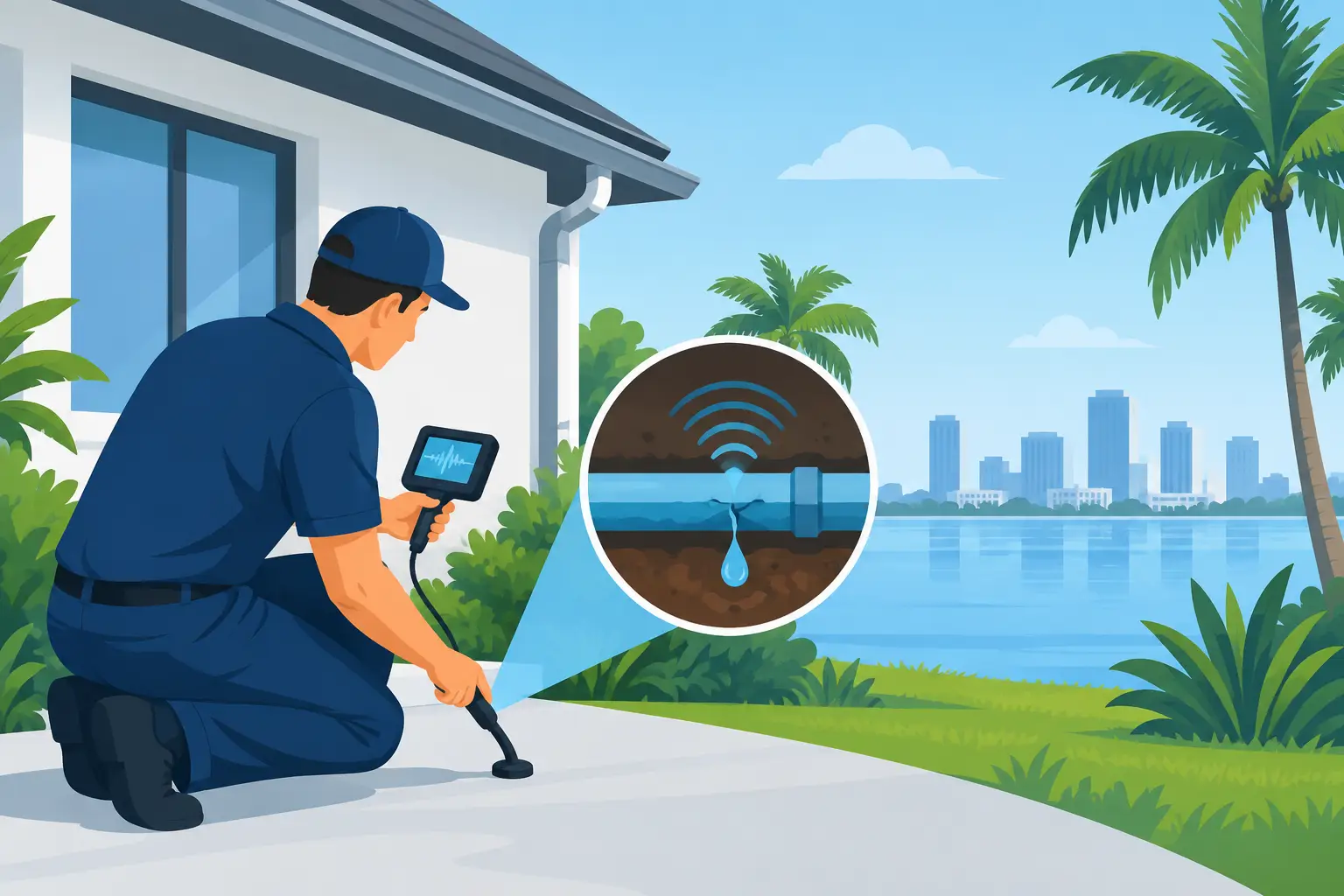
Sometimes yes, and when it does, the cost can increase. A camera inspection is often recommended when a drain keeps clogging, multiple fixtures are backing up, or there are signs of a sewer line issue. It allows the plumber to see whether the problem is grease, roots, a broken pipe, or another condition that ordinary cleaning will not solve.
That matters because drain cleaning is not always the full answer. If the pipe is cracked or offset, clearing the blockage may only provide temporary relief. If the issue is root intrusion, the roots can often grow back unless the line is repaired or maintained regularly.
For homeowners and property managers, that kind of inspection can prevent repeat service calls. It changes the conversation from guesswork to a clear recommendation.
How much does drain cleaning cost for commercial properties?
Commercial drain cleaning is often priced higher than residential service because the systems tend to see heavier use and stricter operational demands. A clogged line in a restaurant, retail space, office, or multi-unit property can affect customers, tenants, and daily business activity.
Grease traps, floor drains, larger branch lines, and recurring buildup are common issues in commercial settings. The cost depends on the line size, access point, severity of the blockage, and whether maintenance cleaning or emergency response is needed. In many cases, routine scheduled service costs less than waiting for a shutdown-level backup.
For landlords and property managers, regular drain maintenance can also reduce after-hours calls and tenant complaints. That is often a better investment than repeated spot repairs.
Can you save money by trying it yourself?
Sometimes. If the clog is minor and close to the drain opening, a plunger, hand auger, or simple trap cleaning may work. That is especially true for a bathroom sink or a single slow tub drain.
But DIY has limits. Chemical drain cleaners can damage certain pipes, create safety hazards, and make the job harder for the technician who comes later. Store-bought tools can also push a clog deeper if they are used the wrong way. If the drain is backing up repeatedly, affecting more than one fixture, or causing standing water, it is usually smarter to call a professional sooner rather than later.
That is not just about convenience. It can prevent pipe damage, water damage, and wasted money on temporary fixes.
Signs you may be dealing with more than a basic clog
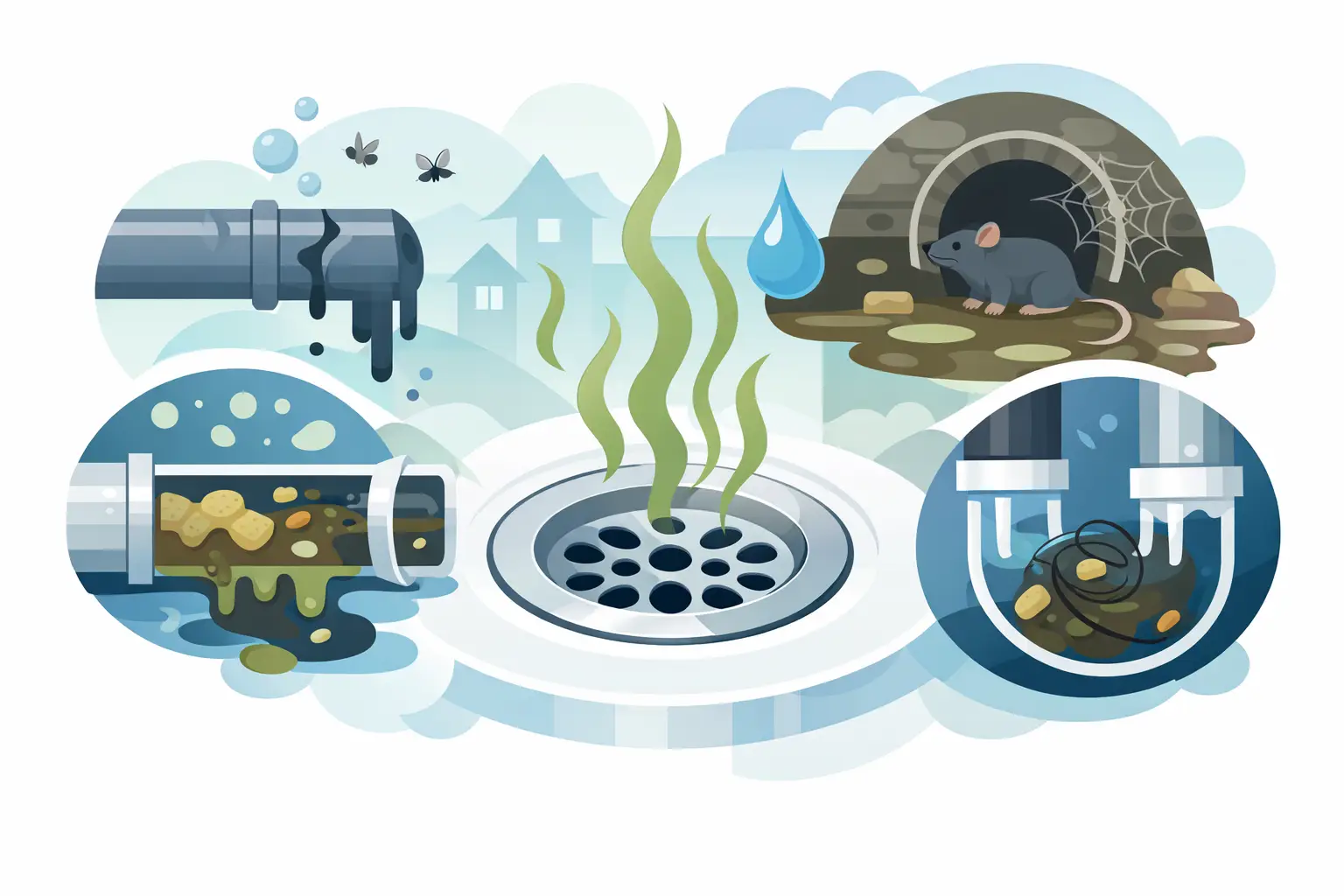
If one drain is slow, the issue may be isolated. If several drains are slow at once, or if flushing a toilet causes water to rise elsewhere, the problem may be in the main line. Gurgling sounds, foul odors, water backing up into a shower, or repeated clogs in the same area are also signs the blockage may be deeper in the system.
This is where pricing shifts from simple drain cleaning to diagnosis and repair planning. A reliable plumber should explain whether the service needed is basic cleaning, high-pressure jetting, inspection, or a larger sewer solution.
That clear inspection-to-estimate process matters, especially in urgent situations. Companies like The Flush Club build trust by showing customers what is happening and giving straightforward pricing before work begins.
What to expect when you schedule service
Most professional drain cleaning visits start with a short assessment of the symptoms, affected fixtures, and likely access point. From there, the plumber chooses the best tool for the job and explains the expected cost. If the blockage is more severe than it first appeared, the next step should still be discussed before additional work is done.
For customers, that means fewer surprises. You should know whether the quoted price covers a standard fixture drain, a larger sewer line cleaning, emergency response, or added diagnostic work.
If you are comparing estimates, ask what is included. A waived service call fee when hired, transparent pricing, and a clear scope of work can make one quote far more valuable than another that only looks cheaper upfront.
Drain cleaning costs can vary, but the right service should leave you with more than flowing water for the moment. It should give you a clear picture of the problem, confidence in the repair, and one less plumbing issue waiting to come back next week.