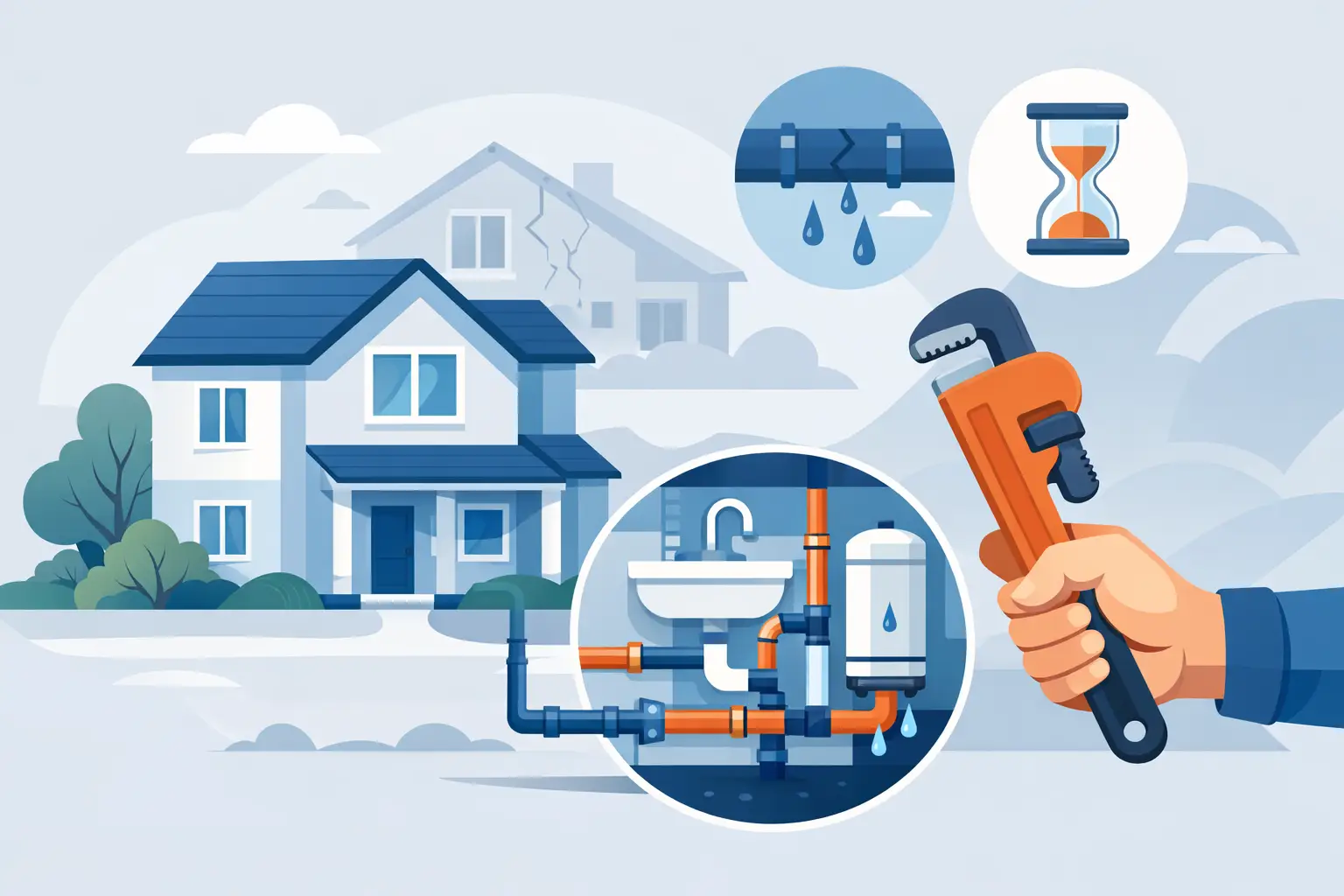
A pipe leak under the sink is one thing. A second leak behind a wall, rusty water in the shower, and weak pressure across the house is something else entirely. If you are asking when should you repipe a house, the real question is usually whether you are dealing with a fixable plumbing issue or a system that is starting to fail as a whole.
For many homeowners, landlords, and property managers, repiping sounds like a worst-case scenario. It is a major job, but it is not always an emergency, and it is not always the right answer. The key is knowing what your plumbing system is telling you before repeated repairs turn into water damage, mold, or higher costs.
When should you repipe a house instead of repairing it?
You should seriously consider repiping when the problems are widespread, recurring, or tied to aging pipe material rather than one isolated break. A single leak in a newer home may only need a targeted repair. But if leaks keep showing up in different places, your water has changed color, or your pressure has dropped throughout the property, patching one section at a time often becomes a temporary solution to a bigger system problem.
Age matters here. Older galvanized steel pipes are especially known for internal corrosion that narrows the pipe over time. That can lead to low water pressure, rust-colored water, and increasing leak risk. Some older copper systems can also develop pinhole leaks, particularly if water chemistry or installation conditions were not ideal. Polybutylene piping has its own reputation for failure and is often a candidate for full replacement.
The point is not that every old house needs repiping. It is that older plumbing materials have predictable failure patterns, and once those patterns show up, repairs often become less cost-effective.
The most common signs your house may need repiping
The clearest sign is repeated leaks in different areas of the home. If you have already repaired one line and another pipe fails a few months later, that is often a warning that the rest of the system is aging the same way.
Discolored water is another red flag. Brown, yellow, or rusty water can point to corrosion inside the pipes, especially if the issue is not tied to a temporary municipal water event. If hot water is discolored but cold water is clear, the issue may be at the water heater. If both are affected, the supply piping deserves a closer look.
Low water pressure across multiple fixtures can also signal trouble. One weak showerhead may just need cleaning. But when sinks, showers, and appliances all seem weaker than they used to, buildup or corrosion inside the piping may be restricting flow.
Other signs include frequent pipe noises, visible corrosion on exposed lines, metallic-tasting water, and unexplained increases in your water bill. In some cases, you may also notice damp spots, peeling paint, warped flooring, or musty odors from slow hidden leaks.
Repairs make sense when the issue is isolated
Not every plumbing problem means your home needs new pipes. If a leak was caused by a specific fitting failure, accidental damage, or one clearly limited section of pipe, a repair may be the most practical choice. The same goes for homes with relatively modern piping that has otherwise been reliable.
A good inspection should help separate a local issue from a system-wide one. That matters because repiping too early can mean spending more than necessary, while waiting too long can raise the risk of emergency damage.
Repiping makes more sense when problems keep stacking up
Once you are paying for repeated leak detection, drywall access, pipe repairs, and restoration work, the economics start to change. The actual plumbing repair may only be part of the bill. There is also the cost of patching walls, repainting, replacing flooring, and dealing with disruption again and again.
At that stage, full or partial repiping can be the more controlled, more reliable long-term move.
How pipe material affects the answer
The type of piping in your home plays a big role in when repiping becomes necessary.
Galvanized steel pipes are one of the biggest concerns in older homes. They corrode from the inside out, and the symptoms often build slowly. You may live with declining pressure for years before leaks become frequent enough to force action.
Polybutylene is another material that often raises concern. It was used in many homes for a period of time but has a long history of premature failure. If your property still has polybutylene, many owners choose proactive replacement before major damage happens.
Copper piping can last a long time, but it is not immune to failure. Pinhole leaks, corrosion, and age-related wear can still make repiping the better option, especially if repairs are becoming routine.
Newer materials like PEX and CPVC each have their own pros and cons. In many repipe projects, PEX is commonly chosen because it is flexible, efficient to install, and well suited for many residential applications. Still, the right material depends on the building, code requirements, water conditions, and installation goals.
Should you repipe the whole house or just part of it?
It depends on where the problem is and how the plumbing is laid out. Some homes only need a partial repipe, especially if one branch of the system is failing while the rest remains in good condition. That can be a smart middle-ground solution when the issues are limited and the unaffected piping is still sound.
But partial repipes are not always the best value. If the remaining original piping is close to the same age and condition as the failed section, you may only be delaying the next problem. A full-house repipe costs more upfront, but it can reduce future disruption and give you a cleaner reset.
This is where a clear inspection and estimate matter. You want to know not just what failed, but what is likely to fail next.
The best time to repipe a house
The best time is usually before you are forced into it by major damage. If you already know your home has outdated or failure-prone piping and you are seeing early warning signs, scheduling a planned repipe is usually easier than waiting for a slab leak, burst line, or wall leak to dictate the timeline.
Planning ahead gives you more control over scheduling, access, and budget. It may also let you coordinate repiping with a remodel, water heater upgrade, or fixture replacement so the work is done more efficiently.
That said, some homeowners do not realize the extent of the issue until a pipe bursts. In those situations, quick action matters. A fast professional assessment can tell you whether you need an urgent repair, a partial replacement, or a more complete repipe plan.
What repiping typically involves
A repipe is not just swapping out one pipe. It means replacing old water supply lines throughout all or most of the property. Depending on the layout, technicians may need to open sections of drywall to access runs behind walls or above ceilings. Water service is typically interrupted in phases rather than for days at a time, though the exact process depends on the home.
A professional plumbing team should explain what material is being used, what areas will be accessed, how long the project should take, and what restoration is included or separate. Transparent pricing and a step-by-step scope are especially important on larger jobs like this.
For homes in Central Florida, repiping decisions can also intersect with local water conditions, home age, and how quickly plumbing issues need to be addressed to avoid bigger interior damage. That is one reason many owners prefer working with a company that can inspect, explain the options clearly, and respond quickly if the situation turns urgent.
Cost matters, but so does the cost of waiting
Repiping is a significant investment, and there is no reason to pretend otherwise. The cost depends on the size of the property, number of fixtures, accessibility, pipe material, and whether the project is partial or full-house.
But the better question is often not just how much repiping costs. It is how much ongoing repairs, water damage, emergency service, and lost time are already costing you. A series of smaller plumbing bills can feel easier in the moment, yet add up to more than a planned replacement that actually solves the problem.
That is especially true for rental properties and small commercial spaces, where repeat plumbing failures can affect tenants, operations, and scheduling.
How to know your next step
If you suspect your pipes are aging out, do not guess based on one symptom alone. Have the system inspected with the goal of answering three practical questions: what material is in place, whether the issue is isolated or widespread, and whether repairs are likely to hold or just buy a little time.
A trustworthy plumber should not push a repipe on every older home. They should show you the condition of the system, explain the trade-offs, and give you a clear recommendation based on risk, cost, and long-term reliability. That is the standard homeowners should expect from a professional team like The Flush Club.
If your house is giving you repeated warnings, the best move is to listen before a manageable project turns into an emergency. A planned fix is almost always easier on your property, your schedule, and your peace of mind.