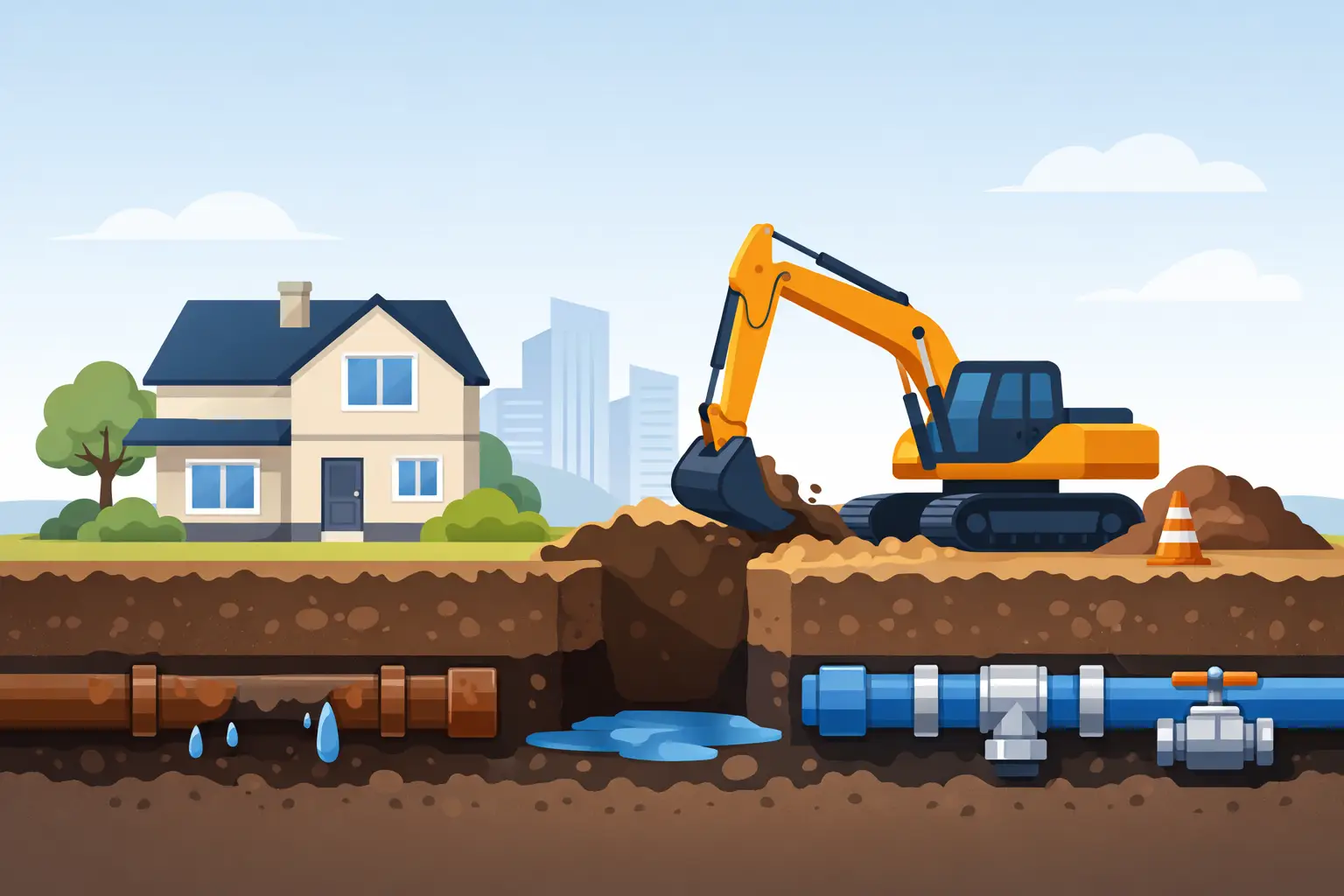
A failing main water line rarely gives you a convenient warning. One month your pressure seems a little low, then the yard stays damp, the water bill jumps, or rusty water starts showing up at the tap. When homeowners ask about water line replacement cost, what they usually want to know is simple – how bad is this going to get, and is replacement really the right call?
The honest answer is that cost depends on the pipe, the property, and how much access a plumber has to the line. Two homes on the same street can have very different pricing because one has a short, accessible line and the other has deeper piping under hardscape, tree roots, or tight utility clearances. That is why a proper inspection matters before anyone gives you a number that means anything.
What drives water line replacement cost
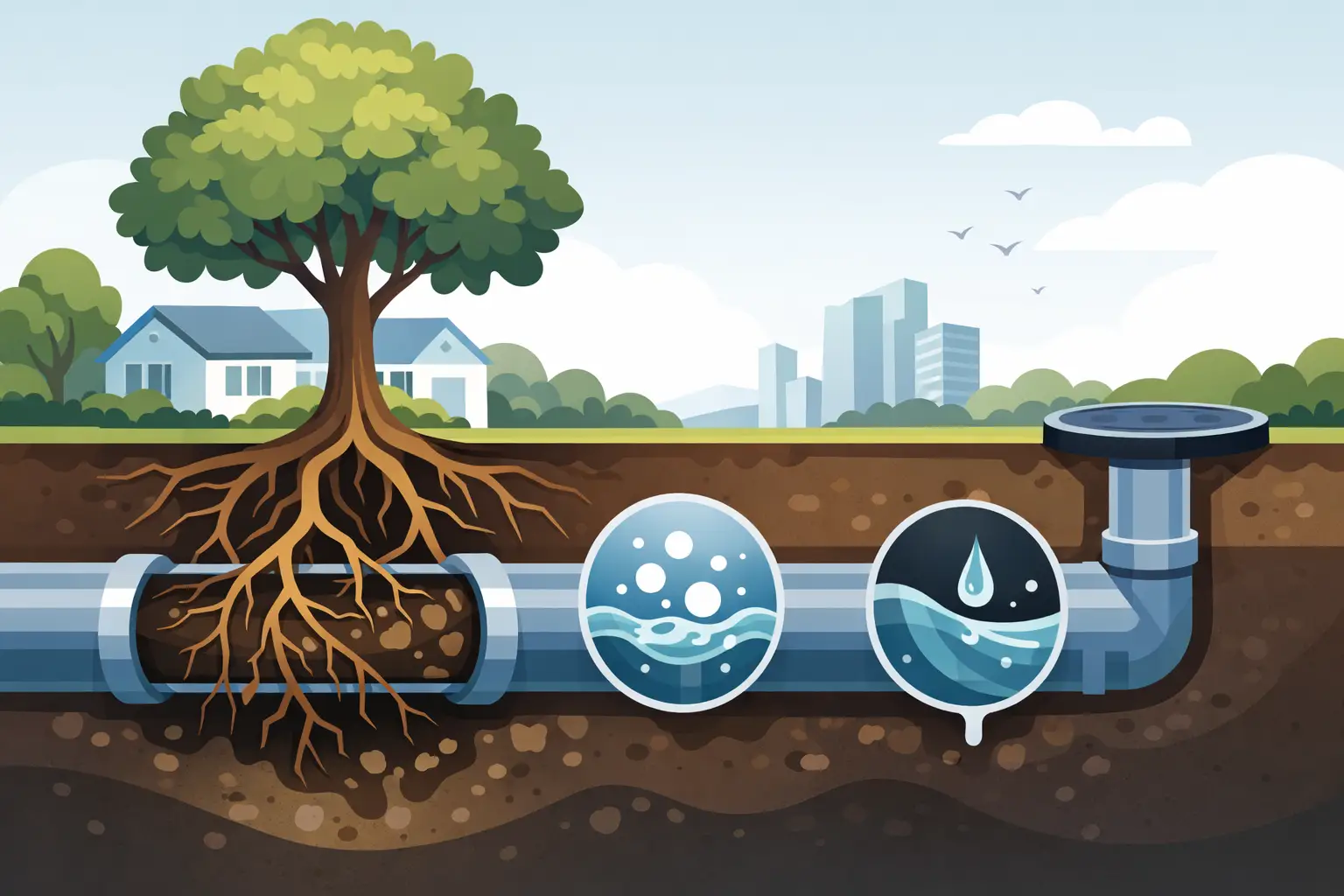
The biggest cost factor is usually how much pipe has to be replaced and how difficult it is to reach. A short run from the meter to the house is one thing. A long line crossing a large front yard or running under a driveway is another.
Depth matters too. If the water line is shallow and clear to access, labor is usually more straightforward. If crews have to dig deeper, work around other buried utilities, or protect nearby structures, the job becomes more labor-intensive. In Central Florida, soil conditions can help in some cases, but access issues, landscaping, and hard surfaces often affect pricing just as much as digging depth.
Pipe material also changes the total. Older galvanized lines can create long-term corrosion problems and often justify full replacement rather than repeated spot repairs. Copper, PEX, and HDPE each come with different material costs, installation methods, and expected service life. The right choice depends on code requirements, the property layout, and the condition of the existing system.
Then there is the restoration work. Replacing the pipe is one part of the job. Restoring disturbed areas can add to the total, especially if the line runs beneath concrete, pavers, decorative landscaping, or irrigation.
Typical price ranges homeowners should expect
There is no one-size-fits-all number for water line replacement cost, but most residential projects fall somewhere in the low thousands to several thousand dollars, with more complex jobs going higher. A relatively simple replacement with easy access may stay on the lower end. A longer run with difficult excavation, permitting, and surface restoration can rise quickly.
That gap in pricing is exactly why phone estimates can be misleading. If someone quotes a flat number before seeing the property, they may be leaving out major variables. A reliable estimate should account for line length, material, labor, permit requirements, testing, and site conditions.
For commercial properties, multi-unit buildings, and older homes with unknown pipe routing, the range can be broader. These projects often require more planning because downtime, water demand, and code compliance have to be managed carefully.
Repair vs. replacement – when replacement makes more sense
Not every water line problem means full replacement. A localized leak in an otherwise healthy line may be repairable. If the pipe is newer, the damage is limited, and access is reasonable, a repair can be the most cost-effective option.
But repeated leaks tell a different story. If the line has already failed more than once, or if corrosion and age are affecting the full length of pipe, paying for one repair after another can become more expensive than replacing the line once and moving on. The same is true when water pressure problems, discolored water, and hidden leaks all point to system-wide deterioration.
This is where professional judgment matters. A good plumber should explain whether the issue appears isolated or whether the line is likely nearing the end of its service life. That kind of guidance helps you avoid spending money on a short-term patch when the bigger problem is still underground.
Trenching vs. trenchless replacement
One of the most common pricing questions is whether trenchless replacement costs more. Sometimes it does. Sometimes it saves money overall.
Traditional trenching involves digging a path along the water line so the old pipe can be removed or replaced. It can be the best option when the line is easy to access or when conditions make trenchless work impractical. The upfront plumbing cost may look straightforward, but surface repair can increase the total if the excavation cuts through concrete, mature landscaping, or other finished areas.
Trenchless methods reduce surface disruption by limiting excavation to smaller access points. That can be a strong option for properties where preserving the yard, driveway, or hardscape matters. The equipment and process may carry a higher technical cost, but less restoration work can offset that. The right method depends on pipe condition, soil, route, and whether the line qualifies for trenchless installation.
Hidden factors that can raise the cost
Permits are one of the first things homeowners forget to include, but they are part of a legitimate replacement. Local code and inspection requirements vary, and those steps protect the property owner as much as the contractor.
Emergency timing can also affect pricing. If the water line has ruptured and immediate service is needed, response urgency may change labor scheduling and job conditions. That does not mean you should delay a serious leak, only that emergency work often involves different logistics than a planned replacement.
Water shutoff coordination, utility locating, and meter-side issues can also add complexity. In some cases, responsibility is split between the property owner and the utility, depending on where the damaged section is located. A clear inspection helps define that line before work begins.
Older properties can present another challenge. If records are incomplete or the line has been rerouted over the years, locating the exact path may take extra time. That uncertainty can affect both labor and project planning.
Signs you should not wait on replacement
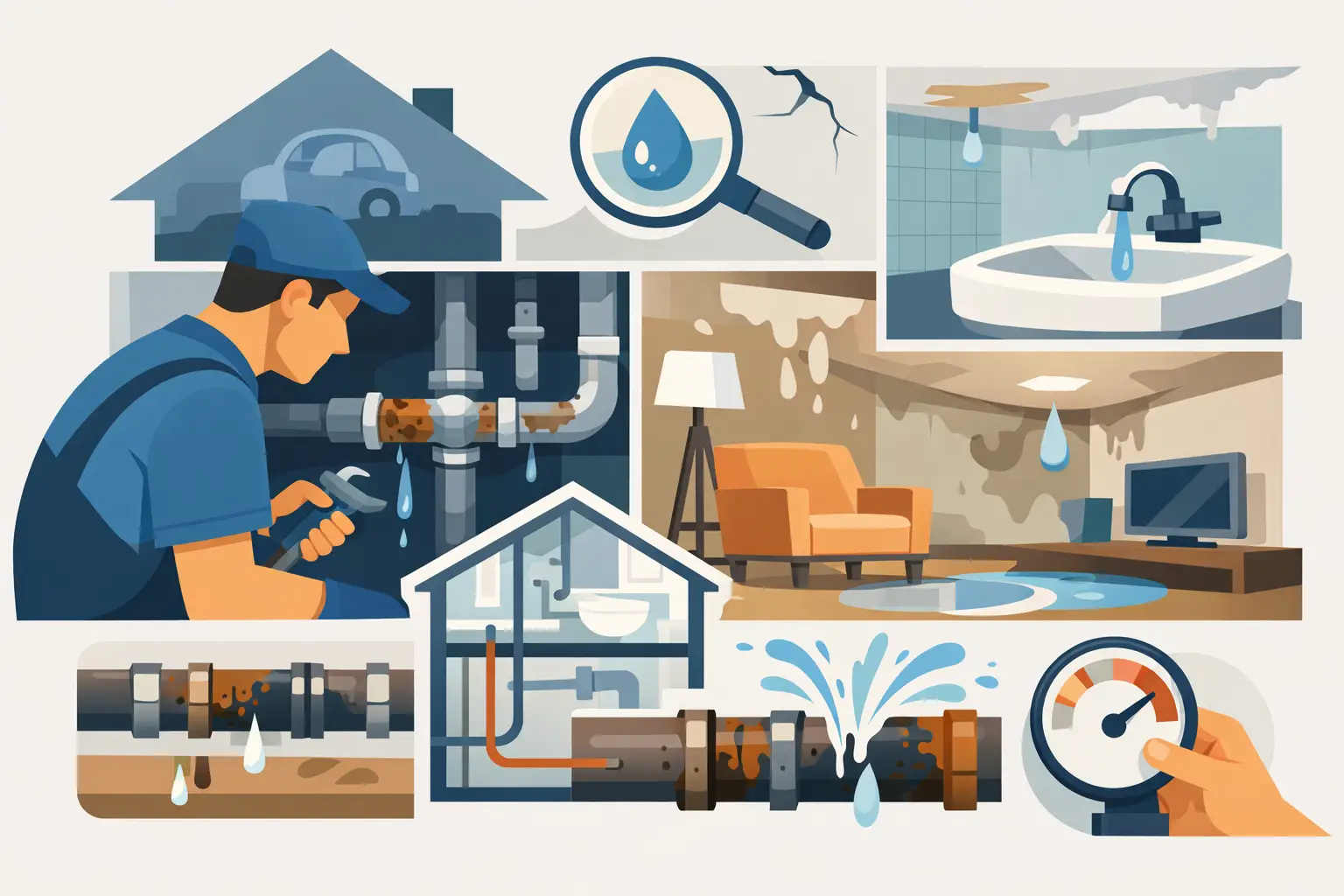
A water line problem tends to get more expensive when it is ignored. Low pressure throughout the property, wet spots in the yard, unexplained spikes in water bills, muddy areas near the service line, or visible water damage near the foundation should all be taken seriously.
Discolored water can also point to line deterioration, especially in older metal piping. If the issue is happening repeatedly and not tied to a short-term disruption, the line may be corroding from the inside. That can affect water quality as well as flow.
For property managers and business owners, delay has another cost – disruption. A failing line can interrupt tenants, customers, and daily operations. In those situations, the financial impact goes beyond the plumbing invoice.
How to get an estimate that is actually useful
The most useful estimate starts with an inspection, not a guess. A plumber should assess the symptoms, locate the line, review pipe material and condition, and explain whether repair, rerouting, or replacement makes the most sense.
Ask what is included in the estimate. That should cover excavation, pipe replacement, fittings, testing, permits if required, and a clear explanation of any restoration that is or is not part of the price. If there are variables that cannot be confirmed until the work starts, those should be stated upfront.
Transparency matters here. Homeowners do not need a vague range with no detail. They need to know what they are paying for, what could change the final cost, and what result they should expect when the work is done. That is how you compare quotes fairly.
For Central Florida property owners, fast response is especially important when a suspected water line issue is already affecting pressure, billing, or the yard. Companies like The Flush Club focus on giving customers a clear inspection-to-estimate process so the decision is based on actual site conditions, not guesswork.
Paying more once can cost less over time
The lowest quote is not always the lowest long-term cost. A cheaper job that skips proper materials, code compliance, or full problem diagnosis can leave you paying for avoidable repairs later. On a buried line, workmanship matters because you are investing in something you do not want to revisit anytime soon.
It also helps to think beyond the pipe itself. A new water line can restore pressure, reduce the risk of hidden leaks, improve reliability, and remove the stress that comes with wondering when the next break will happen. That is real value, especially for older homes and properties with repeated plumbing issues.
If you are trying to budget for water line replacement cost, the best next step is not to chase the fastest number. It is to get a clear, professional evaluation from a licensed plumber who can tell you exactly what is happening underground and what it will take to fix it the right way.