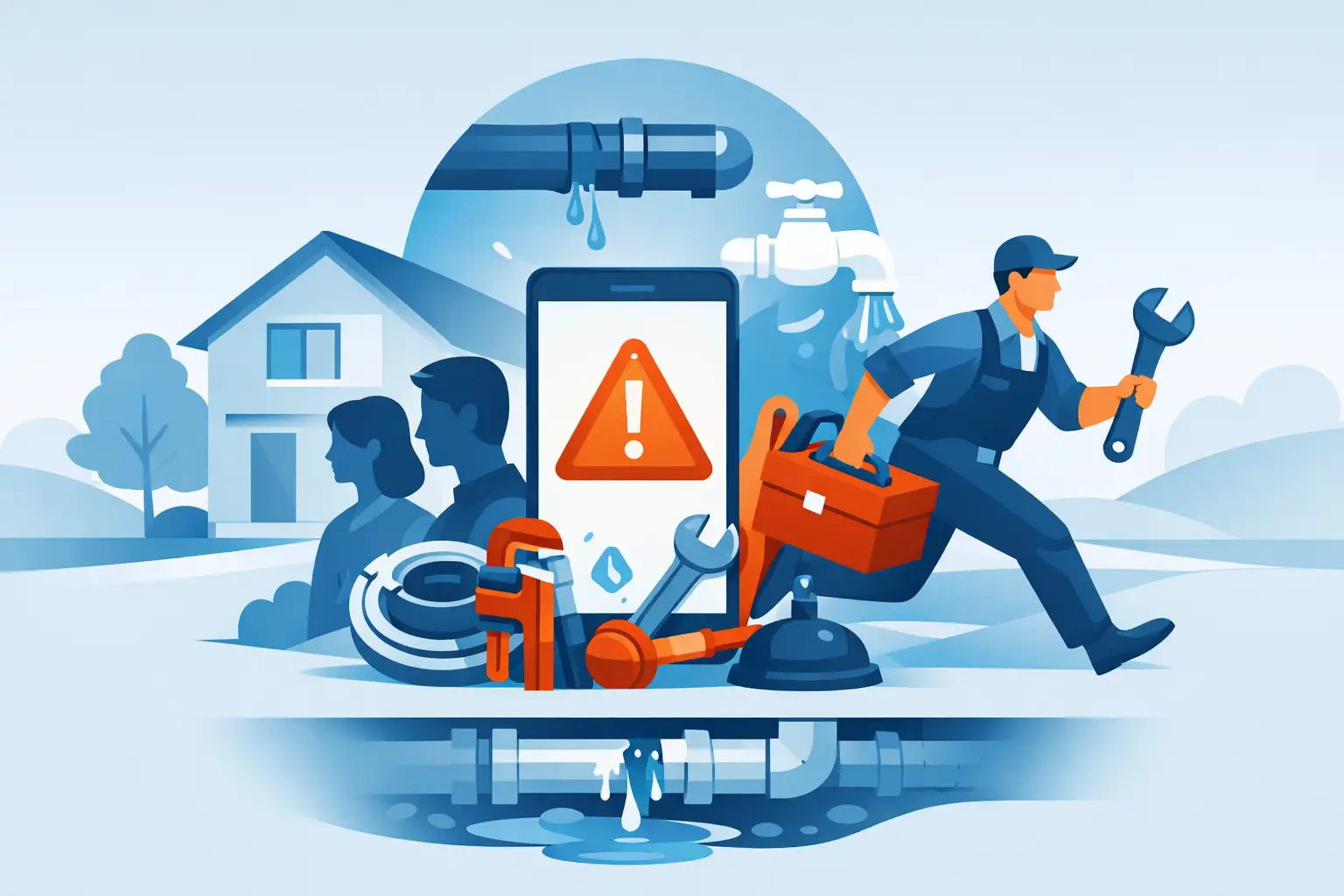
A burst pipe at 2 a.m. does not give you time to think through plumbing basics. It forces quick decisions – where to shut off the water, what to move, what can wait until morning, and when the problem has already crossed the line into a true emergency. This homeowner guide to emergency plumbing is built for those moments, when clear steps matter more than guesswork.
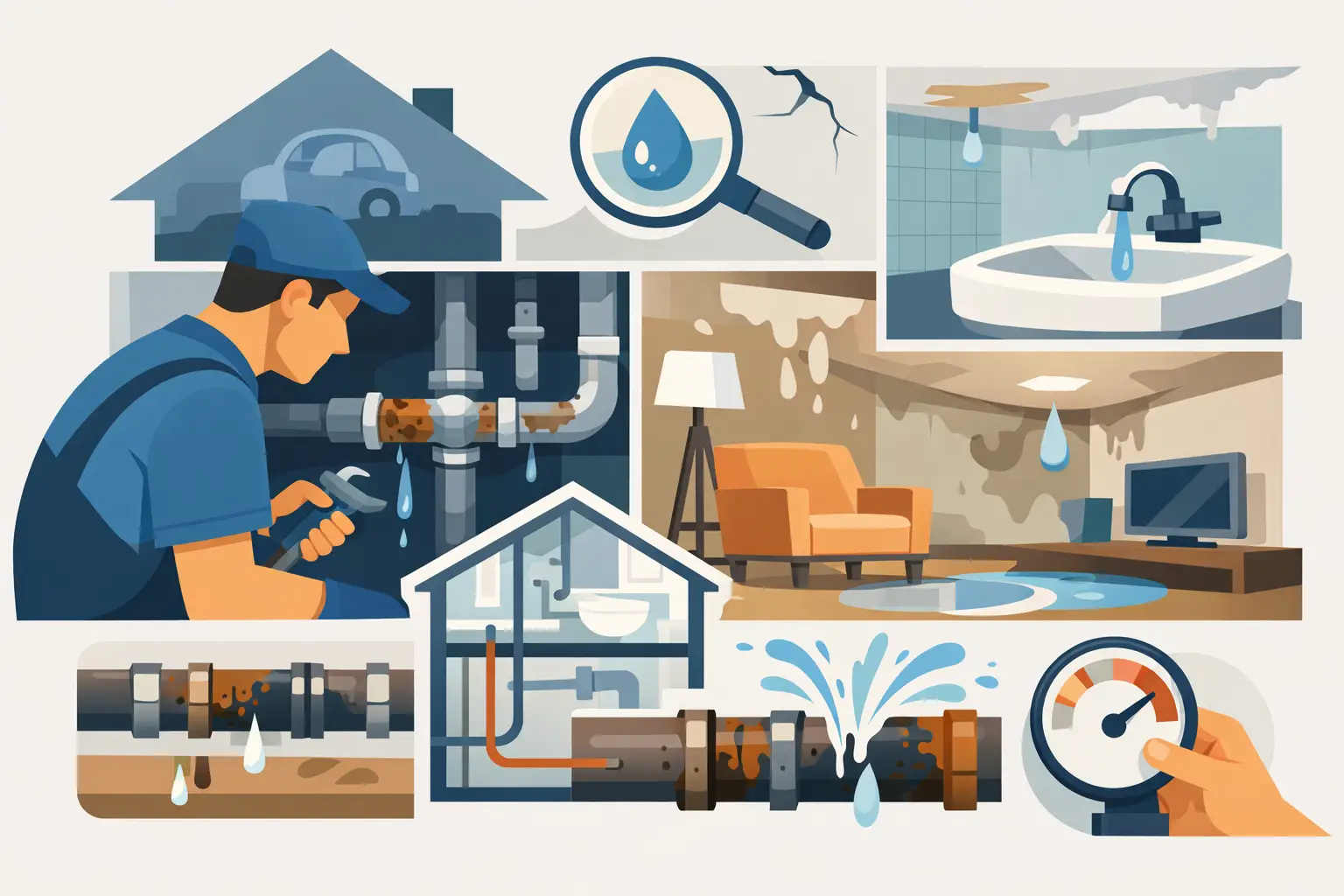
Most plumbing emergencies follow the same pattern. A small warning sign gets ignored, pressure builds, water goes where it should not, and damage spreads faster than most people expect. Floors, cabinets, drywall, baseboards, and electrical areas can all be affected in a short window. The first goal is not a permanent fix. It is to limit damage, protect the home, and make sure a licensed plumber arrives to address the real cause.
What counts as a plumbing emergency?
Not every plumbing problem is an emergency, but some issues need immediate action. A pipe actively leaking into walls or ceilings is urgent. So is a sewer backup, an overflowing toilet that will not stop, a failed water heater leaking onto the floor, or a water line break that threatens major property damage. If you smell gas near a gas water heater or gas line, that is not just urgent – it is a safety issue that requires immediate professional response.
On the other hand, a slow drain, a dripping faucet, or a toilet that occasionally runs may be serious repair needs, but they are not always after-hours emergencies. The difference usually comes down to active damage, health risk, safety risk, or complete loss of an essential plumbing function.
If you are unsure, ask a simple question: if this continues for the next two to four hours, will damage or danger get worse fast? If the answer is yes, treat it like an emergency.
The first five minutes matter most
In any homeowner guide to emergency plumbing, the most useful advice is also the simplest. Do not start by searching for tools. Start by controlling the source.
If water is actively flowing, shut off the nearest fixture valve if you can reach it safely. That works for sinks and toilets in some cases. If the fixture shutoff is stuck, leaking, or not stopping the flow, turn off the home’s main water supply. Every homeowner should know where that valve is before an emergency happens. In many homes, it is near the water meter, in the garage, or on an exterior wall where the main line enters the house.
Next, shut off electricity to affected areas if water is close to outlets, appliances, or electrical panels. Only do this if you can reach the breaker safely without standing in water. If there is any doubt, wait for qualified help.
Then move rugs, boxes, furniture, and anything absorbent or valuable out of the wet area. Use towels, buckets, or a wet vacuum to contain what you can. These steps will not solve the plumbing issue, but they can reduce repair costs and limit secondary damage.
When to shut off the main water valve
Some homeowners hesitate to turn off the whole house water because it feels drastic. In reality, it is often the smartest move.
Shut off the main valve if you have a burst pipe, a slab leak showing sudden pooling, a broken supply line, a major fixture leak you cannot isolate, or any situation where water is spreading and you do not know exactly where it is coming from. The inconvenience of losing water for a short time is minor compared to the cost of structural damage, mold growth, or ruined flooring.
If the leak is limited to one fixture and the local shutoff works properly, you may not need to turn off the whole system. But if the valve fails or the leak continues, move quickly to the main shutoff.
What you should not do in an emergency
Homeowners often make a bad situation worse by trying to force a temporary repair. That usually happens with drain cleaners, overtightened fittings, or improvised patches.
Do not pour chemical drain cleaner into a backed-up drain during an emergency. If the line is fully blocked, those chemicals can sit in the pipe, damage materials, and create a hazard for whoever has to open the line later. Do not keep flushing a clogged toilet to see if it clears. If the bowl is rising, stop immediately. And do not cut into drywall or piping unless you are certain where the leak is and what is behind the wall.
A bucket under a leak is helpful. Duct tape on a pressurized pipe is usually not. Temporary measures have limits, and it is better to stabilize the area than to gamble on a fix that fails harder.
The most common emergency plumbing problems
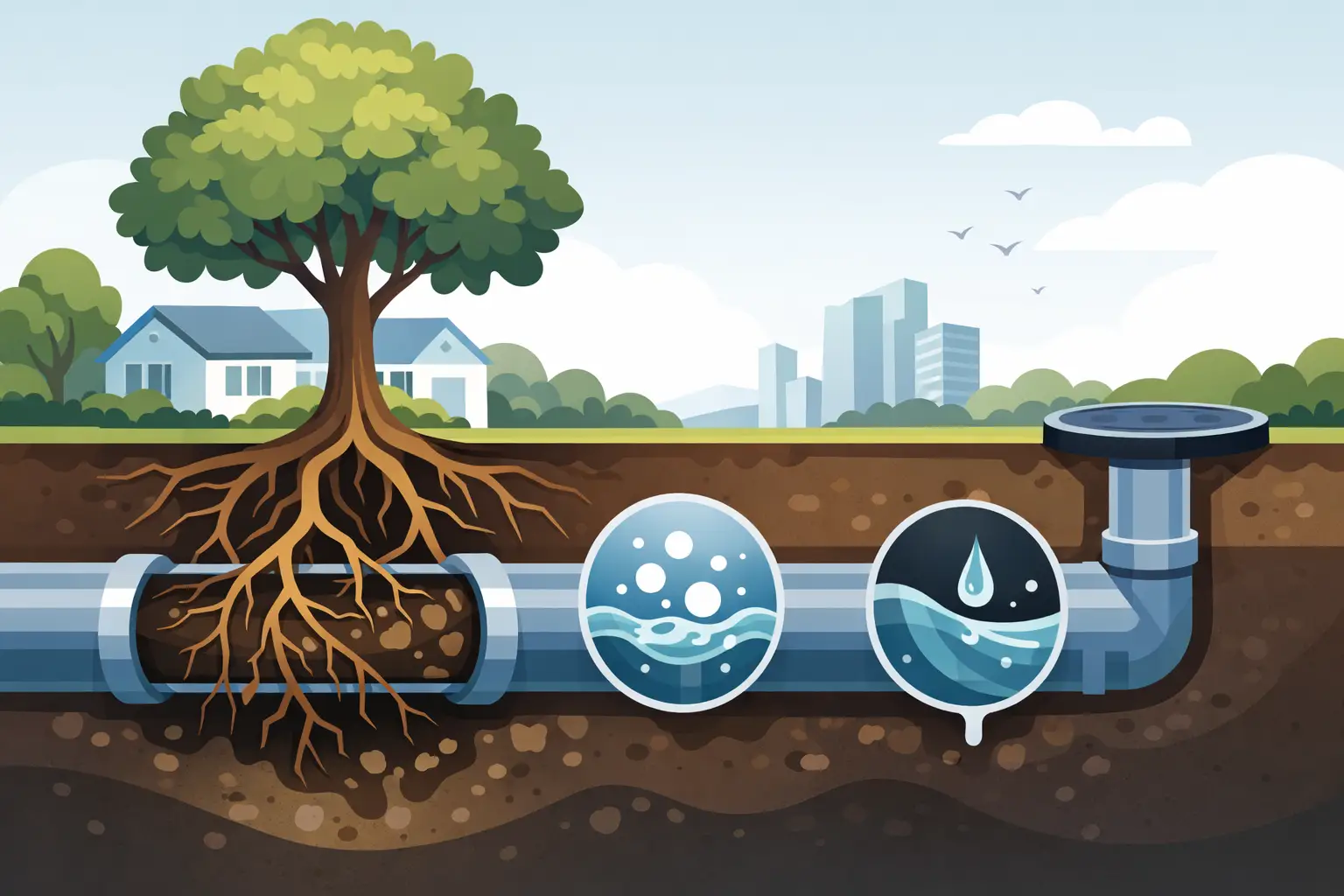
Burst and cracked pipes are among the most damaging because they release clean water fast and often go unnoticed until floors or walls are already saturated. In older homes, corrosion, poor past repairs, and pressure issues can all contribute.
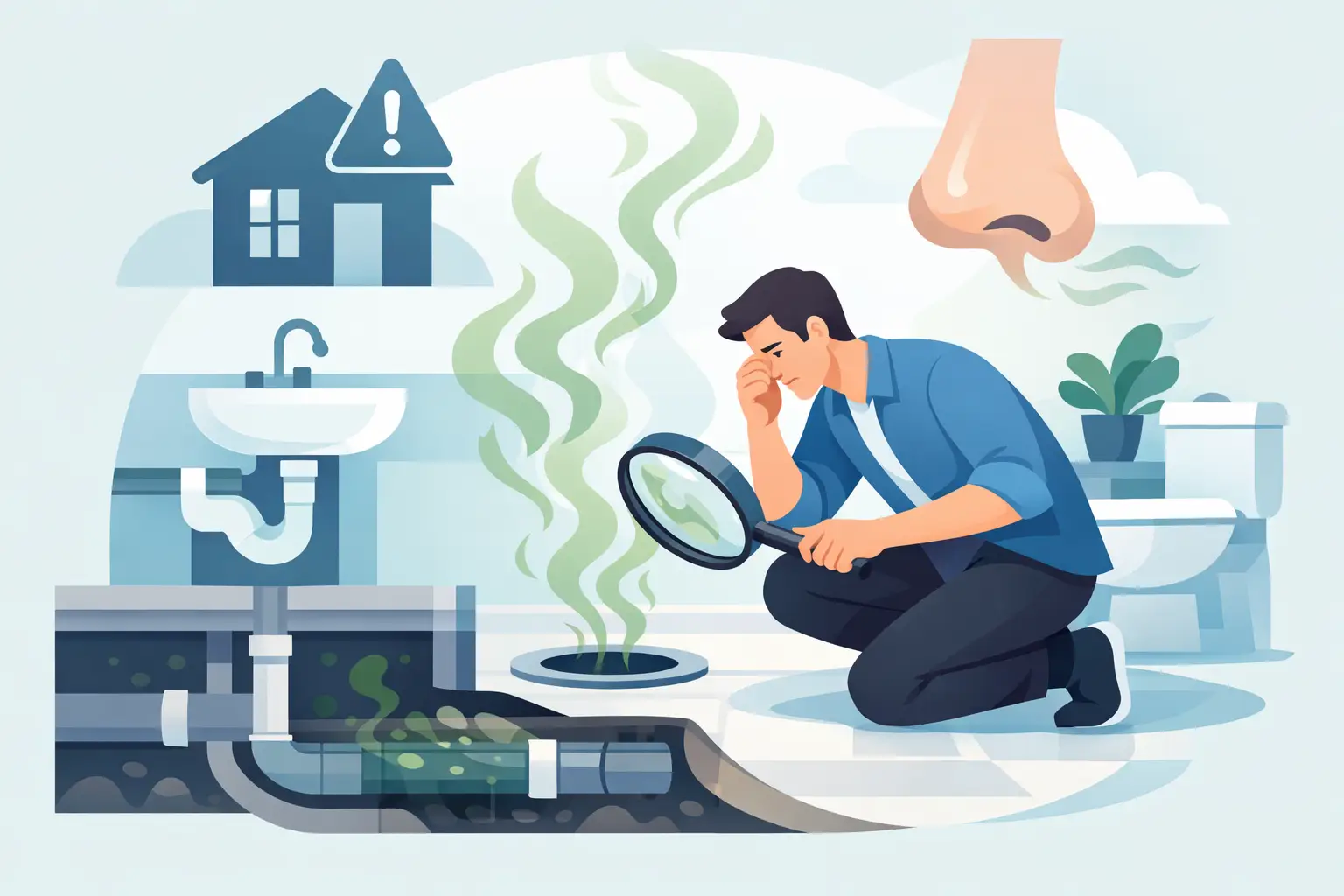
Drain and sewer backups are different. They may release contaminated water, create strong odors, and affect multiple fixtures at once. If a toilet bubbles when a sink drains or wastewater appears in a tub or floor drain, that points to a deeper blockage in the line.
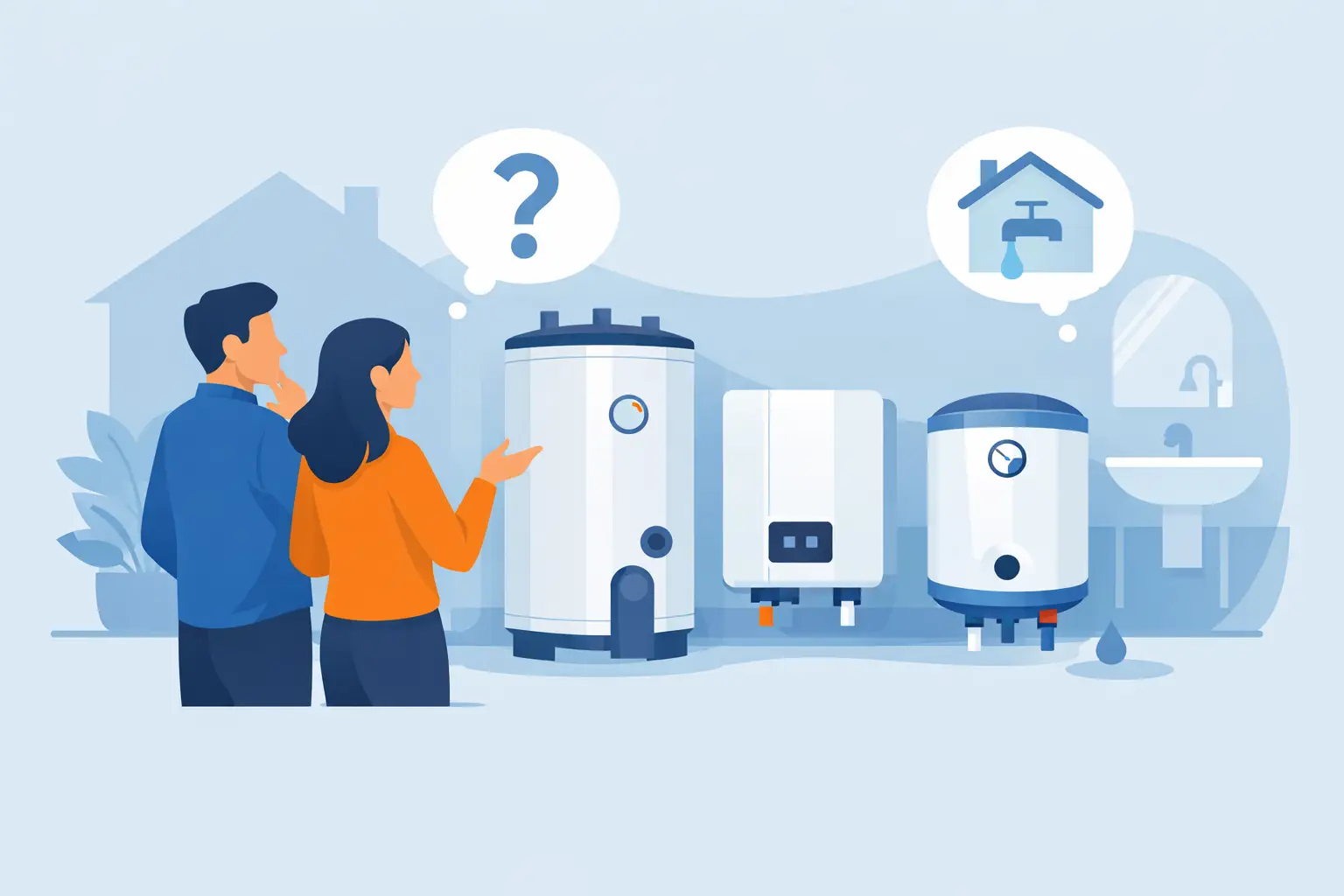
Water heater emergencies can show up as no hot water, loud banging, rusty water, or leaking around the tank base. A small drip from a fitting may be repairable. Water pooling under the tank itself often suggests the unit is failing.
Overflowing toilets and failed shutoff valves are also common. These problems feel small until they are not. A toilet overflow on a second floor can damage ceilings below very quickly.
How to talk to a plumber when you call
A fast response starts with clear information. When you call, explain what is happening now, not just what you think caused it. Say whether water is actively flowing, whether you have shut off the main, which fixtures are affected, whether there is sewage involved, and whether the leak is near electrical components.
Photos can help if requested, especially for ceiling stains, pipe leaks, or visible damage around water heaters and fixtures. If you know the age of the plumbing system or whether the home has had past drain or water line issues, mention that too. Those details help the plumber arrive prepared.
This is where a responsive local company matters. In Central Florida, plumbing emergencies can escalate quickly because of heat, humidity, and the way moisture lingers inside walls and flooring. A team that offers clear communication, transparent estimates, and true emergency support is not just convenient. It protects your property.
What to do while you wait for service
Once the water is controlled, focus on safety and damage containment. Keep children and pets away from the affected area. If the leak involves sewage or gray water, avoid direct contact and do not use nearby sinks, tubs, or toilets until the issue is assessed.
Open windows if conditions allow, and use fans only when it is safe to do so. Take a few photos for insurance documentation if damage is visible. If a ceiling is bulging from trapped water, stay out from under it. That kind of pressure can release suddenly.
You do not need to diagnose everything before the plumber arrives. You just need to make the home safer and prevent the problem from spreading.
How to reduce the chance of the next emergency
The best emergency call is the one you never have to make. That starts with paying attention to small signs: unexplained increases in water bills, slow drains in more than one fixture, discolored water, reduced water pressure, or damp spots with no clear source.
Routine inspections matter most in older homes, rental properties, and buildings with past plumbing repairs. Water heaters, shutoff valves, supply lines, and exposed pipes should all be checked before they fail. If your home has aging piping, recurring drain issues, or signs of hidden leaks, a proactive repair is usually cheaper than an after-hours emergency.
It also helps to label your main water shutoff and test fixture shutoff valves once in a while. In a real emergency, nobody wants to discover that a valve is frozen in place.
A practical homeowner guide to emergency plumbing decisions
The hardest part of a plumbing emergency is usually not the mess. It is the uncertainty. Homeowners are left trying to decide whether to wait, whether to shut everything down, and whether a problem is serious enough to bring in help immediately.
A good rule is this: if water is actively causing damage, if sewage is involved, if hot water equipment is leaking, or if there is any safety risk, act fast and call a licensed professional. If the issue is isolated and stable, you may have more time – but only if the risk truly is controlled.
Companies like The Flush Club build their service around that reality: quick response, clear inspections, upfront pricing, and repairs aimed at solving the issue for the long term, not just stopping the noise for one night.
The best thing a homeowner can bring to an emergency is not plumbing experience. It is a calm first move, a known shutoff location, and the willingness to call for help before a manageable problem turns into a major repair.