Water on the floor changes the mood of a home or business in seconds. If you are searching for how to shut off water during leak situations, the priority is simple – stop the flow first, then figure out the repair. Acting quickly can limit damage to flooring, drywall, cabinets, and anything stored nearby.
The right shutoff point depends on where the leak is coming from. Sometimes you only need to turn off a small valve under a sink or behind a toilet. Other times, you need to shut off the water to the whole property. Knowing the difference matters because it can save time and keep the rest of the building usable while you wait for repairs.
How to shut off water during a leak at the source
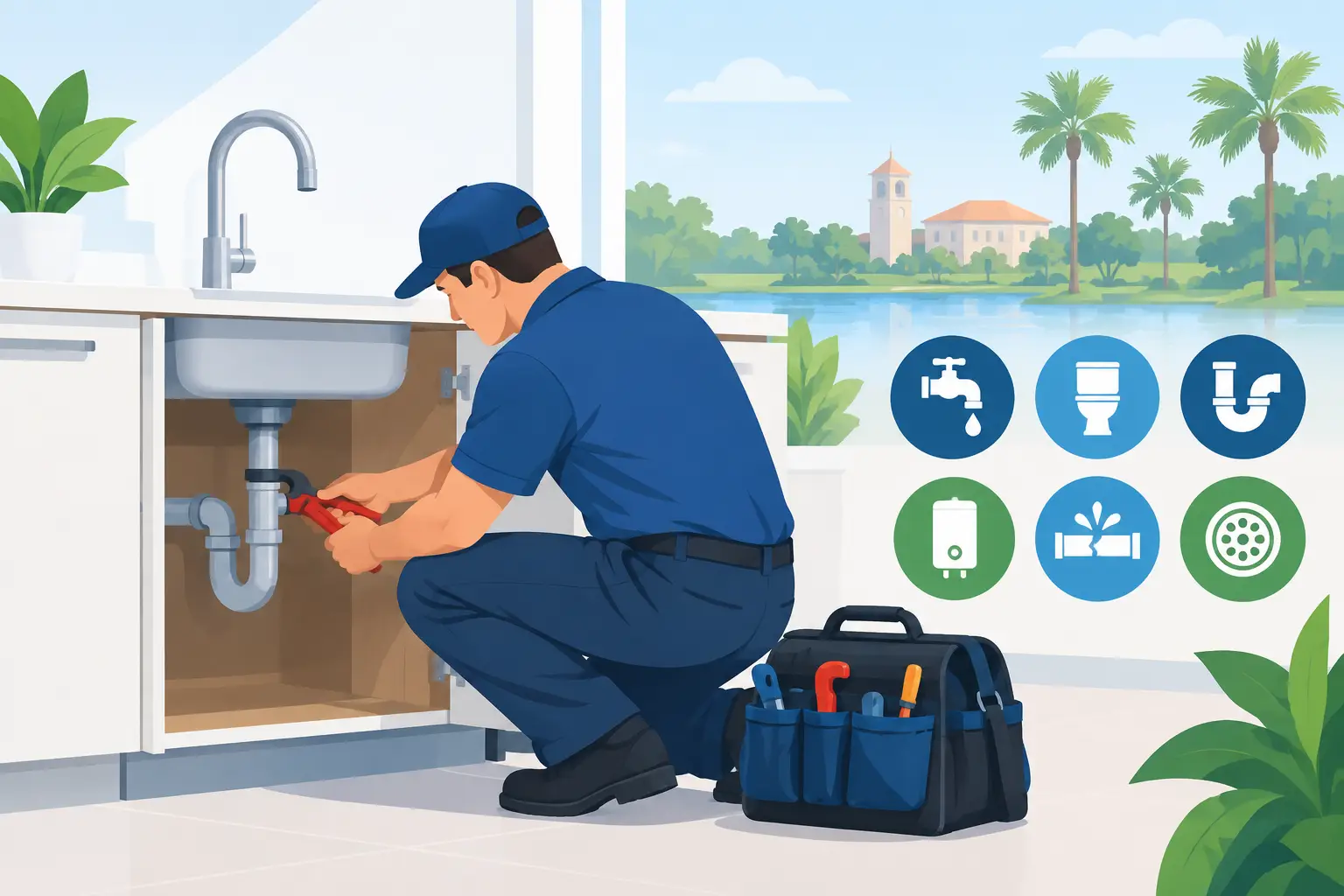
If the leak is coming from a single plumbing fixture, start there. A sink, toilet, or water heater usually has a local shutoff valve nearby. Turning off the closest valve is the fastest way to stop the problem without cutting water to the entire property.
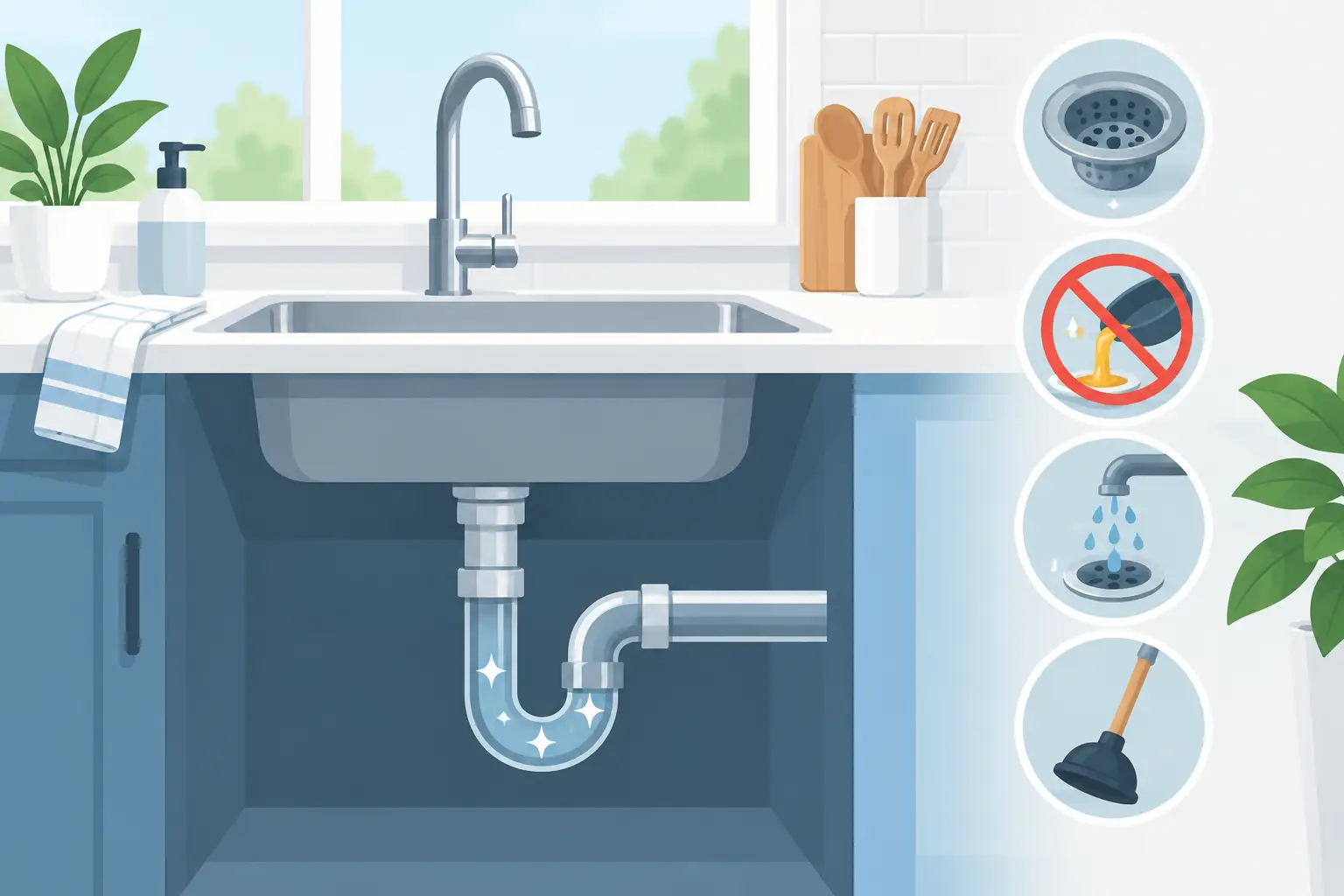
Under most sinks, you will see one or two small valves on the wall or inside the cabinet. Turn them clockwise until they stop. Do not force them hard if they feel stuck. Older valves can fail when handled roughly, especially in homes that have not had recent plumbing work.
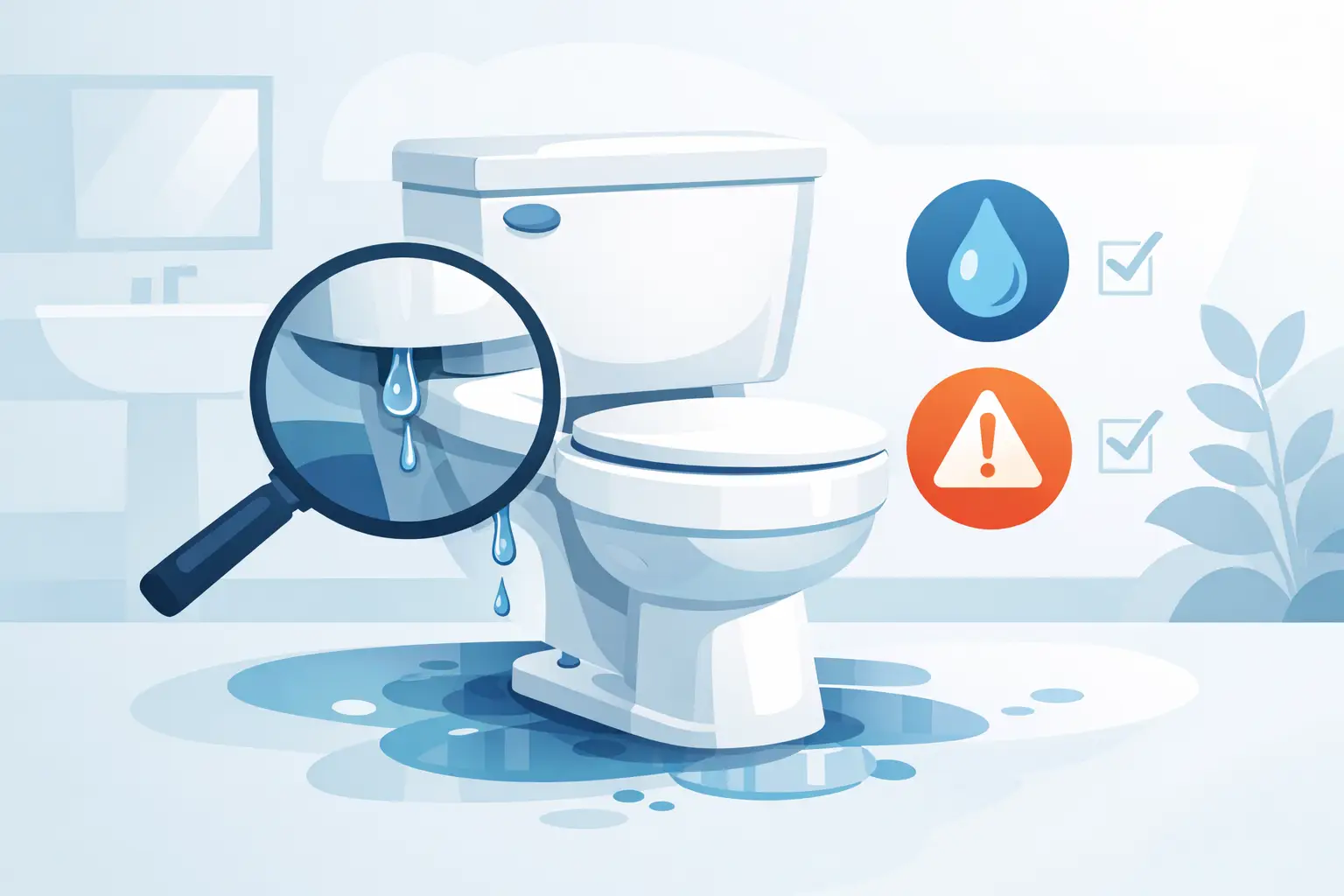
For a toilet leak, look for the shutoff valve on the wall behind the toilet, usually near the floor. Turn it clockwise. If water is overflowing from the tank or bowl, remove the tank lid carefully and lift the float if needed while someone turns the valve. That can buy you a few extra seconds.
For a washing machine leak, there are typically hot and cold shutoff valves in the wall box behind the appliance. Turn both off. If a hose has burst and water is spraying, be careful reaching behind the machine on a wet floor. If it feels unsafe, go straight to the main water shutoff.
A leaking water heater usually has a cold water supply valve above the unit. Turn that valve off to stop more water from entering the tank. If the leak is from the tank itself, shutting off the supply helps, but it does not repair the failure. In that case, professional service is usually the next step.
Where to find the main water shutoff valve
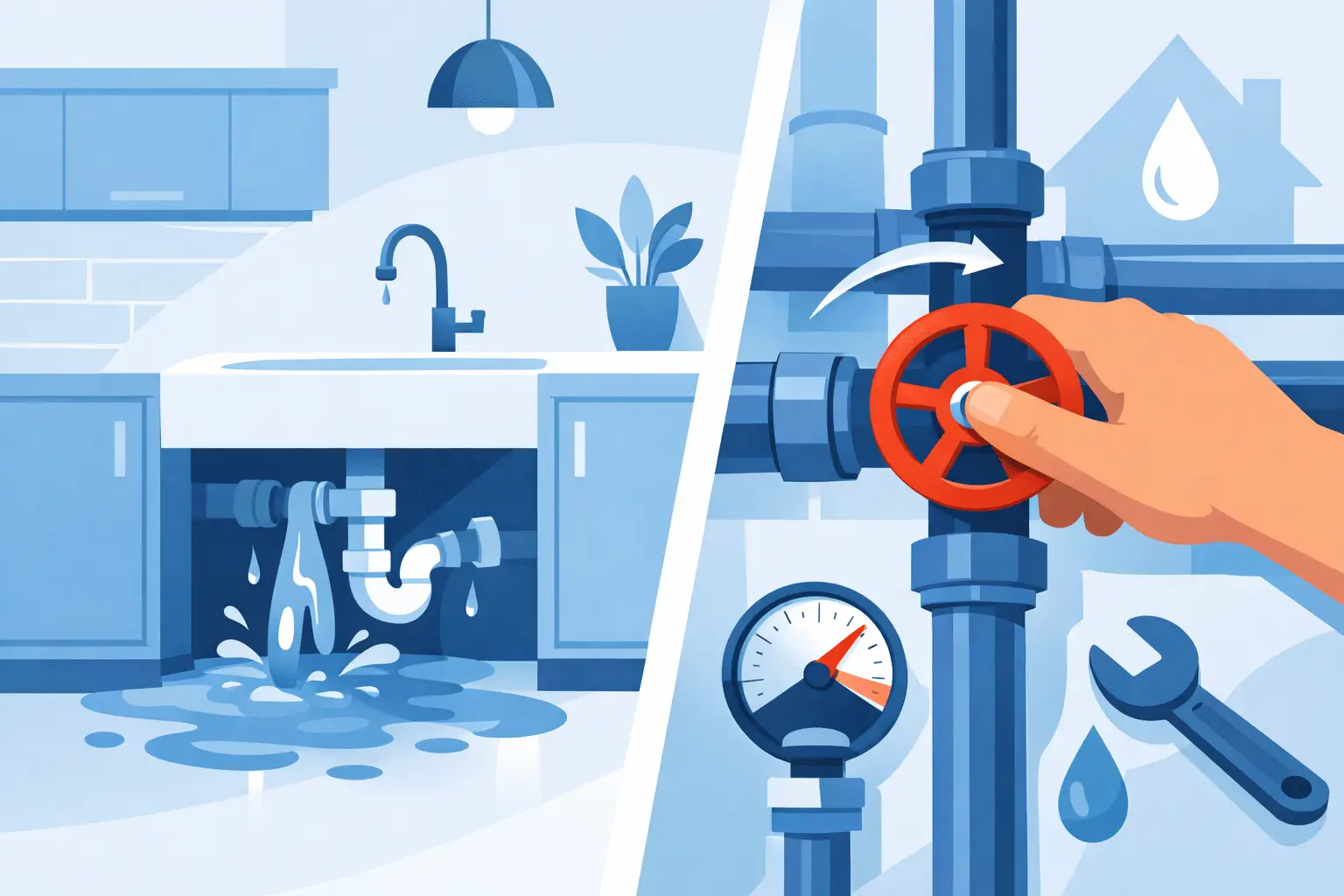
If you cannot isolate the leak at a fixture, or if the leak is coming from a broken pipe, shut off the main water supply. Every property should have one main shutoff, but the location varies.
In many Central Florida homes, the main shutoff is near the water meter, on an exterior wall, in a garage, or where the main service line enters the building. In commercial spaces, it may be in a utility room, mechanical area, or near the front service connection. If you manage a rental or commercial property, it is worth locating this valve before an emergency happens.
There are two common valve types. A gate valve has a round handle that you turn clockwise several times. A ball valve has a lever handle that turns a quarter turn. When the lever is perpendicular to the pipe, it is usually off. When it is parallel, it is on.
If the valve is hard to access, use a flashlight and move carefully. Wet surfaces increase slip risk, and electrical hazards are a real concern when leaks spread near outlets, appliances, or power cords.
What to do if the leak is near electricity
Water and electricity are a dangerous combination. If the leak is near a breaker panel, electrical outlet, appliance cord, or ceiling light fixture, do not step into standing water to reach a shutoff. If you can safely do so from a dry area, cut power to the affected section. If not, back away and call for emergency help.
This is one of those situations where speed matters, but so does judgment. A plumbing leak can damage materials fast, but electrocution is the greater immediate risk.
After the water is off, do these next
Once the water supply is shut off, open a nearby faucet to relieve pressure in the pipes. This helps drain off remaining water and can reduce continued dripping from the damaged area. If the leak is upstairs, check the floor below right away. Water often travels farther than people expect.
Move rugs, boxes, furniture, and electronics away from the area if you can do it safely. Use towels, a mop, or a wet vacuum to remove standing water. The goal is not just to protect finishes. It is also to reduce the chance of mold growth and swelling in wood, baseboards, and cabinetry.
Take a few clear photos of the leak source and the affected area. That can help with repair planning and may be useful if you need to document damage for property records or insurance.
When a local shutoff valve does not work
Sometimes the valve under a sink or behind a toilet will not fully close. That is common in older plumbing systems or in fixtures that have not been serviced in years. If water keeps flowing after you turn the local valve off, go to the main shutoff.
A stuck valve is its own plumbing issue. It may need replacement even if the original leak is repaired. This is one of those trade-off situations where trying to save the rest of the house from losing water is understandable, but forcing a failing valve can make the problem worse.
How to shut off water during a leak when you rent or manage property
If you are a tenant, shut off the nearest accessible valve if possible, then notify the property manager or landlord right away. Do not assume someone else already knows about it. Water damage spreads fast, and delays cost more than the repair itself.
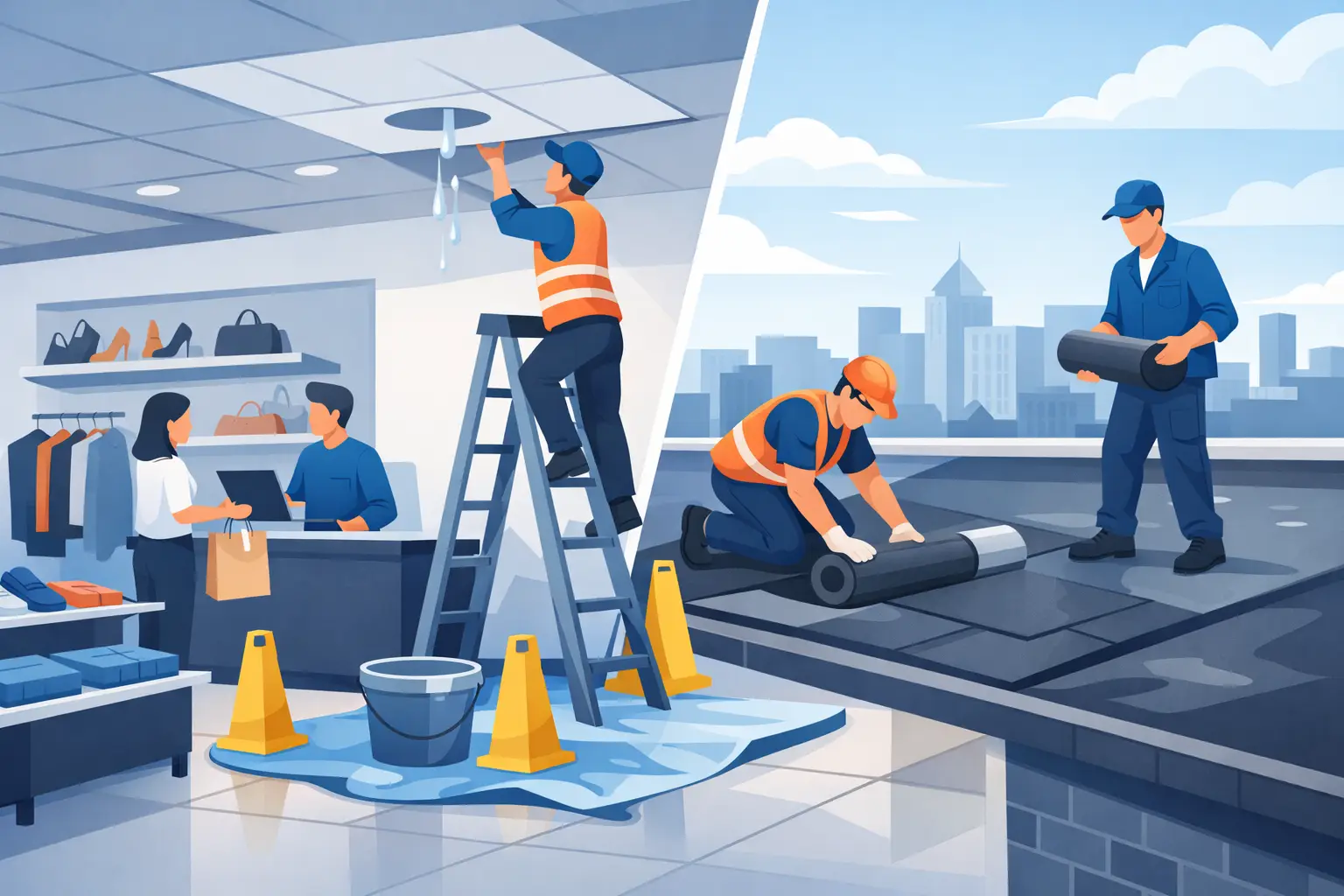
If you manage multiple units or commercial space, make sure staff know where main shutoffs are located for each suite or building. Labeling valves clearly and keeping access areas clear can save critical minutes during an after-hours emergency.
Common leak scenarios and the fastest response
A dripping faucet usually does not require a full building shutoff unless the fixture valve is failing or the leak worsens suddenly. A toilet supply line leak often can be stopped at the toilet valve. A burst pipe behind a wall, ceiling stain with active dripping, or slab leak signs usually call for the main shutoff first because the water source is less controlled.
If a water heater is leaking from a pipe connection, you may be able to isolate it at the heater. If the bottom of the tank is leaking, shut off the supply and avoid waiting too long. Tank failures rarely improve on their own.
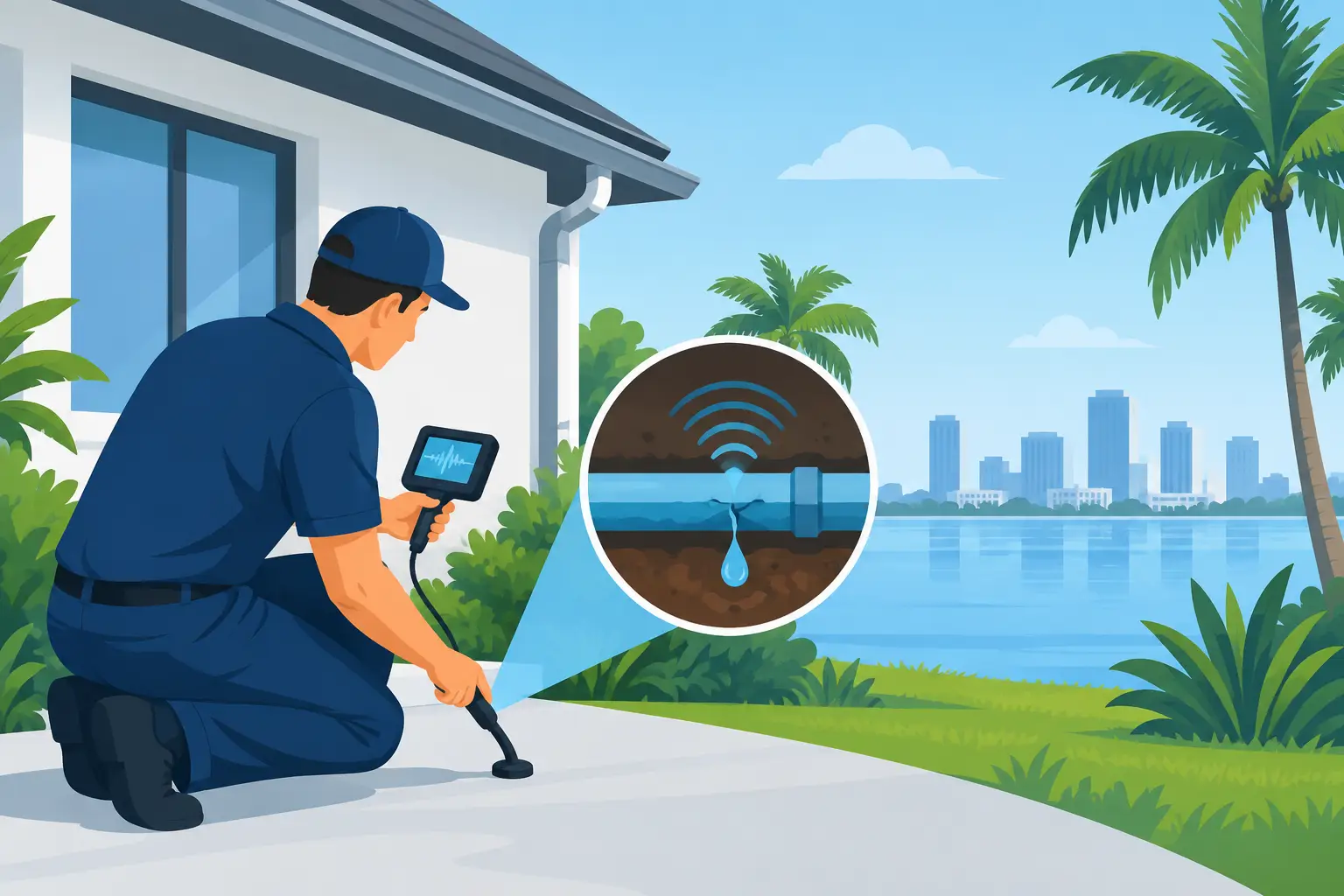
For exterior leaks, the response depends on location. A leaking hose bib might be controlled by an interior branch shutoff if one exists. A broken underground line or meter-side issue may require shutting off water at the main and contacting the utility or a plumber, depending on where the failure is located.
Preventing the next emergency
The best time to learn your shutoff locations is before you need them. Walk the property and identify fixture shutoffs, the main water valve, and any special valves for irrigation, water heaters, or commercial equipment. Test only if you know the valve is in good condition, and if you are unsure, have it inspected during routine plumbing service.
It also helps to keep the area around shutoff points clear. Storage stacked in front of a garage wall valve or overgrown landscaping around a meter can slow you down when every second counts.
If you own an older home or building, replacing worn shutoff valves is often a smart preventive repair. It is a small upgrade compared with the cost of uncontrolled water damage.
When to call a plumber right away
You should call for professional help if the leak does not stop after shutting off the valve, if the source is hidden behind walls or under flooring, if there are signs of pipe failure, or if water has reached electrical components. The same goes for repeated leaks from the same fixture. Temporary control is helpful, but recurring problems usually point to a deeper issue.
For Central Florida property owners, fast response matters because heat and humidity can make water damage escalate quickly. A reliable plumbing team can identify the source, explain the repair clearly, and help you avoid a short-term patch that turns into a larger problem later. The Flush Club handles urgent plumbing issues with that mindset – stop the immediate problem, inspect thoroughly, and recommend the fix that holds up.
A leak feels urgent because it is, but you do not need to guess your way through it. Find the closest shutoff, stay aware of electrical risk, and act early. A calm first response can save a lot more than water.