If your water heater is still making hot water, it is easy to put maintenance off. Then the utility bill creeps up, the hot water runs out faster, or you hear popping sounds from the tank and suddenly a small service visit turns into a bigger repair. That is usually when people start asking how much does water heater maintenance cost, and the honest answer is that it depends on the type of heater, its age, and what shape it is in right now.
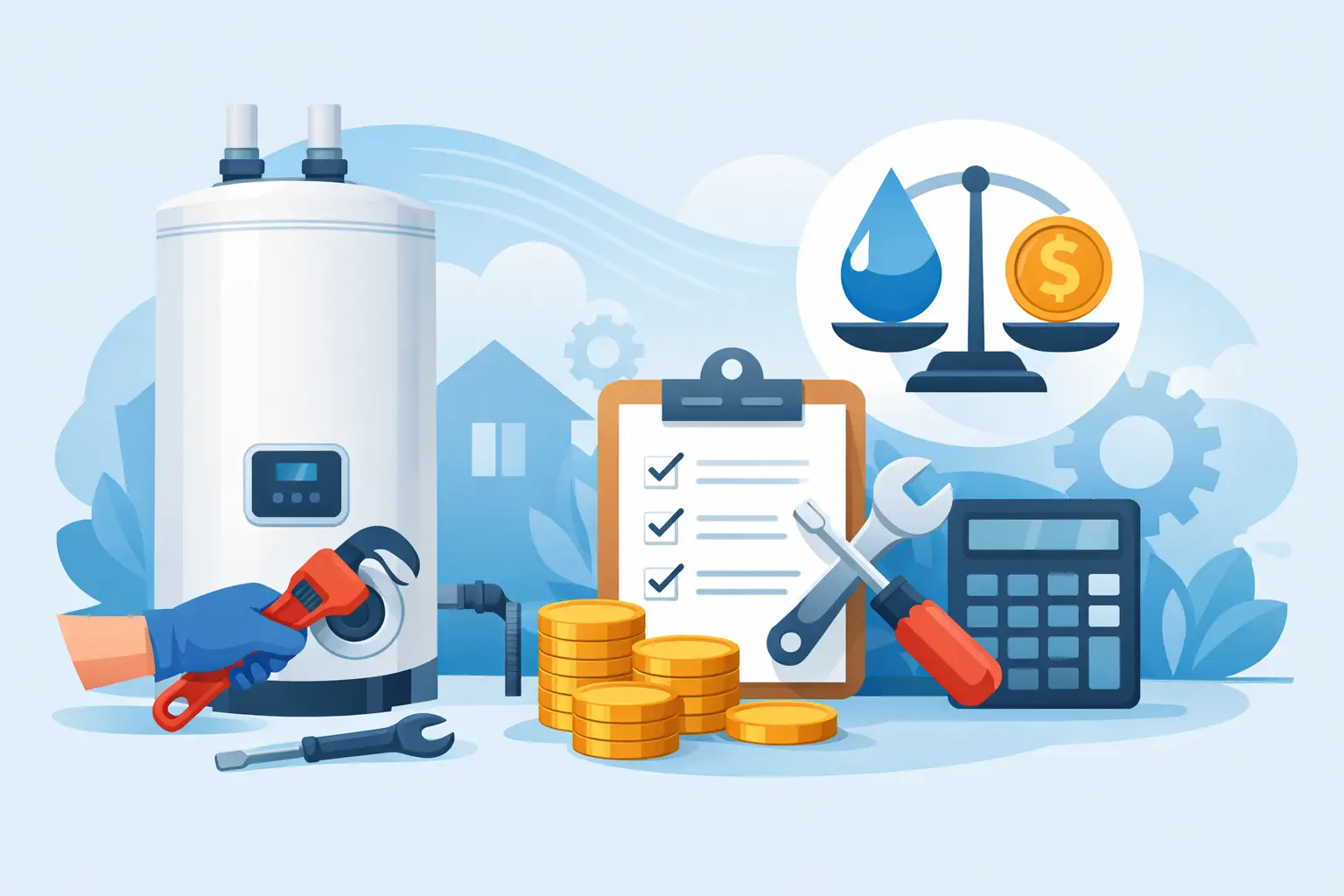
For most homeowners, routine water heater maintenance is one of the lower-cost plumbing services you can schedule. In many cases, a standard visit falls somewhere between about $100 and $300. If the unit needs flushing, anode rod inspection, burner cleaning, valve testing, or minor adjustments, the price can move up or down within that range. If parts are worn out or sediment buildup has been ignored for years, the total can go higher.
How much does water heater maintenance cost for most homes?
A basic maintenance appointment for a traditional tank water heater often includes inspection, system testing, and a tank flush. In many markets, that usually lands around $150 to $250. Some companies may charge less for a very simple tune-up, while others charge more if access is difficult, if the heater is older, or if the visit includes extra preventive work.
Tankless water heater maintenance is often a little more expensive. These systems usually need descaling, filter cleaning, and a more detailed performance check. That commonly puts tankless service in the $150 to $350 range, especially in areas with hard water where mineral buildup happens faster.
Commercial systems, larger residential systems, and high-demand properties usually cost more to maintain. A small business, rental property, or multi-unit setup may have added labor time, more components to test, and stricter performance expectations.
What is usually included in water heater maintenance?
The price makes more sense once you know what a plumber is actually checking. For a standard tank unit, maintenance often includes inspecting the tank and connections for leaks, checking the temperature and pressure relief valve, testing the thermostat, reviewing burner or heating element performance, and draining or flushing sediment from the tank.
On gas water heaters, the technician may also inspect the gas connection, ignition, burner assembly, and venting. On electric units, they may test heating elements and electrical connections. If the anode rod is accessible, it may be inspected as well, since that part helps protect the tank from corrosion.
For tankless systems, maintenance usually includes cleaning the inlet screen, descaling the heat exchanger, checking flow and temperature performance, and inspecting venting and condensate components where applicable.
Some companies include all of this in one flat maintenance price. Others quote a base service charge and then add costs if the unit needs deeper cleaning or replacement parts. That is why clear estimates matter.
What drives the cost up or down?
The biggest cost factor is the type of water heater you have. A basic electric tank is usually simpler to maintain than a gas tankless system with venting and scale buildup. Age matters too. A newer heater that gets annual service is generally faster to maintain than a ten-year-old unit that has never been flushed.
Water quality is another major factor in Central Florida and similar areas. Hard water can leave minerals behind inside the tank or heat exchanger. Over time, that buildup makes the heater work harder, reduces efficiency, and increases the labor needed during maintenance.
Accessibility can also affect pricing. If the heater is in a tight attic space, a crowded utility closet, or a location that makes draining and testing more difficult, labor time increases. If a plumber finds signs of corrosion, small leaks, failing valves, or unsafe venting, the appointment may turn from maintenance into repair work.
The hidden costs of skipping maintenance
Water heater maintenance is not just about keeping the unit clean. It is about avoiding the more expensive problems that follow neglect. Sediment buildup inside a tank water heater can make it rumble, overheat, and burn more energy to produce the same amount of hot water. That can raise monthly utility costs long before the unit actually fails.
A neglected anode rod can allow the tank to corrode from the inside. A valve that is never tested may fail when pressure builds up. On tankless systems, scale buildup can reduce performance and shorten the life of the heat exchanger. None of those issues start out as major disasters, but they can become expensive fast.
If maintenance helps you avoid an early replacement, a leak cleanup, or a no-hot-water emergency call, it usually pays for itself. That is the real value behind the service.
Water heater maintenance cost versus repair cost
Routine maintenance is usually predictable. Repairs are not. Replacing a valve, thermostat, heating element, igniter, or gas control component can quickly push the bill beyond the cost of a yearly service visit. If the tank itself is leaking, maintenance will not solve the problem and replacement is typically the next step.
There is also the timing issue. A planned maintenance visit happens on your schedule. A breakdown often happens when you need hot water most, and emergency service can add urgency to the total cost. For property managers and business owners, that disruption can be just as frustrating as the repair bill.
Is annual maintenance worth it?
In most cases, yes. Annual maintenance is a smart move for both tank and tankless systems, especially if the manufacturer recommends regular service to support warranty coverage. It is a modest cost compared to the price of replacing a full water heater system years earlier than expected.
That said, not every unit needs the exact same level of service. A newer tank in a home with softer water may need a straightforward yearly flush and inspection. An older tankless heater in a hard-water area may need more thorough descaling and closer monitoring. The right schedule depends on usage, water conditions, and the model you own.
If you are unsure, a licensed plumber can evaluate the unit and tell you whether you are looking at simple maintenance, overdue service, or signs that replacement may make more financial sense.
When a low maintenance quote is not always the best deal
Price matters, but so does what is included. A very low quote may cover only a quick visual check or a basic drain-down without deeper testing. That can leave important issues undiscovered, especially with older systems or gas-fired units.
A good maintenance visit should give you more than a receipt. It should give you a clear picture of the heater’s condition, whether any parts are wearing out, and whether the system is operating safely and efficiently. Transparent pricing matters here. You want to know what the base service includes and what would cost extra before the work starts.
That is especially important if the heater is showing warning signs like inconsistent hot water, discolored water, odd noises, pilot issues, or moisture around the base. At that point, maintenance may still help, but the plumber should also be honest if a repair or replacement is the better use of your money.
How to keep your maintenance costs reasonable
The easiest way to control water heater maintenance cost is to schedule service before performance drops. Waiting until the tank is noisy, slow, or leaking usually leads to more labor and more repairs. Annual service is simpler, faster, and easier to budget for.
It also helps to keep the area around the heater accessible and to mention any symptoms you have noticed when booking the appointment. If your plumber knows ahead of time that the system has had fluctuating temperatures or reduced hot water output, they can plan for a more complete inspection.
Working with a reliable local plumbing company also makes a difference. When the process is clear from inspection to estimate, it is easier to understand what you are paying for and why. Companies like The Flush Club build trust by being upfront about service recommendations instead of pushing work you do not need.
A water heater rarely fails without giving some warning first. If yours is due for service, the smartest move is usually the simple one: have it checked before a routine maintenance cost turns into a repair you did not plan for.