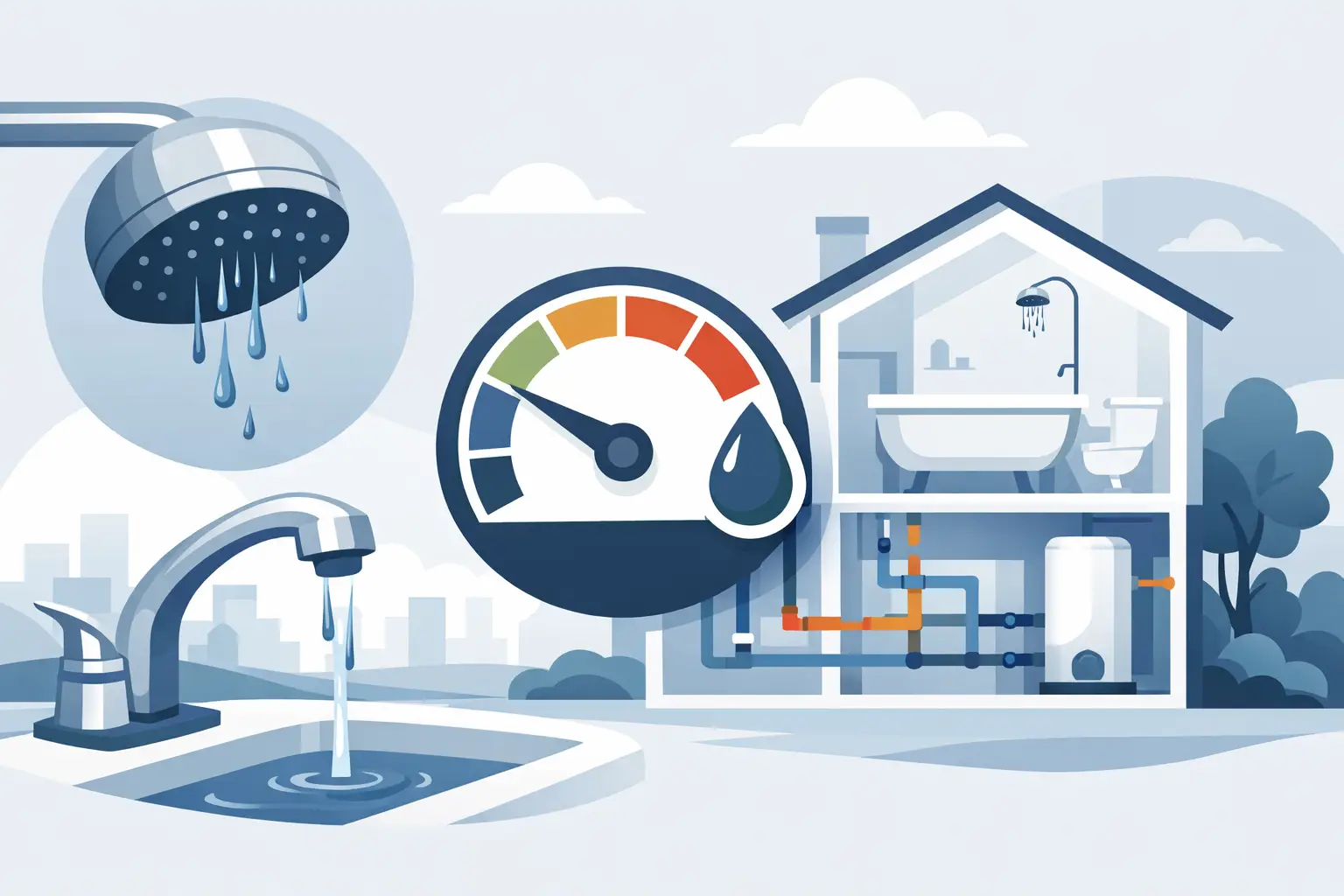
You turn on the shower and get a weak trickle instead of a steady stream. Or the kitchen sink takes forever to fill a pot. If you are asking, why is water pressure low, the answer can range from a quick fixture issue to a larger plumbing problem that needs fast attention.
Low water pressure is not one single problem. It is a symptom. In some homes, it starts with mineral buildup inside a faucet aerator. In others, it points to a hidden leak, a failing pressure regulator, aging pipes, or even a supply issue outside the home. The right fix depends on where the pressure drop is happening and whether it affects one fixture, one room, or the entire property.
Why is water pressure low at one fixture?
When low pressure shows up at only one sink, shower, or appliance, the cause is often close to that fixture. This is the best-case scenario because the repair is usually simple and limited in scope.
A clogged aerator is one of the most common reasons. Faucet aerators collect sediment, calcium, and debris over time, especially in areas with hard water. Showerheads can do the same thing. If the rest of the house has normal flow but one fixture is weak, buildup is a strong possibility.
A partially closed shutoff valve can also restrict water to a sink or toilet. These valves are often bumped during cleaning, repair work, or appliance installation. In some cases, the fixture itself is worn internally. Cartridge problems, corroded parts, or failing valves can all reduce flow.
If the issue is isolated to a washing machine, dishwasher, or refrigerator water line, the supply hose or inlet valve may be obstructed. That is a different kind of repair than a whole-home pressure issue, and it is one reason accurate diagnosis matters.
Why is water pressure low throughout the house?
If multiple fixtures are affected, the issue is usually larger than a single faucet. At that point, you want to think about the plumbing system as a whole.
One common cause is a partially closed main water valve. This can happen after plumbing work, meter service, or emergency shutoff use. Even being slightly off from fully open can noticeably reduce pressure across the house.
Another possibility is a problem with the pressure-reducing valve, also called a pressure regulator. Not every home has one, but many do. Its job is to control incoming pressure from the municipal supply so it stays at a safe level for the plumbing system. When that valve starts to fail, pressure can drop throughout the property. Sometimes it drops gradually. Other times the change feels sudden.
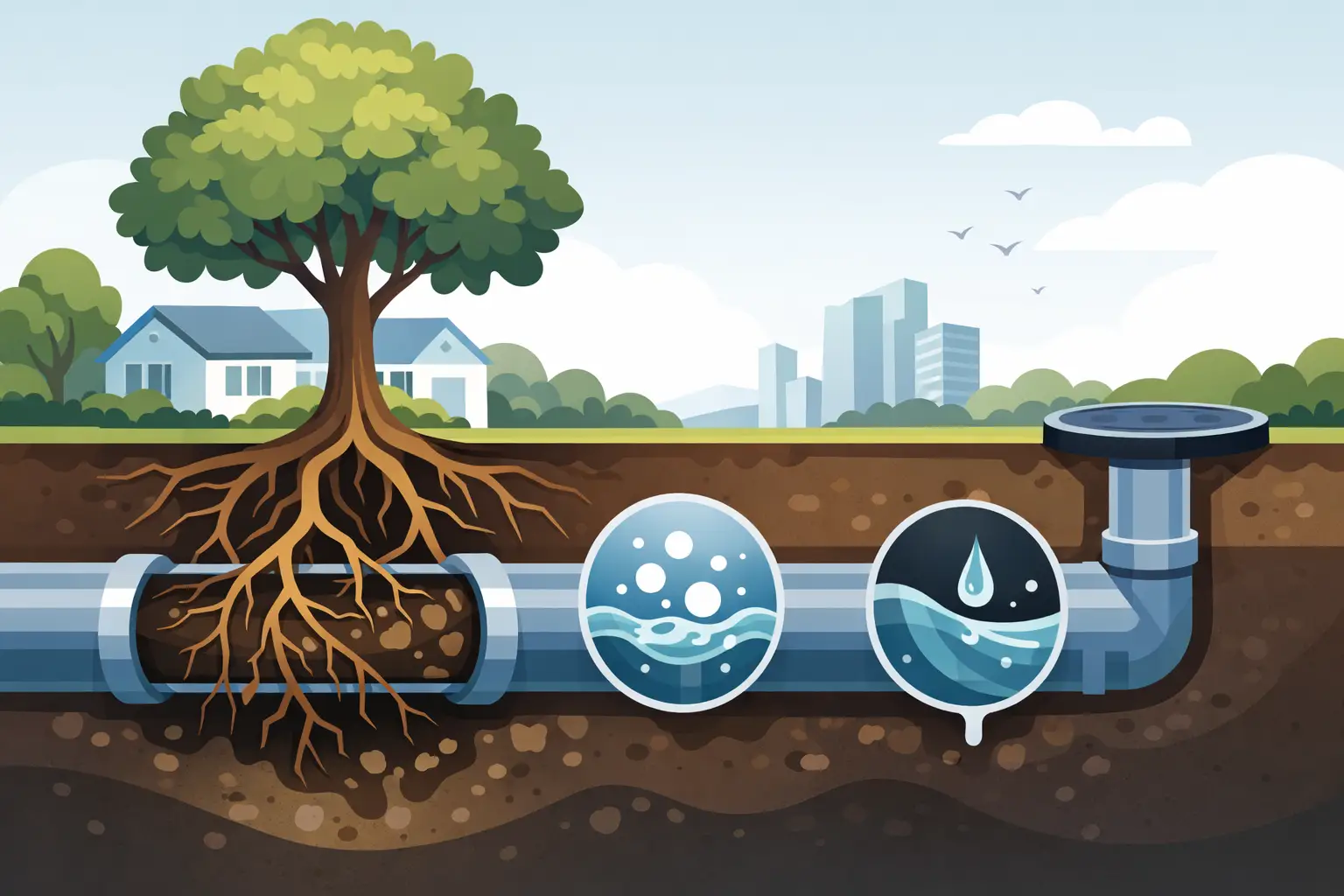
Older piping is another major factor. Galvanized steel pipes, in particular, are known for corrosion and internal buildup. From the outside, the pipe may look fine. Inside, the diameter can narrow enough to choke water flow. In older homes and older commercial properties, this is a frequent reason for ongoing low pressure.
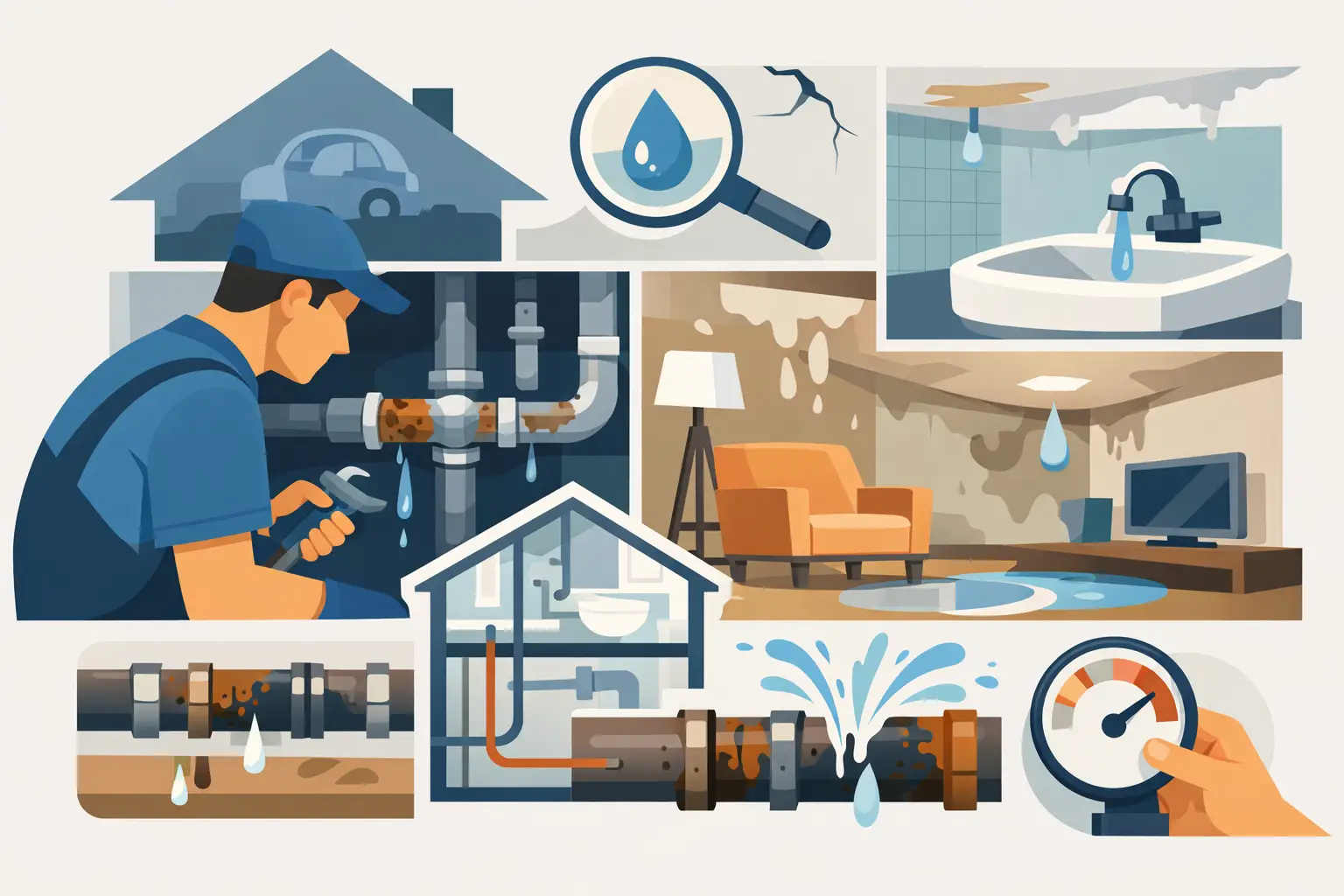
Leaks can also reduce pressure system-wide. A hidden slab leak, broken underground line, or wall leak can pull water away before it reaches fixtures at full force. If low pressure is paired with a higher water bill, damp spots, mold smell, or the sound of running water when nothing is on, do not ignore it.
Why is water pressure low all of a sudden?
A sudden drop usually points to a specific change rather than long-term wear. That change could be inside the property or on the utility side.
If the pressure dropped overnight, first consider whether there is work happening nearby. Municipal repairs, water main issues, hydrant use, or neighborhood demand spikes can temporarily affect pressure. This is especially relevant if nearby homes are seeing the same thing.
If the problem is only happening at your property, a valve may have shifted, a regulator may be failing, or a leak may have started. In some cases, sediment gets stirred up after utility work and ends up clogging fixture screens and appliance valves. So even when the original trigger is outside the home, the ongoing restriction can remain inside it.
Sudden low pressure deserves attention because it is more likely to signal a break, failure, or active leak than a slow maintenance issue.
Water pressure vs. water volume
People often use pressure and flow interchangeably, but they are not exactly the same. Pressure is the force that pushes water through the system. Volume is how much water is actually moving.
That matters because some plumbing problems reduce pressure, while others reduce available volume. A clogged pipe, for example, may let a little water through with decent force at first, then fall off quickly. A regulator issue can create consistently weak output everywhere. Understanding that difference helps a licensed plumber narrow the problem down faster.
What you can check before calling a plumber
There are a few practical checks that can help you figure out whether this is a small issue or a larger repair.
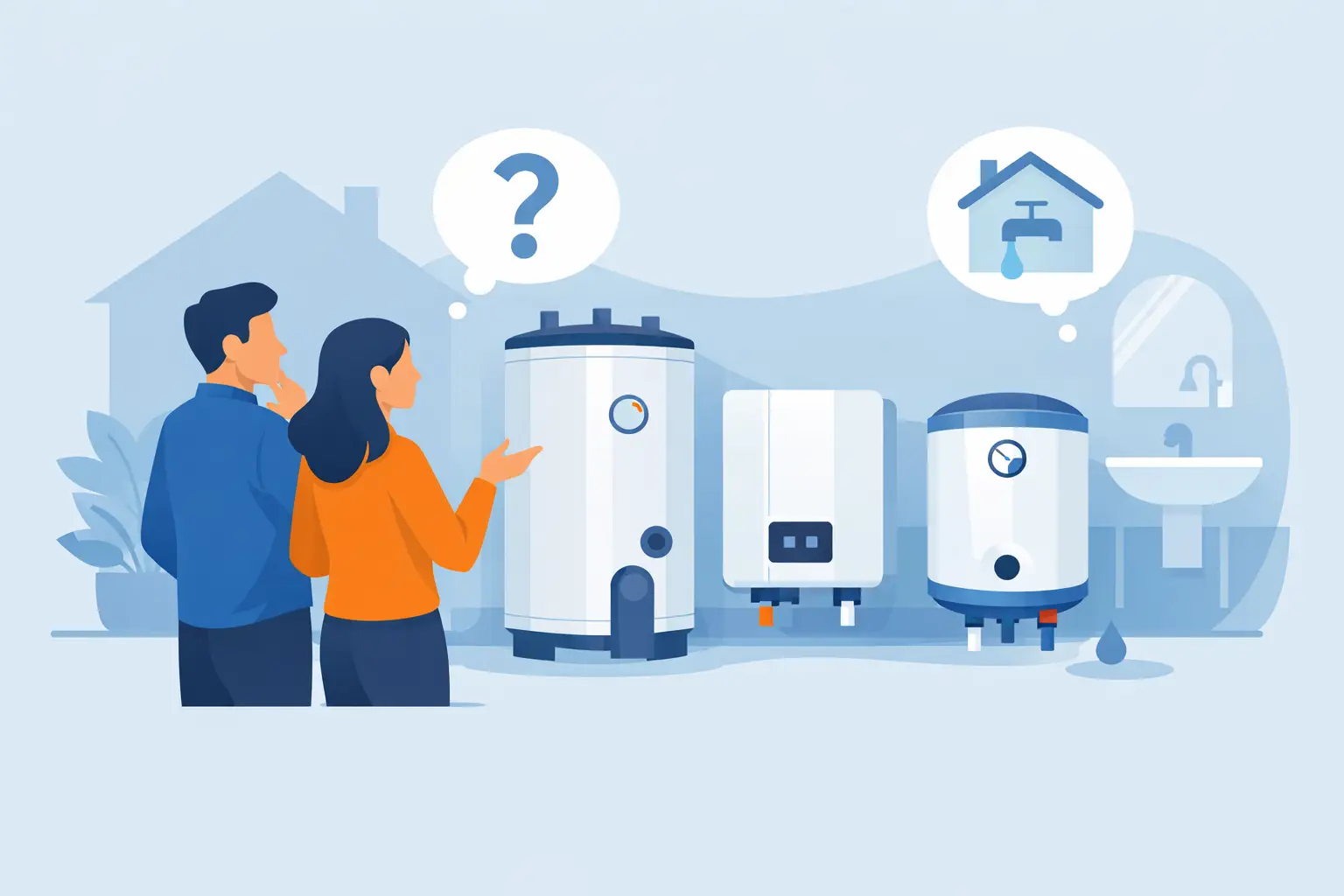
Start by checking whether the problem affects one fixture or the whole property. Turn on multiple faucets. Test hot and cold water separately. If low pressure only affects hot water, the issue may be tied to the water heater or its supply lines rather than the entire plumbing system.
Next, look at visible shutoff valves under sinks, behind toilets, and near the main water entry point if you can safely access it. They should be fully open. If a faucet or showerhead is the only weak fixture, inspect it for mineral buildup.
You should also pay attention to timing. Does pressure drop only at busy times of day? Only when more than one fixture runs? Only after recent plumbing or utility work? Those details help identify whether the issue is demand-related, fixture-related, or system-wide.
One thing not to do is keep guessing while a possible leak goes unchecked. If pressure is low and you notice wet drywall, soft flooring, unusual sounds in the pipes, or unexplained water use, it is time for a professional inspection.
When low pressure points to a bigger plumbing problem
Some low-pressure issues are straightforward. Others are warning signs.
If the property has old galvanized piping, recurring low flow may mean the system is reaching the point where spot repairs are no longer the most cost-effective solution. If the pressure regulator is failing, replacing it can restore normal performance, but the system should also be checked for any related stress or valve issues.
For commercial buildings, rental properties, and multi-bath homes, low pressure can create more than inconvenience. It affects tenant satisfaction, cleaning operations, kitchen use, and fixture reliability. In these cases, the right repair is not just about restoring comfort. It is about protecting the property and avoiding bigger service interruptions later.
There is also a trade-off to keep in mind. Higher pressure is not always better. Water that comes in too forcefully can strain fixtures, supply lines, and appliances. The goal is balanced, reliable pressure that works well without damaging the system.
When to call for professional help
If you have cleaned the fixture, checked the obvious valves, and the pressure is still low, professional diagnosis is usually the fastest path forward. The same goes for sudden drops, repeated issues, or any pressure loss tied to leaks, discolored water, pipe noise, or older plumbing materials.
A licensed plumber can test pressure, inspect regulators and valves, evaluate water lines, and determine whether the issue is isolated or structural. That matters because the fix for a clogged showerhead is very different from the fix for a hidden leak or a restricted main line.
For Central Florida property owners, fast service matters. Plumbing issues rarely improve on their own, and low pressure can be the first visible sign that something deeper is wrong. Companies like The Flush Club approach these calls with a clear inspection-first process so you understand what is causing the problem before any repair work begins.
If your water pressure has been getting worse, or it dropped without warning, trust what your plumbing is telling you. A weak stream today can be an early signal that saves you from a much larger repair tomorrow.